Is A Sign of Affection Worth Reading? Review & Where to Read
Quick Answer
Yes — if you want a warm, beautifully drawn romance, this is one of the best comfort reads going. Just know what it is: conflict is minimal, the pace is unhurried, and it's still ongoing. You read it to melt, not to stress.
Quick Verdict
“Cozy, gorgeous, and almost conflict-free — a romance you read to feel warm, not to bite your nails.”
Best for: Readers who want a gentle, beautifully drawn romance that treats communication itself as the love story.
Not for: Readers who want high drama, fast plot movement, or tension-driven love triangles.
- Type
- Manga
- Genres
- Romance, Slice of Life
- Status
- Ongoing
- This review
- Minor Spoilers
- Author
- suu Morishita
- Publisher
- Kodansha
- Platform
- Kodansha
| Quick facts | |
|---|---|
| Format | Manga (shōjo), 5 chapters |
| Run | 2019–present · ongoing |
| Community score | AniList 8.3 |
| Where to read | Kodansha — official |
Overview
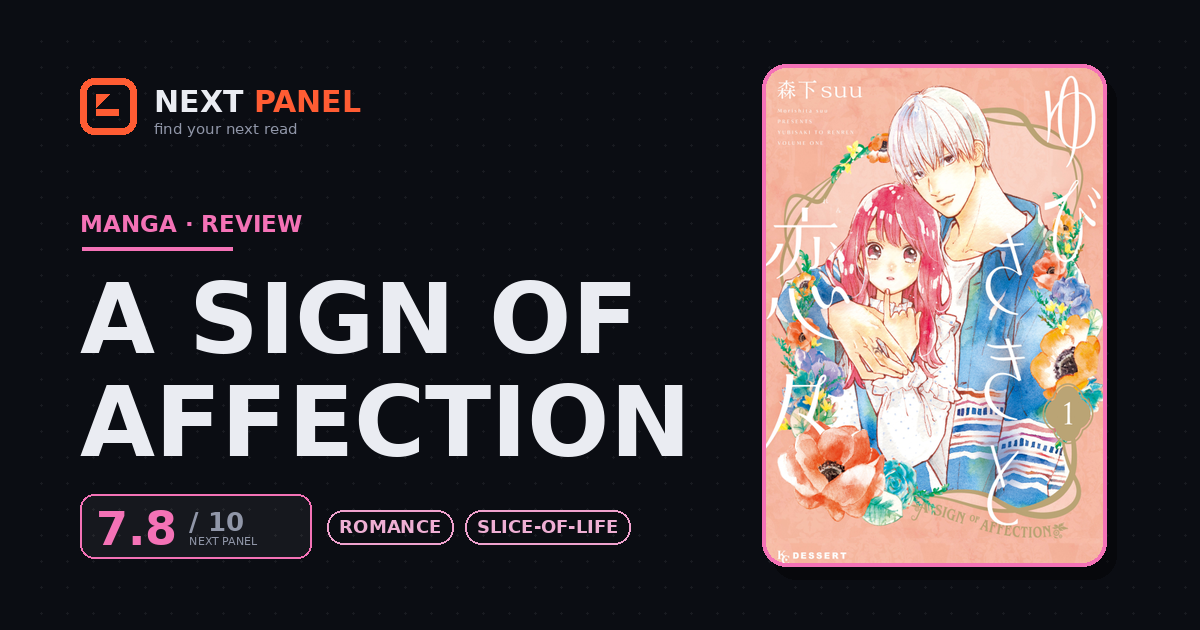
A Sign of Affection is a shoujo romance by suu Morishita — the shared pen name of a two-woman team — serialized in Kodansha's Dessert. Yuki is a college student in Tokyo who has been deaf her whole life; her world is signing, lip-reading, and a phone screen she types into when hearing people talk past her. One day on her commute, a tourist asks her for directions, and a friend-of-a-friend named Itsuomi steps in — a laid-back backpacker who speaks several languages and doesn't treat her deafness as an obstacle or a tragedy, but as one more language he hasn't learned yet. The series is ongoing, got a well-received anime, and Kodansha publishes it in English. This review stays spoiler-free.
What it does well
The central idea is lovely and the execution backs it up: communication is the romance. Itsuomi asks questions other people are too awkward to ask, learns to sign one phrase at a time, and pays attention in a way that makes Yuki — used to being politely ignored — feel seen. The manga stages its biggest emotional beats around tiny things: a name fingerspelled slowly, a message typed and turned around, a sign practiced badly but sincerely. It's disarmingly effective, and it gives the love story a texture most romances simply don't have.
Morishita's art is the other half of the spell. Pages are airy and deliberate, with sparkle and negative space used to slow scenes down, and the camera lingers on hands the way other romances linger on eyes — which, in a story about signing, is exactly right. Yuki's point of view is handled thoughtfully too: panels drop ambient sound cues and lean on faces and gestures, so you're always half-inside her experience.
It's also simply kind. Yuki's friends, Itsuomi's circle, even the prickly childhood friend who disapproves — everyone is written with sympathy, and the story would rather untangle feelings than manufacture villains.
Where it falls short
Gentleness is also the limitation. Conflict is scarce, and what little appears — a rival's feelings, family friction, insecurity — tends to dissolve within a chapter or two. If you need real obstacles between your leads, this will read as slight, and the ongoing, unhurried serialization means progress arrives in small doses.
Itsuomi himself is a mild sticking point. His directness is the appeal, but in the early stretch his confidence can tip into possessive territory — a hand claimed here, a boundary tested there — and the story frames it as swoony rather than examining it. It softens as the relationship grows, but it's noticeable.
Verdict
A Sign of Affection does exactly what it sets out to do: a warm, gorgeous, low-conflict romance built on the work of understanding another person. It won't convert readers who need drama or momentum, and Itsuomi's early intensity is worth flagging — but as comfort reading with real craft behind it, it's one of the easiest recommendations in modern shoujo.
Strengths & Weaknesses
Strengths
- Yuki's deafness is drawn with specificity and respect — signing, lip-reading, and typed phone conversations shape how every scene is staged, not just what's said.
- The art is stunning, with airy layouts and small gestures — a tapped shoulder, a slowly fingerspelled name — carrying enormous emotional weight.
- The romance runs on curiosity and effort rather than misunderstandings; watching Itsuomi learn to sign makes learning someone's language feel genuinely romantic.
- It's a reliable comfort read — warm, sincere, and kind to its whole cast.
Weaknesses
- Conflict is minimal and obstacles dissolve quickly, so readers who need stakes will find it slight.
- Itsuomi's confidence can shade into possessiveness in the early chapters, which sits a little oddly against the story's gentleness.
- Because it's ongoing and low-drama, the relationship progresses slowly from volume to volume.
Similar Titles
The Fragrant Flower Blooms with Dignity
The same warm, sincere romance energy between two people the world misreads.
Also centers a deaf character, but with far heavier emotional stakes and drama.
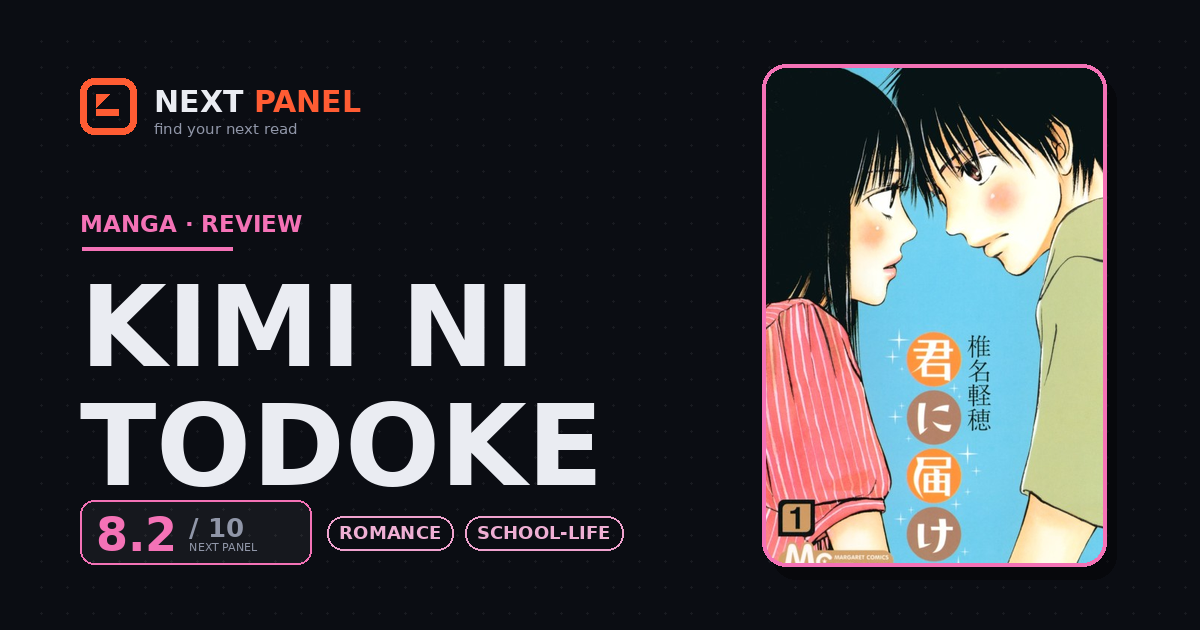
Kimi ni Todoke: From Me to You
Another patient, kind-hearted shoujo romance where small steps feel huge.
Where to Read Officially
| Platform | Format | Pricing | Region notes | Link |
|---|---|---|---|---|
| Kodansha | Print & digital volumes | Paid | Region availability varies | Open |
Frequently Asked Questions
Do I need to know sign language to follow it?
No. The manga renders signing visually and translates it on the page, and the moments where communication takes work are the point — you're meant to feel the gap and watch the characters bridge it.
Is the manga finished?
No, it's still ongoing in Kodansha's Dessert magazine, and Kodansha releases the English volumes. It's a low-stress series to follow along with, since arcs resolve gently rather than on cliffhangers.
Should I start with the anime or the manga?
Either works. The 2024 anime is a faithful, well-made adaptation of the early story, and the manga simply continues past where it stops. If you liked the show, you can jump into the manga from there.