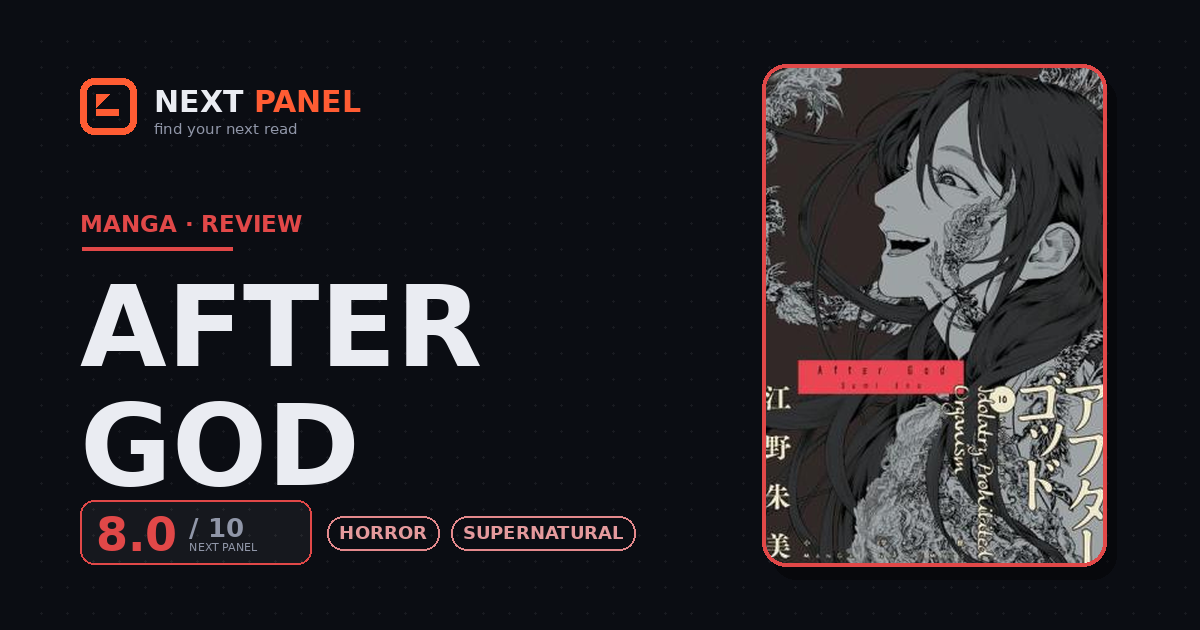
Is After God Worth Reading? Review & Where to Read
Quick Answer
Yes — this is one of the better-kept secrets in current dark shonen, with body horror and psychological weight that punches well above its readership numbers.
Quick Verdict
“Grim, strange, and genuinely gripping; it deserves the audience that Fire Punch and Gachiakuta comparisons keep pointing toward.”
Best for: Readers who want dark, body-horror-heavy shonen with real mystery behind its power system, not just escalating fights.
Not for: Readers who want a lighter tone or a cast that isn't constantly under threat of transforming into something monstrous.
- Type
- Manga
- Genres
- Horror, Supernatural
- Status
- Ongoing
- This review
- Minor Spoilers
- Author
- Sumi Eno
- Publisher
- Shogakukan
- Platform
- Viz
| Quick facts | |
|---|---|
| Format | Manga (shōnen), 10 volumes |
| Run | 2021–present · ongoing |
| Community score | AniList 7.7 · MangaUpdates 7.3 |
| Content | Body horror, violence, disturbing imagery |
| Where to read | Viz — official |
Overview
Gods invaded Japan, and what they left behind are Danger Zones, city-sized stretches now considered too hazardous to enter. The Anti-God Scientific Research Institute exists to study and eventually kill them, and researcher Sachiyuki Tokinaga is on routine patrol near one of these zones when he finds a teenage girl, Waka Kamikura, staring through the fence. What he sees in her eyes convinces him she isn't an ordinary bystander, and that conviction sets the whole story in motion.
What it does well
The best thing After God does is refuse to rush its own mystery. What the gods actually are, what their power does to the humans who cross paths with them, and why Waka has eyes like theirs all unfold gradually, through unsettling implication more than exposition dumps. That patience pays off: by the time the story does reveal something, it feels earned rather than randomly dropped in.
Sumi Eno's art is doing a lot of the heavy lifting here. The body horror is genuinely well drawn, transformations are strange and specific rather than generic monster designs, and the linework has enough detail to make even quiet scenes feel like something could go wrong at any moment. Waka herself avoids the trap of being a blank vessel for tragedy; her grief over her friend Shion's death is given enough space that her decision to fight the gods reads as a real choice, not a plot obligation.
The Institute adds another layer worth crediting: it isn't a straightforwardly noble organization fighting a straightforwardly evil threat. Its methods are morally messy enough that the story earns some ambiguity about who the actual danger is, without turning into a heavy-handed statement about it.
Where it falls short
The pacing around the Institute's internal politics and the wider worldbuilding lags behind the horror elements, and readers hoping for quick answers about what's actually going on may find the early volumes slow going by comparison. Some side characters who get real focus for an arc or two disappear from view once the plot moves on, which leaves a few threads feeling unfinished.
The tone is also consistently heavy. There's very little comic relief or lighter pacing to break up the dread, which suits the story's identity but can make long reading sessions feel like a slog if you're not in the mood for something this unrelentingly grim.
Verdict
After God is a well-crafted, genuinely unsettling dark shonen that hasn't found the audience its craft deserves. If body horror wrapped around a real mystery sounds appealing, this is very much worth catching up on before it gets bigger.
Strengths & Weaknesses
Strengths
- The central mystery, what the gods actually are and what their power does to the people exposed to it, unfolds slowly enough to stay genuinely intriguing rather than getting explained away too fast.
- Sumi Eno's art leans hard into body horror and does it well, with transformation sequences that are unsettling without feeling gratuitous for its own sake.
- Waka is written as a character shaped by real grief rather than generic trauma backstory, which gives her drive to fight the gods actual emotional weight.
- The Anti-God Institute's morally murky methods keep the story from being a simple humans-good, gods-bad conflict.
Weaknesses
- The worldbuilding around the Institute and its politics moves slower than the horror elements, and readers looking for fast answers may find the pacing frustrating early on.
- Some side characters introduced for a single arc don't get enough follow-up once the plot moves past them.
- The tone stays consistently heavy, with very little levity, which some readers will find exhausting over a long reading session.
Similar Titles
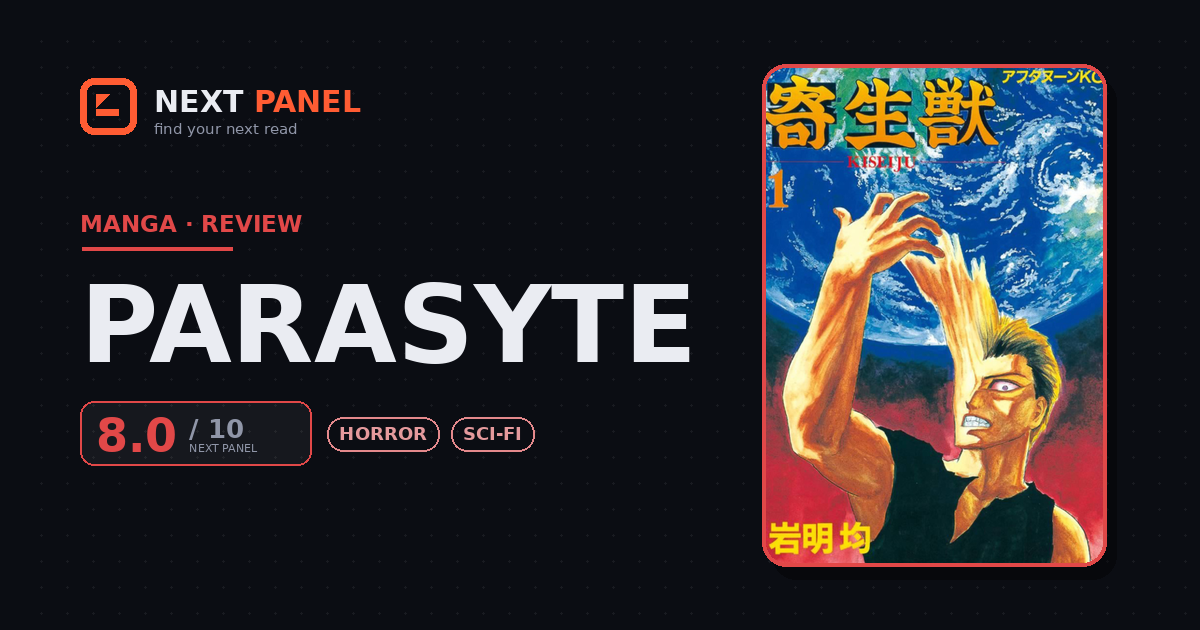
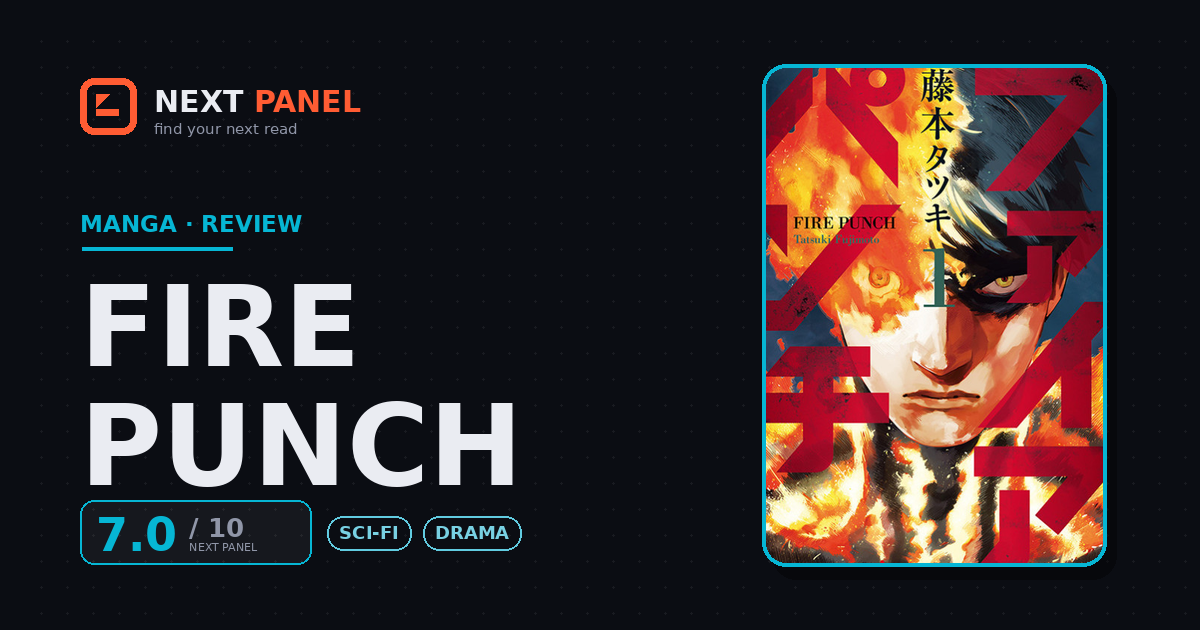
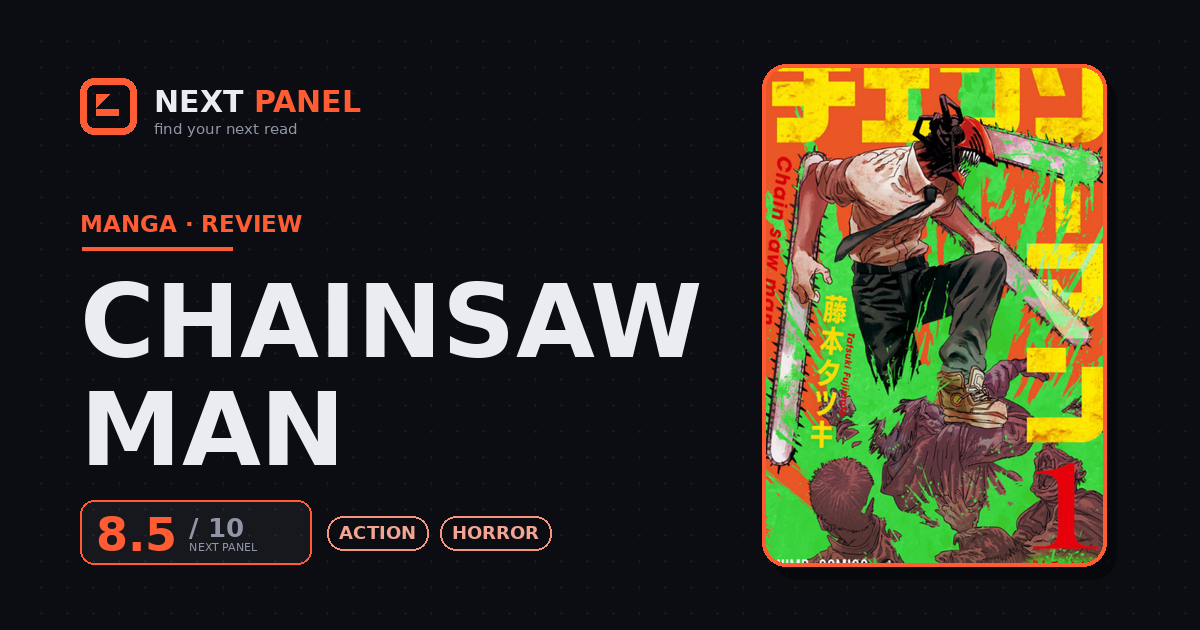
Same bleak, body-horror-forward tone from a creator working in a similar register.
For more of the strange-power-meets-grim-institution structure, with a darker sense of humor.
An older classic with the same body-horror-as-mystery approach to an inhuman threat.
Where to Read Officially
| Platform | Format | Pricing | Region notes | Link |
|---|---|---|---|---|
| Viz | Print & digital volumes | Paid | Region availability varies | Open |
Frequently Asked Questions
Is this connected to any other Sumi Eno manga?
No, it's a standalone story and not part of an existing franchise or continuation.
How graphic is the body horror?
It's a real focus of the art, transformations and injuries are drawn in detail, so go in expecting a genuinely unsettling visual style, not just implied horror.
Is the story finished?
No, it's ongoing, with Viz currently releasing it in English a handful of volumes behind the Japanese release.