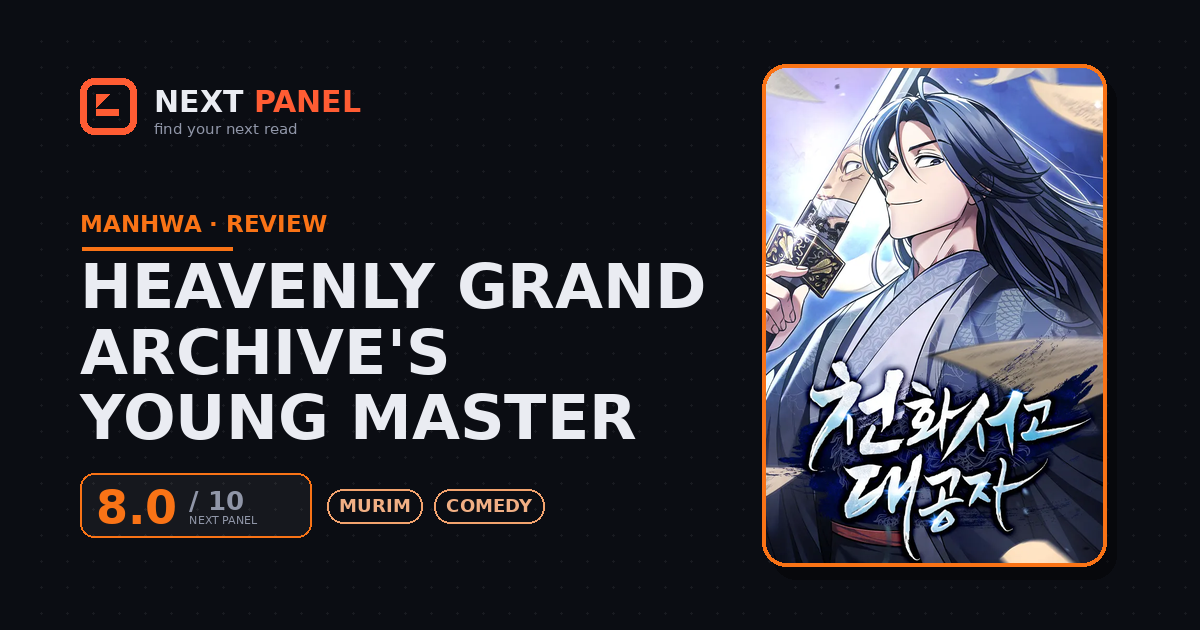
Is Heavenly Grand Archive's Young Master Worth Reading? Review & Where to Read
Quick Answer
Yes, especially for murim fans. This is a comedy-forward transmigration story carried by a genuinely sharp, mature protagonist and a loyal, chaotic supporting cast, with strong enough writing that it's routinely called one of the better ongoing murim manhwa. One honest caveat: the opening chapters lean hard into dark material around death and self-harm before settling into a much lighter tone.
Quick Verdict
“One of the sharper murim comedies running, carried by a lead who's mentally decades older than his new body and never lets you forget it.”
Best for: Readers who want a murim transmigration story with a genuinely clever, world-weary protagonist, strong comedic side characters, and real character development across a long run.
Not for: Readers who want a consistently light tone from the very first chapter, since the opening stretch leans into heavy suicide and self-harm material before the comedy takes over.
- Type
- Manhwa
- Genres
- Murim, Comedy
- Status
- Ongoing
- This review
- Minor Spoilers
- Author
- Unconfirmed (based on the web novel by the same title)
- Artist
- Unconfirmed
- Publisher
- Naver Webtoon
- Platform
- TappyToon
| Quick facts | |
|---|---|
| Format | Manhwa, 2 volumes |
| Run | ongoing |
| Where to read | TappyToon — official |
Overview
Once hailed as the leader of the Murim Alliance, the legendary fighter Hoo Gong dies — and wakes up in the body of Beom Hang, the disgraced, broken young master of the Heavenly Grand Archive, one of the three great archives of the jianghu. Beom Hang had no future left; Hoo Gong has an entire lifetime of skill and hard-won wisdom. Determined to figure out why his soul ended up here, Hoo Gong starts training his new body from scratch, and it isn't long before the martial world starts noticing that the Heavenly Grand Archive's biggest disappointment is suddenly moving like nothing they've ever seen.
What it does well
Hoo Gong himself is what makes this story work. Rather than the usual brash, easily-provoked murim lead, he brings decades of hard-earned maturity and a dry, knowing sense of humor to a body and social position built entirely around failure — and that contrast between his experience and his circumstances is a constant source of both comedy and quiet character depth.
The supporting cast backs him up well. His subordinates and allies are consistently funny and more than a little unhinged, but the story gives many of them real arcs and growth rather than leaving them as static jokes, which keeps a long-running series feeling fresh across its cast rather than just its lead. The comedy lands throughout without undercutting the story's actual stakes, and the handling of romance — where it eventually shows up — is notably thoughtful, respecting that Hoo Gong's mentality is nowhere near as young as his new face by pairing him, if at all, with someone in a comparable situation rather than leaning into an uncomfortable age-gap dynamic.
Where it falls short
The biggest thing to know going in: the opening chapters are genuinely heavy, leaning hard into death, suicide, and self-harm in ways that read as tonally jarring once the series settles into its much lighter comedic voice a couple dozen chapters later. It's worth being prepared for rather than surprised by.
The central plot itself is fairly conventional murim-transmigration territory, and it's really the characters and comedy carrying the read rather than an especially original story engine. Some side characters further from the main cast also don't get quite the same development as the ones closer to Hoo Gong, even as the writing clearly has ambitions for a wide ensemble.
Verdict
Heavenly Grand Archive's Young Master earns its reputation as one of the stronger ongoing murim comedies through a genuinely sharp lead and a supporting cast that gets real room to grow. Go in aware of the dark opening stretch, push through it, and there's a consistently funny, well-executed long-runner waiting on the other side.
Strengths & Weaknesses
Strengths
- Hoo Gong is a genuinely sharp lead — his decades of experience as a legendary fighter give him a maturity and dry wit that separates him from the usual hot-headed murim protagonist.
- The supporting cast is a real highlight: a loyal, chaotic group of subordinates who each get their own arcs and character development rather than staying static comic relief.
- The comedy is consistently funny without undercutting the world's stakes, striking a balance a lot of murim-comedy hybrids struggle to land.
- The story treats its central 'old soul in a young body' premise with real thought — the romance elements, when they show up, respect that Hoo Gong's mentality is nowhere near as young as his new face.
Weaknesses
- The opening ten to twenty chapters go surprisingly dark, leaning heavily into death, suicide, and self-harm in ways that feel tonally disconnected from the lighter comedy the series settles into afterward — worth knowing going in.
- The central plot is fairly conventional for the genre and isn't the main draw; readers looking for a groundbreaking story rather than strong execution may find it thinner than expected.
- Some side characters, especially further from the main cast, don't get as much development as the writing clearly wants to give them.
Similar Titles
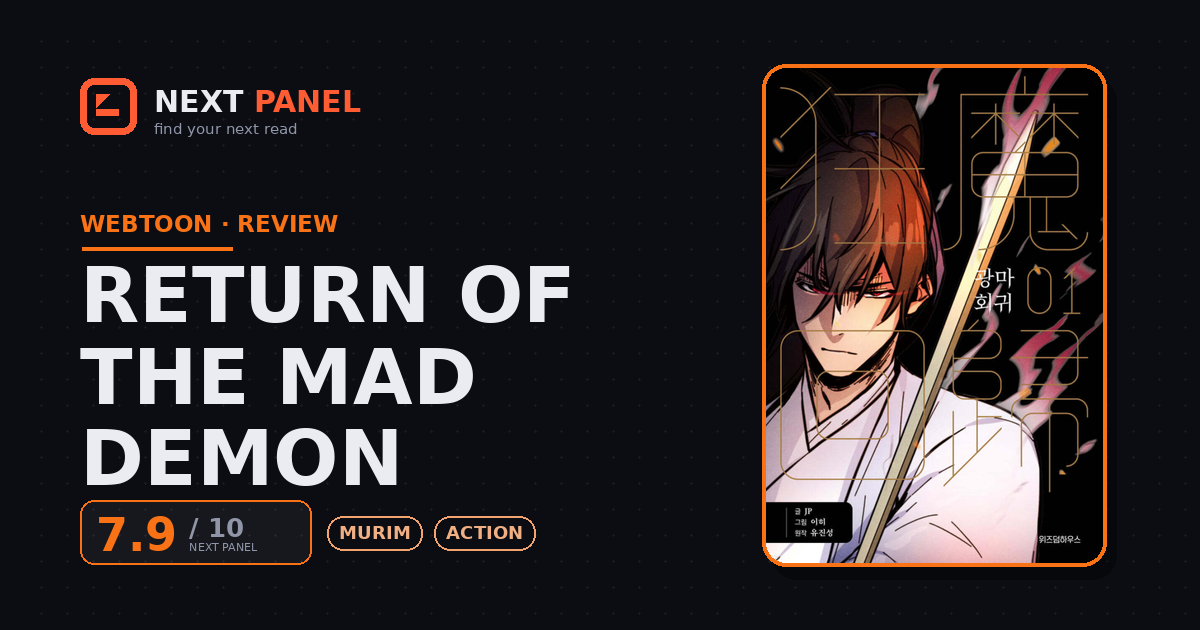
Shares a second-chance murim premise, with a similar mix of past-life knowledge and present-day vengeance.
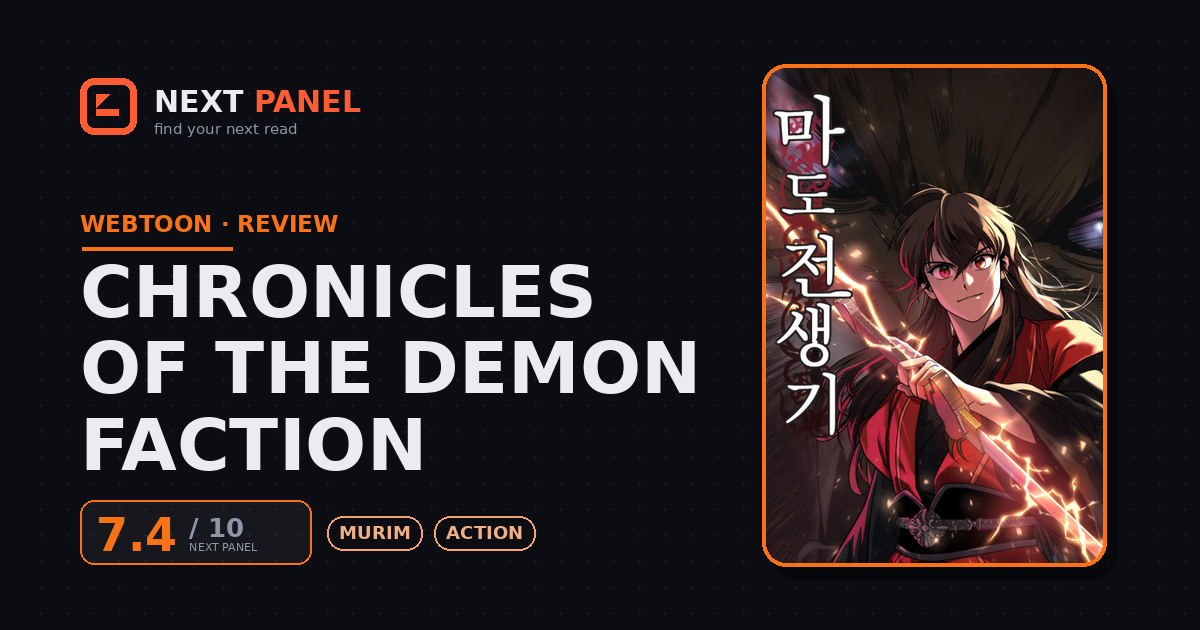
Chronicles of the Demon Faction
A different body-swap setup, but a comparable interest in a skilled fighter navigating a new identity within the jianghu.
A different tone, but a similar comedic take on legendary martial artists dealing with a much less impressive present-day situation.
Where to Read Officially
| Platform | Format | Pricing | Region notes | Link |
|---|---|---|---|---|
| TappyToon | Digital chapters | Paid | Region availability varies | Open |
Frequently Asked Questions
Is Heavenly Grand Archive's Young Master finished?
No, it's an ongoing series with 180+ chapters released so far and still updating.
Does the dark opening tone continue throughout the series?
No. The first ten to twenty chapters lean heavily into death and self-harm themes, but the tone shifts into a much lighter, comedy-driven murim story afterward and stays there.
Is there romance in this series?
There is, though it develops slowly and is handled carefully — since Hoo Gong is mentally an elderly man in a young man's body, the story avoids age-gap awkwardness by pairing him, when it does, with a similarly reincarnated female lead.