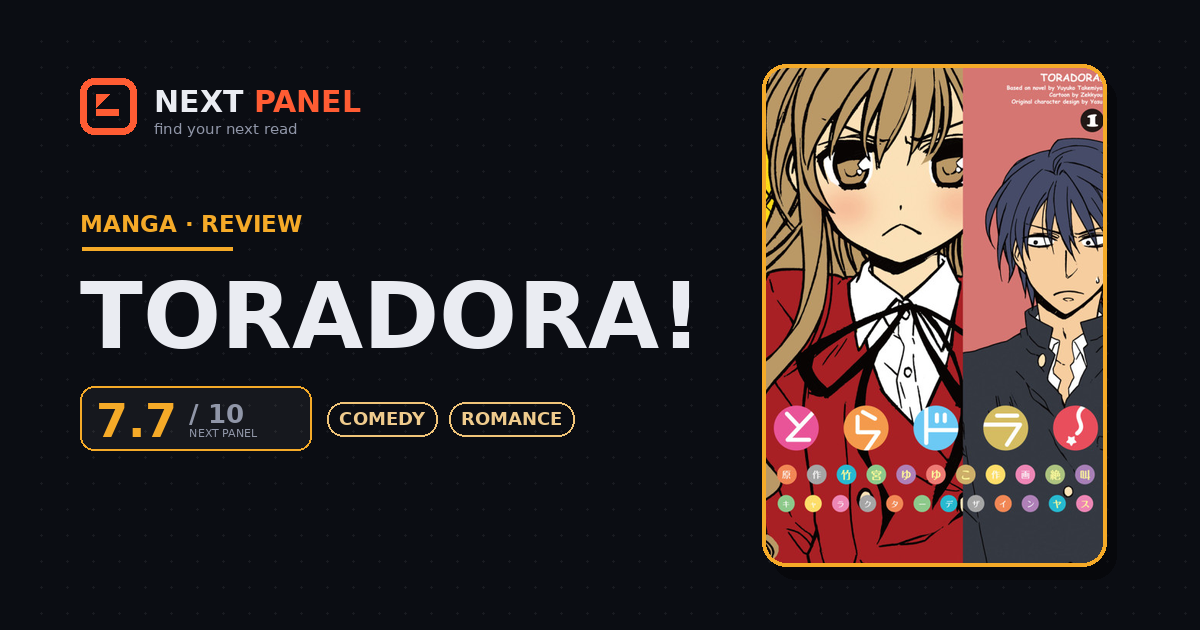
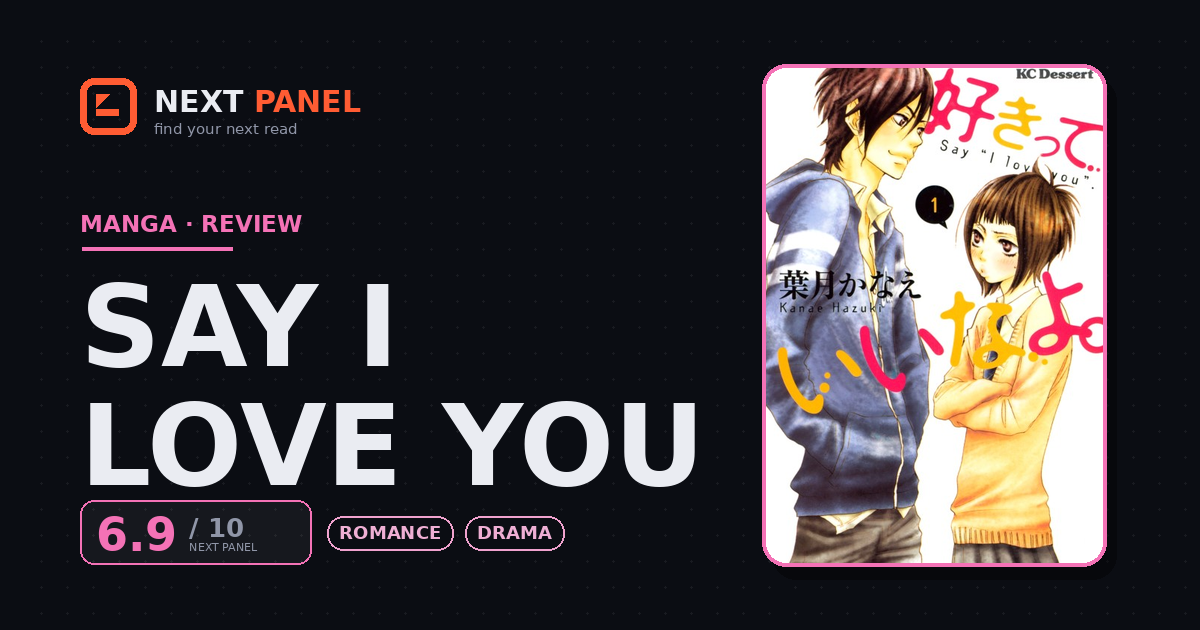
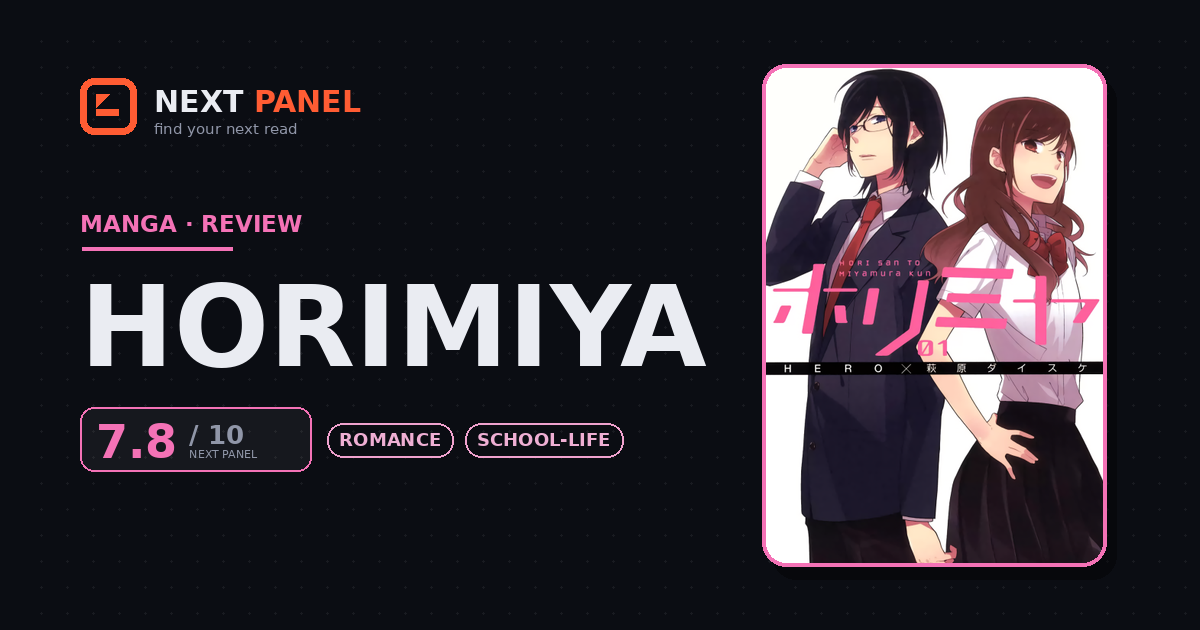
Is My Little Monster Worth Reading? Review & Where to Read
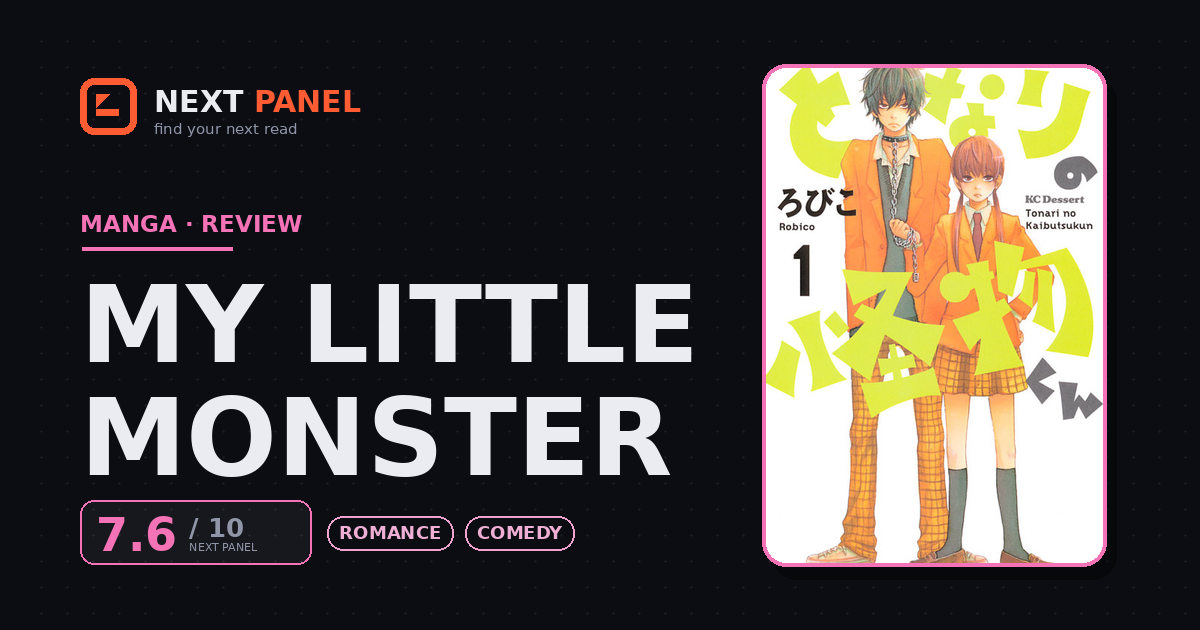
Quick Answer
Yes, if you want a slow-burn romance where the leads genuinely struggle to communicate instead of just being kept apart by convenient misunderstandings. It's a quieter, more character-driven read than most shoujo rom-coms.
Quick Verdict
“Haru and Shizuku fight, misread each other, and circle the same handful of feelings for volumes at a time, and somehow it still reads as one of the more honest teen romances out there.”
Best for: Readers who like their romance messy and slow-building, with two leads who are genuinely bad at talking to each other.
Not for: Readers who want a smooth, low-conflict couple or a story that resolves its central relationship quickly.
- Type
- Manga
- Genres
- Romance, Comedy
- Status
- Completed
- This review
- Minor Spoilers
- Author
- Robico
- Publisher
- Kodansha
- Platform
- Kodansha
| Quick facts | |
|---|---|
| Format | Manga, 69 chapters, 13 volumes |
| Run | 2008–2013 · completed |
| Community score | AniList 7.8 · MangaUpdates 8.4 |
| Where to read | Kodansha — official |
Overview
Shizuku Mizutani has one goal: get good grades, get a good job, live a normal, uneventful life. She has no time for anything else, including the guy who sits next to her and almost never shows up to class. That's Haru Yoshida, whose reputation as a violent troublemaker has emptied his social circle down to nobody. When Shizuku is asked to drop off some handouts at his apartment, Haru decides on the spot that she's his first real friend, and refuses to let her walk that back. What follows is a messy, slow-building relationship between two people who are both, in their own ways, bad at being around other people.
What it does well
The core relationship is the strongest thing about the book. Haru and Shizuku don't fall for each other because the plot needs them to; they fumble toward it because neither of them has much practice reading social cues or saying what they mean. Their arguments feel like actual arguments, not romantic-comedy misunderstandings that exist to be cleared up in two pages. When they finally do get somewhere, it feels like something the characters worked for instead of something the story handed them.
Haru's backstory is doled out patiently instead of dumped in one big flashback chapter, which matters a lot for how the book uses him. His volatility, the outbursts, the total lack of a filter, all of it reads as unsettling at first and slowly turns sympathetic as the manga shows where it comes from. Robico resists the urge to excuse his worse moments, but does explain them, and that's a harder balance to strike than it sounds.
The supporting cast gets real space too. Asako Natsume in particular becomes a genuine second lead for long stretches rather than comic relief orbiting the main couple, and Robico's art is flexible enough to sell both the loud physical comedy and the quieter, more vulnerable scenes without the tone whiplashing.
Where it falls short
The middle volumes lean hard on the same push-pull dynamic: Haru gets close, Shizuku pulls back, something gets misread, repeat, and it can feel like the story is treading water before it lets the two of them actually move forward. If you're reading for plot momentum rather than the slow character work, that stretch will test your patience.
Natsume's arc, while well done on its own, also ends up eating enough space that the central couple can feel sidelined for a while. And Haru's temper, which the book is generally thoughtful about, still has a few outbursts early on that read more uncomfortable than charming by today's standards.
Verdict
This is a rom-com that earns its slow burn by making its leads genuinely bad at communicating instead of just contrived. Haru and Shizuku's relationship is messy in a way that feels true to being a teenager who's never really let anyone in, and the book is patient enough with both of them to make the eventual payoff land. It's not the tightest-plotted shoujo out there, but it's one of the more honest ones.
Strengths & Weaknesses
Strengths
- Haru and Shizuku's miscommunication feels true to being a teenager instead of a plot device, since neither of them has practice saying what they actually feel.
- Haru's backstory unpacks slowly instead of getting dumped in one flashback, so his over-the-top behavior gets more sympathetic instead of less as you learn where it comes from.
- The supporting cast, especially Natsume, gets real space instead of sitting around as comic relief for the main couple.
- Robico's art keeps the comedy loose and expressive without losing the quieter, more vulnerable moments.
Weaknesses
- The push-pull between the leads repeats a lot of the same beats in the middle volumes before the story lets them move forward.
- Natsume's arc takes over long enough stretches that the main couple can feel like they're on pause.
- Haru's temper and blunt honesty are central to his charm, but a few of his angrier outbursts haven't aged as comfortably as the rest of the book.
Similar Titles
Another slow-burn romance between two mismatched, emotionally guarded teens figuring out how to actually talk to each other.
Similar hidden-side-of-a-classmate hook, with a couple who get together early and then have to build the relationship for real.
Another shoujo about a guarded lead slowly learning to let someone in, with a similarly grounded, unglamorous tone.
Where to Read Officially
| Platform | Format | Pricing | Region notes | Link |
|---|---|---|---|---|
| Kodansha | Digital & print volumes | Paid | Region availability varies | Open |
Frequently Asked Questions
Is My Little Monster completed?
Yes, the manga finished its run in 2013 and is fully available in English.
Is the My Little Monster anime worth watching instead?
The 2012 anime covers the same story but stops well short of the manga's ending, so the manga is the version to read for the full arc.
Is there a love triangle in My Little Monster?
There's a supporting romantic subplot around Natsume, but the core pairing is Haru and Shizuku throughout.