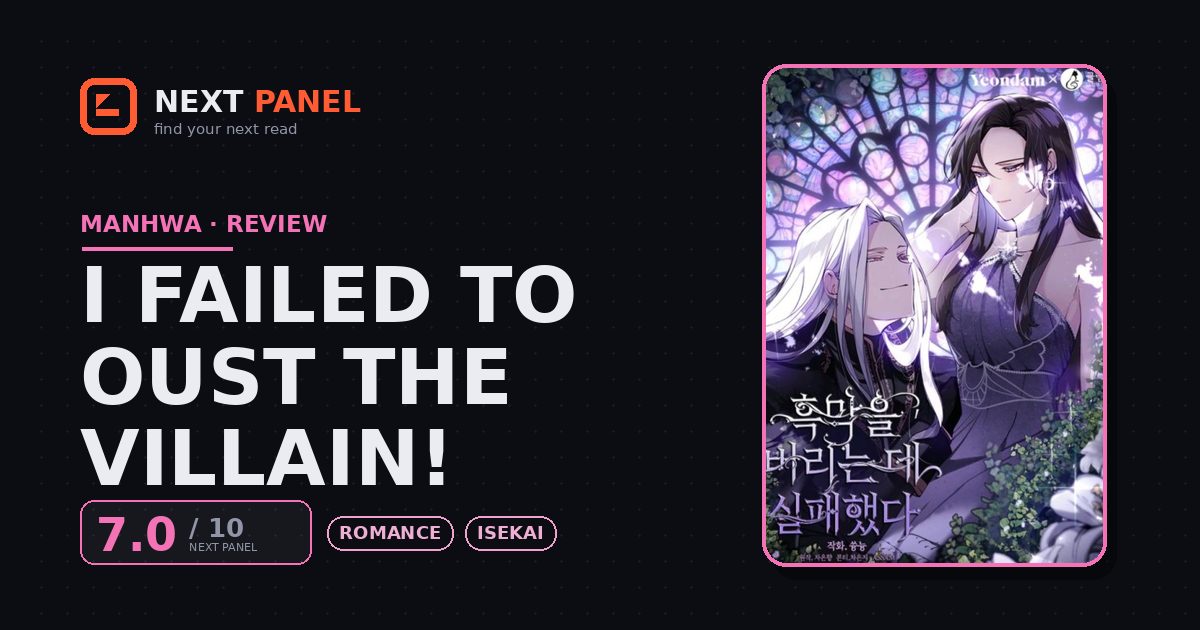
Is I Failed to Oust the Villain! Worth Reading? Review & Where to Read
Quick Answer
This is a deliberately dark, possessive-romance take on the reincarnated-villainess formula, and it's worth reading specifically for readers who want that intensity rather than a lighter version of the genre.
Quick Verdict
“Knowing exactly how you're going to die doesn't help Valeta at all once the man meant to kill her decides he'd rather keep her instead.”
Best for: Readers who want a dark, yandere-driven captivity romance with real psychological tension between two well-matched, morally compromised leads.
Not for: Readers who want a lighter, comedic villainess story or a healthy, equal-footing romance dynamic.
- Type
- Manhwa
- Genres
- Romance, Isekai
- Status
- Completed
- This review
- Minor Spoilers
- Author
- Eun-Hyang Ja
- Artist
- Ssyung-Nyung
- Publisher
- Kakao Page
- Platform
- Tapas
| Quick facts | |
|---|---|
| Format | Manhwa, 150 chapters |
| Run | 2022–2026 · completed |
| Community score | AniList 7.2 · MangaUpdates 7.7 |
| Where to read | Tapas — official |
Overview
Valeta is reborn as the daughter of a count in a novel she's already read, which means she knows exactly how her story ends: killed by Reinhart, the "house pet" she takes in without ever wanting him around. Determined not to let that happen, she tries to get rid of him first. She fails. When Reinhart's magic awakens and he kills everyone around her, the power in their relationship flips completely — and instead of finishing her off, he decides to keep her, on his terms, within his grasp.
What it does well
What makes this stand out from the crowded reincarnated-villainess field is how completely it commits to the power reversal. Valeta's foreknowledge, normally the genre's built-in safety net, stops mattering the moment Reinhart takes control — she can't out-plan a situation she no longer has any leverage in, which strips away the usual comfort of "the heroine always has an escape hatch" and replaces it with real tension. Reinhart himself avoids being a generic obsessive love interest; his attachment to Valeta is built with enough internal consistency that his choices, however unsettling, read as the product of a specific psychology rather than a genre trope switched on.
Valeta also stays interesting to watch even after losing control. She doesn't collapse into passivity once the tables turn — she keeps calculating, keeps looking for angles, which keeps the story feeling like a contest of wills rather than a one-sided ordeal. The art matches the material well, rendering both the story's more threatening confrontations and its quieter, more intimate scenes with the same confident linework.
Where it falls short
This is a story built entirely around a captivity and possession dynamic, and that's worth being upfront about — it's not an occasional dark beat in an otherwise lighter story, it's the whole premise, so readers who find power-imbalanced romance uncomfortable should expect that discomfort to run through the entire read rather than a chapter or two. The supporting cast mostly exists in service of Reinhart's arc and Valeta's situation rather than as characters with independent stakes of their own. The separately-rated mature side stories add texture to the world but aren't required reading, which is worth knowing if you're choosing a platform that doesn't carry them.
Verdict
I Failed to Oust the Villain! is a deliberately intense, psychologically focused entry in the reincarnated-villainess genre, built around a captivity romance that commits fully to its own premise rather than softening it. It's not for everyone, and it isn't trying to be — but for readers who want a dark, well-executed power-dynamic romance with two genuinely compelling leads, it delivers exactly what it promises.
Strengths & Weaknesses
Strengths
- The power-reversal structure — Valeta starts in control and ends up completely at Reinhart's mercy — gives the story real tension instead of a foregone conclusion, since her foreknowledge stops being useful once the situation flips.
- Reinhart's obsession is written with a clear, consistent internal logic rather than as generic yandere flavor text, which makes his choices feel motivated instead of arbitrary.
- Valeta remains an active, calculating presence even after losing the upper hand, which keeps her from reading as a passive victim despite the captivity dynamic.
- The art handles both the story's tense, threatening scenes and its quieter character moments with equally strong linework.
Weaknesses
- The captivity/possessive romance dynamic is the entire premise, so readers uncomfortable with power-imbalanced relationships should expect that discomfort throughout, not just in isolated scenes.
- Several supporting characters exist mainly as collateral in Reinhart's arc and don't get much independent development.
- The mature-rated side stories add context but aren't necessary to follow the main plot, so their absence from some reading platforms doesn't hurt the core experience.
Similar Titles
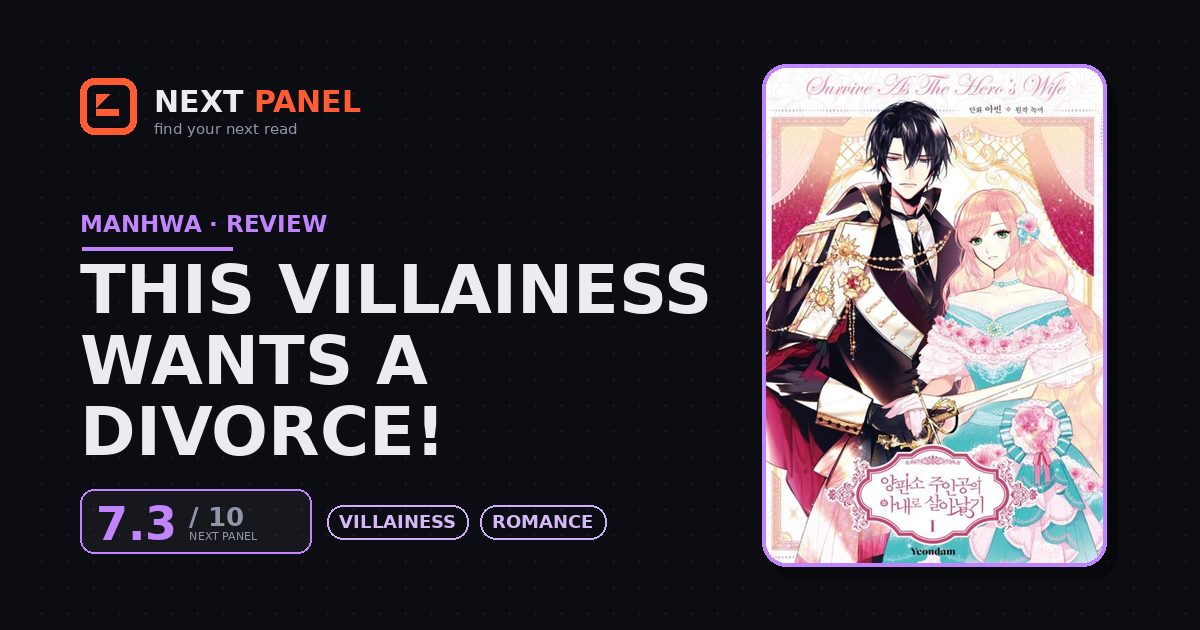
This Villainess Wants a Divorce!
for a much lighter, comedic take on the reincarnated-villainess formula by contrast
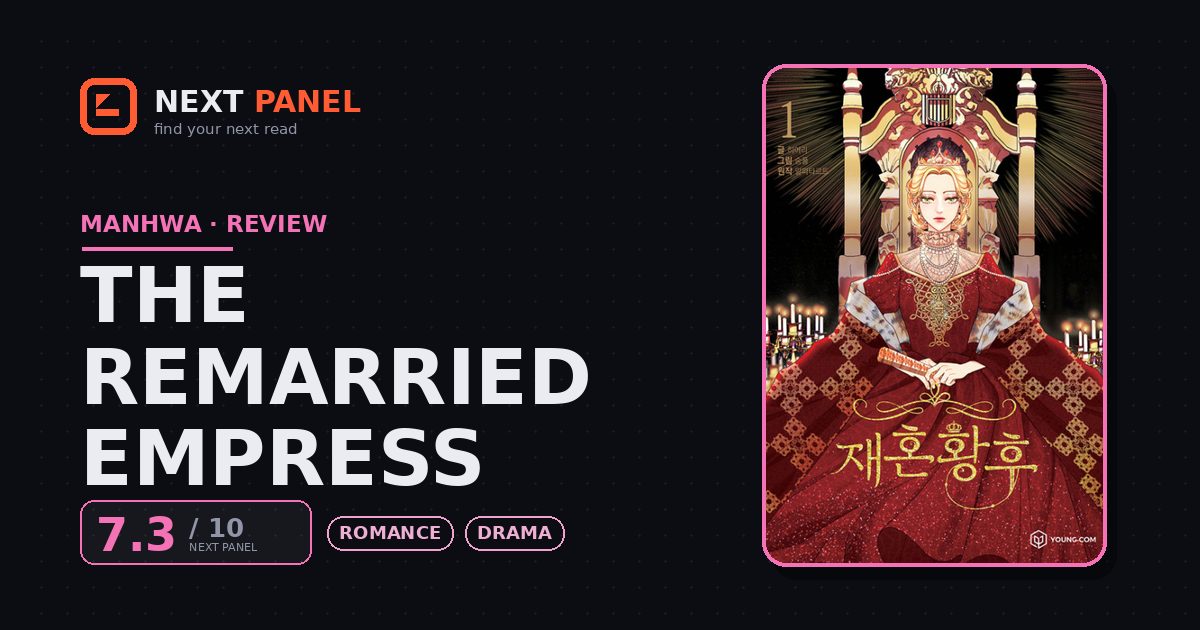
The Remarried Empress
for more court-politics-driven villainess-adjacent drama, with a less intense central relationship
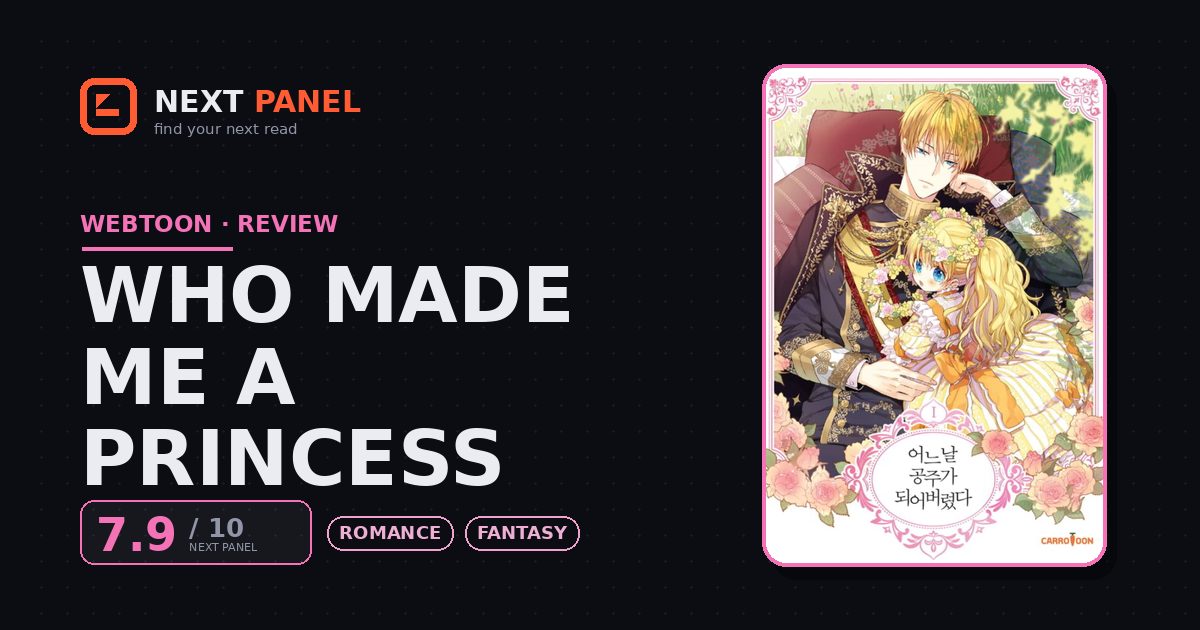
Who Made Me a Princess
for another doomed-role isekai premise, with a gentler emotional register
Where to Read Officially
| Platform | Format | Pricing | Region notes | Link |
|---|---|---|---|---|
| Tapas | Digital chapters | Free + Paid | Region availability varies | Open |
Frequently Asked Questions
Is I Failed to Oust the Villain! finished?
Yes — it's complete at 150 chapters.
Is this a dark or a light villainess story?
Dark. It's built around a possessive, yandere-driven captivity dynamic rather than the lighter comedic tone common in the genre.
Are the R19 side stories necessary to understand the plot?
No — they add extra context and are rated separately, but the main series is complete and coherent on its own.