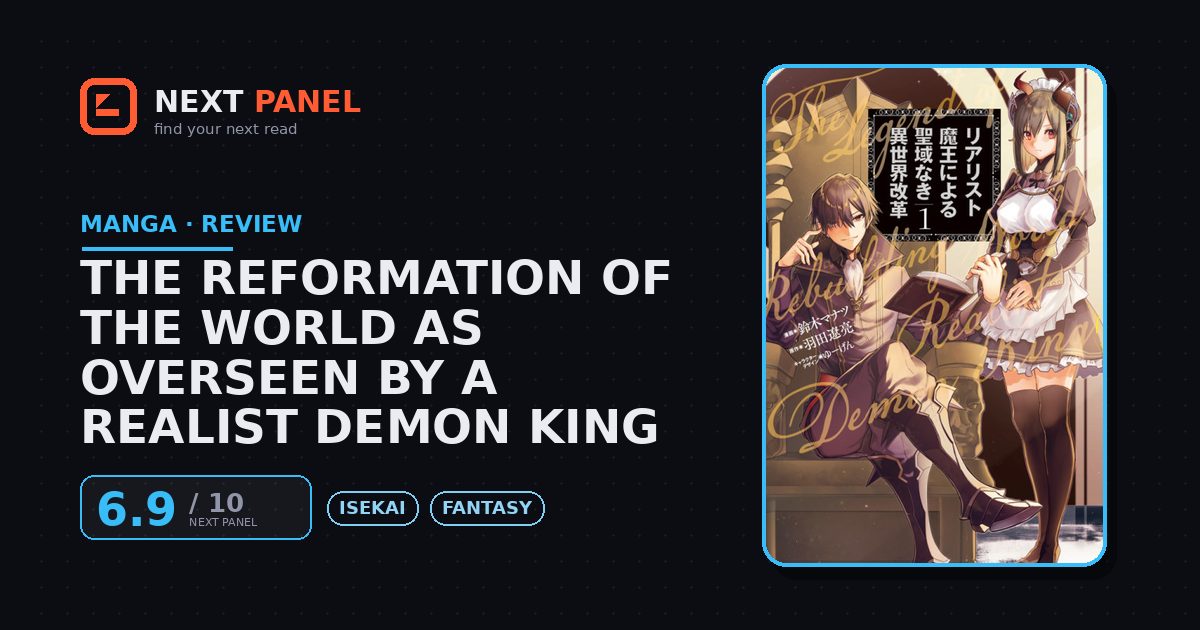
Is The Reformation of the World as Overseen by a Realist Demon King Worth Reading? Review & Where to Read
Quick Answer
With caveats, yes — the scheming-protagonist hook is genuinely fun in the early volumes, though the harem trappings and repetitive structure will wear on readers who don't already like the subgenre.
Quick Verdict
“Astaroth's plans are smarter than the story around him usually deserves.”
Best for: Readers who enjoy a manipulative, plan-ahead protagonist in a low-stakes isekai power fantasy.
Not for: Readers who want a serious political fantasy without harem-adjacent isekai conventions.
- Type
- Manga
- Genres
- Fantasy, Isekai
- Status
- Ongoing
- This review
- Minor Spoilers
- Author
- Ryosuke Hata
- Artist
- Manatsu Suzuki
- Publisher
- Kadokawa (Dengeki Maoh)
- Platform
- Yen Press
| Quick facts | |
|---|---|
| Format | Manga (shōnen) |
| Run | 2019–present · ongoing |
| Community score | AniList 6.8 |
| Content | Fantasy violence, harem-adjacent fanservice |
| Where to read | Yen Press — official |
Overview
Astaroth wakes up in a new world as its 72nd Demon King, handed a vague mandate from a goddess to unite a splintered land under his rule. The catch is that his demon nation is weak, outnumbered, and surrounded by rivals who'd happily crush him the moment he shows any real strength. So instead of building an army and marching to war, Astaroth does something a lot of isekai leads don't bother with: he lies, negotiates, plays factions against each other, and generally treats conquest as a problem to be solved with leverage rather than force.
It's a scheming-protagonist story wearing isekai fantasy clothes, and that framing is what carries most of its appeal.
What it does well
Astaroth himself is the draw. Watching him identify the weakest link in an enemy alliance, manufacture a pretext, and walk away having won a conflict without a single real battle is consistently more interesting than another straightforward power-scaling arc would be. It gives the series a heist-adjacent rhythm — set up the play, watch it land — that most 'reincarnated as an overpowered fantasy ruler' stories don't attempt.
Eve, his demon attendant and closest confidante, gets real comedic footing across the story rather than just orbiting him as harem decoration, and their dynamic is where a lot of the series' best character writing lives. The art supports both registers well, handling Astaroth's quieter scheming scenes and the occasional large-scale fantasy spectacle without either one feeling out of place next to the other.
Where it falls short
The harem trappings are the clearest drag on the material — whenever the story leans into 'growing collection of women around the Demon King' as its own reward rather than as a byproduct of the political plot, the pacing slows and the writing gets noticeably less sharp than it is during the scheming chapters.
The format also repeats itself. Once you've seen Astaroth out-think one faction, later arcs largely run the same play against a new set of rivals, and the surrounding worldbuilding stays thin enough that these confrontations start to feel interchangeable rather than escalating meaningfully.
Verdict
The Reformation of the World as Overseen by a Realist Demon King is at its best when it commits to being a fantasy story about clever manipulation instead of brute strength, and Astaroth is a genuinely fun lead to watch operate. It's held back by genre conventions it leans on more than it needs to, but if you like a schemer protagonist and don't mind harem trappings along the way, it delivers.
Strengths & Weaknesses
Strengths
- Astaroth's approach to conflict — talk your way around a fight before you ever throw a punch — is a consistently entertaining departure from the usual isekai power-fantasy playbook.
- The political maneuvering between rival demon factions gives the story a genre hook beyond just battles, closer to a heist than a war epic in its best stretches.
- Astaroth's core cast, especially Eve, gets real comedic chemistry with him instead of existing purely as harem set dressing.
- The art handles both the scheming character beats and the occasional large-scale fantasy setpiece cleanly.
Weaknesses
- The harem framing pulls focus from the political intrigue periodically, and those stretches read weaker than the scheming-focused chapters.
- The 'clever protagonist out-thinks everyone' structure repeats itself enough across volumes that later arcs feel like variations on the same trick.
- Worldbuilding outside Astaroth's immediate sphere of influence stays fairly thin, existing mostly to give him someone new to outmaneuver.
Similar Titles
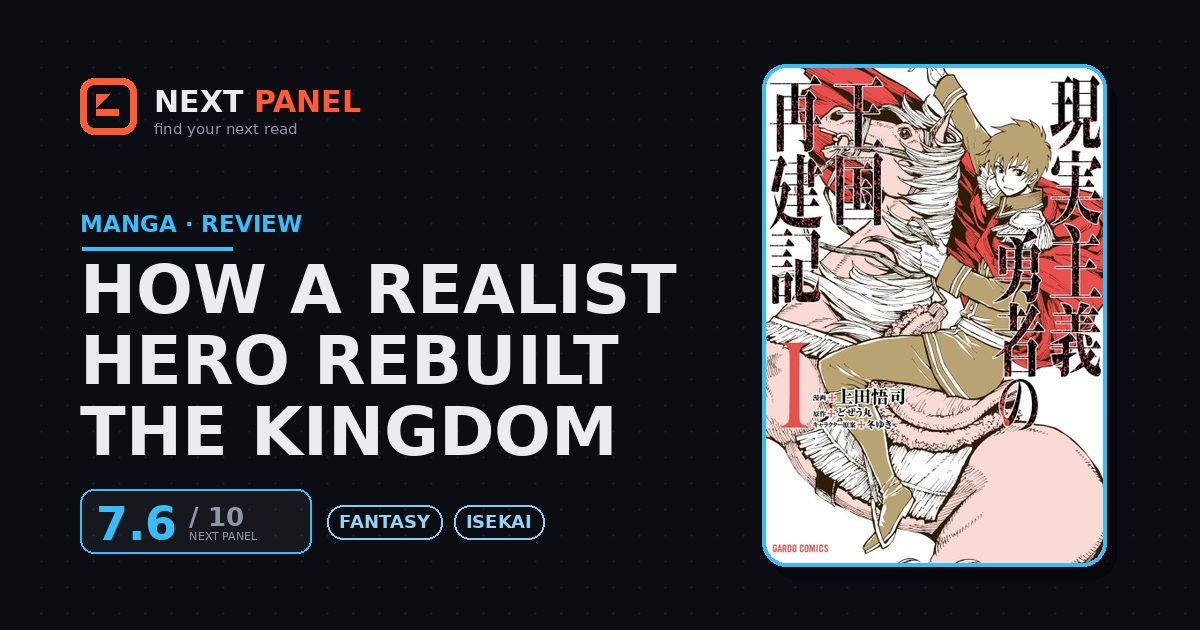
How a Realist Hero Rebuilt the Kingdom
Similarly pragmatic, plan-first protagonist, in a human-kingdom-building rather than demon-realm setting.
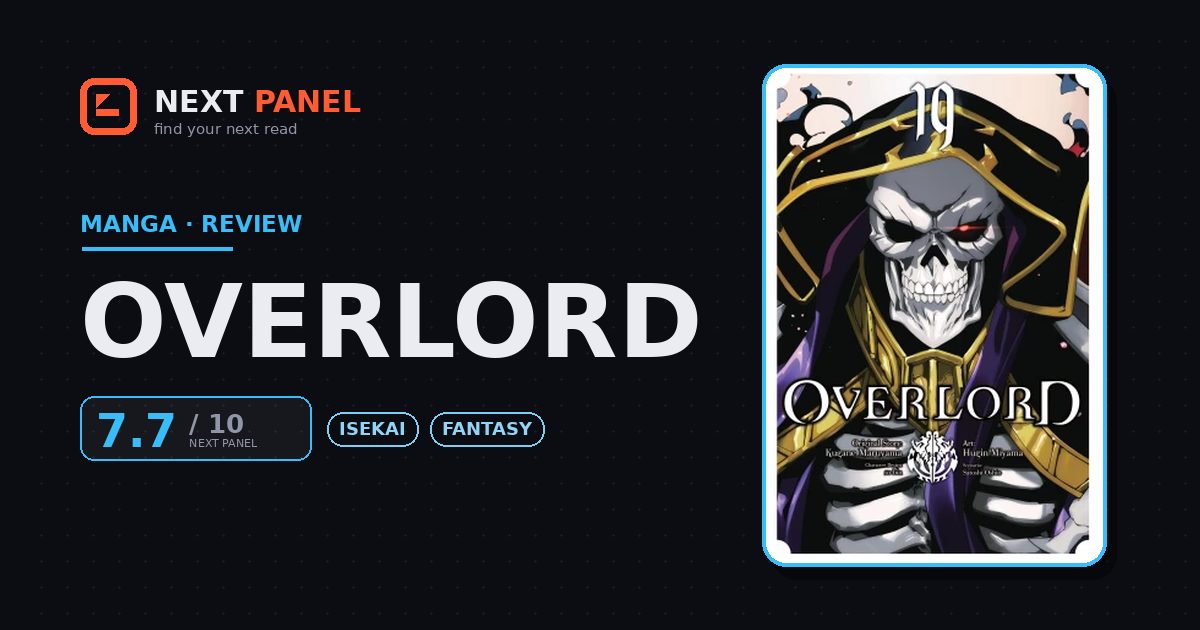
For more overpowered-strategist energy, with a much darker, higher-stakes tone.
If you want a slower, more thoughtful isekai that also treats its fantasy politics seriously.
Where to Read Officially
| Platform | Format | Pricing | Region notes | Link |
|---|---|---|---|---|
| Yen Press | Print & digital volumes | Paid | Region availability varies | Open |
Frequently Asked Questions
Is this a harem series?
It has harem-adjacent elements and a female-heavy main cast, but the romance stays subtle rather than being the story's central focus.
Do you need to know the light novels to follow the manga?
No, the manga adapts the story from the beginning and works as a standalone entry point.
Where can I read it officially in English?
Yen Press publishes the manga in English, in print and digital editions.