Is Tokyo Tarareba Girls Worth Reading? Review & Where to Read
Quick Answer
Yes — it's one of the sharpest josei comedies about adult indecision out there, especially if you want humor that isn't afraid to actually embarrass its leads.
Quick Verdict
“This comedy is willing to make its heroines genuinely unlikable when they deserve it, which is exactly why it works.”
Best for: Readers who want a josei comedy about adult friendship and self-sabotage that isn't afraid to be uncomfortable and a little mean.
Not for: Readers who want a gentle, low-conflict story or leads who are easy to root for from page one.
- Type
- Manga
- Genres
- Romance, Drama
- Status
- Completed
- This review
- Minor Spoilers
- Author
- Akiko Higashimura
- Publisher
- Kodansha
- Platform
- Kodansha
| Quick facts | |
|---|---|
| Format | Manga (josei), 49 chapters, 9 volumes |
| Run | 2014–2017 · completed |
| Community score | AniList 7.1 |
| Where to read | Kodansha — official |
Overview
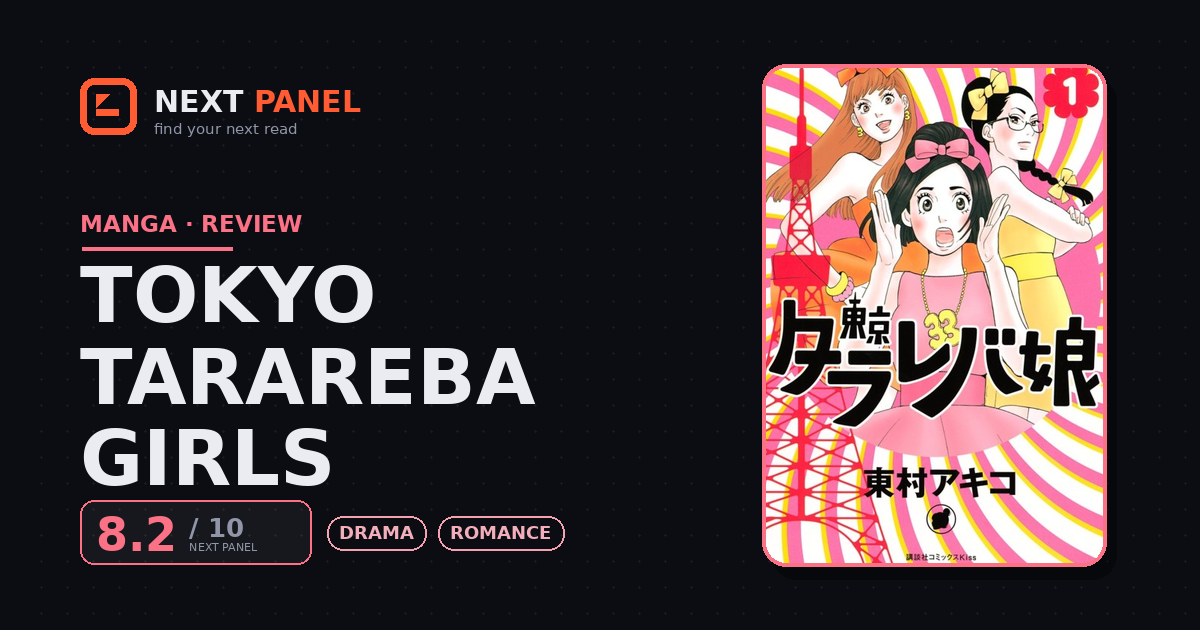
Rinko, Kaori, and Koyuki are three lifelong friends who've spent their careers doing fine and their love lives doing nothing at all, always with a reason ready: if only work weren't so busy, if only the right guy showed up, if only the timing were better. On the night they turn 33, a talking chicken drumstick shows up to tell them, bluntly, that they're the ones holding themselves back. What follows is a comedy about three women forced to actually look at the choices they've been avoiding.
What it does well
The best decision this manga makes is refusing to make its leads likable by default. Rinko, Kaori, and Koyuki are given real, specific flaws — pride, defensiveness, a habit of undermining their own chances and then blaming everyone else — and the story lets them be genuinely frustrating when they earn it. That's a harder thing to pull off in a comedy than it sounds, because it means some of the funniest scenes are also the most cringe-inducing, and Higashimura doesn't flinch from either.
The title concept — tarareba, roughly "if only" — gives the satire a sharp, specific target. This isn't a vague story about "finding yourself"; it's about the exact mental tricks people use to avoid taking a real risk, and the manga is very good at naming those tricks out loud through its cast. The humor is broad and exaggerated, but it's aimed at something true, which is why it lands harder than it has any right to.
Higashimura's art carries both ends of that tone. The comedic faces are big and cartoonish when the scene calls for it, but she can pull back into something quieter and more vulnerable without the shift feeling jarring — a skill that shows up across her other work too.
Where it falls short
The trio's self-sabotage is the engine of the story, but it also means watching the same kinds of mistakes recur across arcs, and there are stretches where that repetition reads more like stalling than escalation. A few of the men who orbit the main three are thin by comparison — useful as mirrors for the leads' issues, but not given much of an inner life of their own.
The exaggerated comedic register is also a real taste barrier. If you want your adult relationship drama played straight and grounded, the broad humor here will feel like it's undercutting its own emotional stakes rather than sharpening them.
Verdict
Tokyo Tarareba Girls earns its reputation by being willing to let its heroines be difficult, petty, and wrong — and then making you laugh at exactly how familiar that is. It repeats itself in places, but the satire is sharp enough, and the cast honest enough, to make it one of the better adult comedies about finally deciding to want something.
Strengths & Weaknesses
Strengths
- Rinko, Kaori, and Koyuki are written with genuine flaws — self-sabotaging, defensive, sometimes cruel to each other — instead of being softened into easy-to-like leads.
- The satire of "if only" thinking (the tarareba of the title) is sharp and specific, skewering the exact excuses people make to avoid taking a real risk.
- The humor is willing to embarrass its cast rather than protect them, which gives even the broadest gags real teeth.
- Higashimura's art sells both the comedy's exaggerated faces and the quieter, more vulnerable scenes without the tone ever feeling mismatched.
Weaknesses
- The leads' bad decisions repeat across arcs in ways that can feel like the story stalling rather than deepening its point.
- A few of the romantic interests are underwritten next to the core trio, existing mainly to trigger the next round of self-reflection.
- The comedy's exaggerated register won't land for readers who want a straighter, more grounded drama.
Similar Titles
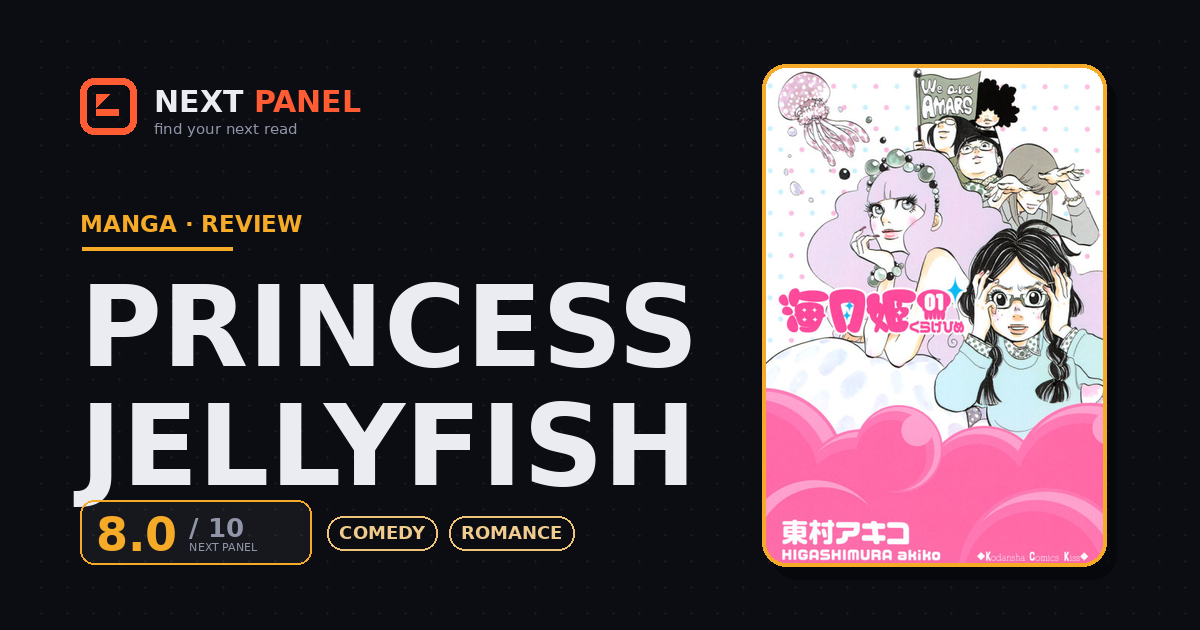
Higashimura's other major work — same willingness to let its women be awkward and unglamorous on the way to genuine growth.
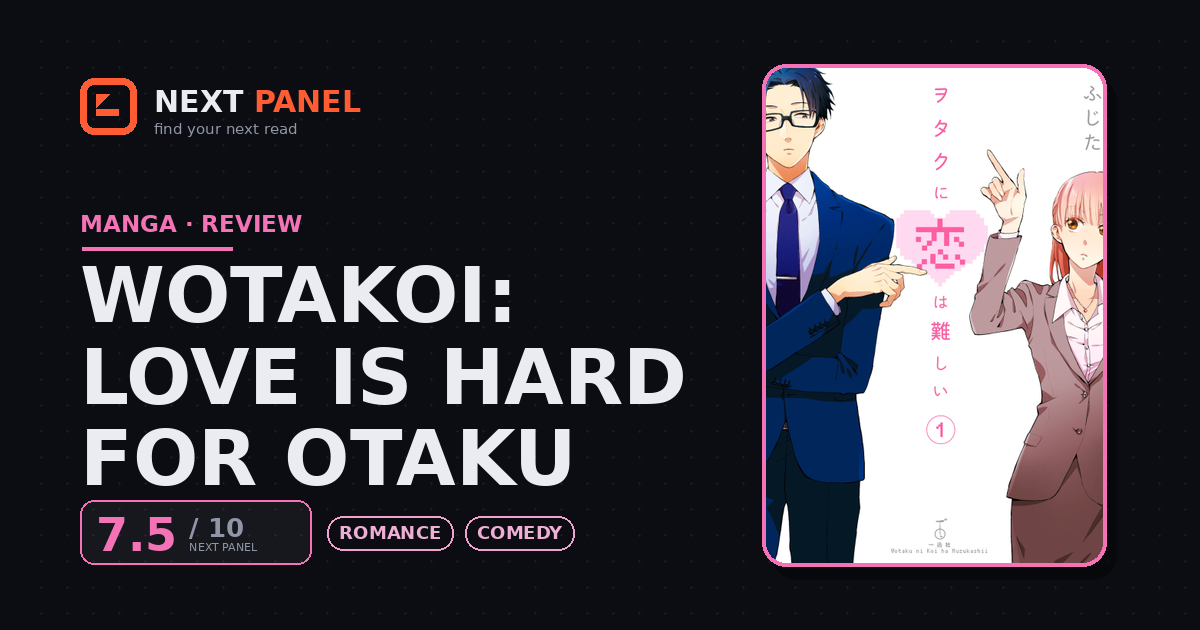
Wotakoi: Love is Hard for Otaku
Another adult-relationships comedy that finds humor in characters who are bad at being honest with themselves.
Where to Read Officially
| Platform | Format | Pricing | Region notes | Link |
|---|---|---|---|---|
| Kodansha | Print & digital volumes | Paid | Region availability varies | Open |
Frequently Asked Questions
Is Tokyo Tarareba Girls finished?
Yes, the original series is complete at 9 English volumes, with a sequel season also fully released.
Is this a romance manga?
It has romantic threads, but it's more accurately a comedy-drama about three friends confronting the excuses they've been making for years.
Do I need to read Princess Jellyfish first?
No, they're unrelated stories by the same creator — you can start with either one.