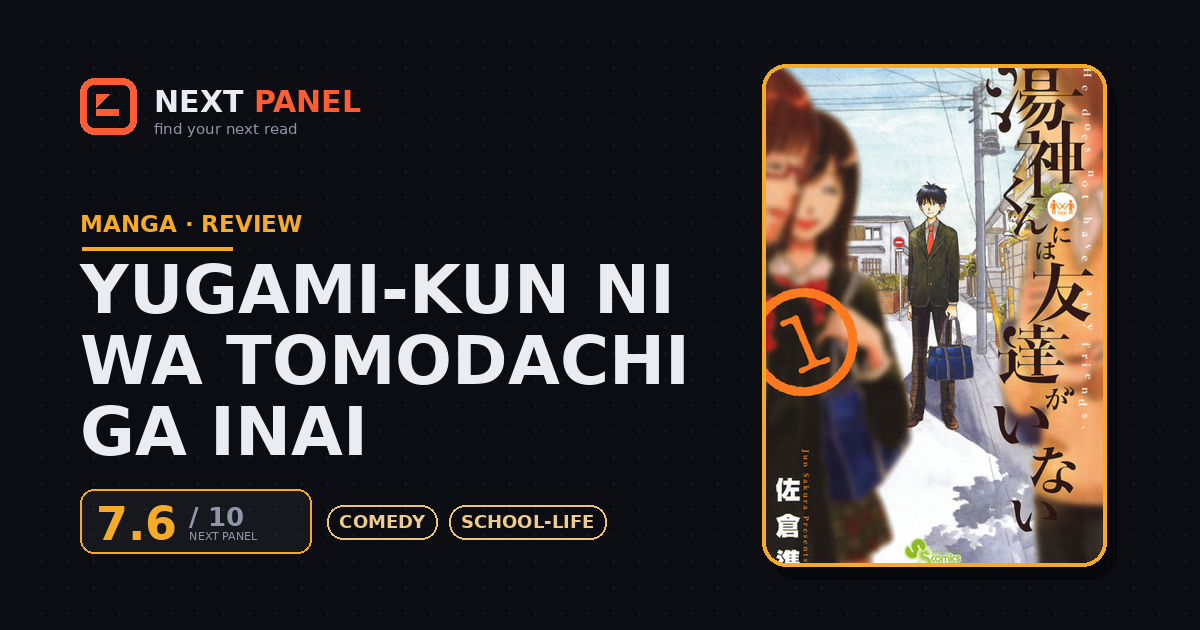
Is Yugami-kun ni wa Tomodachi ga Inai Worth Reading? Review & Where to Read
Two completely opposite philosophies about friendship keep colliding in the same classroom, and the comedy never runs out of new angles to hit that collision from.
Spoiler-light · Honestly rated
Every review labels its spoiler level, separates art from writing, and ends with an official way to read.
We use the whole 1–10 scale and judge each title against the best version of what it is trying to be — a comedy on how funny it is, a thriller on its tension — not against some other genre. As a rough guide: 9+ is all-time great, 8 excellent, 7 a solid recommendation with caveats, 5–6 mixed or average. A 7 is a genuine yes, not a knock. The “Community score” in each review is the crowd rating from AniList, MAL, and MangaUpdates, shown next to ours for comparison.
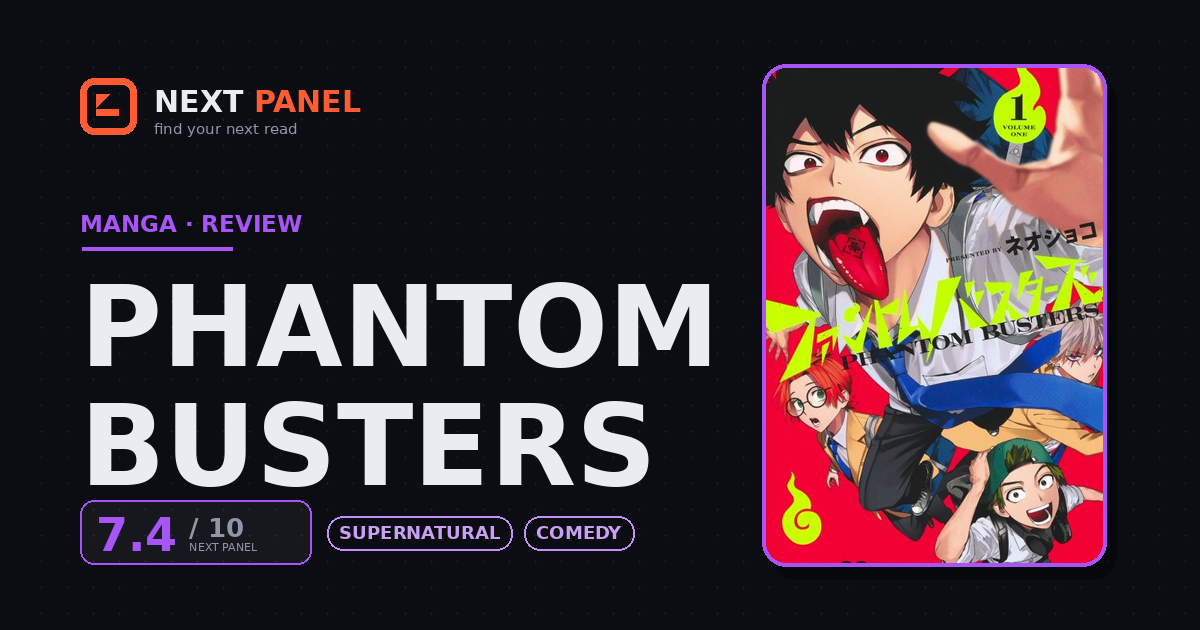
It borrows a familiar exorcist-club shonen shape, then fills it with characters funny enough that the familiarity stops mattering after a chapter or two.

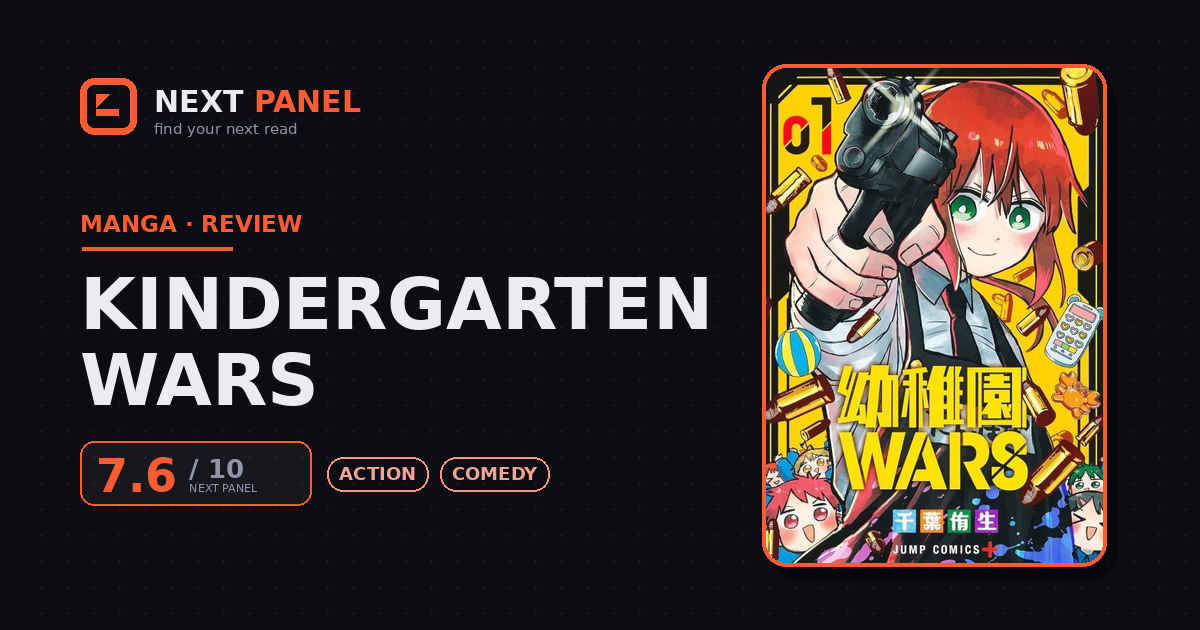
Watching someone this dangerous take classroom duty completely seriously is funny on its own, and the manga backs it up with action that doesn't feel like an afterthought.

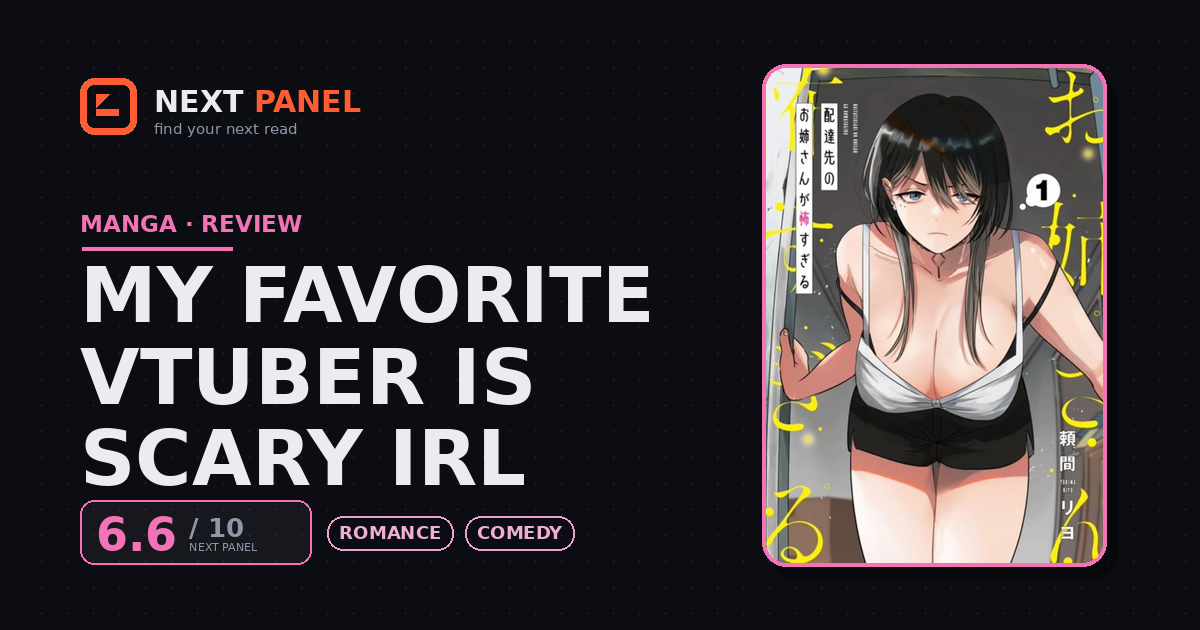
Recognizing your favorite VTuber's voice coming out of the scary regular customer you deliver food to is a genuinely funny setup, and the manga gets real mileage out of the lead trying to act normal about it.

Dropping a chef into a world of dragons and war, then having him open a restaurant instead of picking up a sword, is a small enough swerve on isekai formula to feel genuinely fresh.

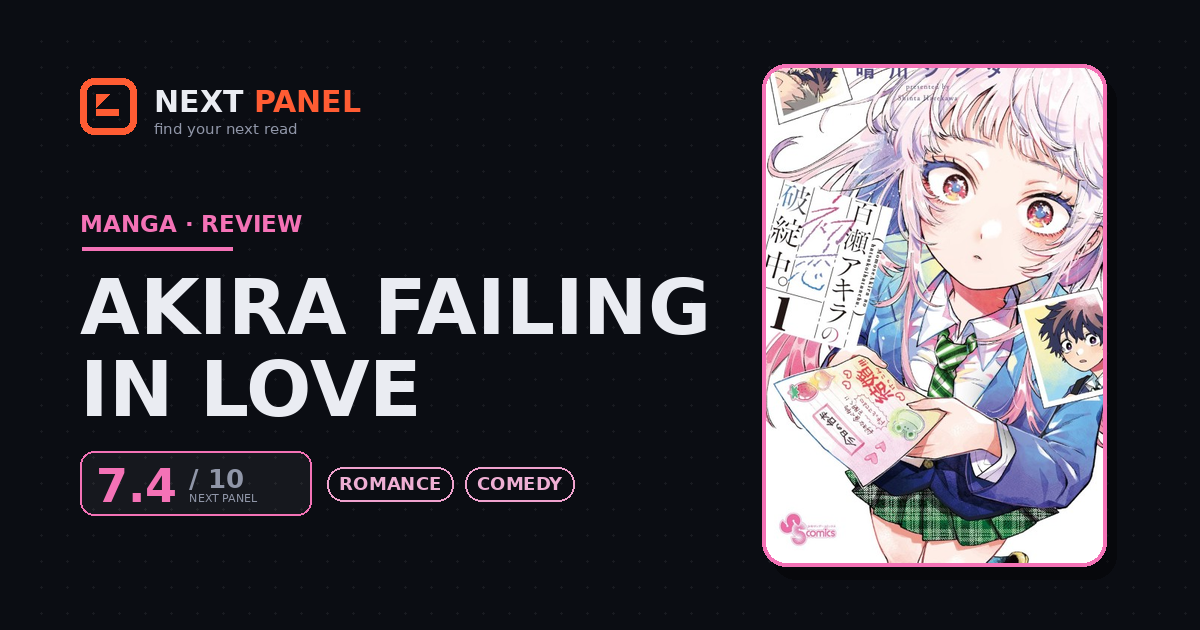
Akira and Hajime are both painfully bad at reading the same obvious feelings, and the manga is smart enough to actually let their relationship move instead of stalling it out.

Minato is pouring his heart out to the same girl twice without realizing it, and the manga milks that gap for exactly as long as it should and no longer.

Uehara and Niina are both terrible at romance and terrible at writing it, and watching them fake their way through both at once is the actual joke.

Sana barrels into everyone's problems whether they want her to or not, and Kodocha is at its best when that chaos runs headfirst into something genuinely sad.

Liam tries so hard to be a tyrant and keeps accidentally running a great planet instead, and that gap is funnier for longer than it has any right to be.

Haru and Shizuku fight, misread each other, and circle the same handful of feelings for volumes at a time, and somehow it still reads as one of the more honest teen romances out there.