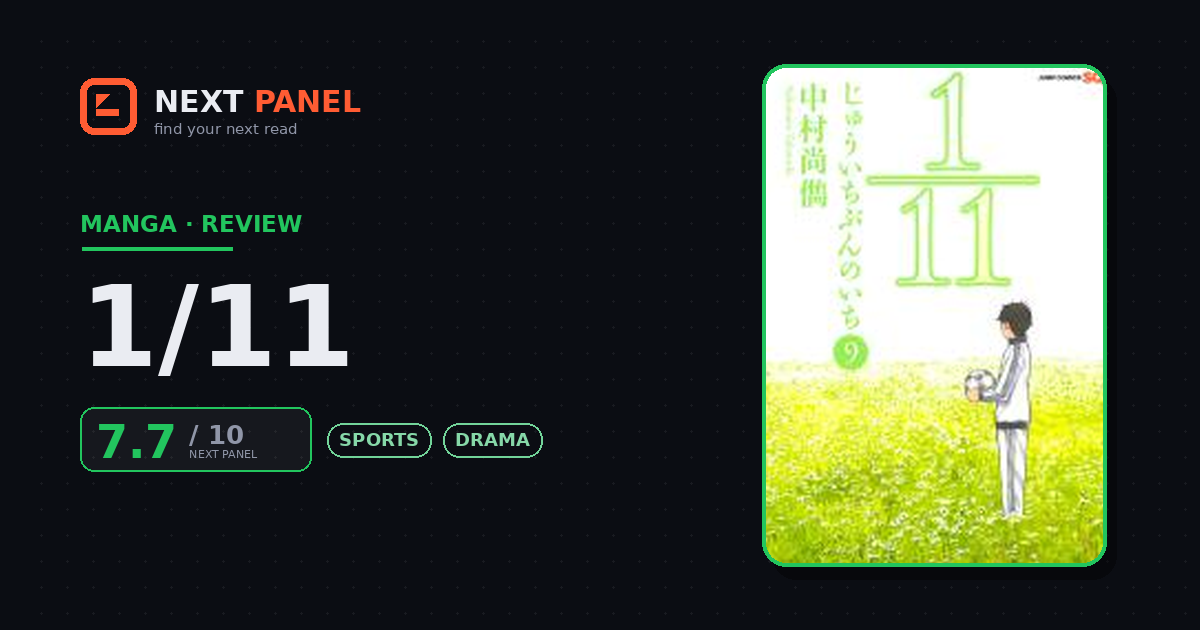
Manga7.7Minor SpoilersCompleted
Is 1/11 Worth Reading? Review & Where to Read
Barely shows you its own hero, and somehow that's exactly what makes this soccer manga work.
Spoiler-light · Honestly rated
Every review labels its spoiler level, separates art from writing, and ends with an official way to read.
We use the whole 1–10 scale and judge each title against the best version of what it is trying to be — a comedy on how funny it is, a thriller on its tension — not against some other genre. As a rough guide: 9+ is all-time great, 8 excellent, 7 a solid recommendation with caveats, 5–6 mixed or average. A 7 is a genuine yes, not a knock. The “Community score” in each review is the crowd rating from AniList, MAL, and MangaUpdates, shown next to ours for comparison.
Stunning, white-knuckle rescue sequences undercut only by how hard it is to actually read the whole thing in English.
Seven volumes is exactly the right length for this story, and it uses every one of them well.
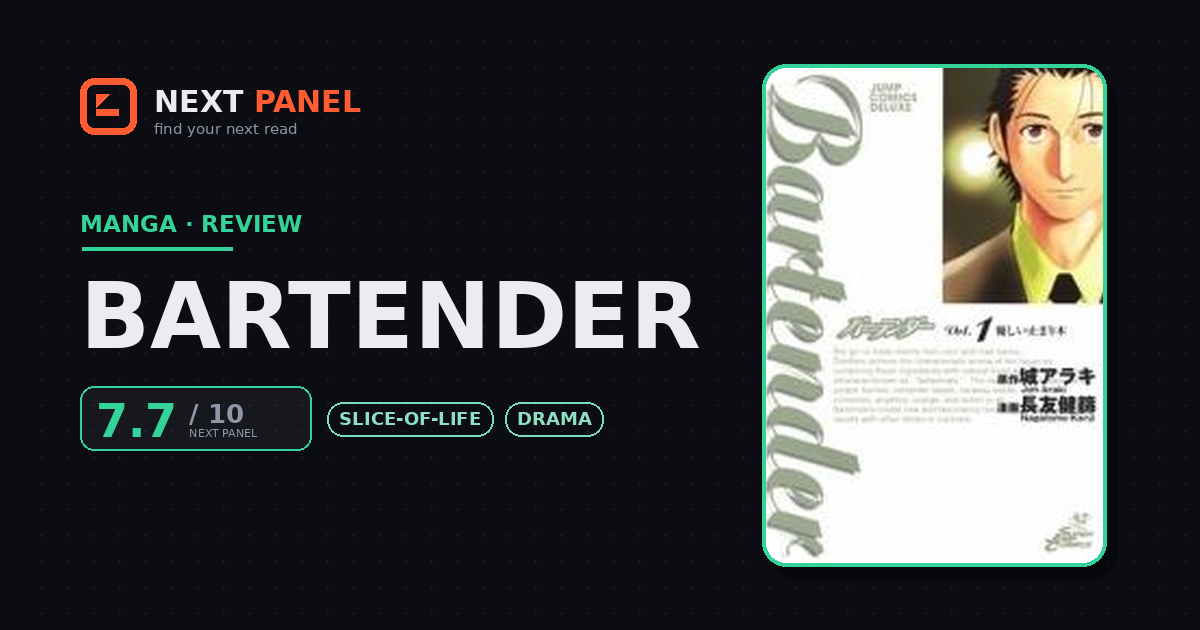
It's basically comfort food in manga form, and it knows exactly what it's doing with that.
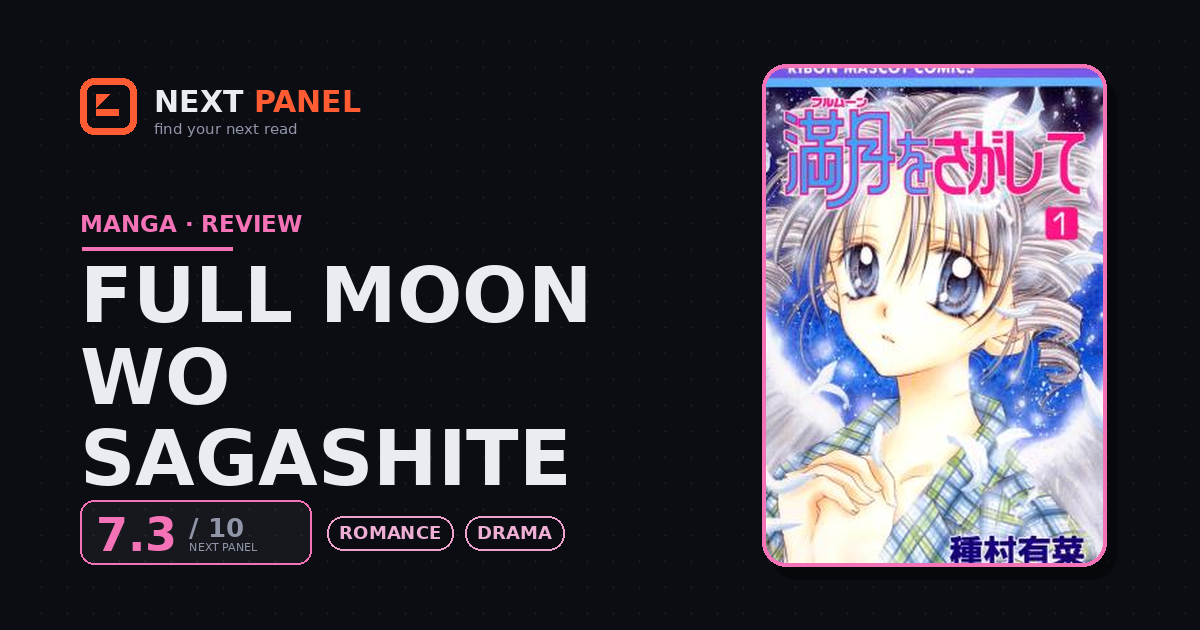
It leans hard into melodrama, but it's melodrama with real emotional follow-through, not just manipulation.

The time-travel hook gets you in the door; the honest medical stakes are why you stay for twenty volumes.

The setup is a familiar one — stolen birthright, years abroad, a return built for payback — and the execution mostly plays it exactly as straight as that description suggests.
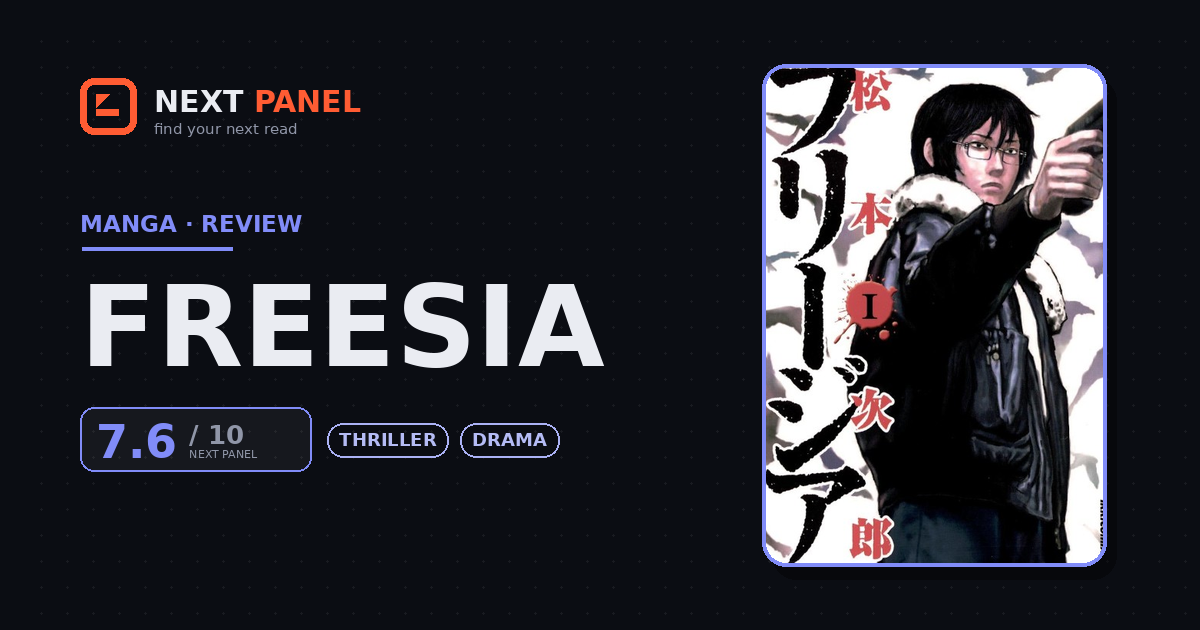
Ugly on purpose and better for it — Freesia is one of the meanest, most convincing 'legalized violence' premises in manga, but it earns every bit of its content warning.

This comedy is willing to make its heroines genuinely unlikable when they deserve it, which is exactly why it works.
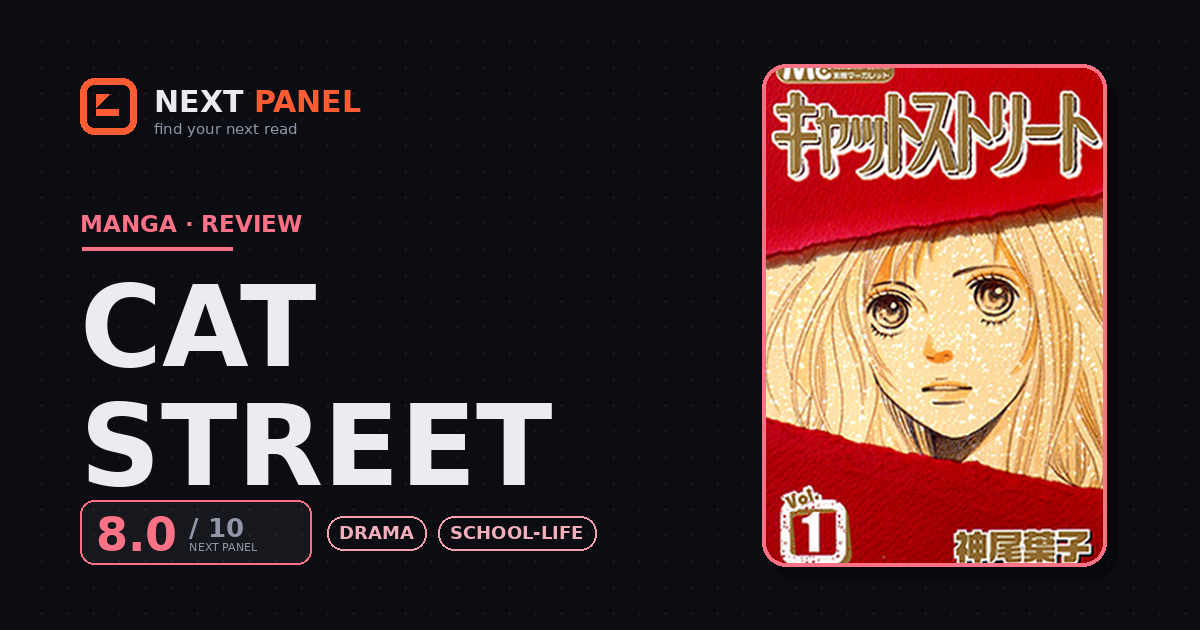
Crawling back from burnout, told with real patience — until the pacing trips over itself in the later chapters.