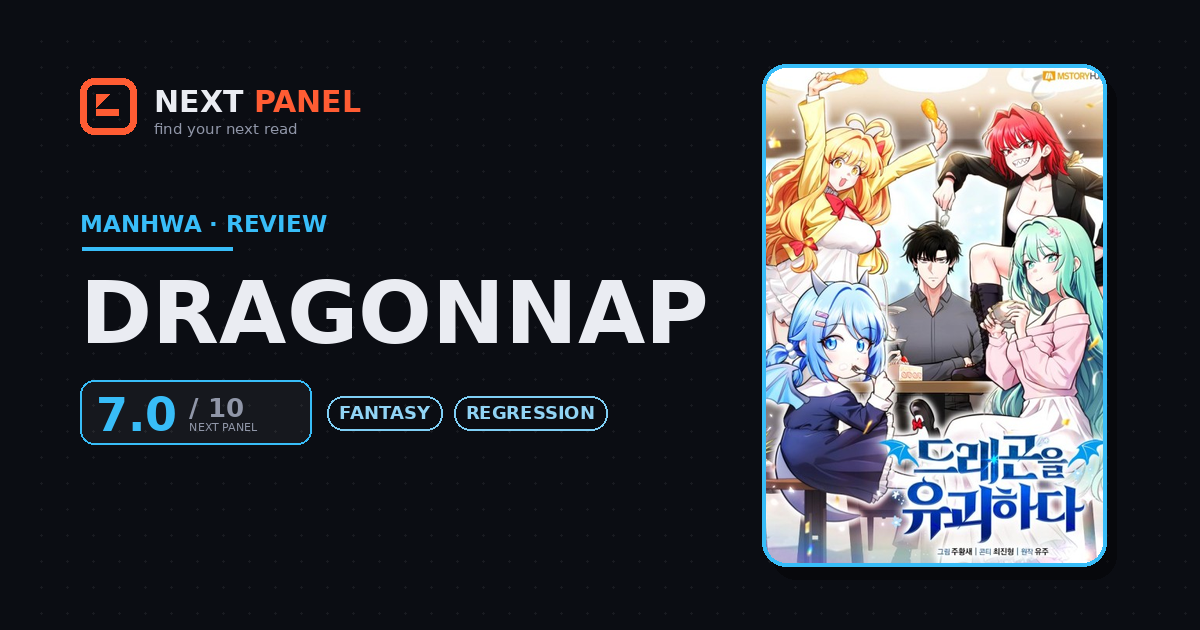
Manhwa7.0Minor SpoilersOngoing
Is Dragonnap Worth Reading? Review & Where to Read
The joke of a battle-hardened regressor becoming an exhausted, overprotective guardian to four world-ending dragons is stronger than it has any right to be.
Spoiler-light · Honestly rated
Every review labels its spoiler level, separates art from writing, and ends with an official way to read.
We use the whole 1–10 scale and judge each title against the best version of what it is trying to be — a comedy on how funny it is, a thriller on its tension — not against some other genre. As a rough guide: 9+ is all-time great, 8 excellent, 7 a solid recommendation with caveats, 5–6 mixed or average. A 7 is a genuine yes, not a knock. The “Community score” in each review is the crowd rating from AniList, MAL, and MangaUpdates, shown next to ours for comparison.
Name the actual selling point: a hidden-power premise applied to celebrity culture instead of combat, and it's more fun than that sounds.
Makes its lead's three lost years an actual obstacle to claw back from rather than a throwaway detail before the power fantasy starts.
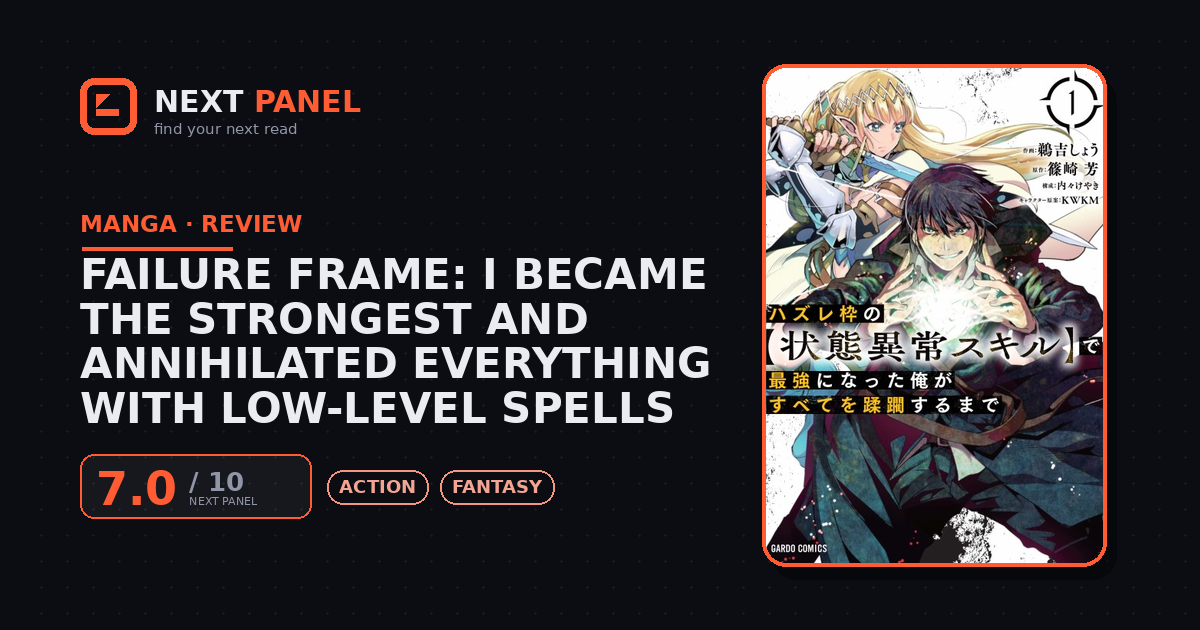
Treats its opening betrayal as the whole point rather than a speed bump, and Touka's slow-burn payback is better for it.
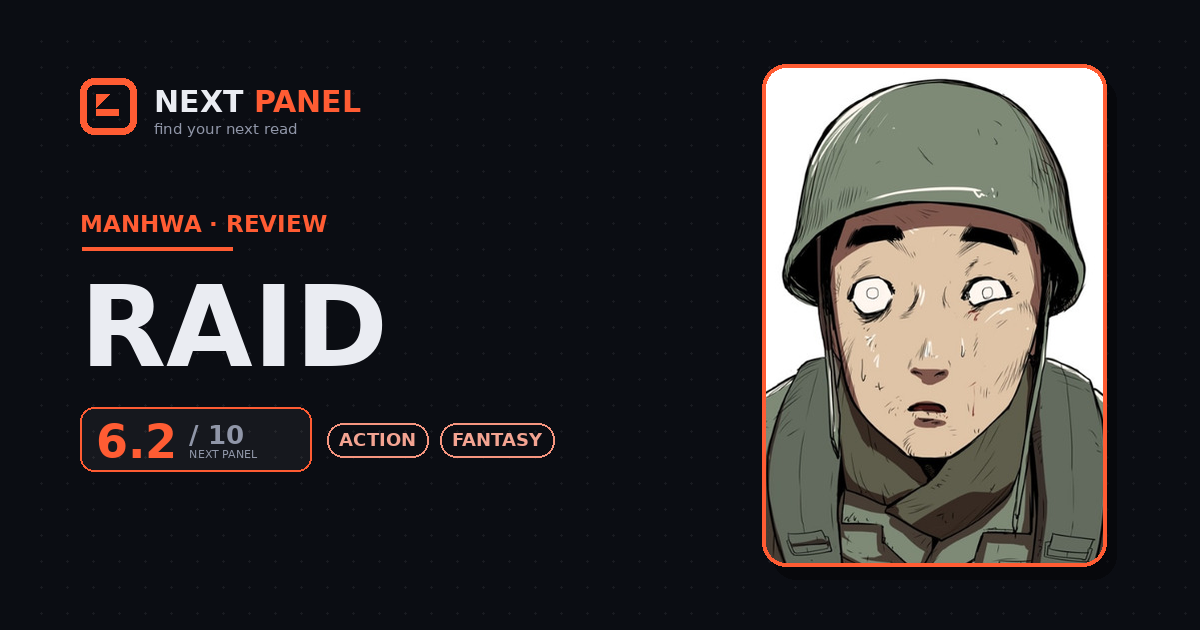
Delivers on demon-fighting spectacle more reliably than it delivers on giving its lead an actual personality outside of combat.
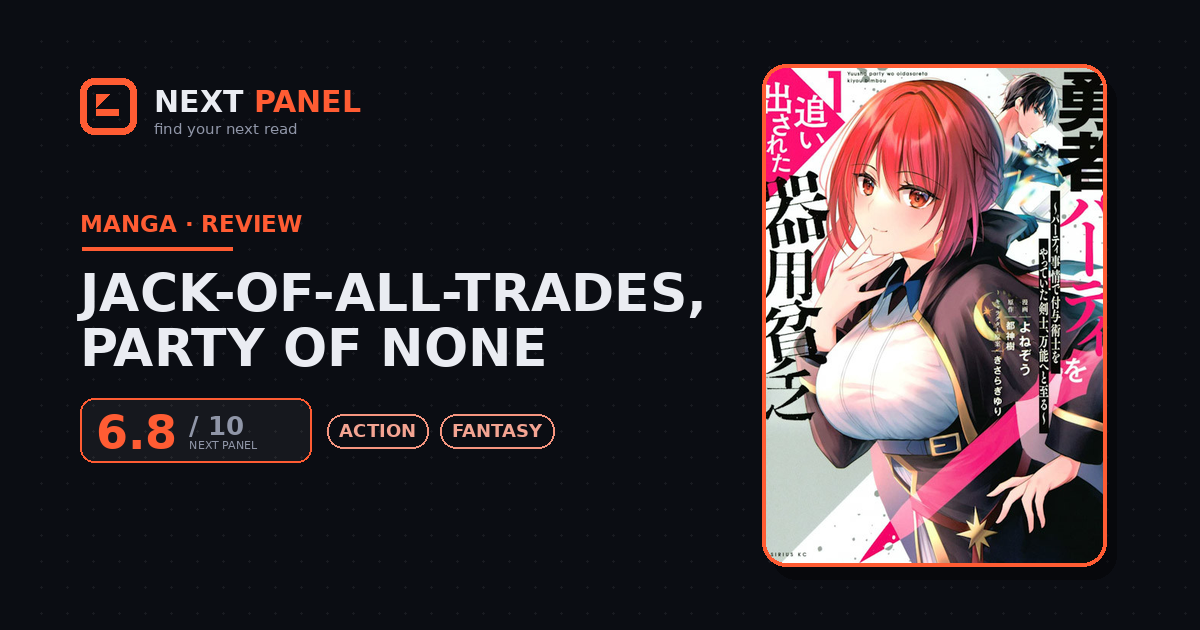
Orhun spends less time monologuing about being underestimated than most of this subgenre, and the fights are sharper for it.
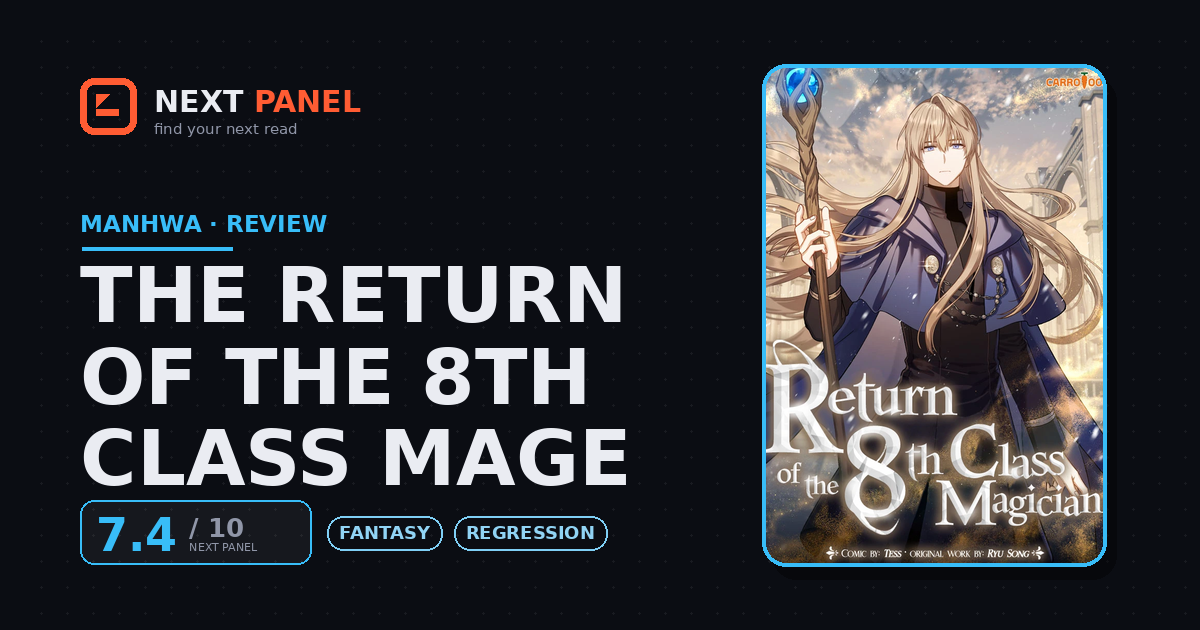
The Return of the 8th Class Mage runs on a familiar betrayal-then-second-chance premise, but executes it with real precision: Ian's foreknowledge is used deliberately, the antagonist feels earned, and the story actually commits to finishing its arc instead of escalating indefinitely.
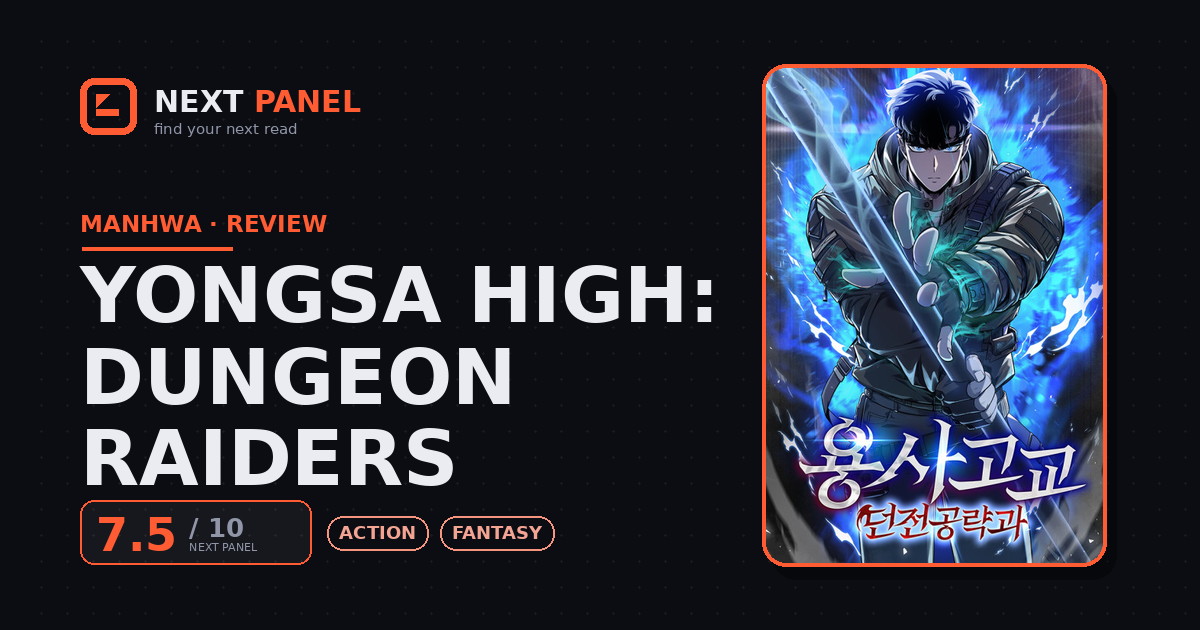
Yongsa High: Dungeon Raiders runs on a familiar poor-secretly-strong-student premise. The specific mystery behind Yoo Jaryong's father's disgrace and Mun-Sik's grounded character writing keep it from feeling like a genre placeholder.
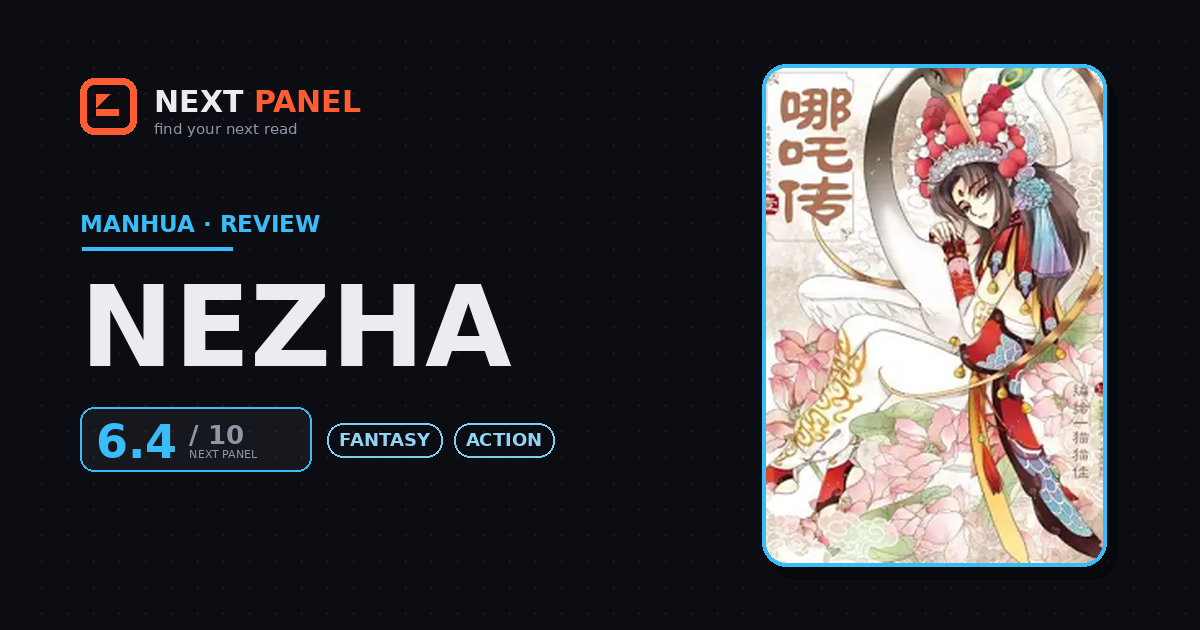
This retelling stays faithful to a genuinely dramatic myth — it just doesn't have the length to fully develop everyone around its lead.
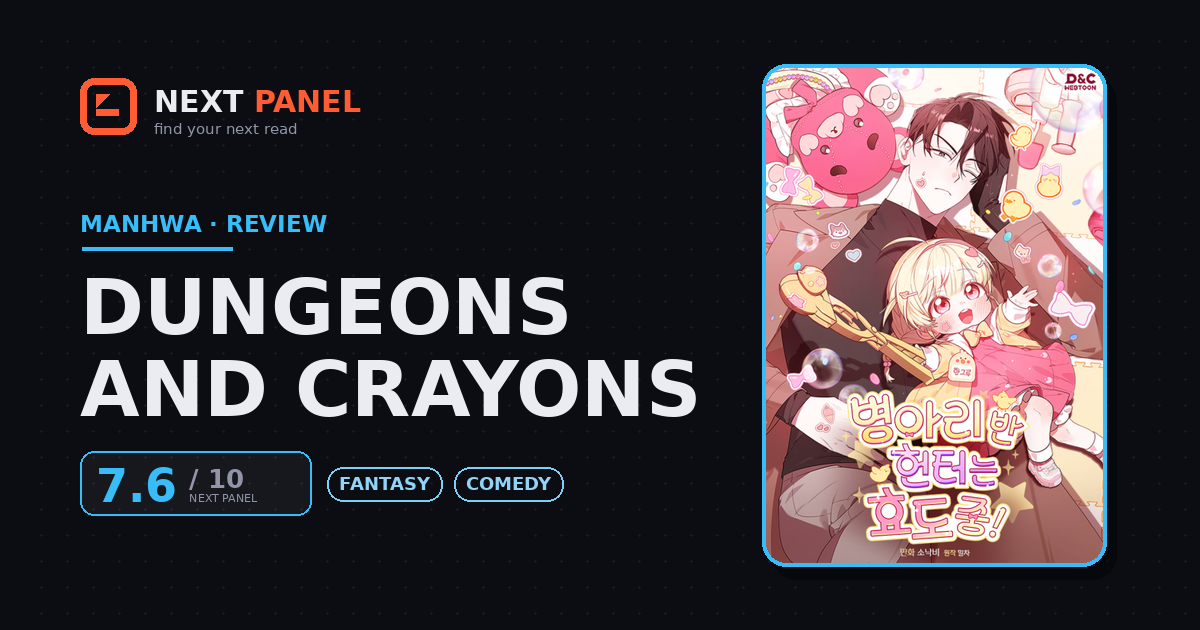
It's sweeter than most hunter manhwa and sadder than most childcare stories, and splitting the difference is exactly what makes it work.
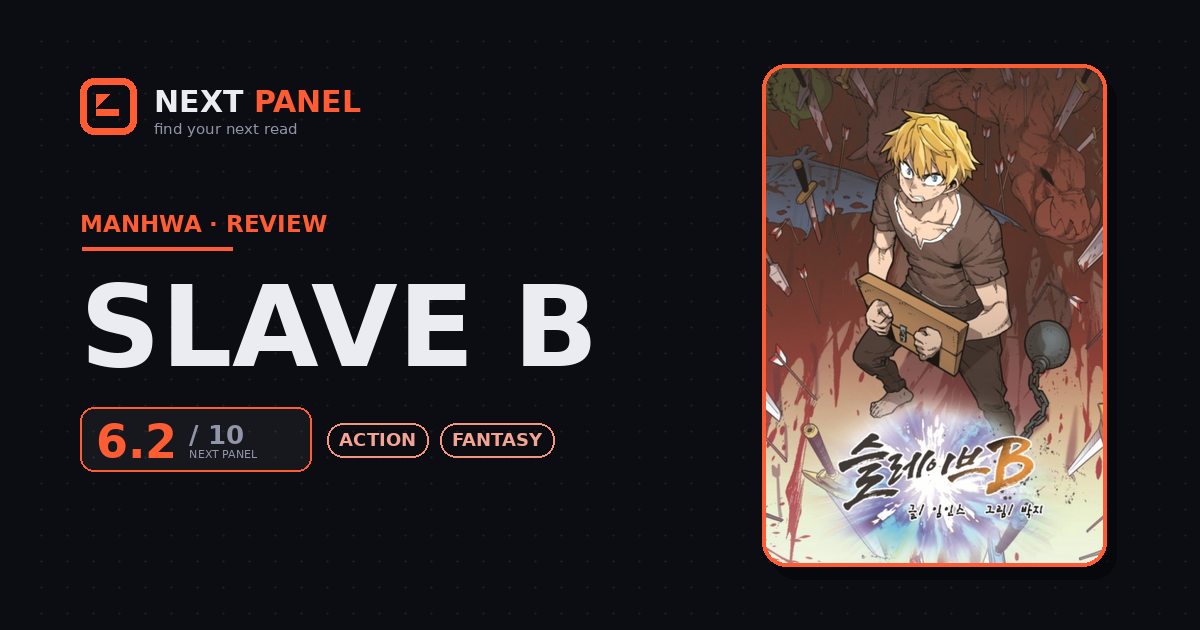
The first twenty chapters hit hard. After that, the plot leans on repetition and a soap-opera love triangle that undercuts the characters it built up.