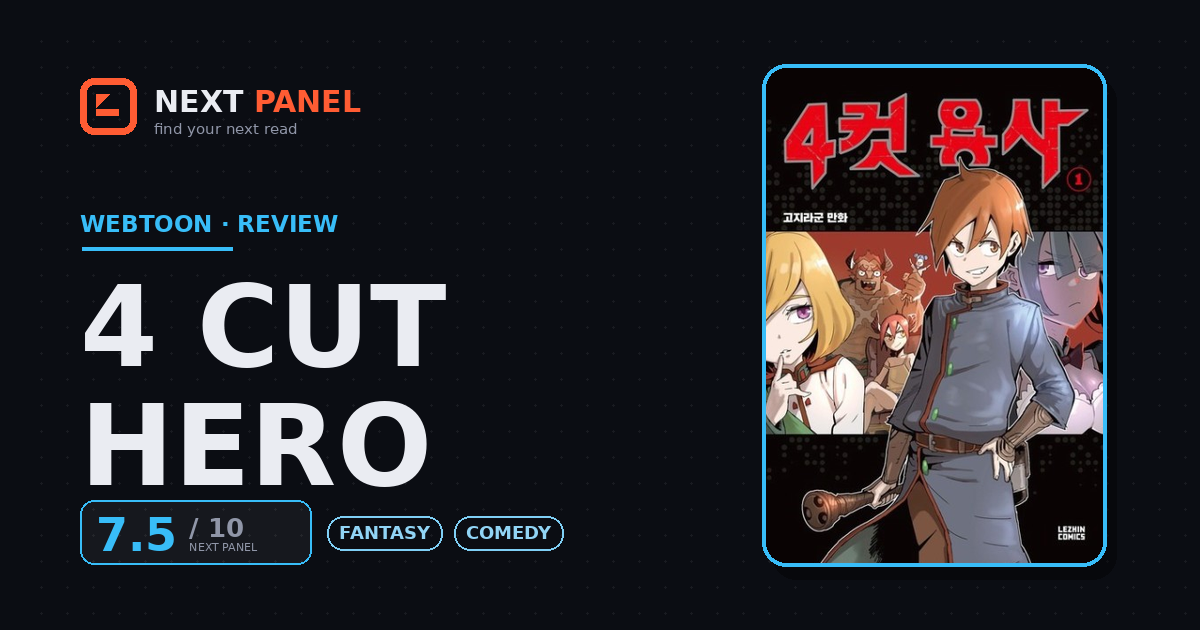
Webtoon7.5Minor SpoilersCompleted
Is 4 Cut Hero Worth Reading? Review & Where to Read
The joke is that saving the world doesn't come with a pension, and 4 Cut Hero somehow turns that into a genuinely plotted fantasy epic.
Spoiler-light · Honestly rated
Every review labels its spoiler level, separates art from writing, and ends with an official way to read.
We use the whole 1–10 scale and judge each title against the best version of what it is trying to be — a comedy on how funny it is, a thriller on its tension — not against some other genre. As a rough guide: 9+ is all-time great, 8 excellent, 7 a solid recommendation with caveats, 5–6 mixed or average. A 7 is a genuine yes, not a knock. The “Community score” in each review is the crowd rating from AniList, MAL, and MangaUpdates, shown next to ours for comparison.
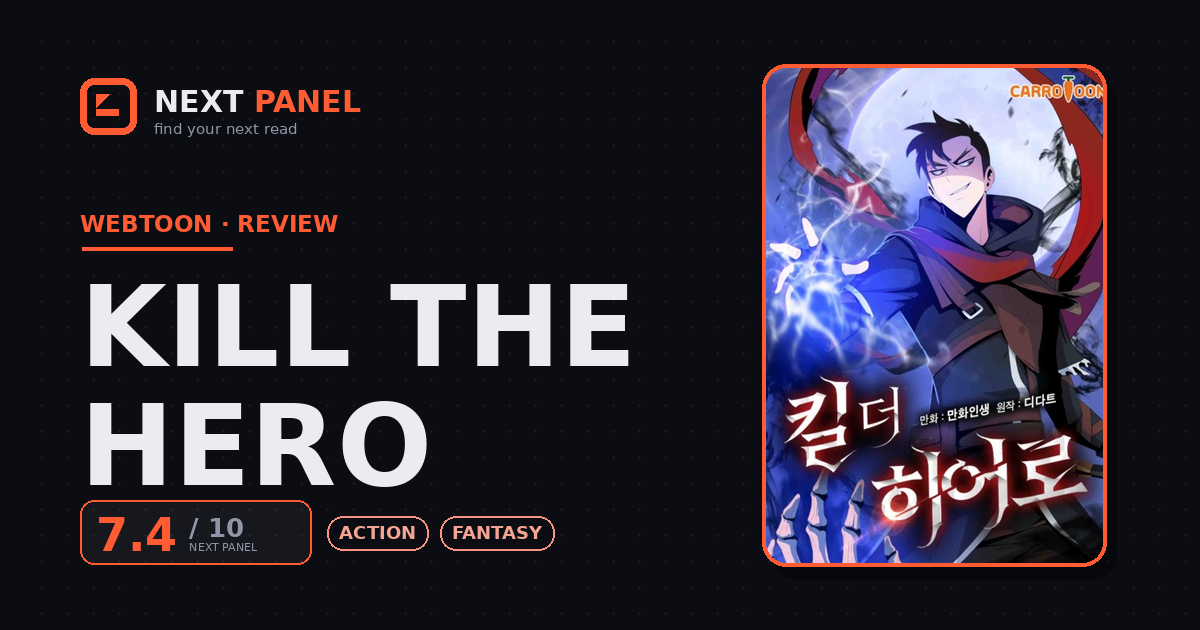
Woojin spends most of this story letting everyone underestimate him, and watching that plan click into place is more satisfying than the revenge-plot logline suggests.
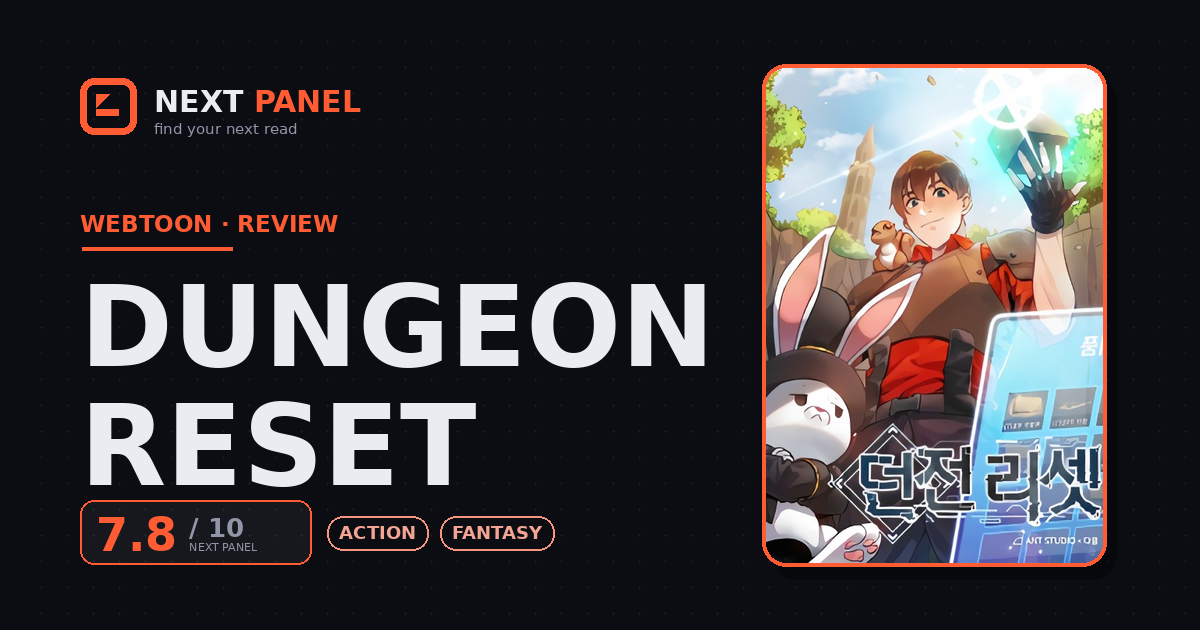
Rare for this genre: a glitch-powered underdog story that actually finishes what it starts.
Jio isn't chasing power for its own sake, he's trying to actually help people while piecing together his own death, and that gives the anthology structure real emotional throughline instead of feeling episodic for its own sake.

The time-loop structure does real work here instead of just padding chapters, and that's what separates it from the average time-loop isekai.
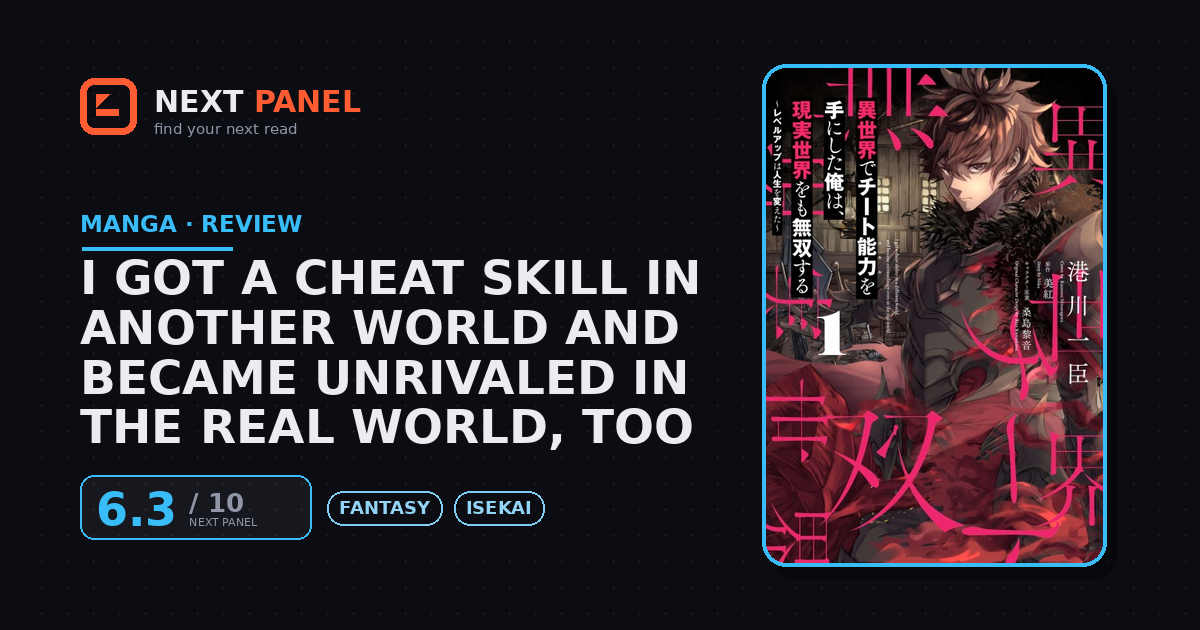
Yuya's payback against the people who wronged him is the real draw here, and the manga knows it — the other-world training arc is just the setup for the satisfying part.
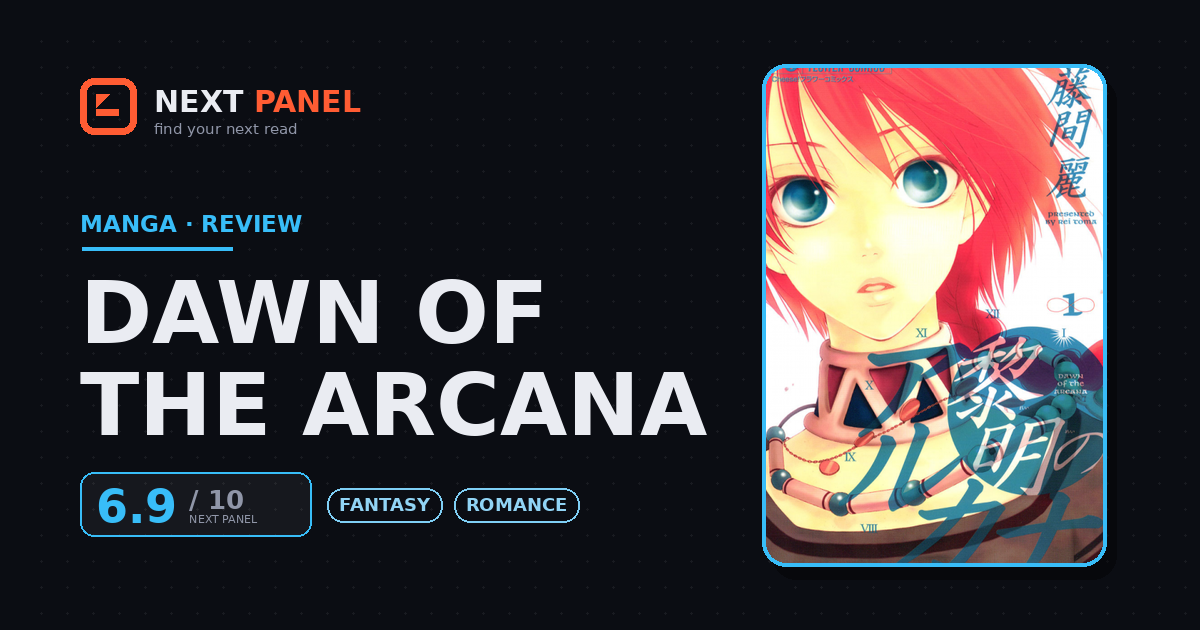
Nakaba's stubborn refusal to play the passive hostage is what carries this past its rocky start, and the fantasy politics around her give the romance actual stakes instead of just melodrama.
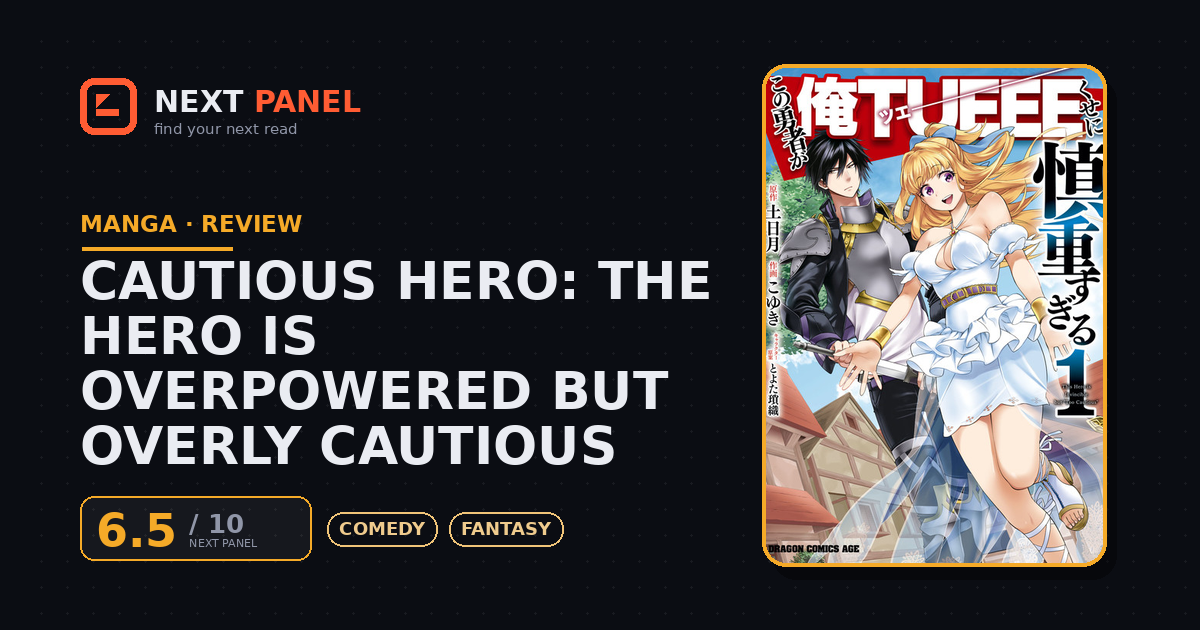
Seiya's paranoia stops being an obstacle to his strength and starts being the joke itself, and once you accept that's the whole show, it's a quick, entertaining read.
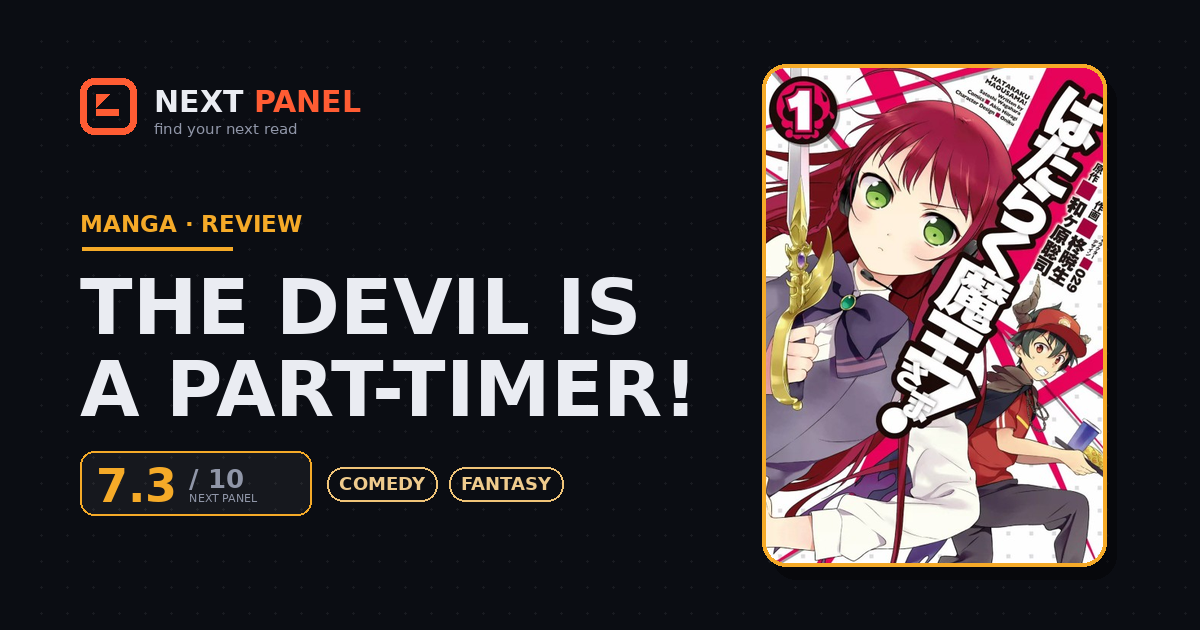
The fish-out-of-water joke never really escalates past 'demon lord worries about his part-time shift schedule' — and that's fine, because the joke was always going to be the whole show.
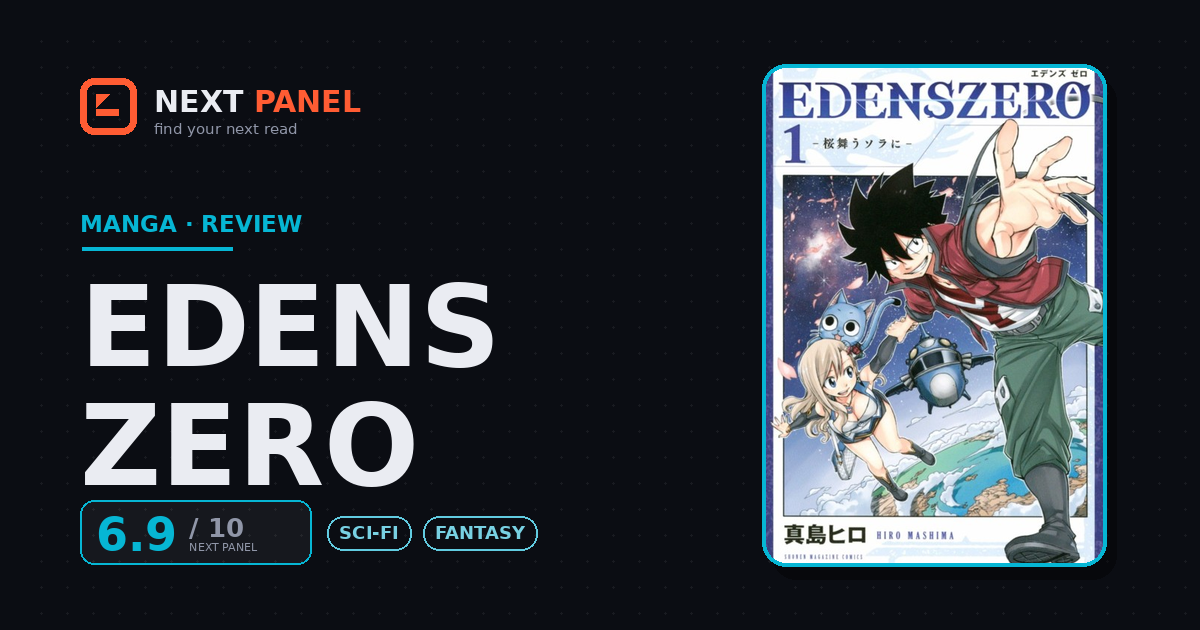
Mashima found a new setting but brought the same toolbox, and whether that's a plus depends entirely on how tired you are of his other toolbox.
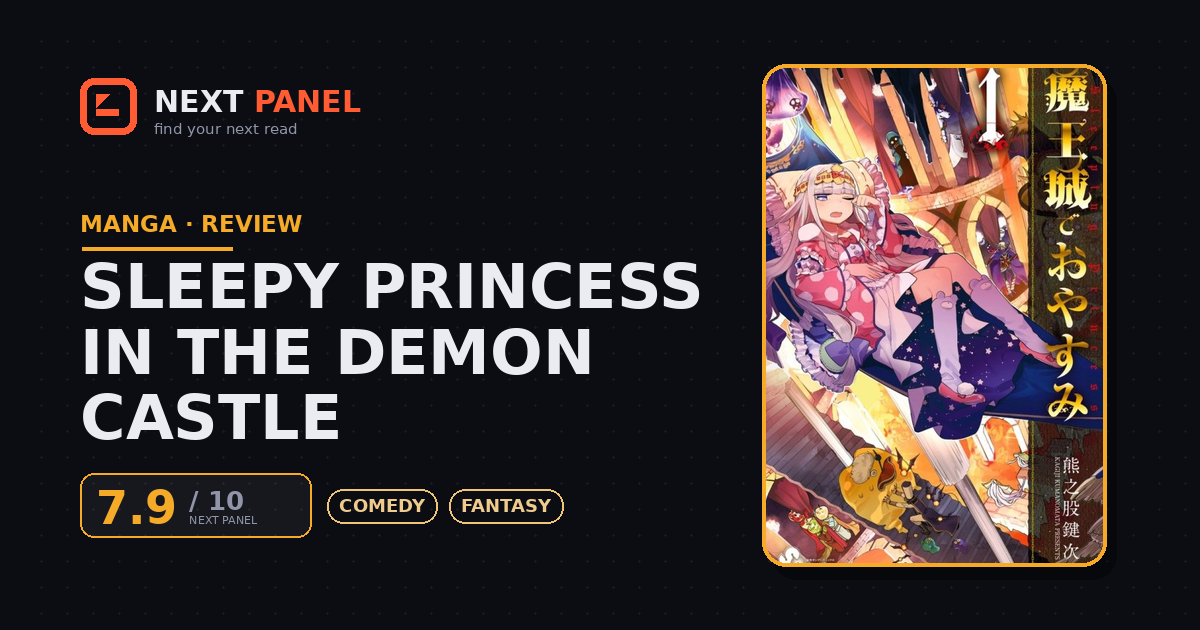
The kidnapped princess is the scariest thing in the castle, and every demon eventually learns that the hard way.
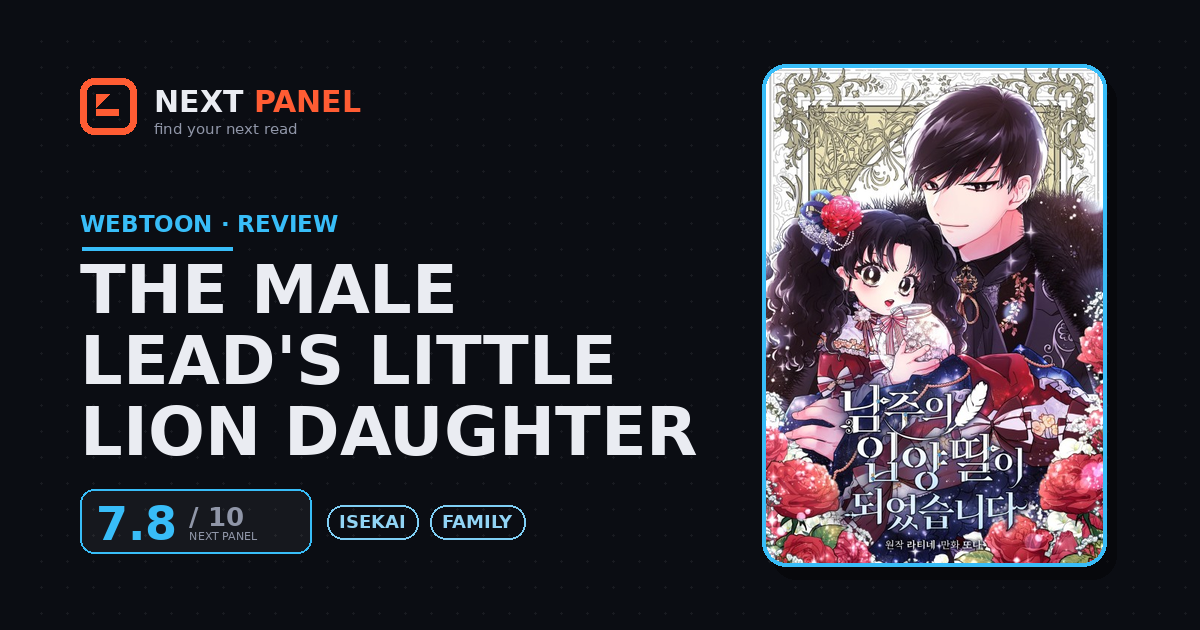
The Duke's reputation as the empire's coldest man makes his slow, awkward attempts at parenting land harder than they would from a warmer character, and that contrast is what carries the story.