Manga7.6Completed
Is Rough Worth Reading? Mitsuru Adachi Manga Review
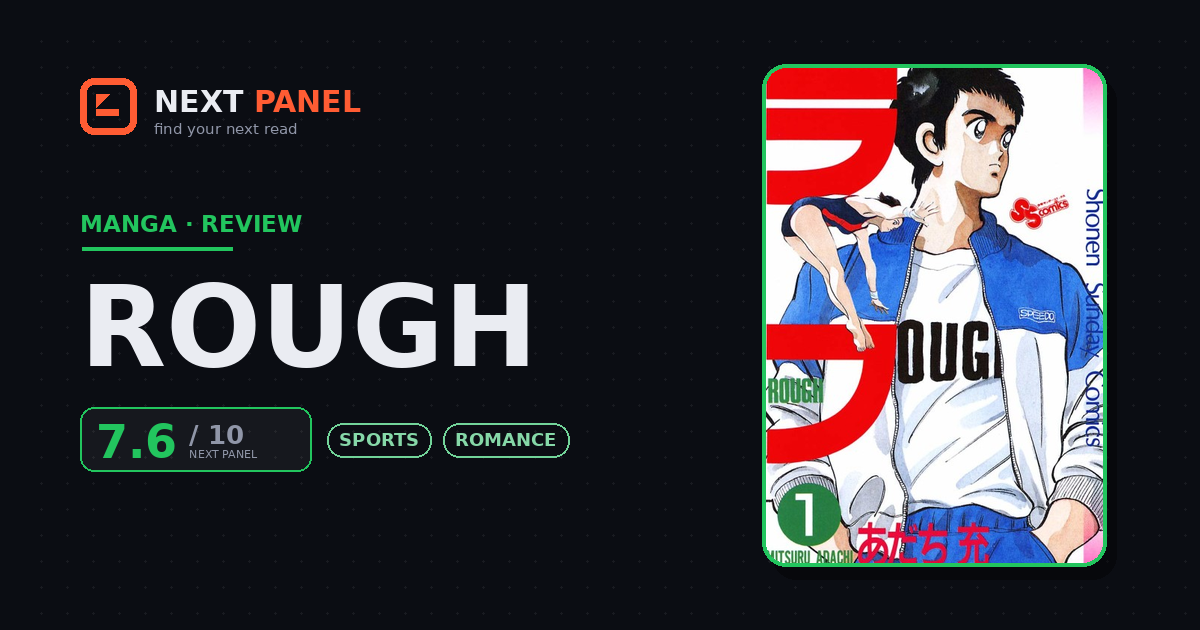
Adachi does more with a raised eyebrow and an unfinished sentence than most manga do with a five-page monologue, and Rough is a tidy showcase of exactly that skill.
Spoiler-light · Honestly rated
Every review labels its spoiler level, separates art from writing, and ends with an official way to read.
We use the whole 1–10 scale and judge each title against the best version of what it is trying to be — a comedy on how funny it is, a thriller on its tension — not against some other genre. As a rough guide: 9+ is all-time great, 8 excellent, 7 a solid recommendation with caveats, 5–6 mixed or average. A 7 is a genuine yes, not a knock. The “Community score” in each review is the crowd rating from AniList, MAL, and MangaUpdates, shown next to ours for comparison.
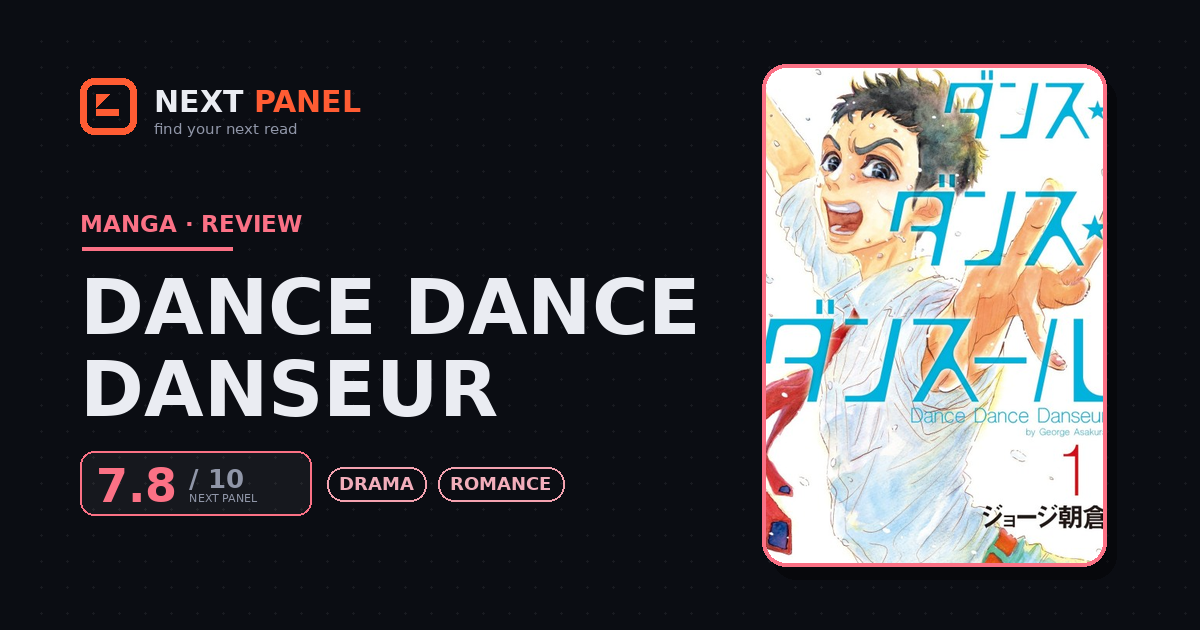
It's less interested in easy inspiration than in how much a body and an ego have to be rebuilt to actually dance well, which makes it sting more than most sports-manga comebacks.
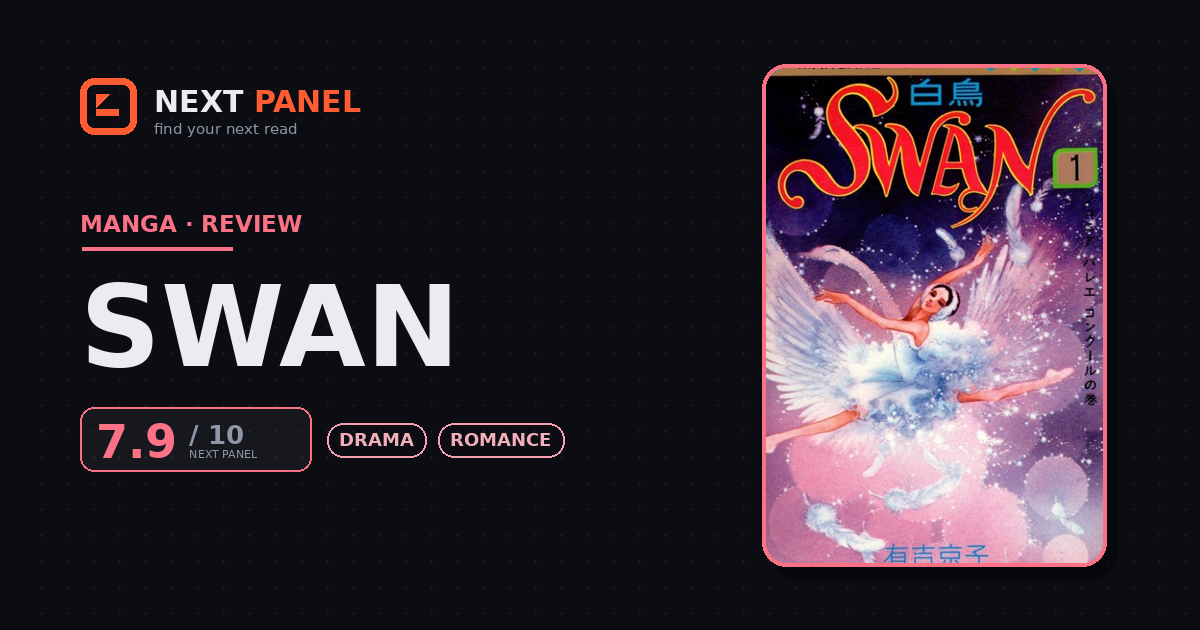
The dance pages alone are worth the search — Ariyoshi draws movement in a way that still doesn't have many equals decades later.
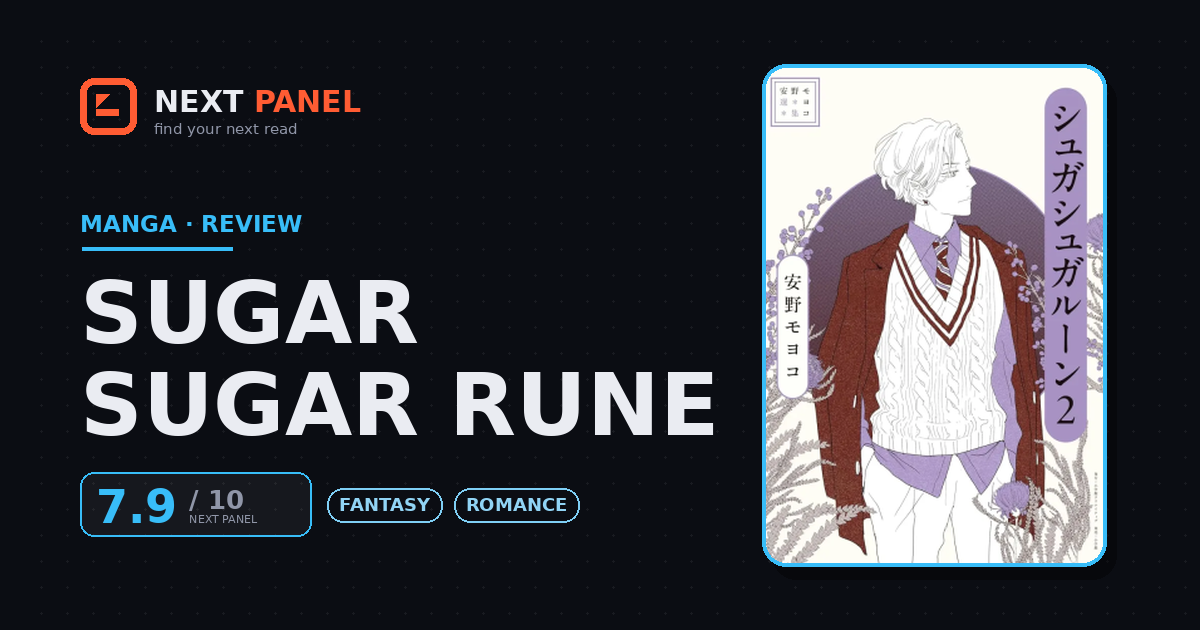
Only one of them can be queen, and the manga never lets Chocolat or Vanilla forget it -- their friendship isn't a subplot here, it's the thing actually under threat.
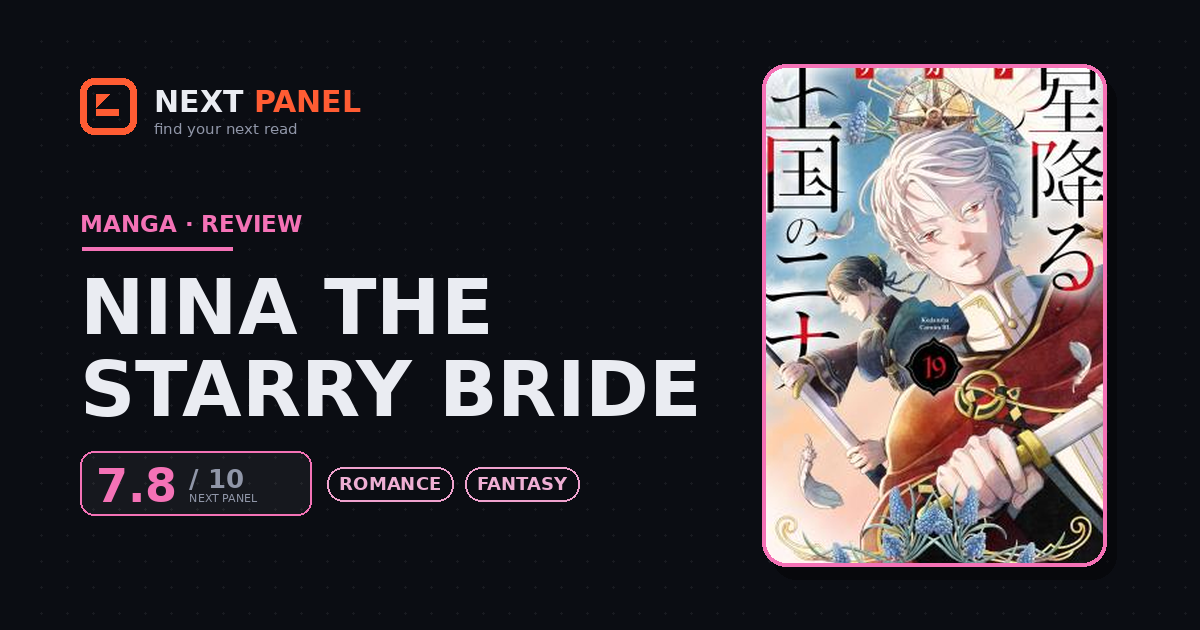
Nina is handed a dead princess's identity and told to disappear into it -- the whole appeal of this manga is watching her refuse to do that quietly.
Grief doesn't resolve on a schedule, and neither does this manga -- Ann's mother's suicide shapes every relationship she has for the next decade, and the story never pretends otherwise.
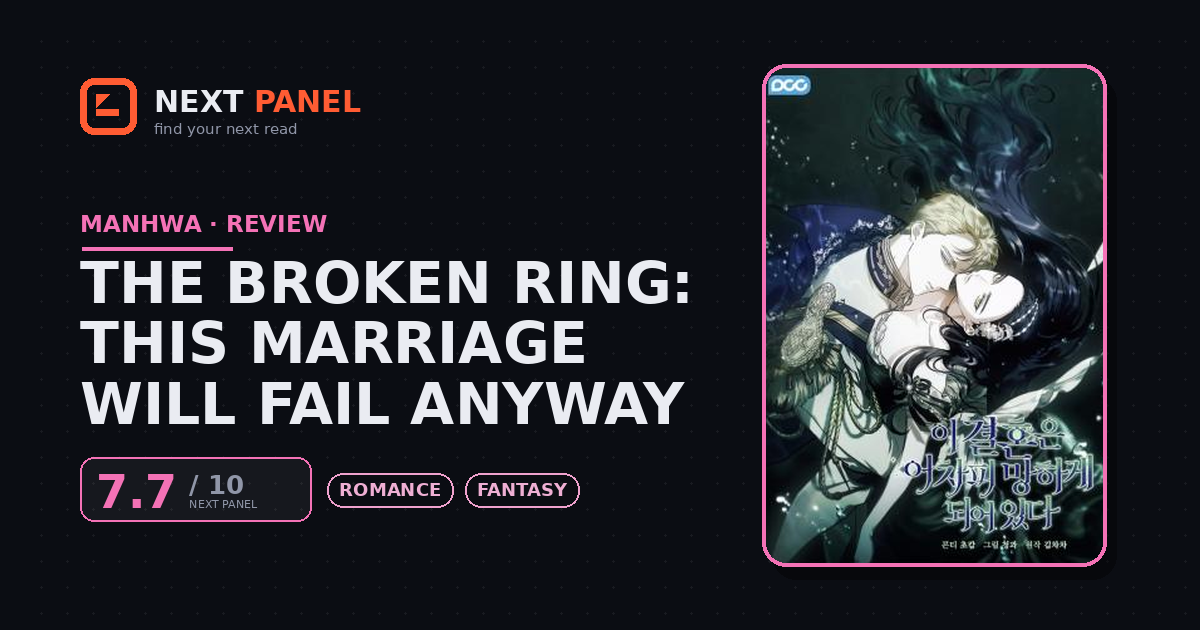
Nobody in this marriage wants to be in it -- which is exactly why watching them slowly realize they don't want out anymore works as well as it does.
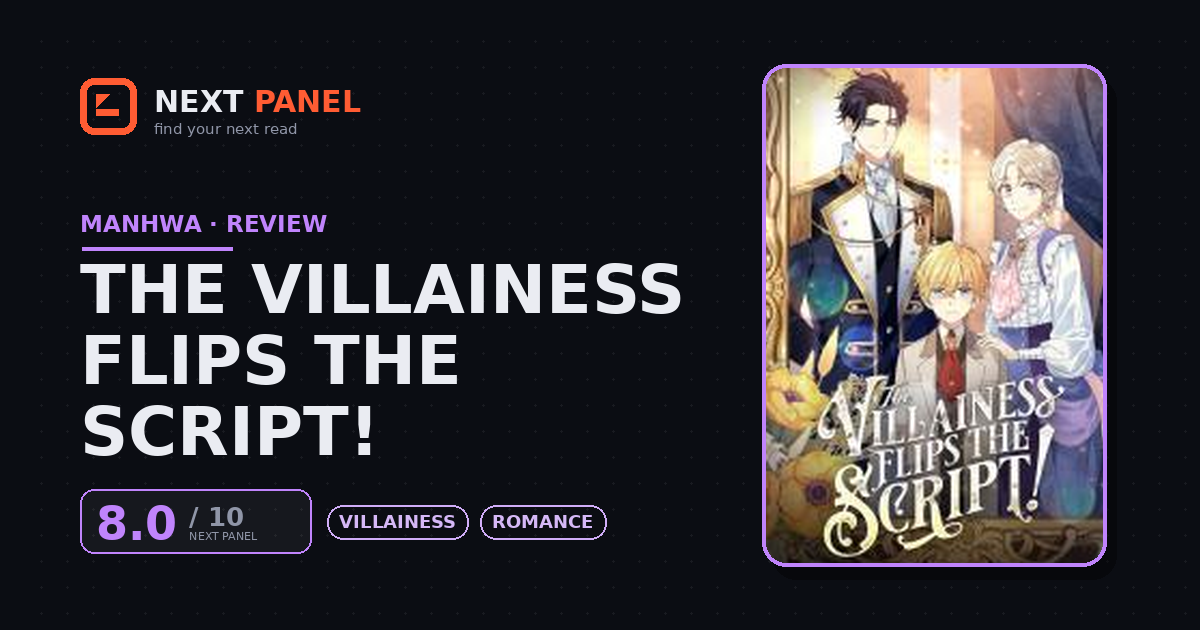
Most villainess stories are about surviving the plot. This one is about a woman who reads the ending, decides it's unacceptable, and rewrites the whole book around raising the kid who was never supposed to matter.
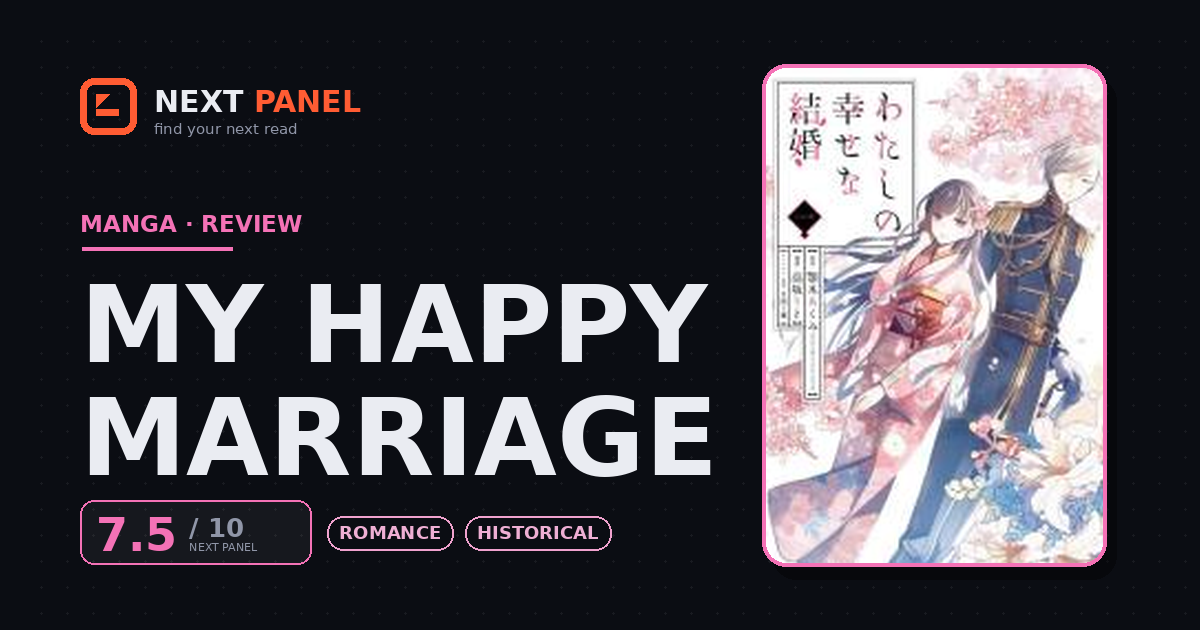
Everyone in Miyo's life has told her she's unlovable; the whole manga is just her husband, quietly and repeatedly, proving them wrong.
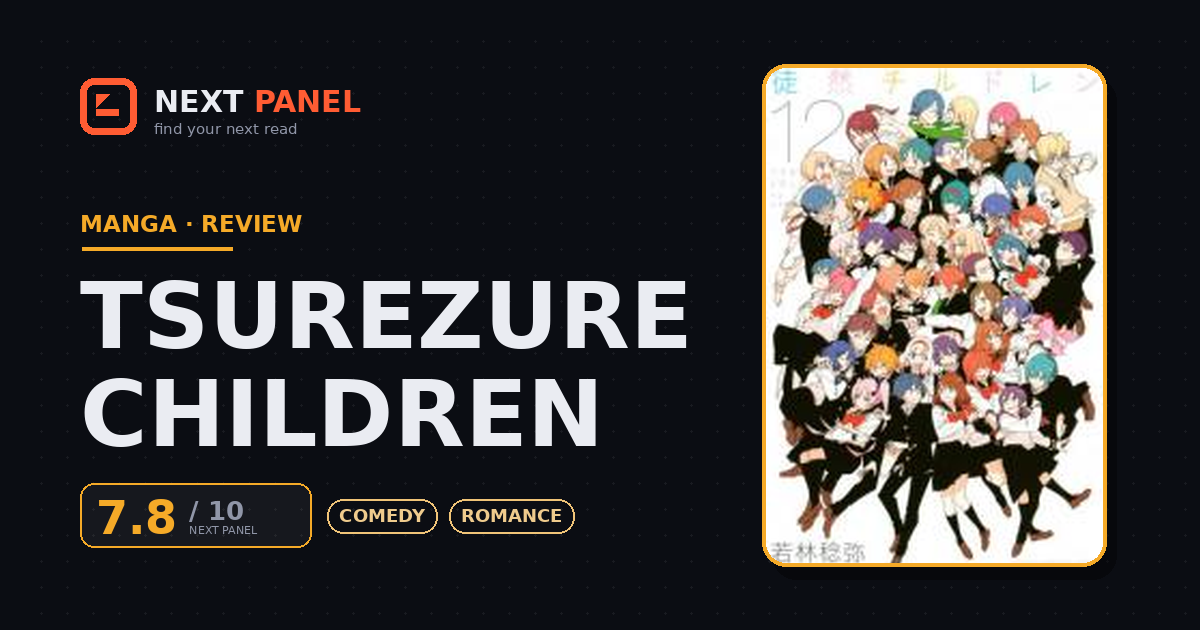
Fourteen-plus couples, one shared problem: nobody in this book can just say how they feel. It's slight by design, and it works because it never pretends to be more than that.

It's the blueprint a lot of later harem rom-coms borrowed from, and the original still hits harder than most of its imitators.