Manhua6.9Minor SpoilersOngoing
Is Love by Mistake Worth Reading? Review & Where to Read
The art does more work than the story does, but for a light, low-angst romance read, that's a trade a lot of readers will happily take.
Spoiler-light · Honestly rated
Every review labels its spoiler level, separates art from writing, and ends with an official way to read.
We use the whole 1–10 scale and judge each title against the best version of what it is trying to be — a comedy on how funny it is, a thriller on its tension — not against some other genre. As a rough guide: 9+ is all-time great, 8 excellent, 7 a solid recommendation with caveats, 5–6 mixed or average. A 7 is a genuine yes, not a knock. The “Community score” in each review is the crowd rating from AniList, MAL, and MangaUpdates, shown next to ours for comparison.
Stronger as a story about a broken family finding its footing than as the romance it gets marketed as — go in for that and the age-gap complaints matter a lot less.
Small in scope and short in length, but Yazawa's eye for character and fashion make it worth the afternoon it takes to finish.
Two genuinely likable leads carry a plot that's thinner than it thinks it is — a comfort read first, a story second.
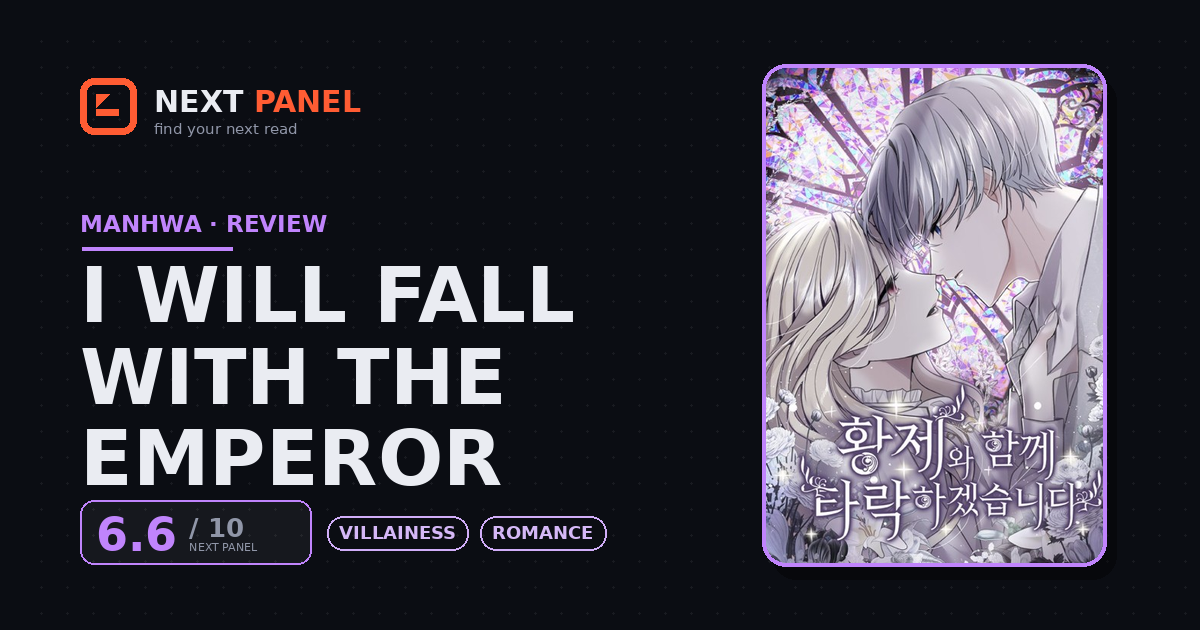
Larcy's cold, calculating revenge arc is the draw here, even when the emperor she marries to get it is a harder character to root for than the genre usually asks of you.

The best version of this story is its opening arc, before the rival-girl drama shows up and starts pulling it toward more familiar shoujo territory.

Strong art and a satisfying revenge hook carry this one, even though the plot wanders from arc to arc without much sense of a bigger destination.
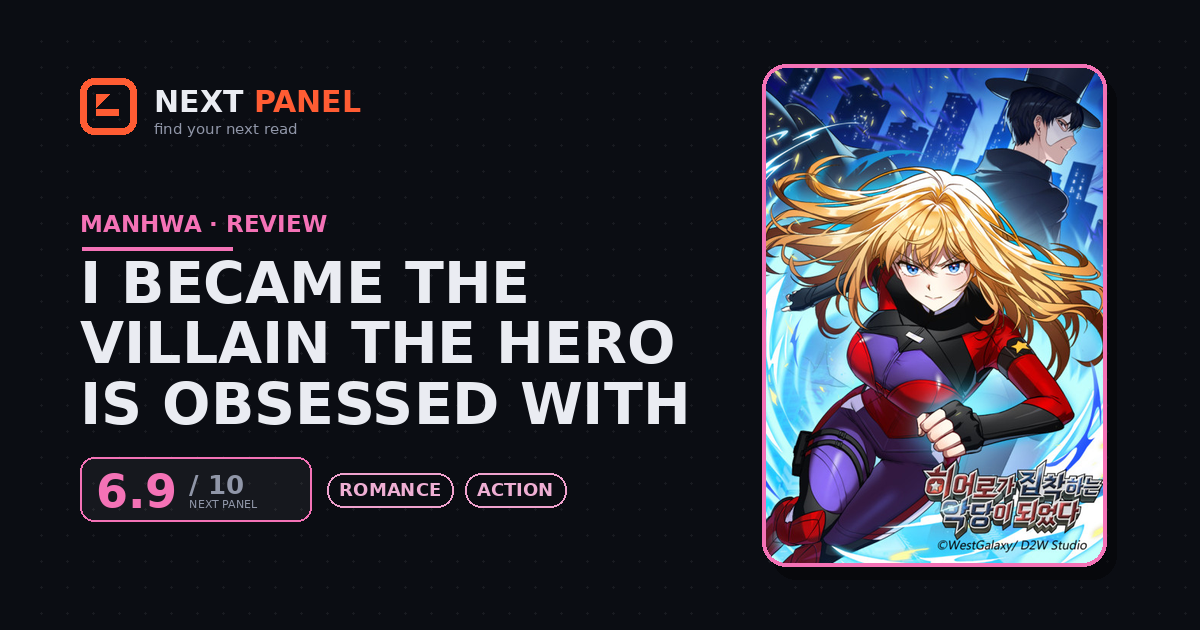
The hook is clever and the tone is addictive, but the story leans on the same new-heroine-appears-and-falls-for-him loop often enough that it can feel more like a formula than a plot.
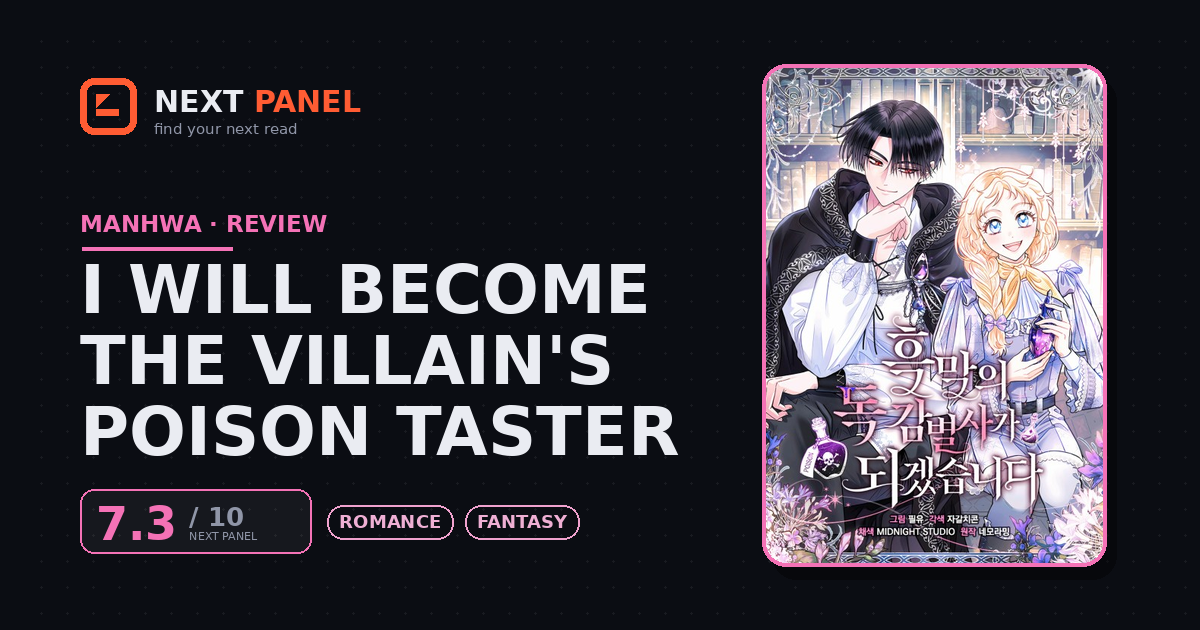
The poison-taster hook is clever enough to carry a slow start, and the romance earns its slow burn instead of stalling on misunderstandings.

The amnesia plot mostly resists melodrama, carried by two leads who feel like actual teenagers instead of genre archetypes.