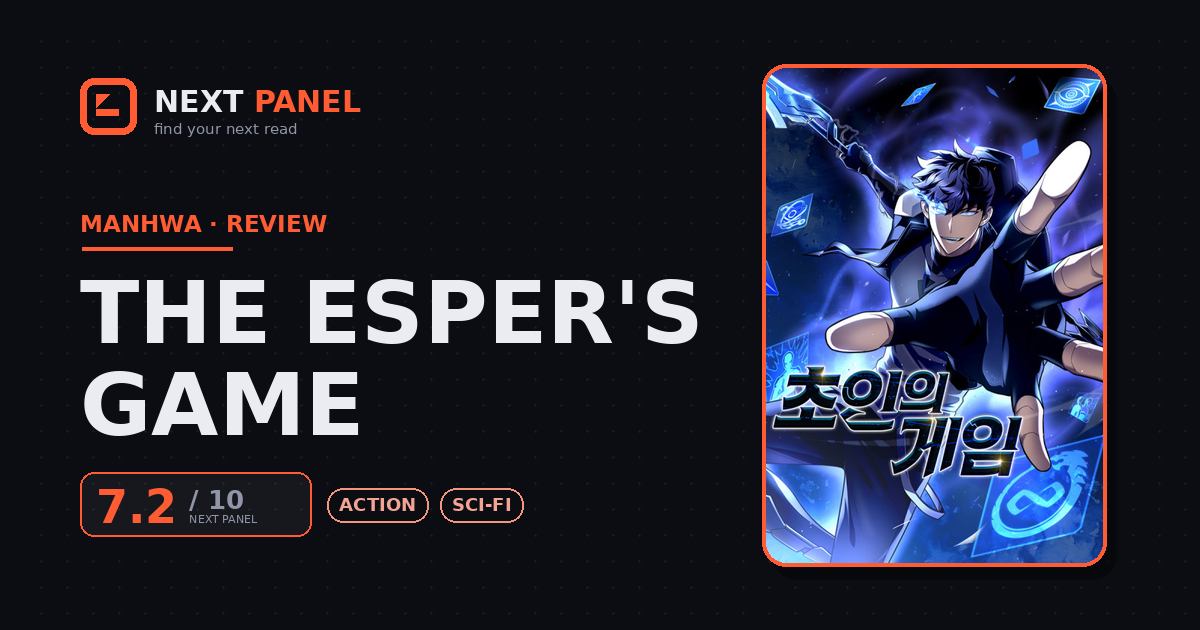
Manhwa7.2Minor SpoilersCompleted
Is The Esper's Game Worth Reading? Review & Where to Read
Returning-legend power fantasy that actually commits to being a tournament arc instead of stalling one out for years.
Spoiler-light · Honestly rated
Every review labels its spoiler level, separates art from writing, and ends with an official way to read.
We use the whole 1–10 scale and judge each title against the best version of what it is trying to be — a comedy on how funny it is, a thriller on its tension — not against some other genre. As a rough guide: 9+ is all-time great, 8 excellent, 7 a solid recommendation with caveats, 5–6 mixed or average. A 7 is a genuine yes, not a knock. The “Community score” in each review is the crowd rating from AniList, MAL, and MangaUpdates, shown next to ours for comparison.
It builds a genuinely unsettling system — kids testing adults' fitness to parent by provoking them — and then asks what that system actually costs the children running it.
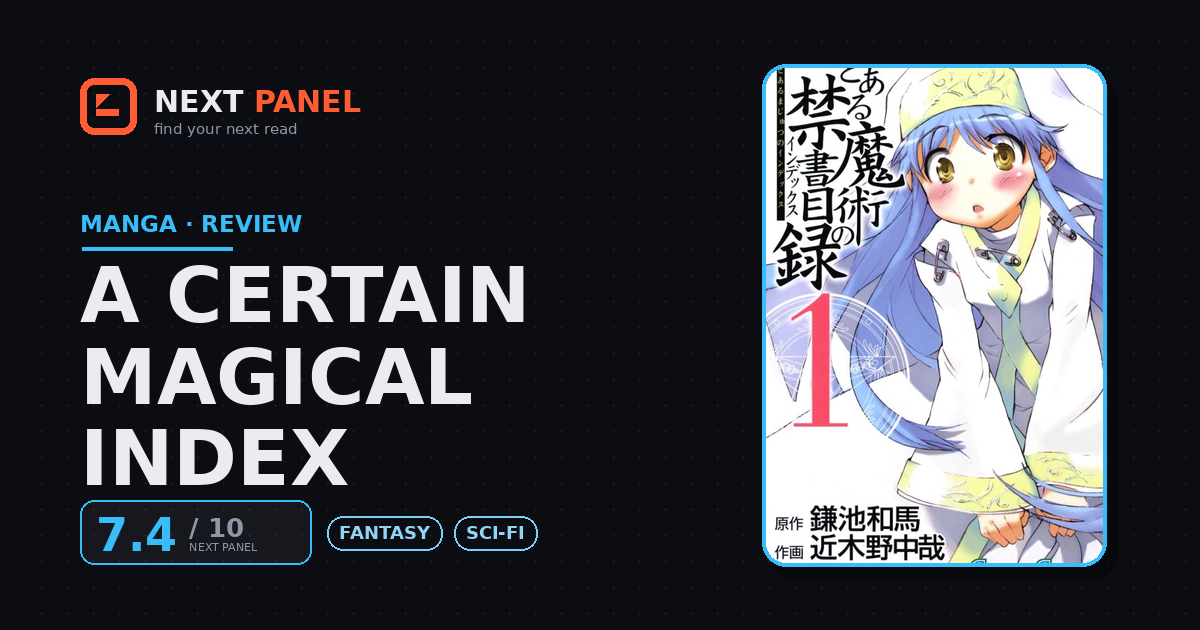
It builds one of anime and manga's more distinctive settings — a city literally engineered to manufacture supernatural ability — and uses Touma's power-negating fist as a smart, consistent lens into all of it.
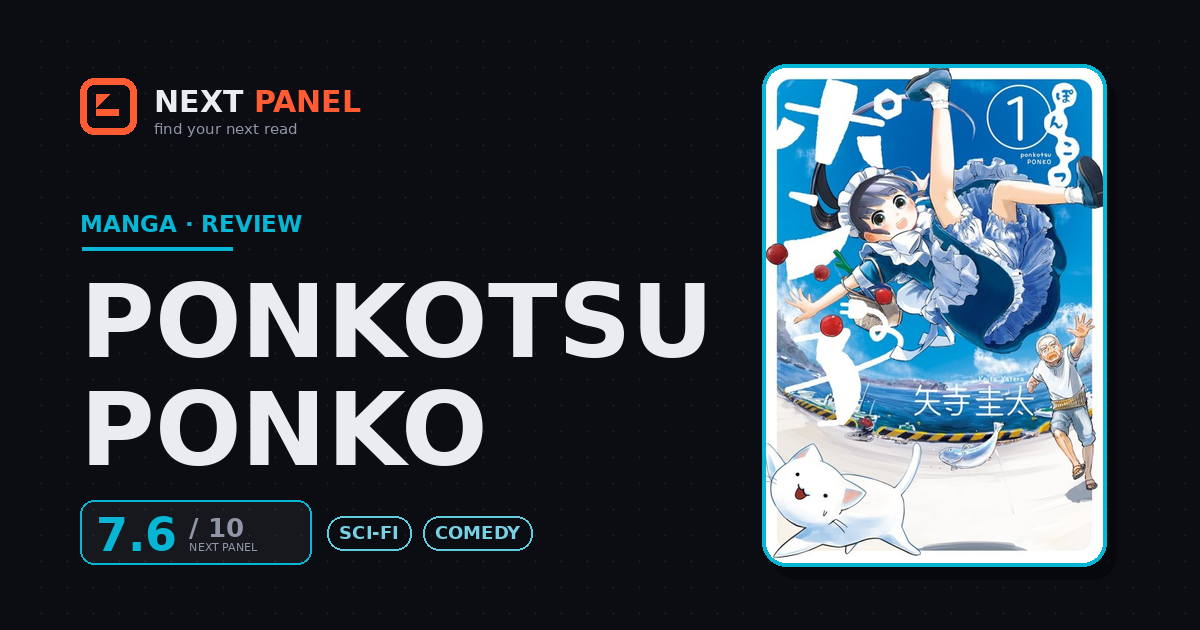
It uses a broken-down robot as an unlikely vehicle for processing grief, and the comedy never undercuts how much that companionship actually matters to Yoshioka.
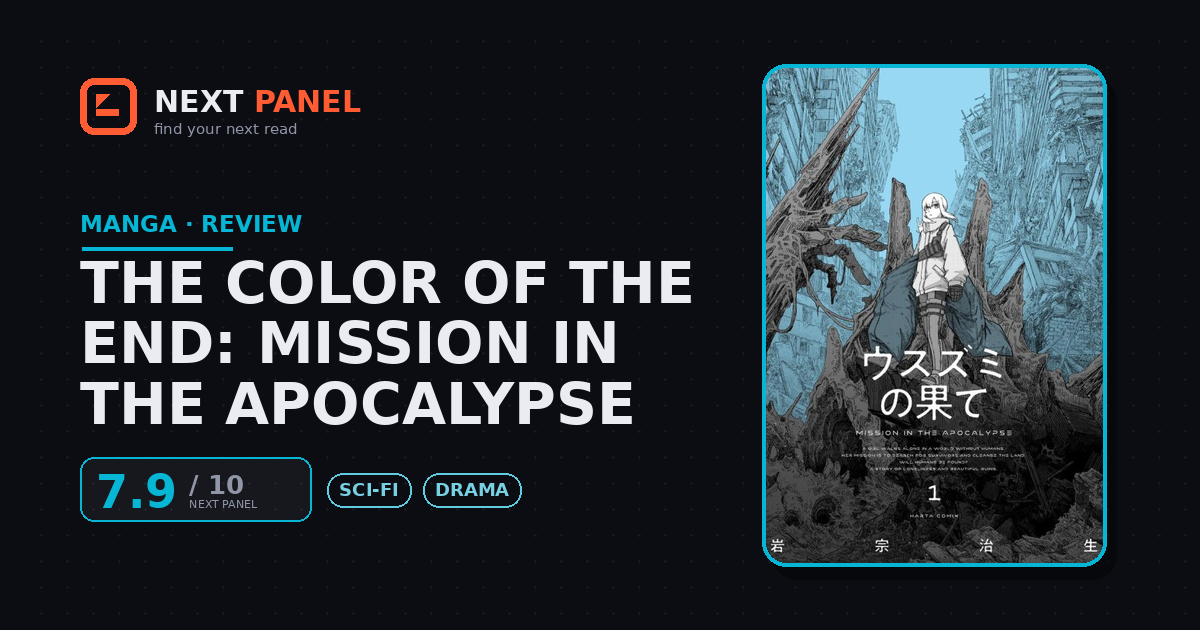
It treats a dead world as something to move through slowly and carefully, and lets the found-family threads that grow out of that stillness carry the real emotional weight.
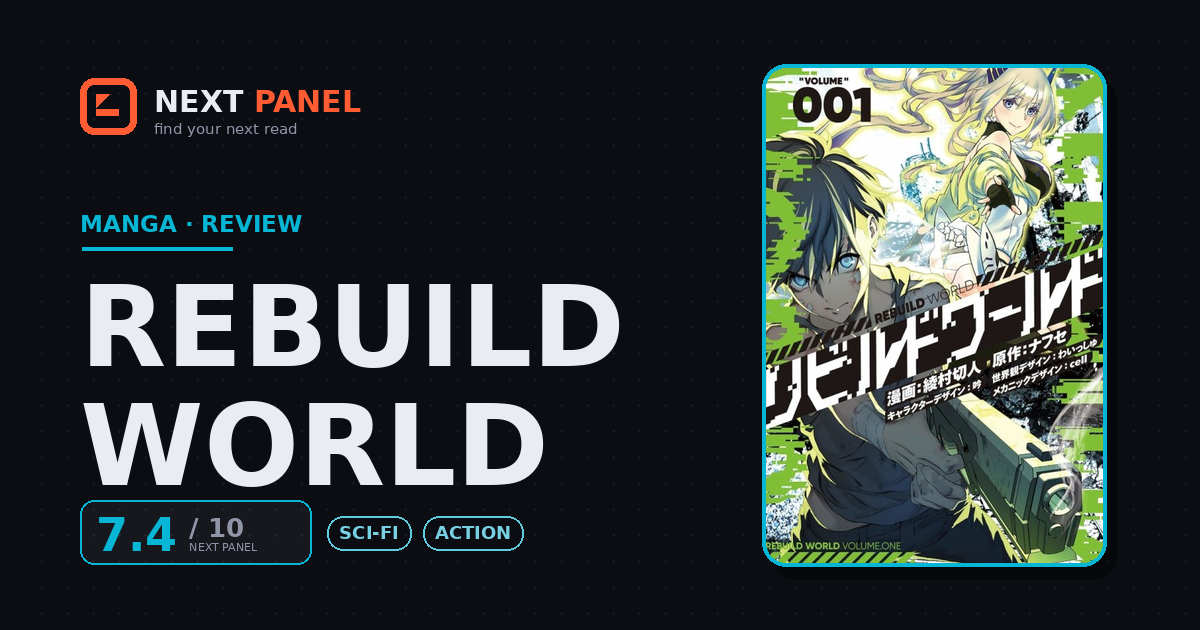
It treats scavenging a dead civilization's ruins as a genuinely dangerous profession with real economic and physical stakes, not just an excuse for loot-drop action beats.
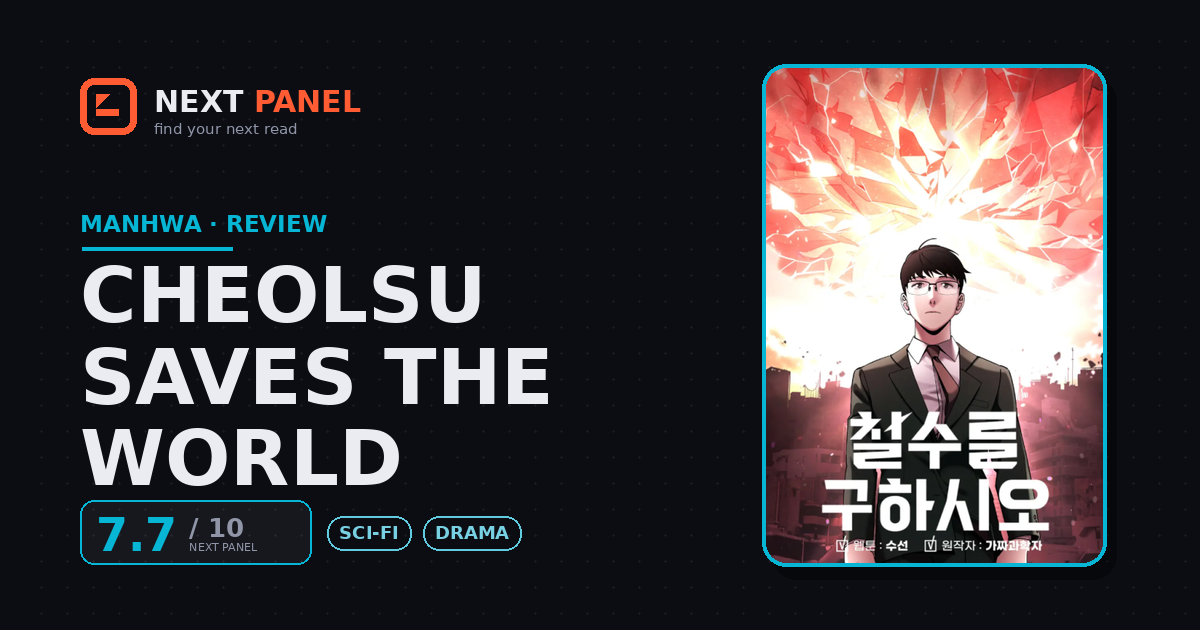
It takes the regression genre's central promise — a second chance — and asks an honest, uncomfortable question: what if being given more chances isn't the same as being equipped to use them?
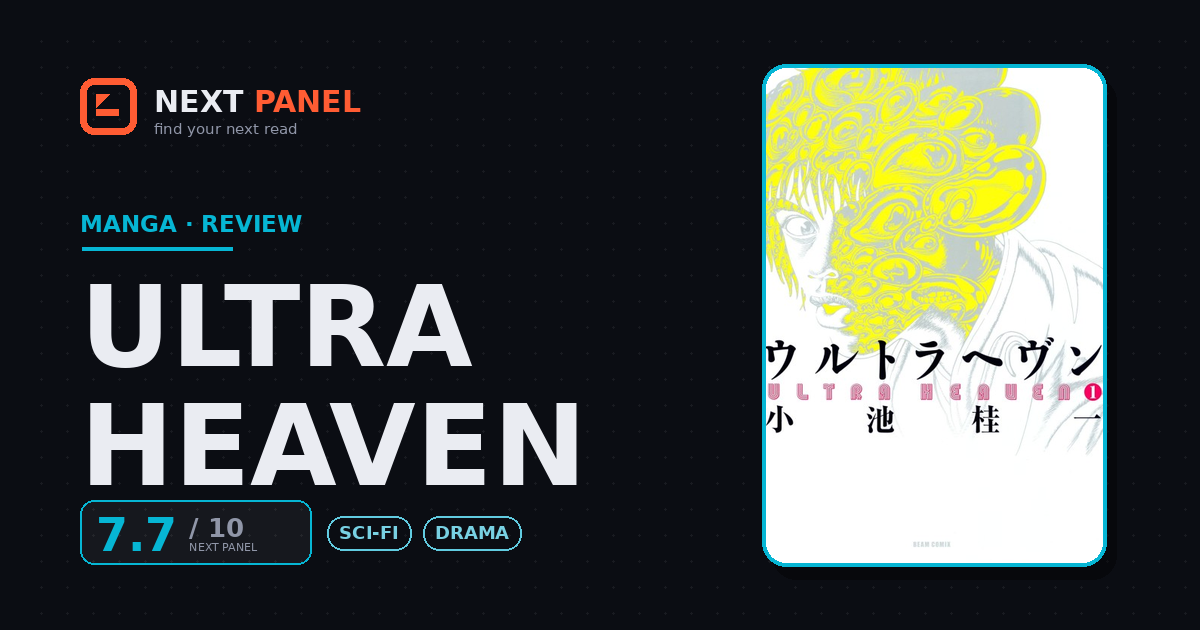
It commits fully to being a drug-trip manga rendered in the clearest possible linework, and that contrast is exactly why it works instead of reading as shock for its own sake.
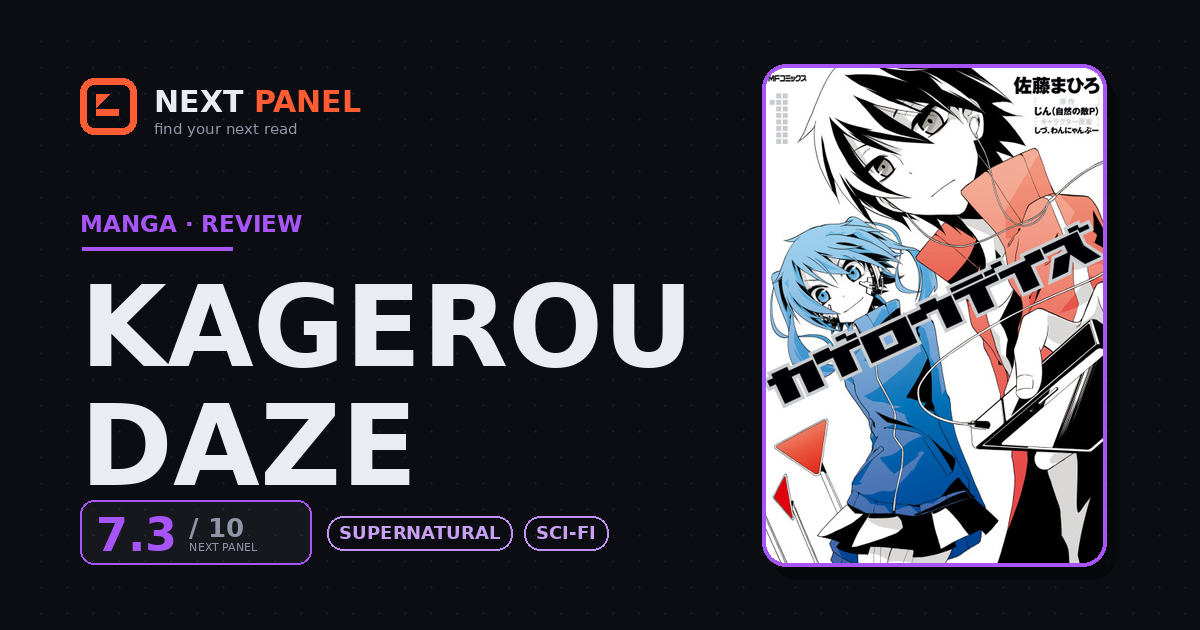
It's less a manga you can judge chapter by chapter and more a puzzle box you have to trust will eventually click — which it does, if you stick with it.
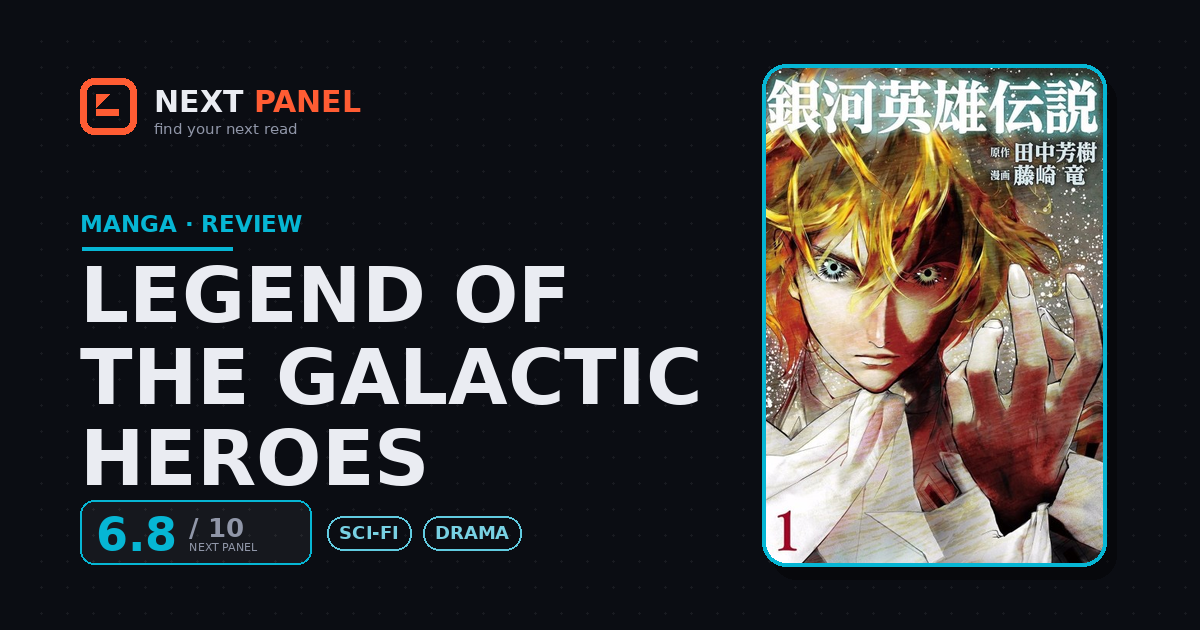
Gorgeous, politically dense, and clearly running out of room by the end — this is a companion piece for fans more than a first stop for newcomers.
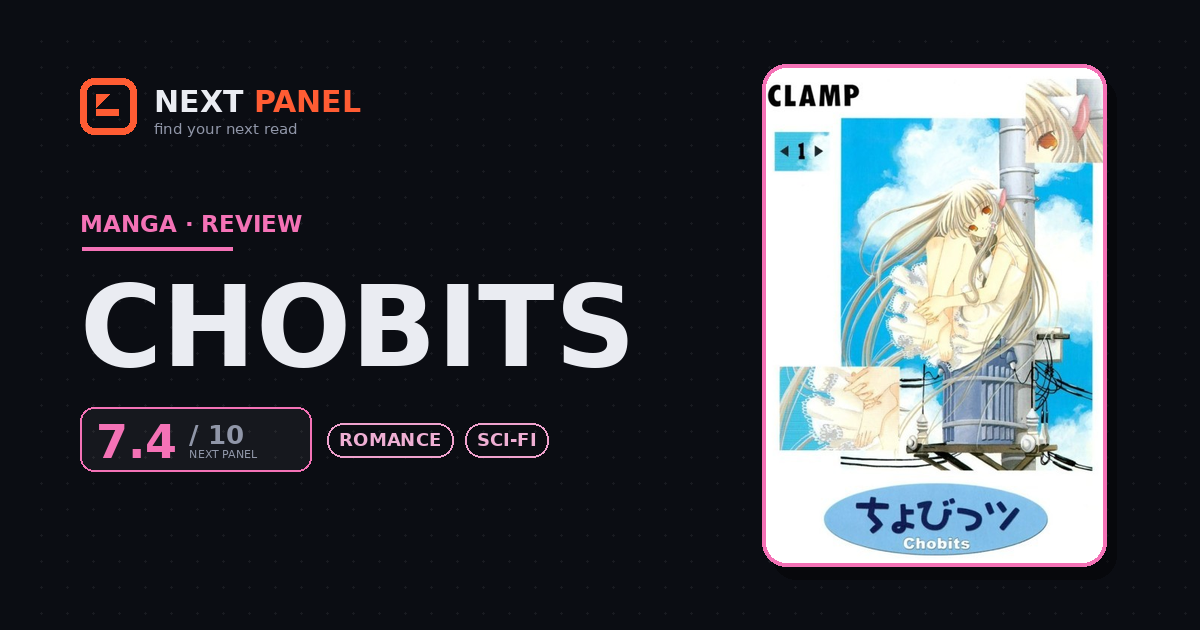
CLAMP's linework is still gorgeous two decades later; the central romance is sweeter than the premise sounds, but a few subplots haven't aged well and the show doesn't apologize for them.