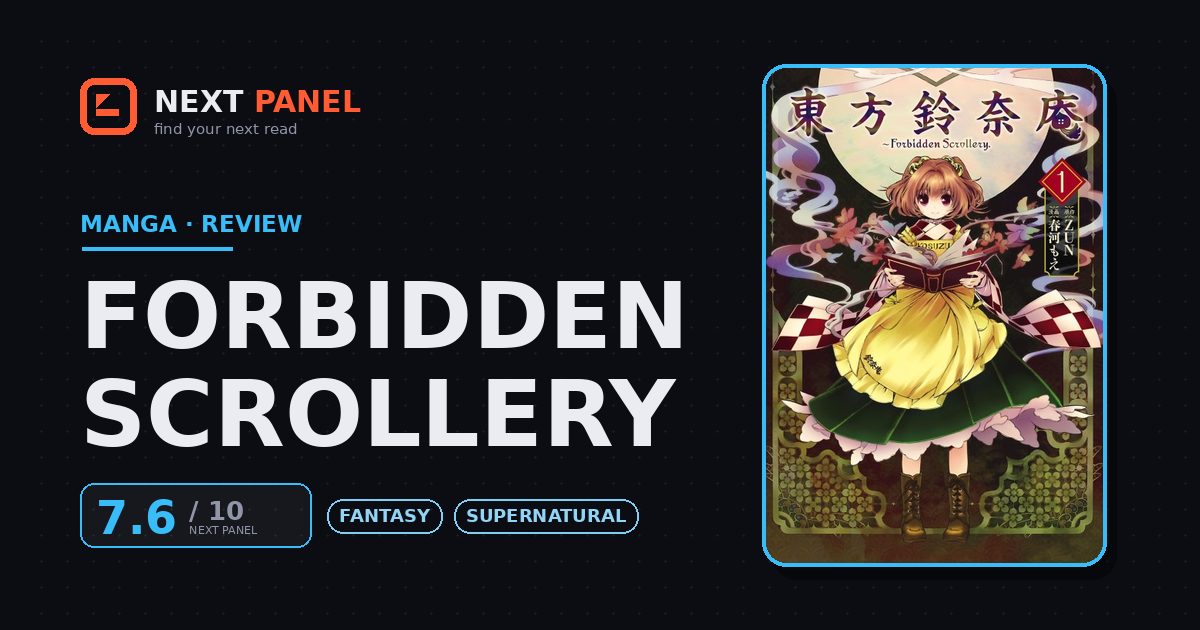
Manga7.6Minor SpoilersCompleted
Is Forbidden Scrollery Worth Reading? Review & Where to Read
Complete, well-told, and uses its game-franchise setting as flavor rather than a requirement, and is genuinely stronger for keeping its scope small.
Spoiler-light · Honestly rated
Every review labels its spoiler level, separates art from writing, and ends with an official way to read.
We use the whole 1–10 scale and judge each title against the best version of what it is trying to be — a comedy on how funny it is, a thriller on its tension — not against some other genre. As a rough guide: 9+ is all-time great, 8 excellent, 7 a solid recommendation with caveats, 5–6 mixed or average. A 7 is a genuine yes, not a knock. The “Community score” in each review is the crowd rating from AniList, MAL, and MangaUpdates, shown next to ours for comparison.
It's less a manga you can judge chapter by chapter and more a puzzle box you have to trust will eventually click — which it does, if you stick with it.
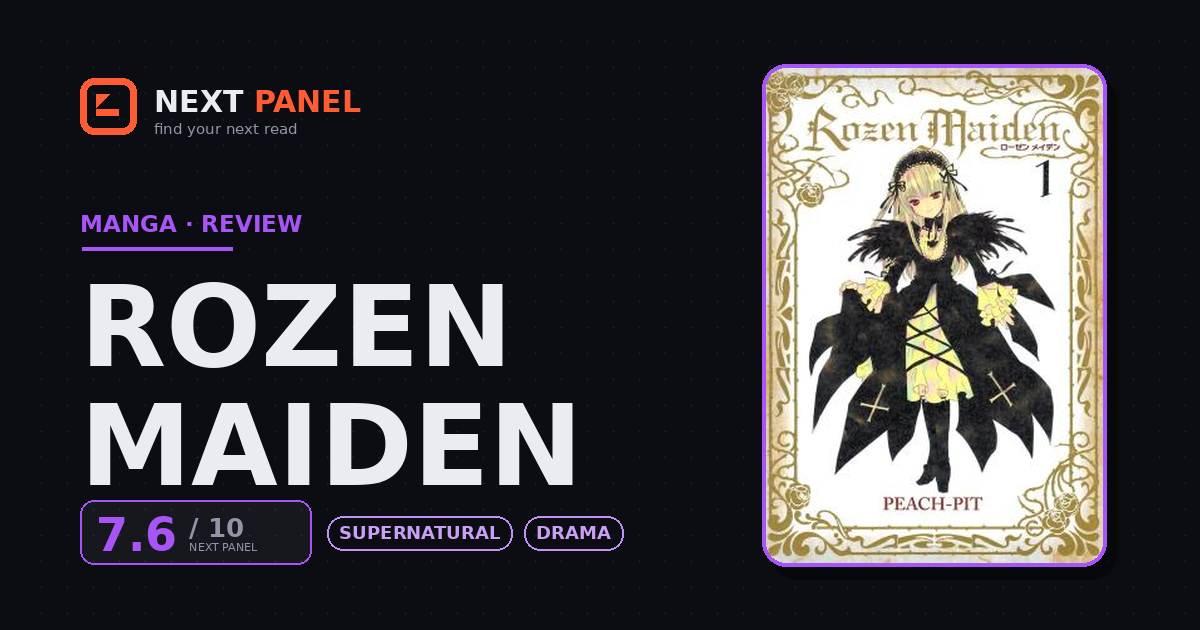
Shinku is demanding, imperious, and treats Jun like hired help from the moment she wakes up -- and watching that dynamic quietly turn into something neither of them expected is the whole appeal.
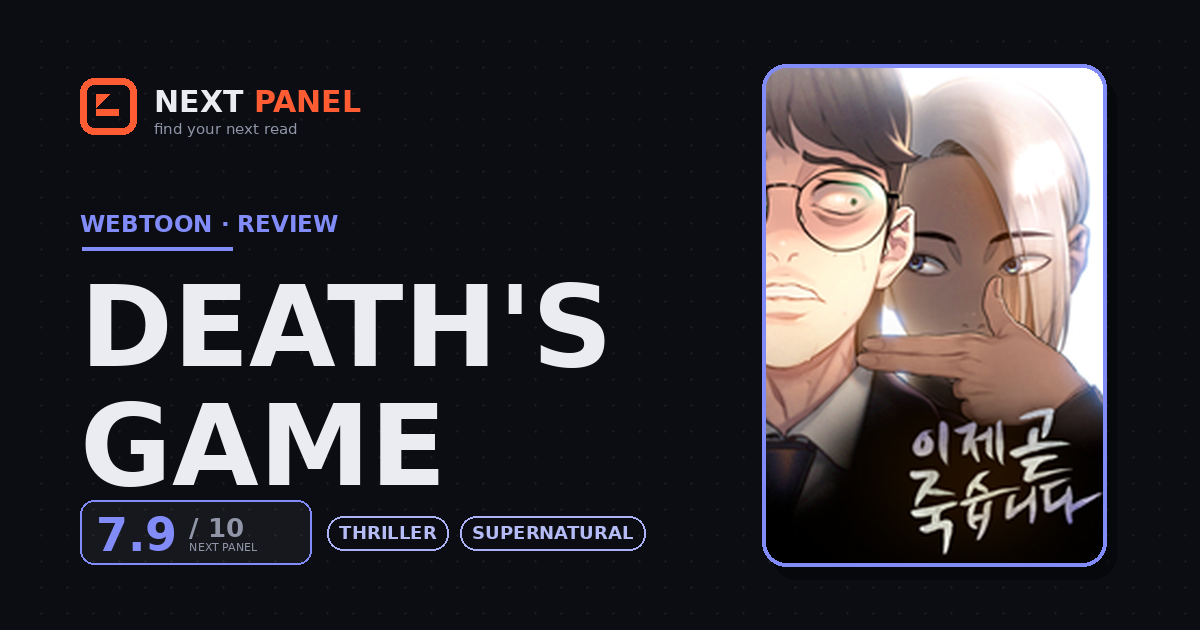
Punishment-as-premise shouldn't work this well -- thirteen deaths in, it's less about the shock of dying and more about who Yijae becomes each time he's forced to live.
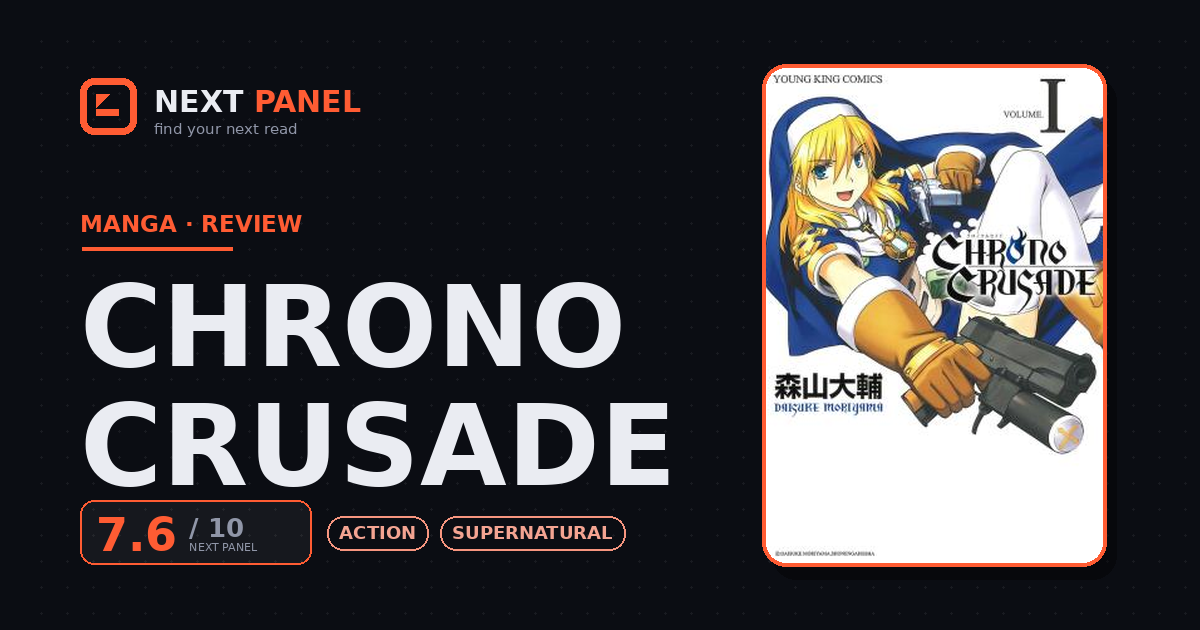
The rushed final stretch keeps this out of the top tier, but the Rosette-and-Chrono core is strong enough to carry it anyway.
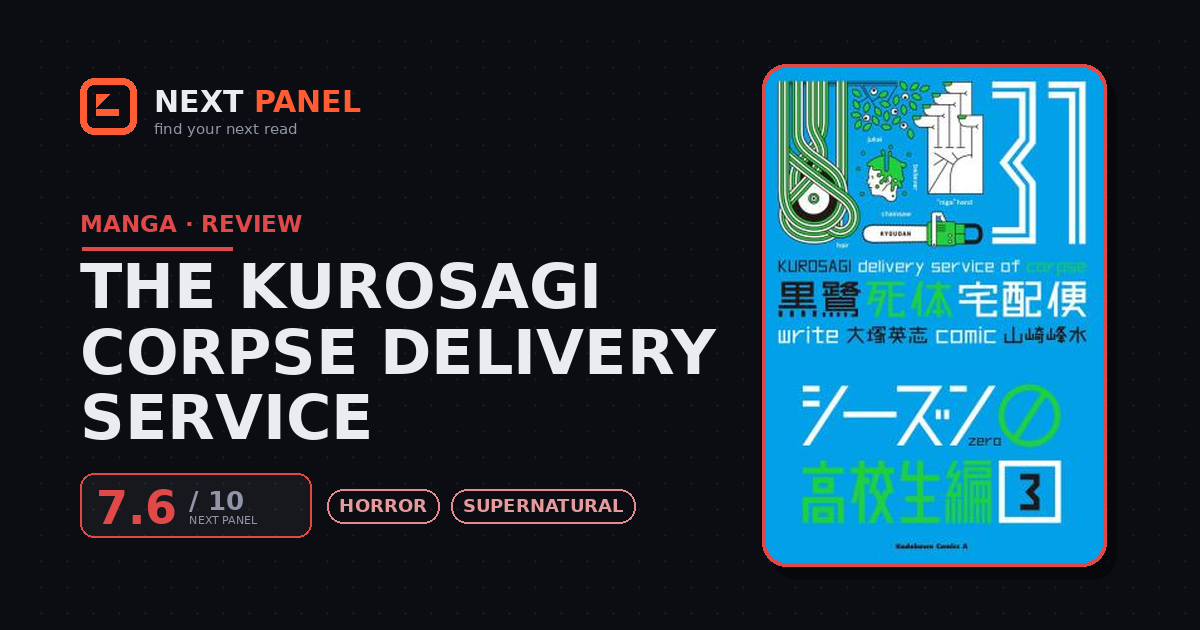
It's a monster-of-the-week horror comic that keeps sneaking in real anxieties about how Japan treats its unwanted dead.
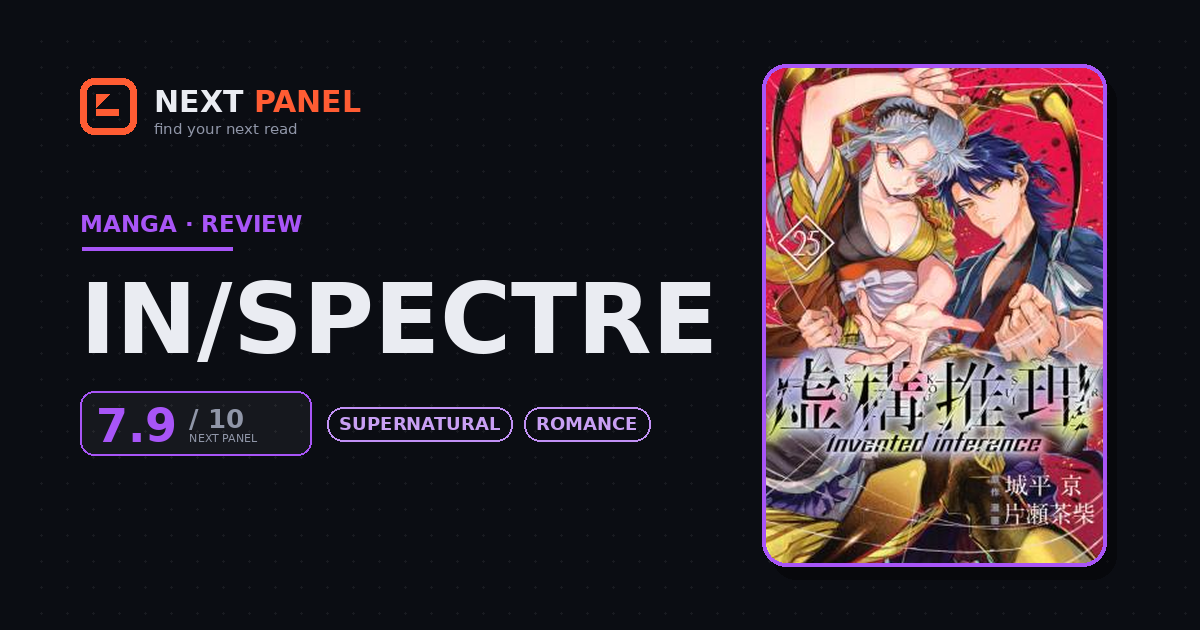
Kotoko doesn't solve mysteries so much as out-argue reality, and watching her do it is more fun than it has any right to be.
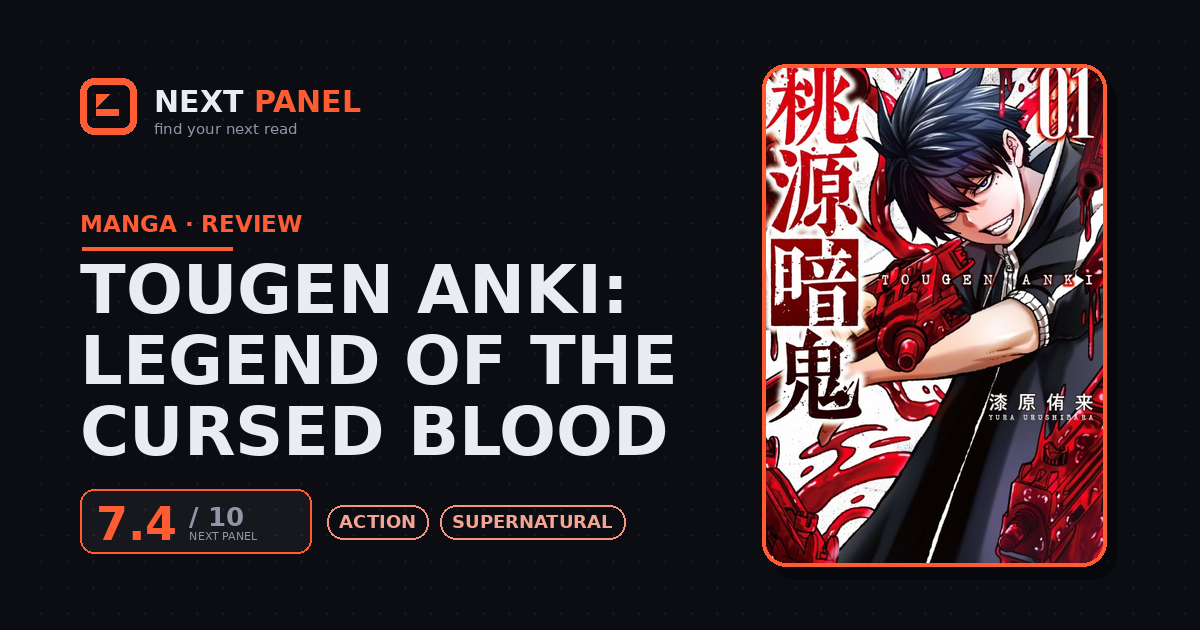
Taking the Momotaro legend and making the Oni the hero isn't just a gimmick here — it's the thing that makes the fights actually mean something.
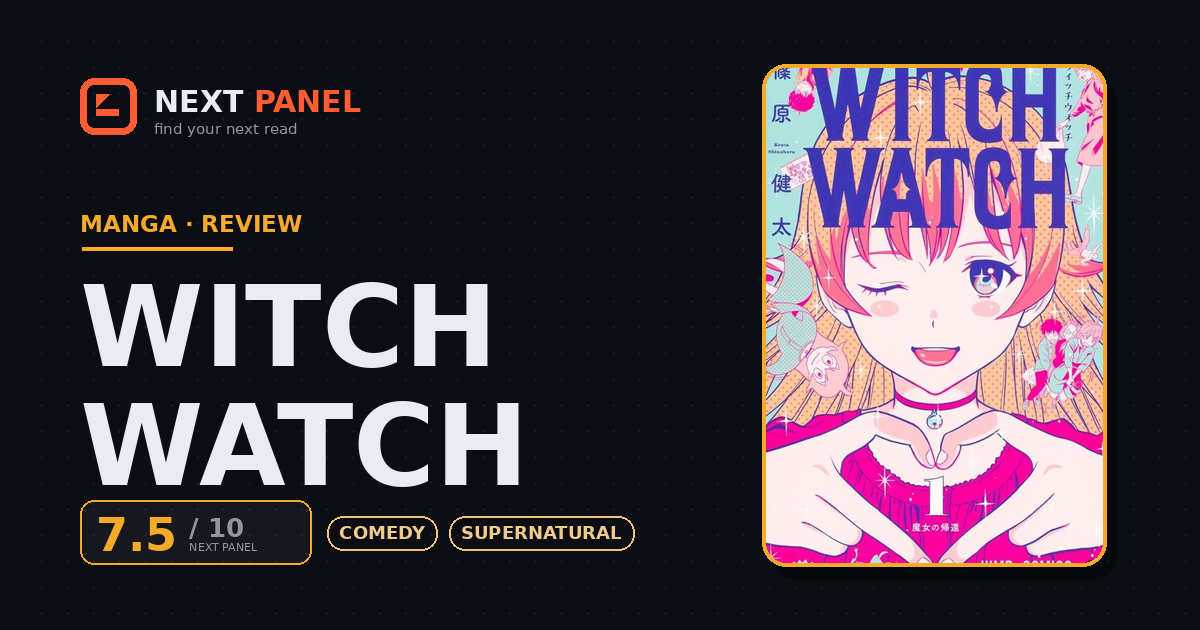
It shouldn't work as well as it does — a gag-per-chapter monster comedy that slowly turns into a genuine will-they-won't-they with real stakes, and Shinohara's art sells every tonal swing.
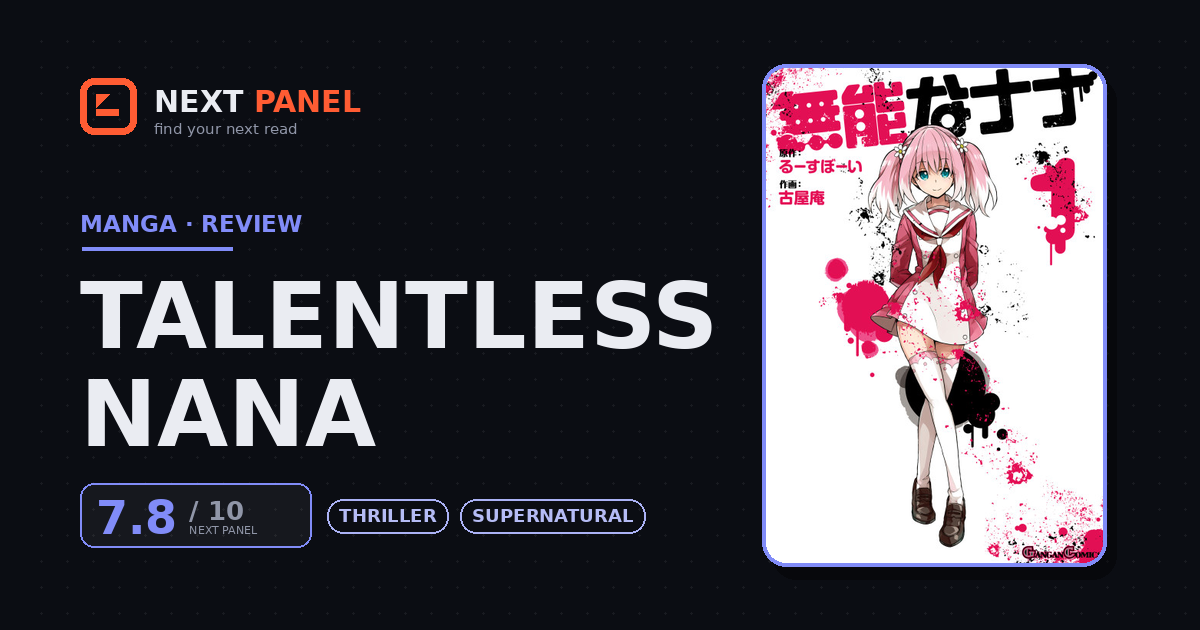
The first-arc reveal gets all the attention, but what makes Talentless Nana worth finishing is how willing it stays to keep pulling the rug out after that.
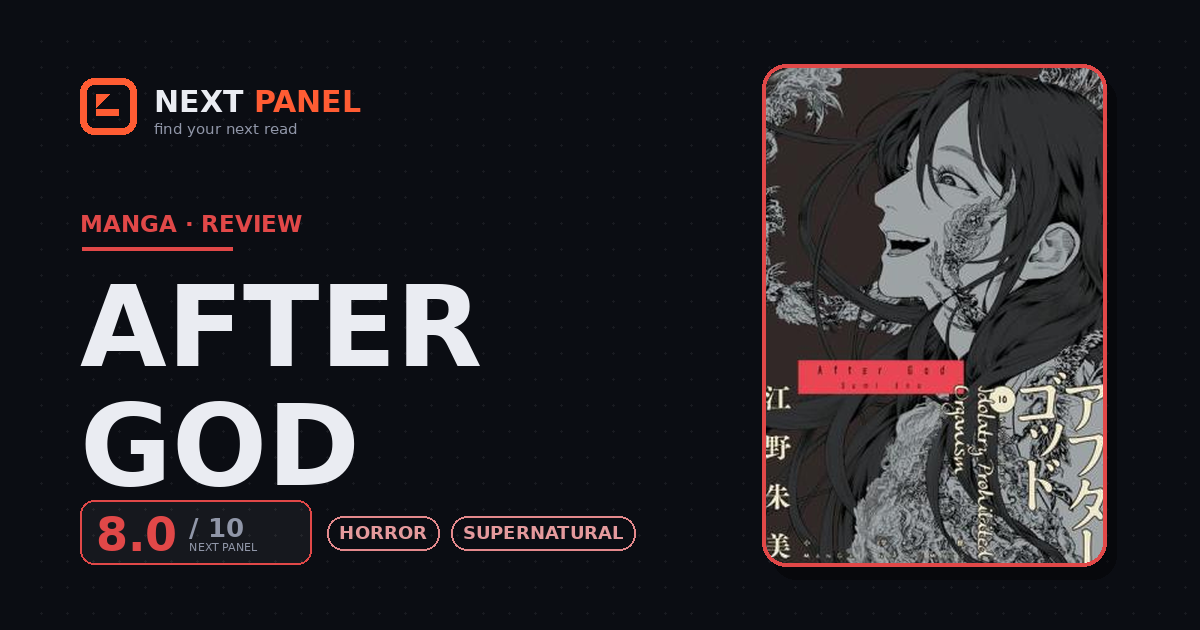
Grim, strange, and genuinely gripping; it deserves the audience that Fire Punch and Gachiakuta comparisons keep pointing toward.