Manga7.2Minor SpoilersOngoing
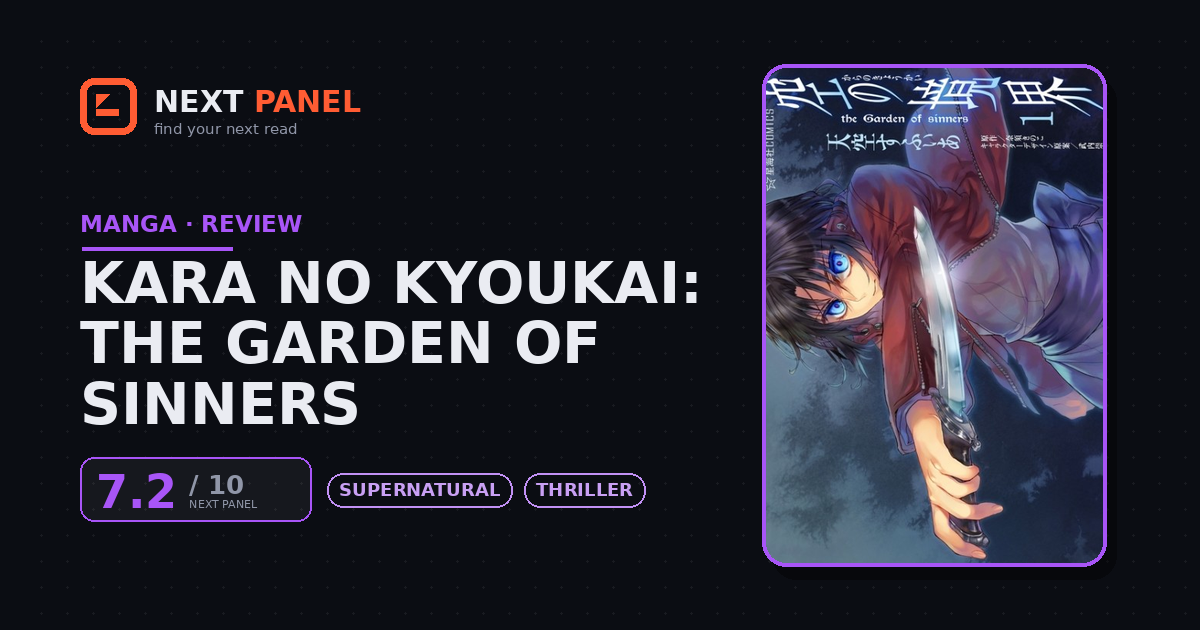
Is Kara no Kyoukai (The Garden of Sinners) Worth Reading? Review & Where to Read
Cerebral and cold by design, this rewards patience more than it grabs you right away.
Spoiler-light · Honestly rated
Every review labels its spoiler level, separates art from writing, and ends with an official way to read.
We use the whole 1–10 scale and judge each title against the best version of what it is trying to be — a comedy on how funny it is, a thriller on its tension — not against some other genre. As a rough guide: 9+ is all-time great, 8 excellent, 7 a solid recommendation with caveats, 5–6 mixed or average. A 7 is a genuine yes, not a knock. The “Community score” in each review is the crowd rating from AniList, MAL, and MangaUpdates, shown next to ours for comparison.
Faithful to a fault, and best appreciated as a companion to the game rather than a reinvention of it.
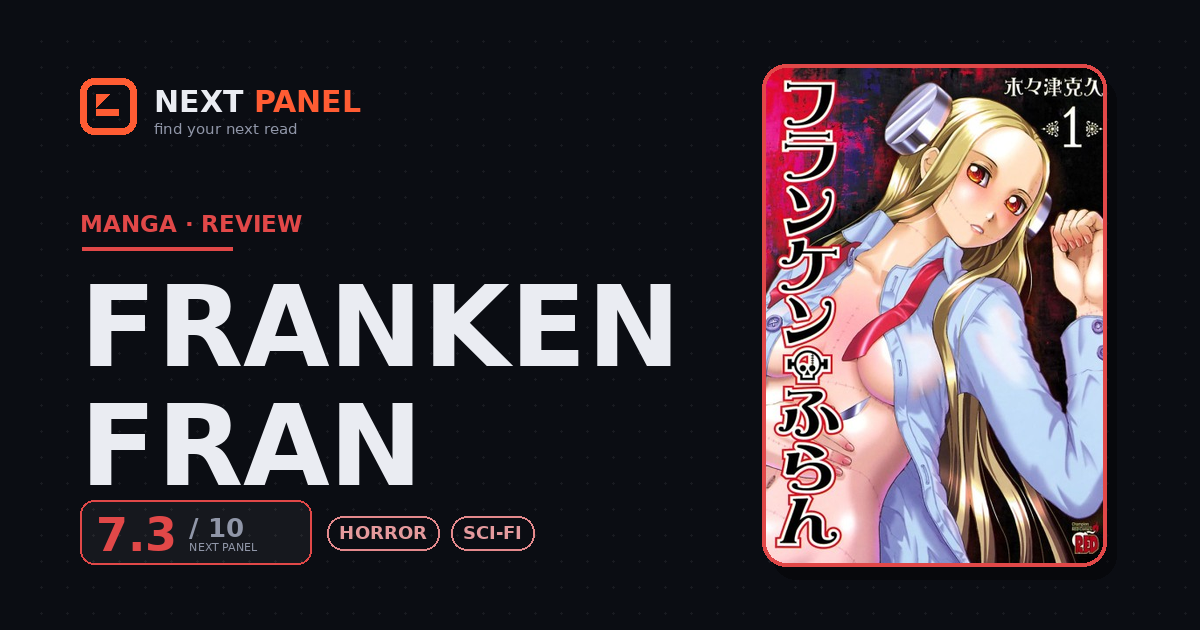
Gleefully grotesque and smarter than it needs to be — just know exactly what kind of gross you're signing up for.
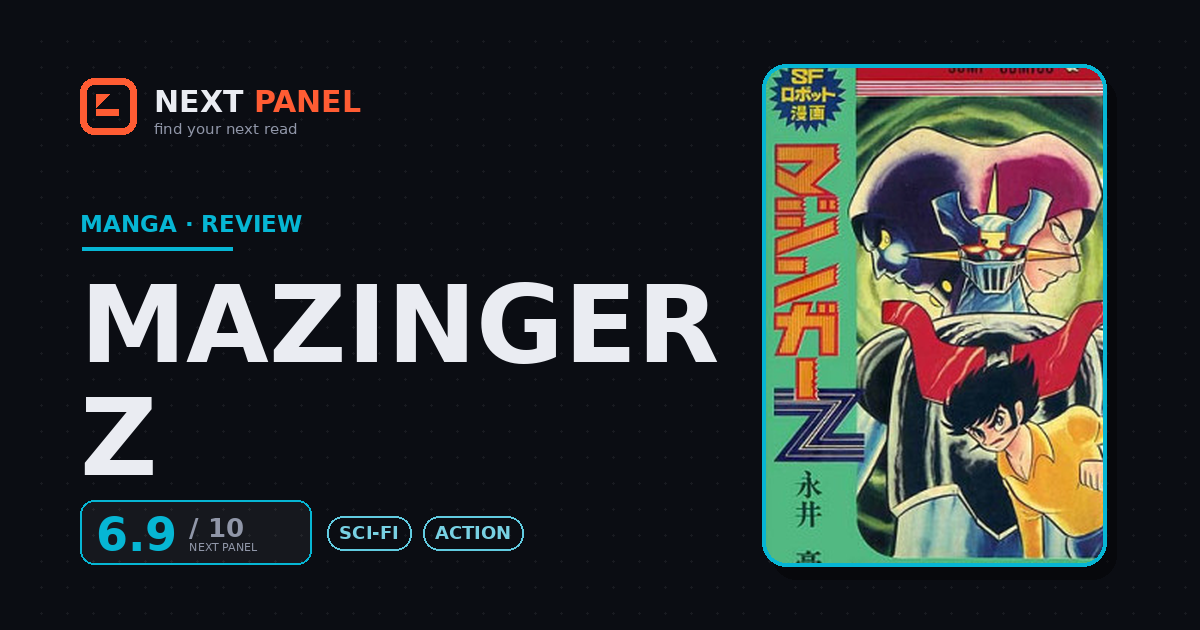
Short, mean, and historically enormous — read it for what it started, and you'll still have fun along the way.
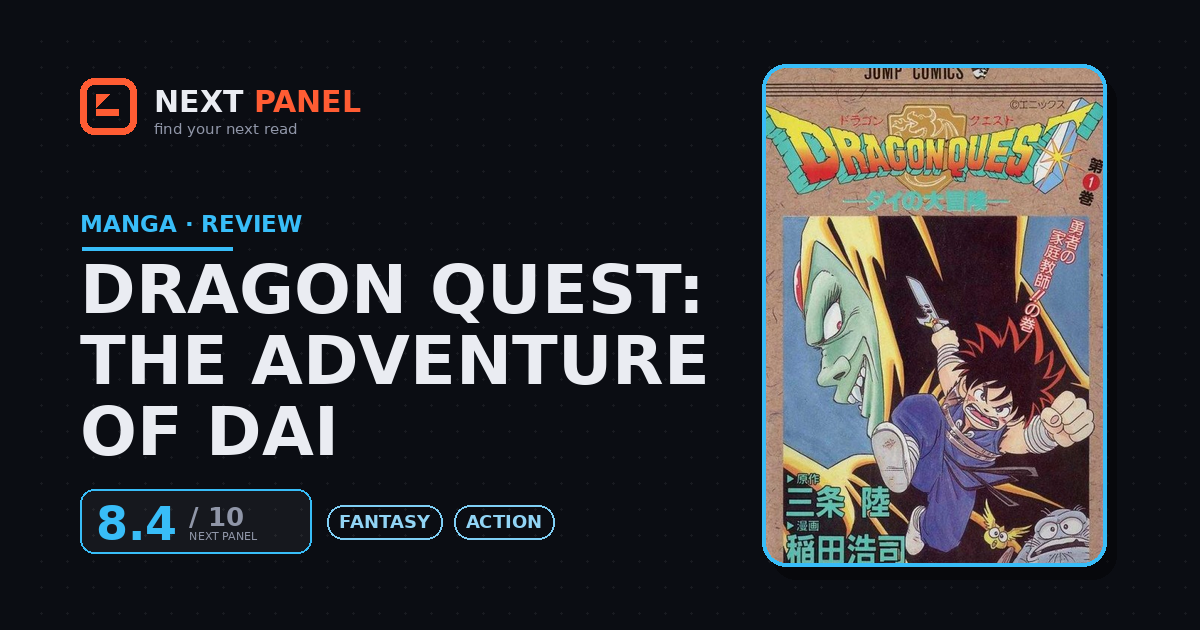
Popp's arc alone justifies the read; the rest of the cast and the spell-based power system just make the case stronger.

Melancholy runs through every page of this one, and it's exactly what makes Harlock's defiance mean something.
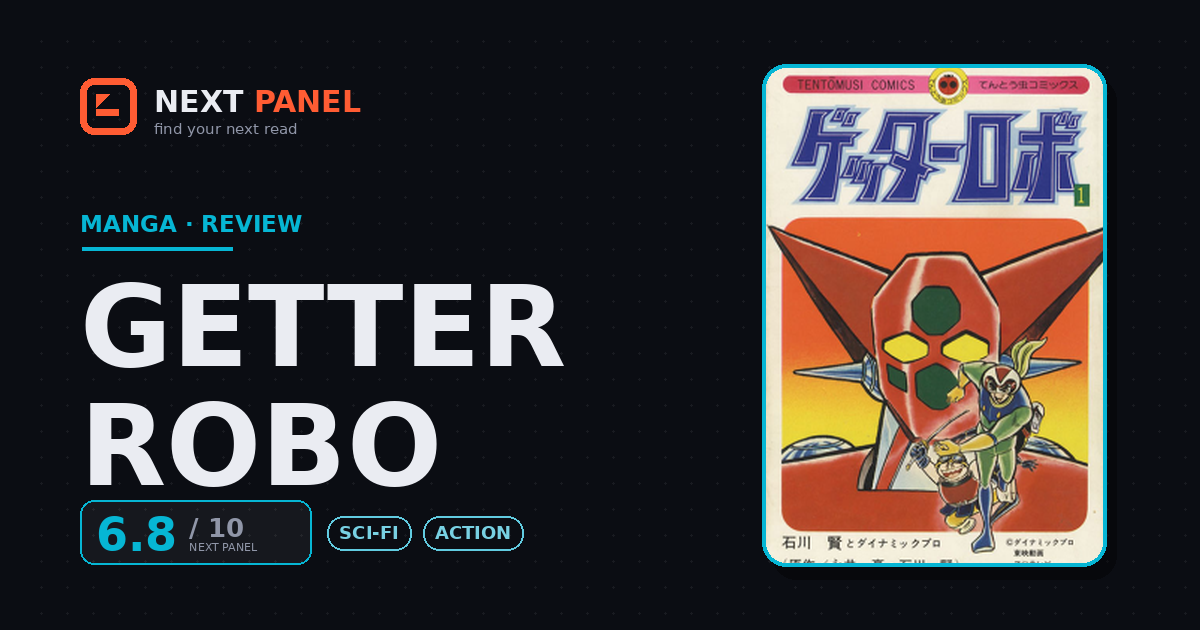
More important than it is enjoyable — read it for the history, not expecting a polished story.
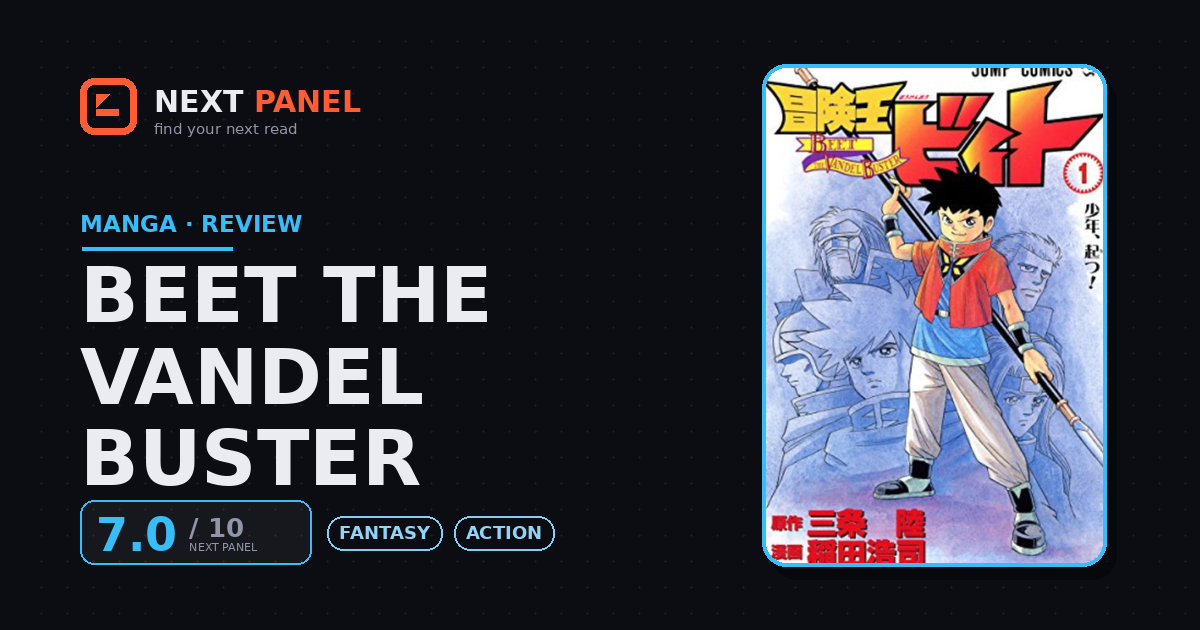
It does the inherited-power shōnen formula better than most, but the real-world hiatuses make it hard to recommend without a warning label.
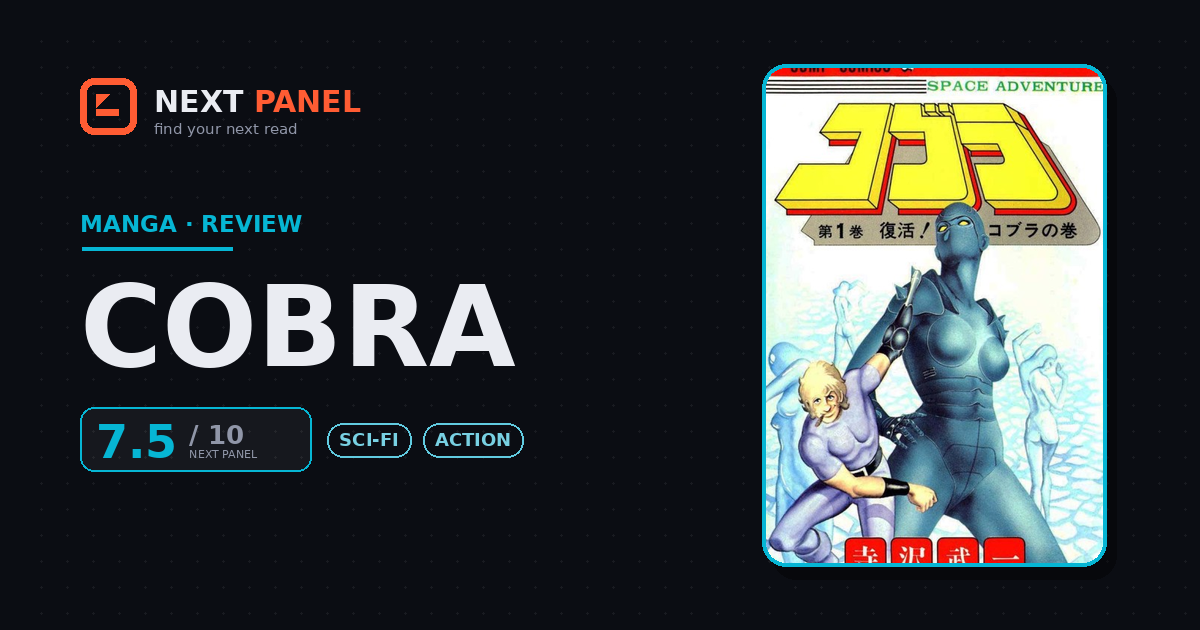
Terasawa's art alone is worth the read; the loose plotting and the constant ogling are the price of admission for something this era-specific.
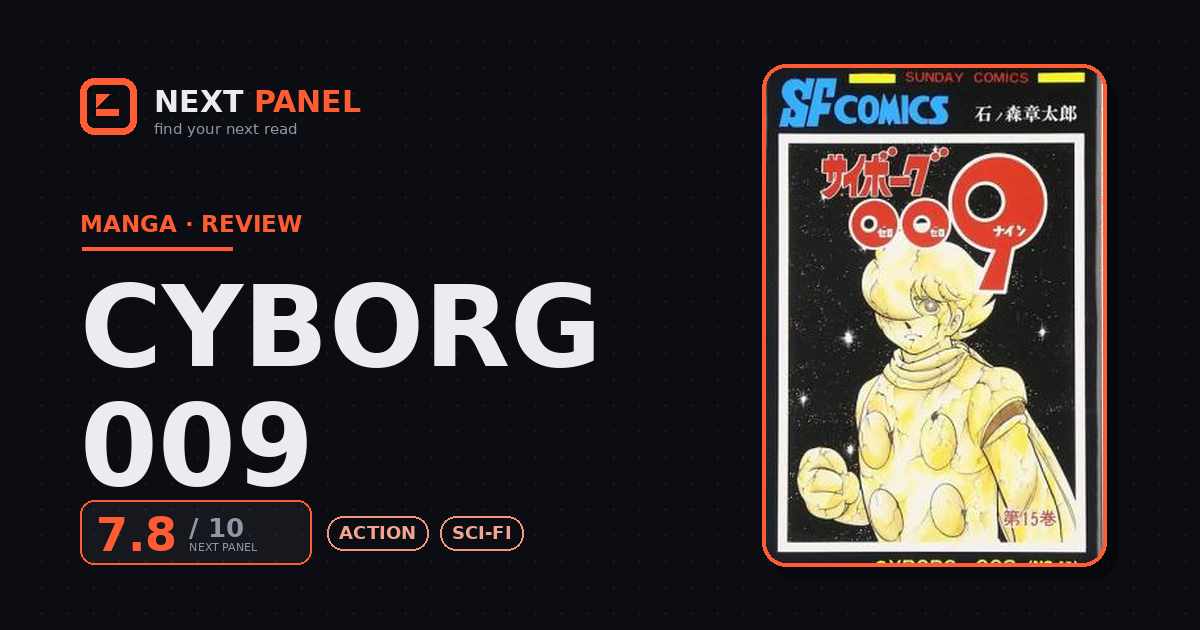
Nine strangers turned into weapons choosing not to be weapons is still a genuinely great hook, six decades later.