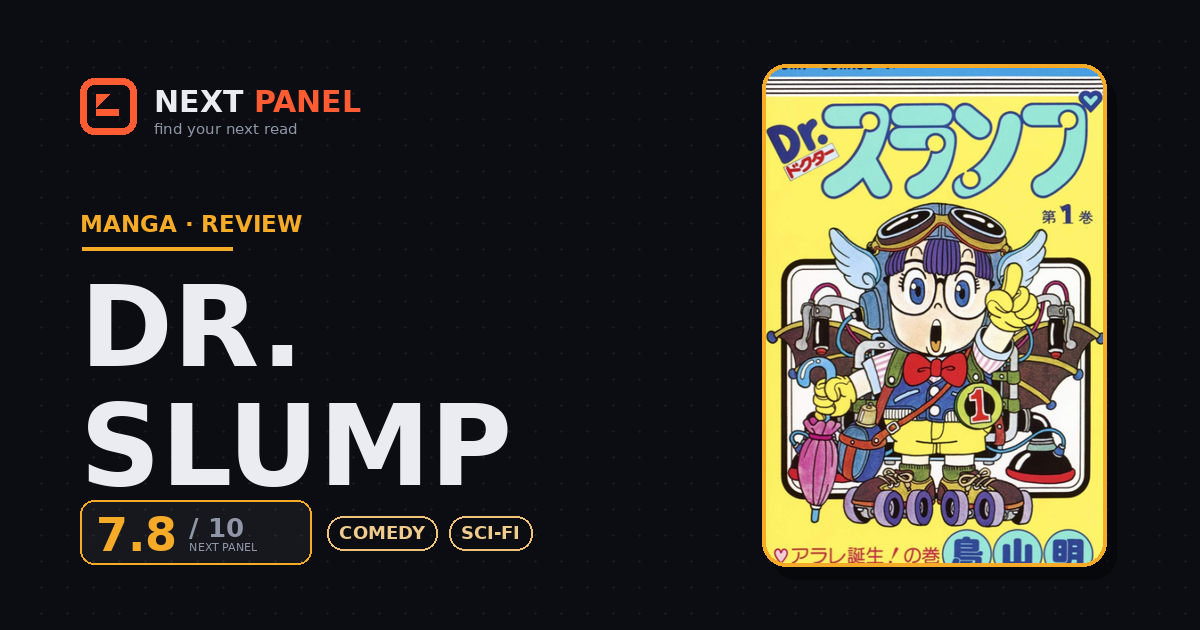
Manga7.8Minor SpoilersCompleted
Is Dr. Slump Worth Reading? Review & Where to Read
Arale carries the whole thing on pure chaotic charm, and that's enough even when the jokes show their age.
Spoiler-light · Honestly rated
Every review labels its spoiler level, separates art from writing, and ends with an official way to read.
We use the whole 1–10 scale and judge each title against the best version of what it is trying to be — a comedy on how funny it is, a thriller on its tension — not against some other genre. As a rough guide: 9+ is all-time great, 8 excellent, 7 a solid recommendation with caveats, 5–6 mixed or average. A 7 is a genuine yes, not a knock. The “Community score” in each review is the crowd rating from AniList, MAL, and MangaUpdates, shown next to ours for comparison.
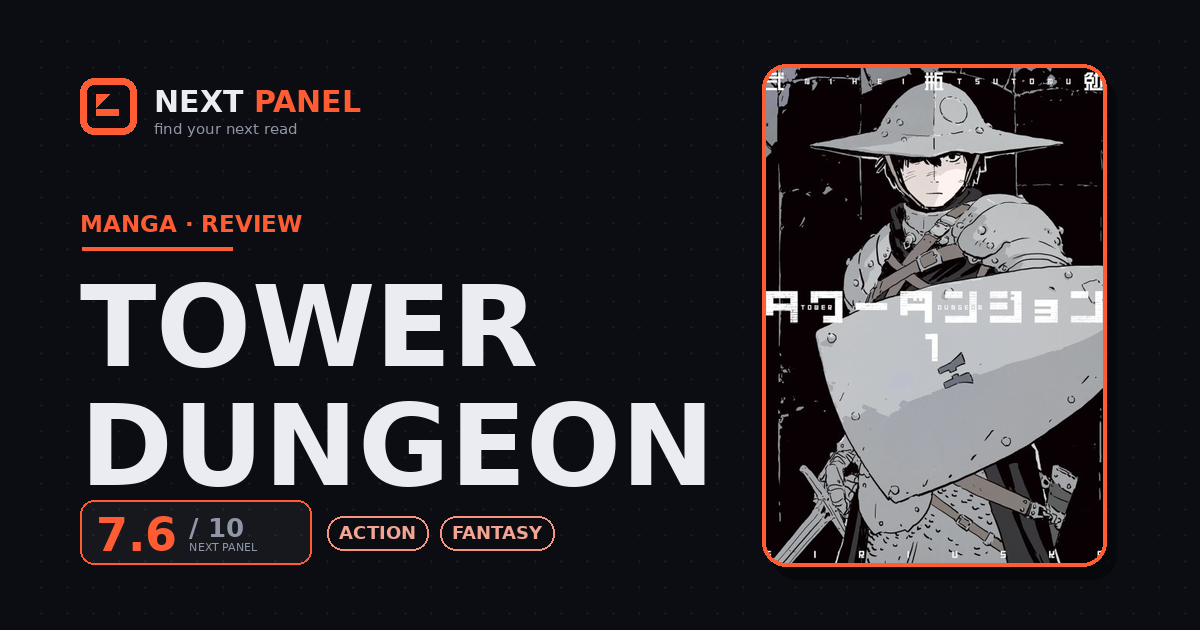
Nihei draws a tower like it might collapse on you personally, and that oppressive scale is doing most of the storytelling here.
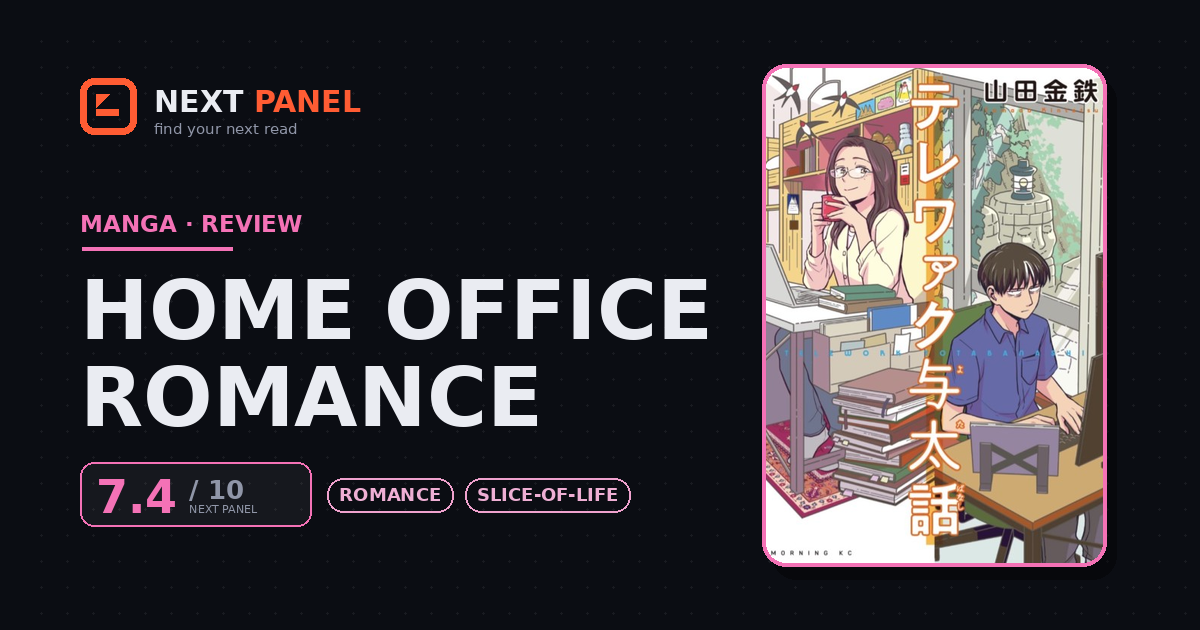
One volume, one balcony, and one of the more believable slow-build romances you'll find in that little space.
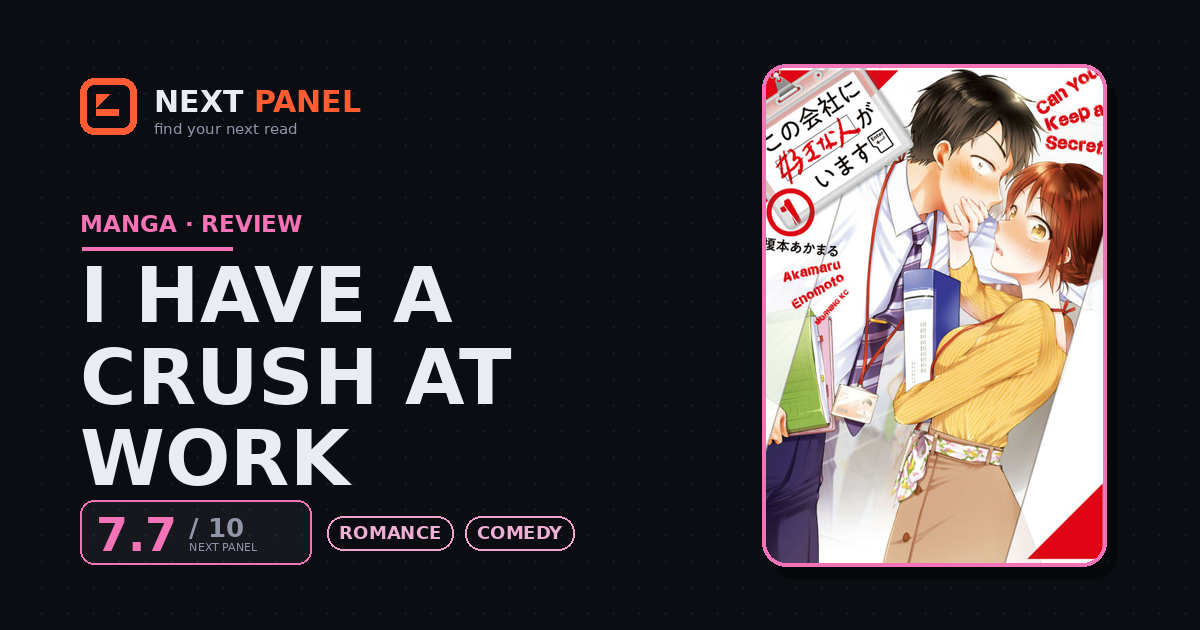
The premise is a sitcom pitch, and the execution is sharp enough that the sitcom pitch never gets old across fifteen volumes.
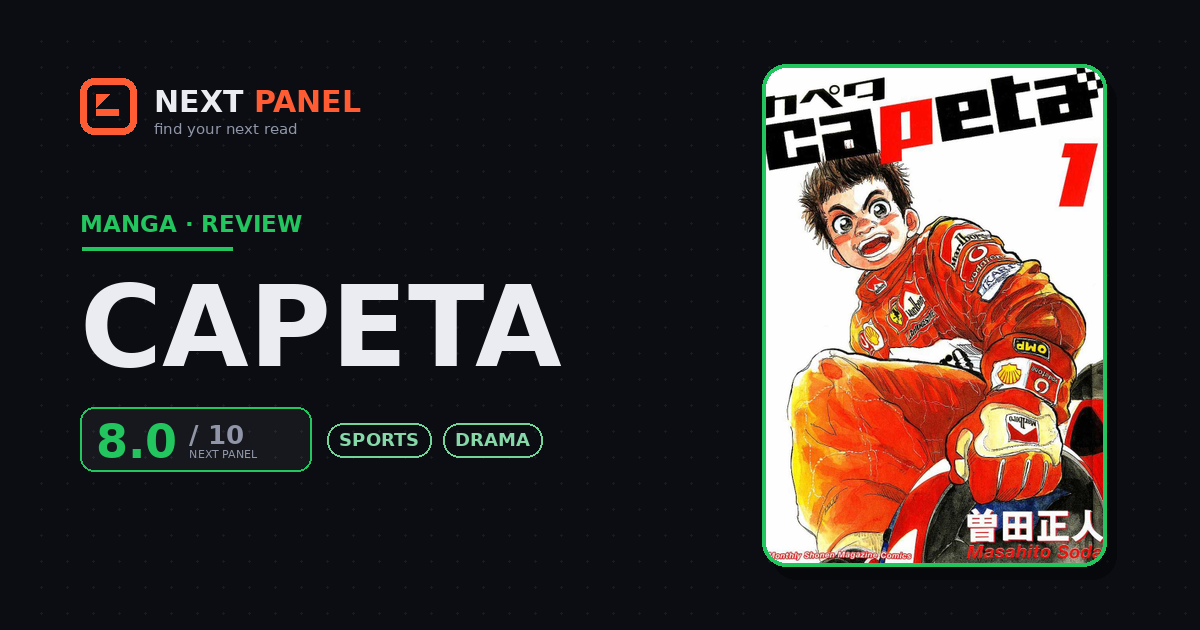
Most racing manga treat the cars as an afterthought to the drama. Capeta treats the cars like they matter, and the drama is better for it.
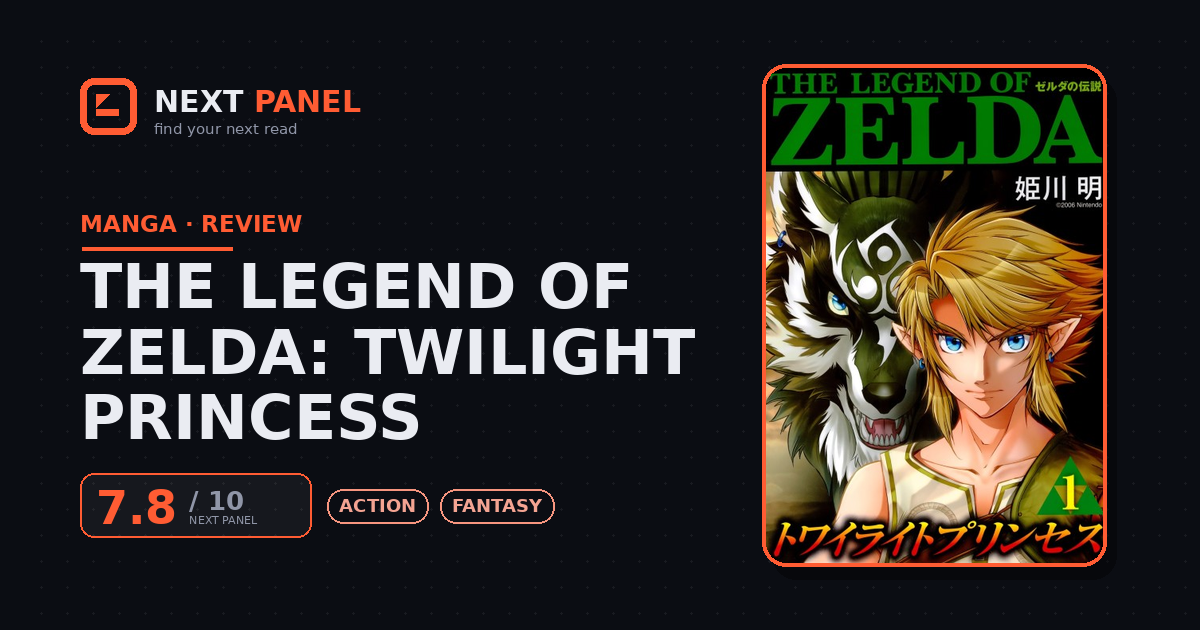
Video game manga adaptations are usually padding; this one is the rare case that actually improves on its source material's character work.
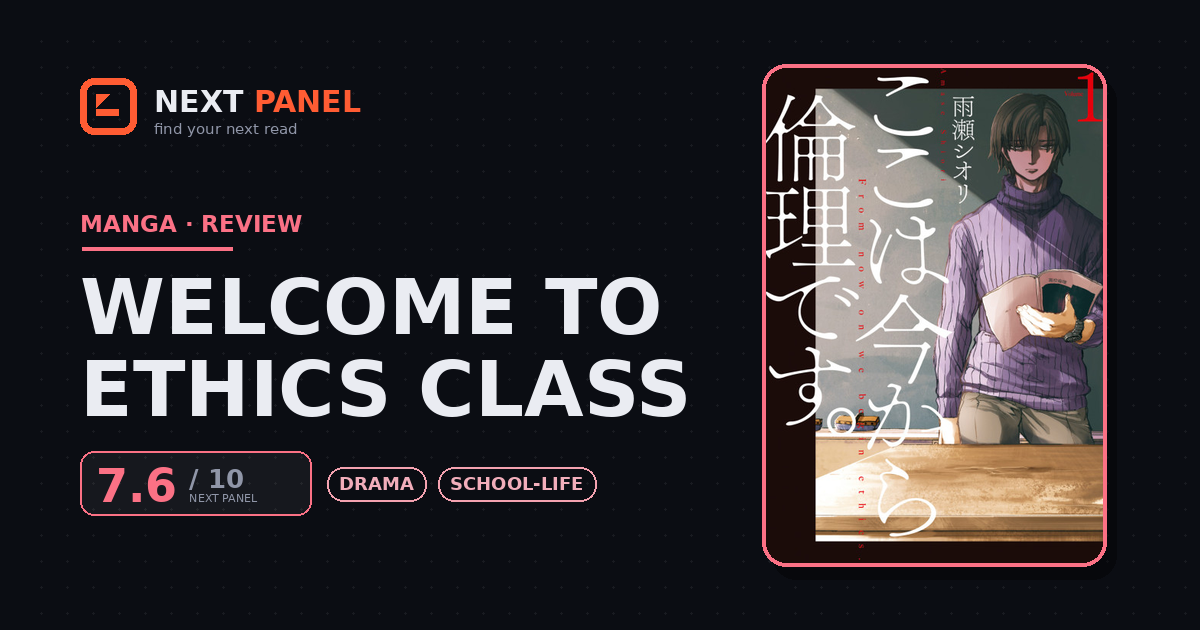
Homework is what the premise sounds like. What it actually is: one of the more quietly affecting school dramas out there.

Tama and Jinka's mismatched, prickly bond does more heavy lifting than most of the monster-of-the-week fights around it, and it's better for it.
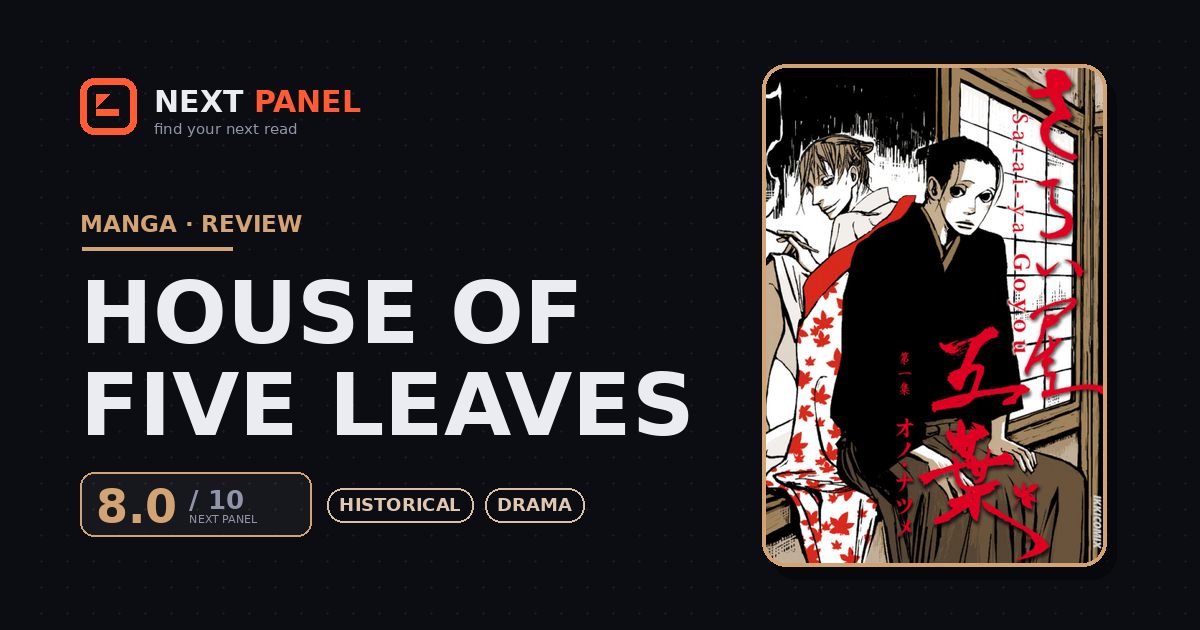
Nobody in this gang explains themselves, and figuring out why is most of the fun.

Barely a couple hundred pages long, and it still hits harder than romances five times its length.
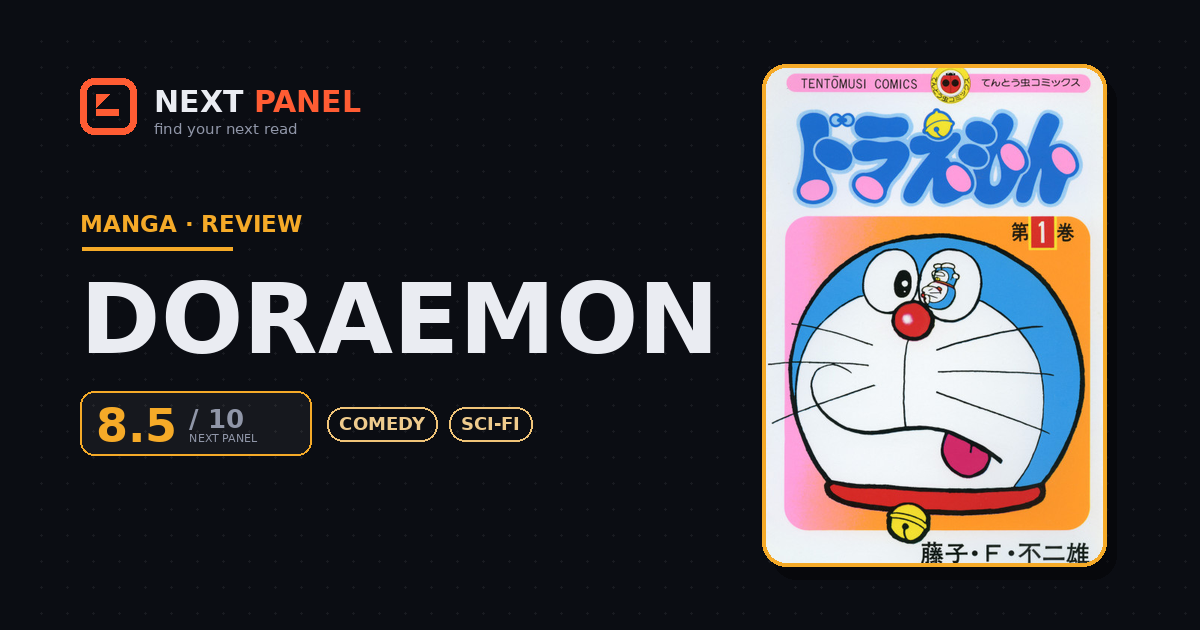
Almost nothing happens across any single chapter, and somehow that's exactly why it's been running for over fifty years.