
Manga7.3Completed
Is Kagerou Daze Worth Reading? Review & Where to Read
It's less a manga you can judge chapter by chapter and more a puzzle box you have to trust will eventually click — which it does, if you stick with it.
Spoiler-light · Honestly rated
Every review labels its spoiler level, separates art from writing, and ends with an official way to read.
We use the whole 1–10 scale and judge each title against the best version of what it is trying to be — a comedy on how funny it is, a thriller on its tension — not against some other genre. As a rough guide: 9+ is all-time great, 8 excellent, 7 a solid recommendation with caveats, 5–6 mixed or average. A 7 is a genuine yes, not a knock. The “Community score” in each review is the crowd rating from AniList, MAL, and MangaUpdates, shown next to ours for comparison.
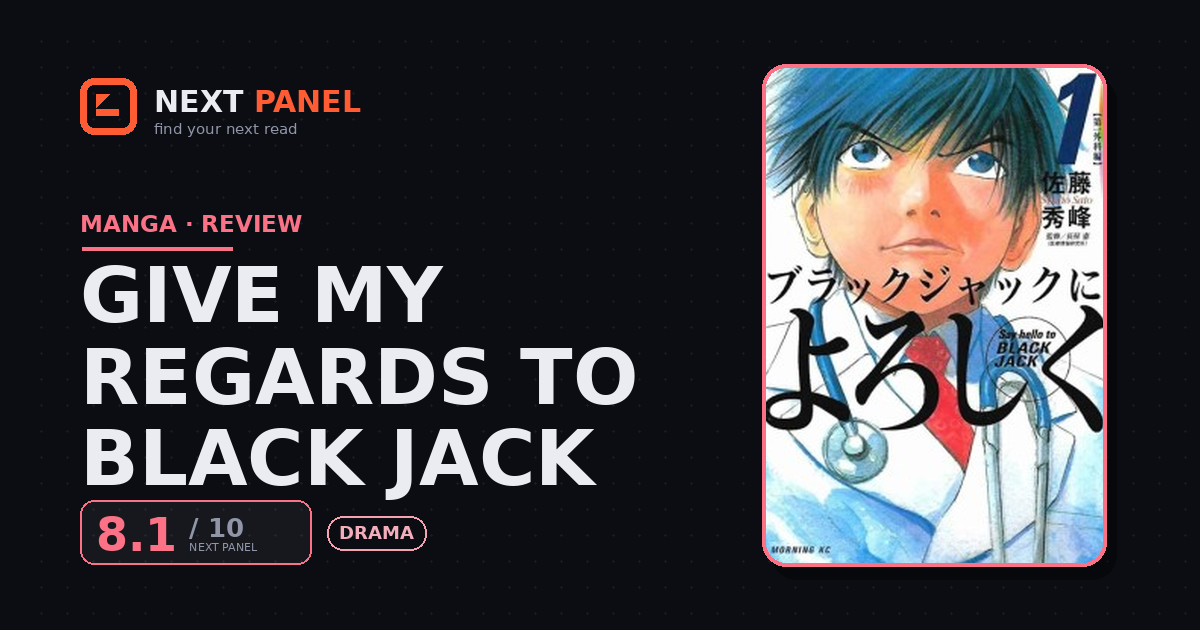
This is angrier and bleaker than most medical manga get, and it's better for it — Saito's idealism gets ground down in a way that feels honest rather than manipulative.
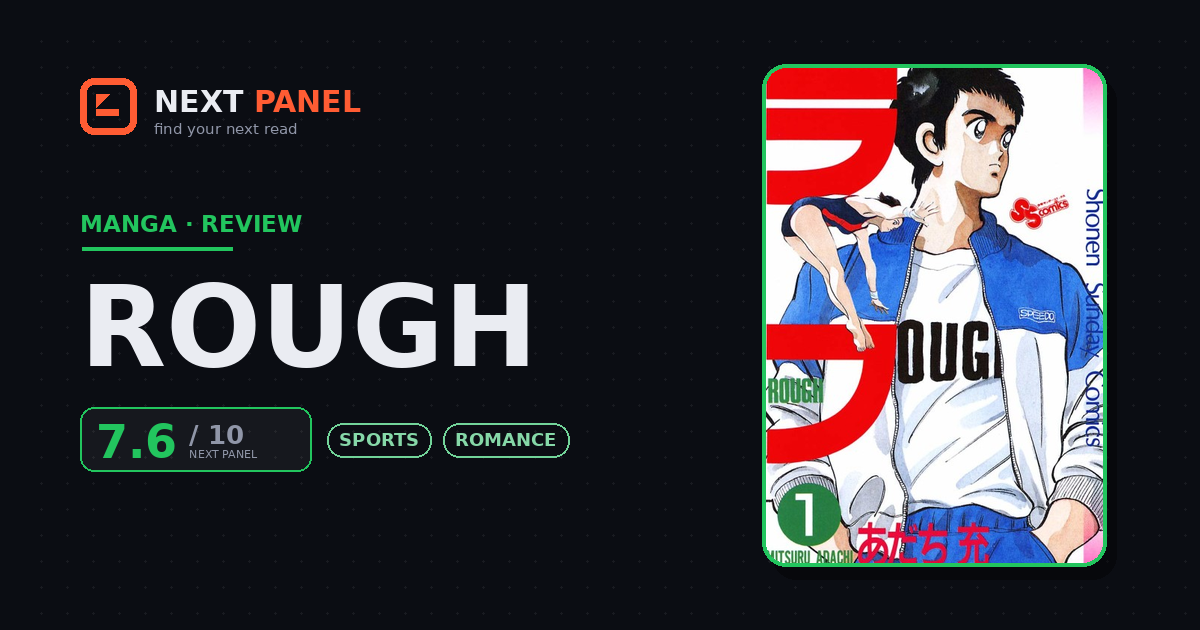
Adachi does more with a raised eyebrow and an unfinished sentence than most manga do with a five-page monologue, and Rough is a tidy showcase of exactly that skill.
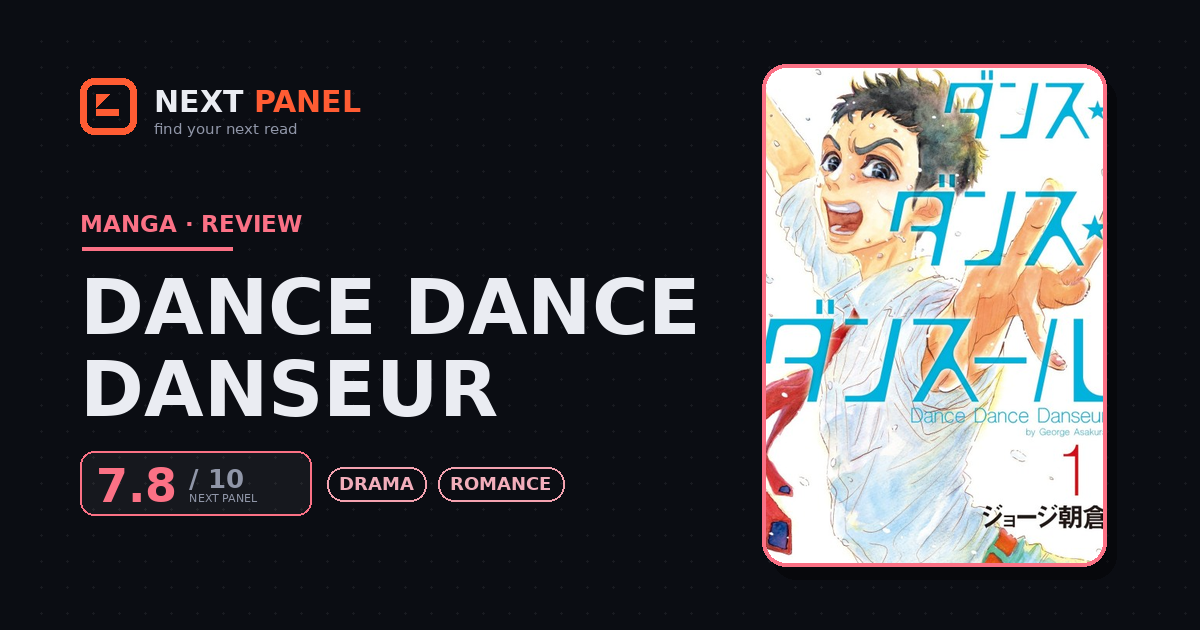
It's less interested in easy inspiration than in how much a body and an ego have to be rebuilt to actually dance well, which makes it sting more than most sports-manga comebacks.
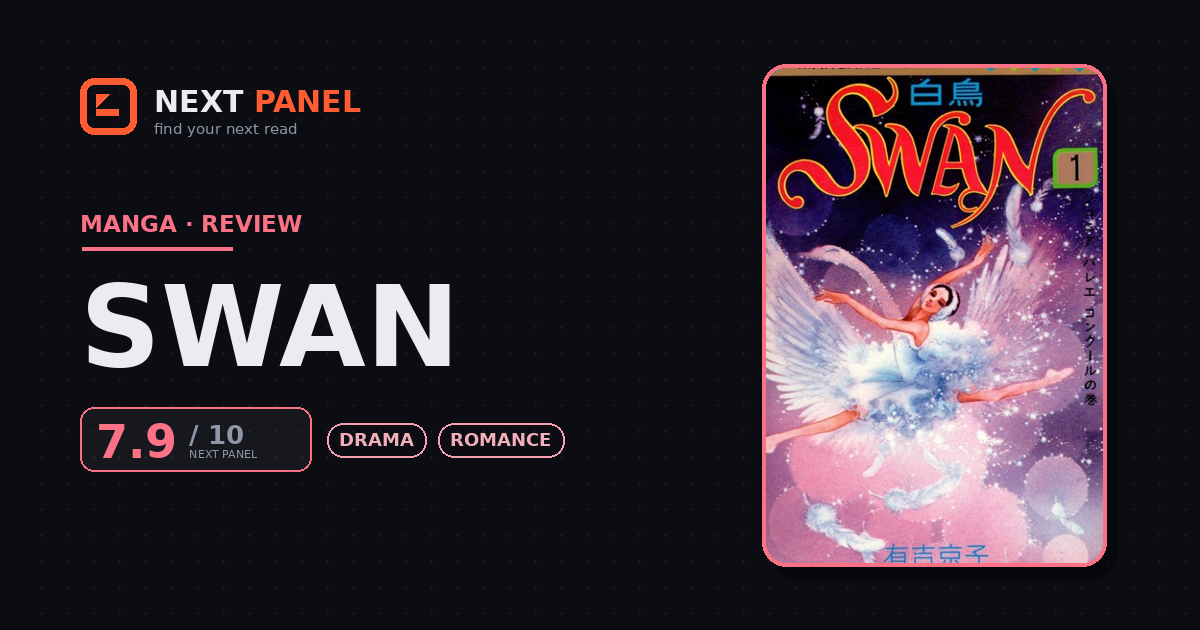
The dance pages alone are worth the search — Ariyoshi draws movement in a way that still doesn't have many equals decades later.
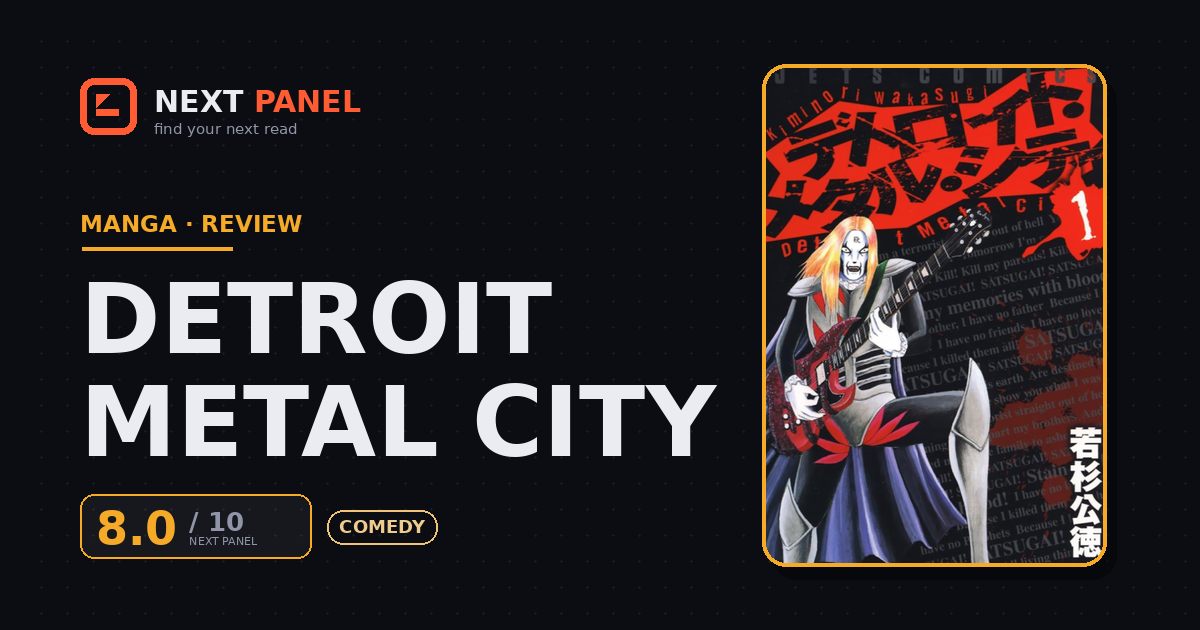
One joke, told extremely well and extremely loudly, for exactly as long as it needs to be and not a page longer.
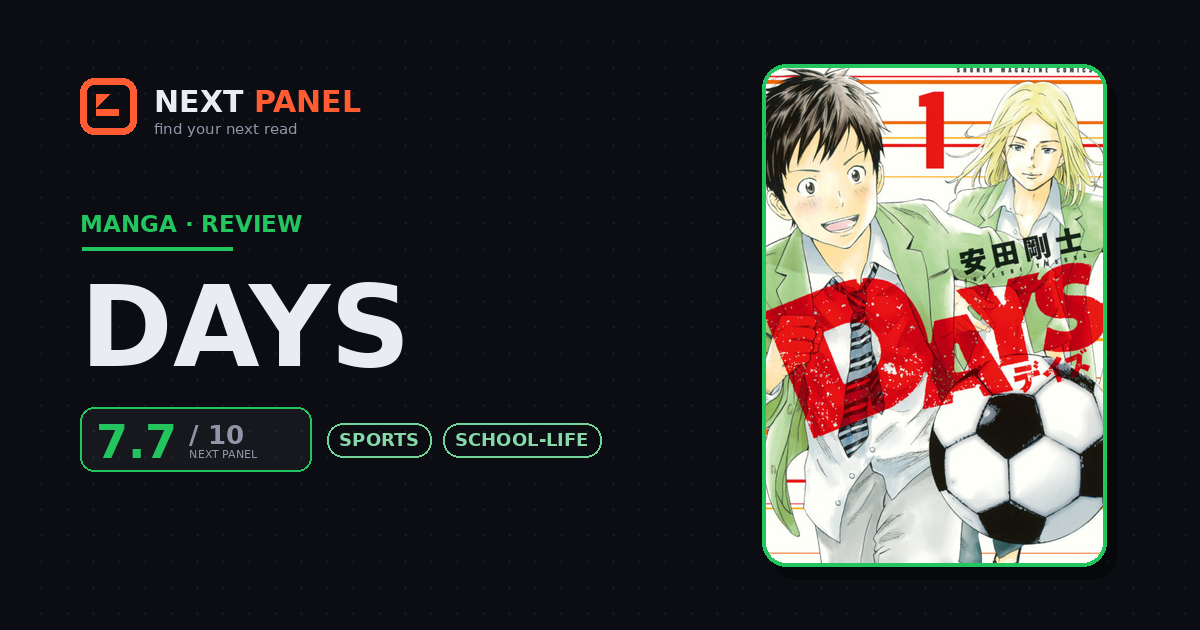
Tsukushi is one of the more likeable useless-kid-turned-asset leads in sports manga, and DAYS earns the tears it's clearly going for more often than it doesn't.

It follows the sports-manga formula closely, but Amase draws rugby specifically and clearly enough that you actually understand what's happening on the field, which a lot of sports manga can't manage.
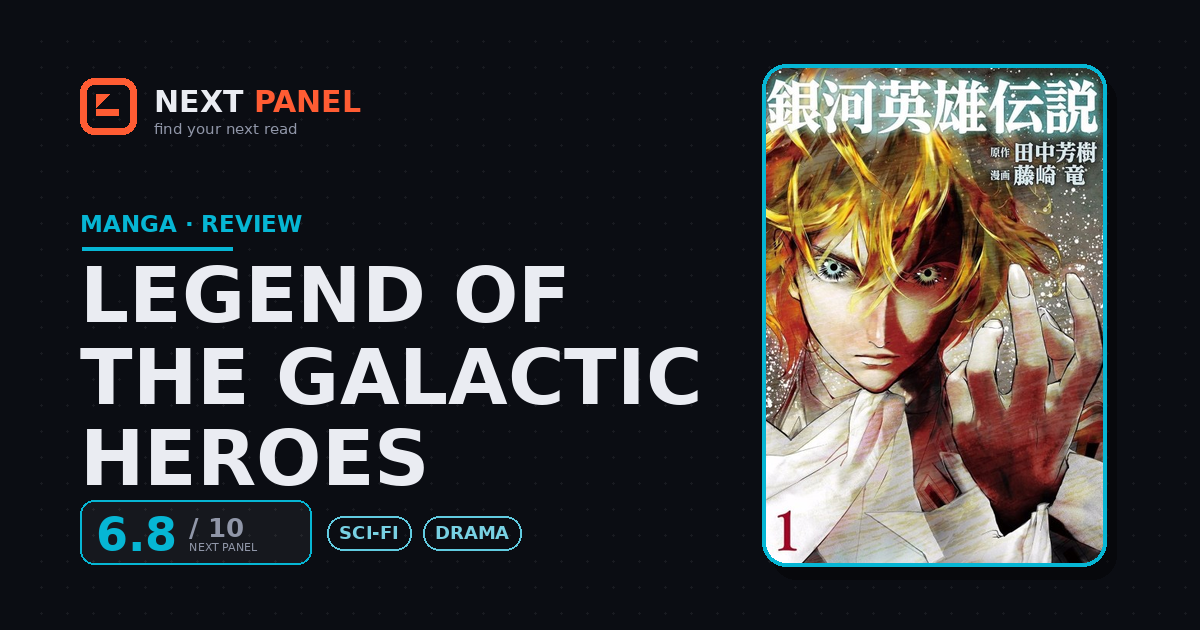
Gorgeous, politically dense, and clearly running out of room by the end — this is a companion piece for fans more than a first stop for newcomers.
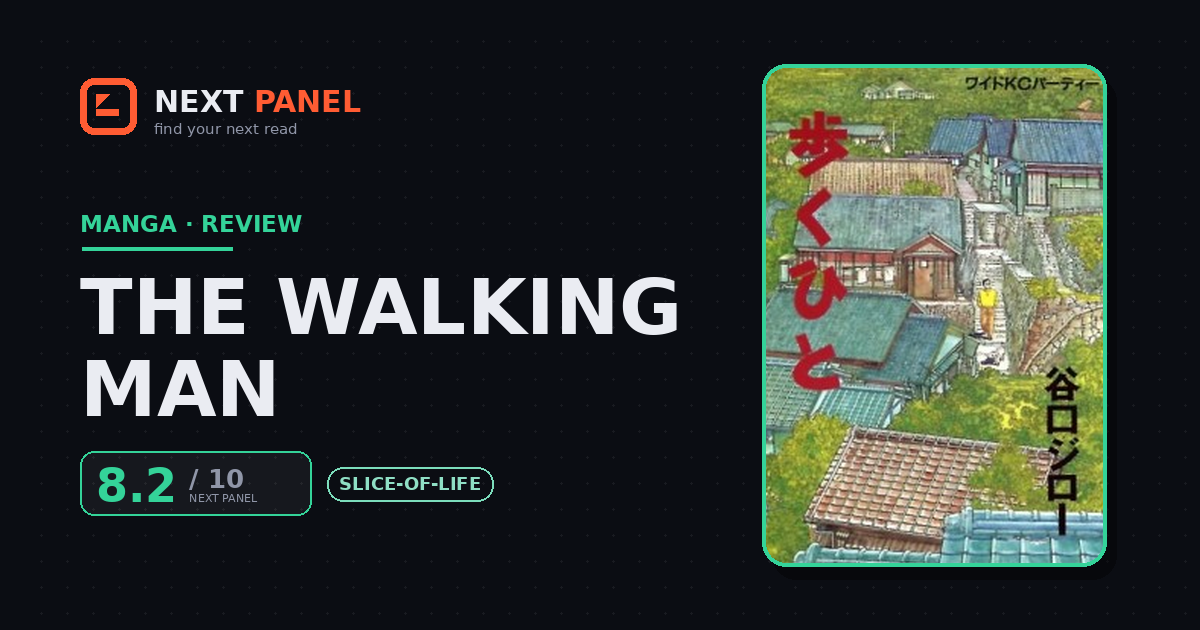
This isn't really a story — it's an exercise in noticing things, and Taniguchi's linework makes that exercise worth your time.

Hinomaru is built like a middle schooler and wrestles like he isn't -- the gap between the two is the whole hook, and the manga milks it well without ever feeling cheap.