Manga7.6Completed
Is Trapped in a Dating Sim Worth Reading?
Funny, sharper-than-average gender-flipped isekai carried by a cynical lead and a villainess arc that actually earns its romance.
Spoiler-light · Honestly rated
Every review labels its spoiler level, separates art from writing, and ends with an official way to read.
We use the whole 1–10 scale and judge each title against the best version of what it is trying to be — a comedy on how funny it is, a thriller on its tension — not against some other genre. As a rough guide: 9+ is all-time great, 8 excellent, 7 a solid recommendation with caveats, 5–6 mixed or average. A 7 is a genuine yes, not a knock. The “Community score” in each review is the crowd rating from AniList, MAL, and MangaUpdates, shown next to ours for comparison.
Comfortable, well-liked isekai carried by a competence-over-power lead and a found-family cast stronger than the genre's usual harem shorthand.
Warm, well-observed found-family slice-of-life built on some of the most convincingly written toddler characters in manga.
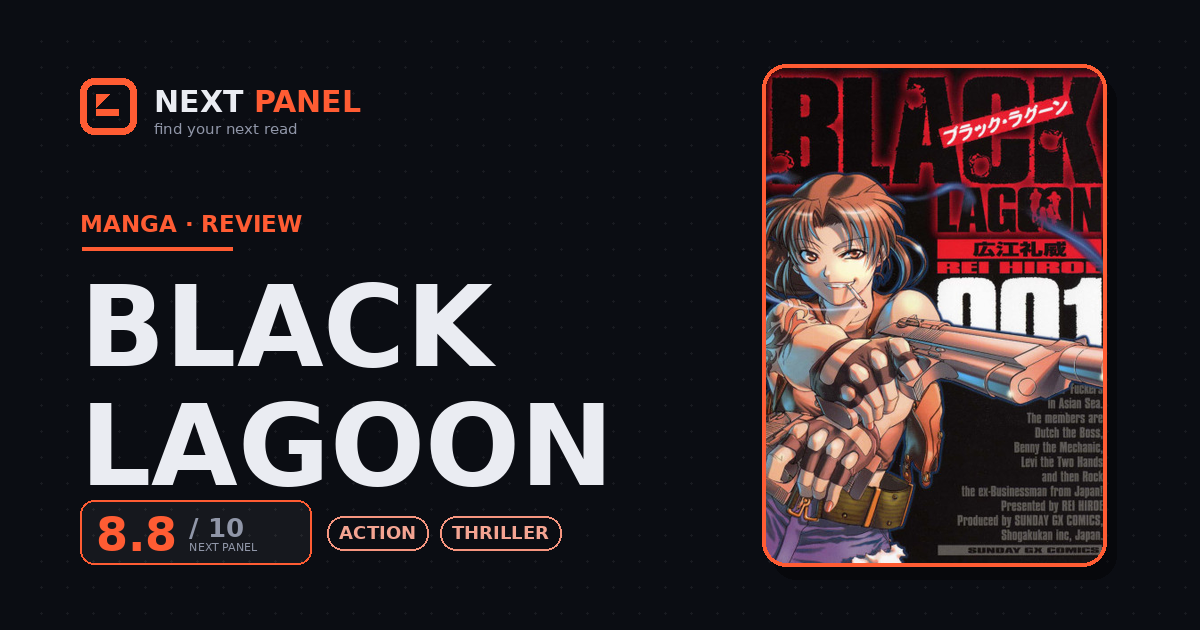
Sharply choreographed action seinen anchored by a genuinely compelling antihero duo, though the bleakness and glacial release schedule are real costs of entry.
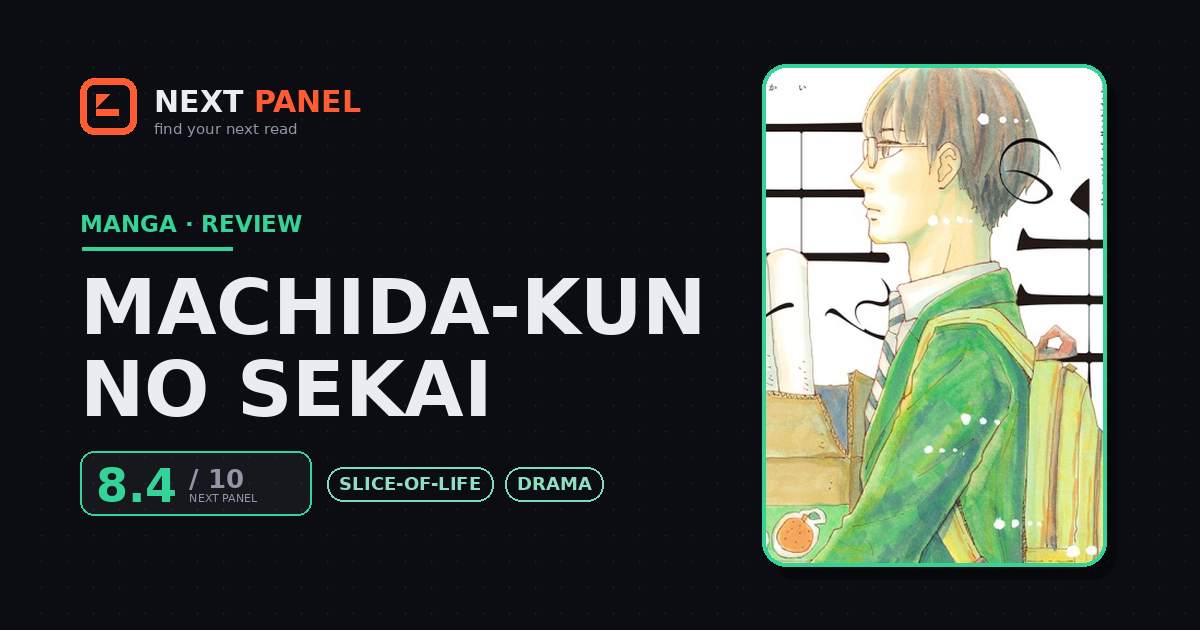
Sincere, quietly written slice-of-life about a boy who's kind without being exceptional in any other way.
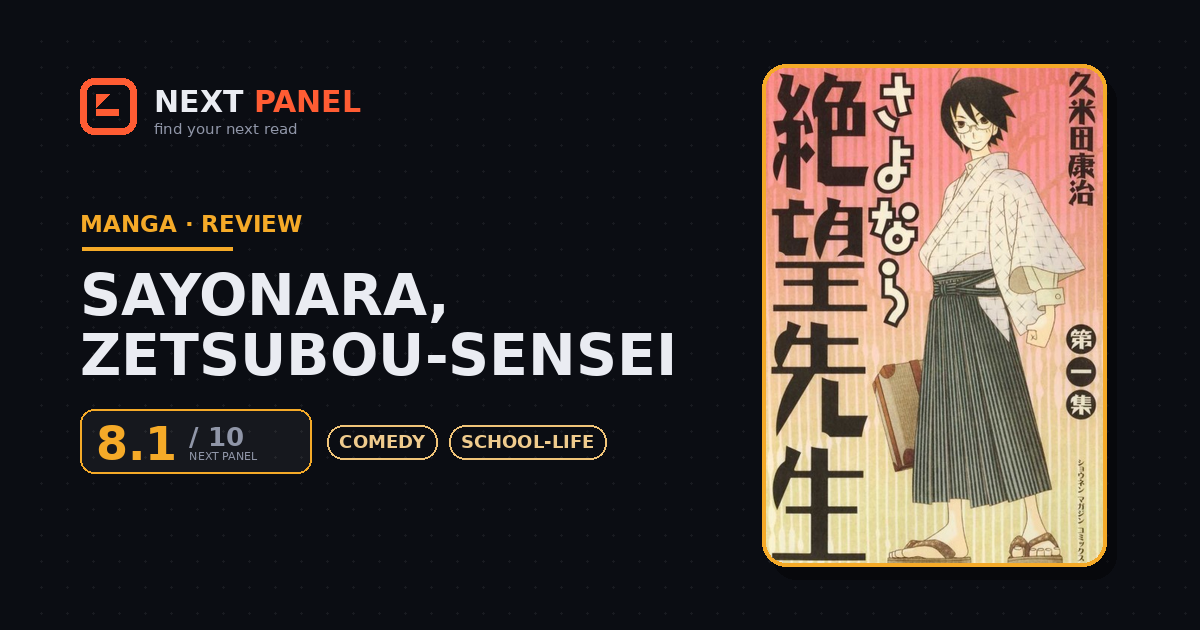
Dense, visually inventive satire that turns a gag-a-page structure into something much sadder than it first lets on.
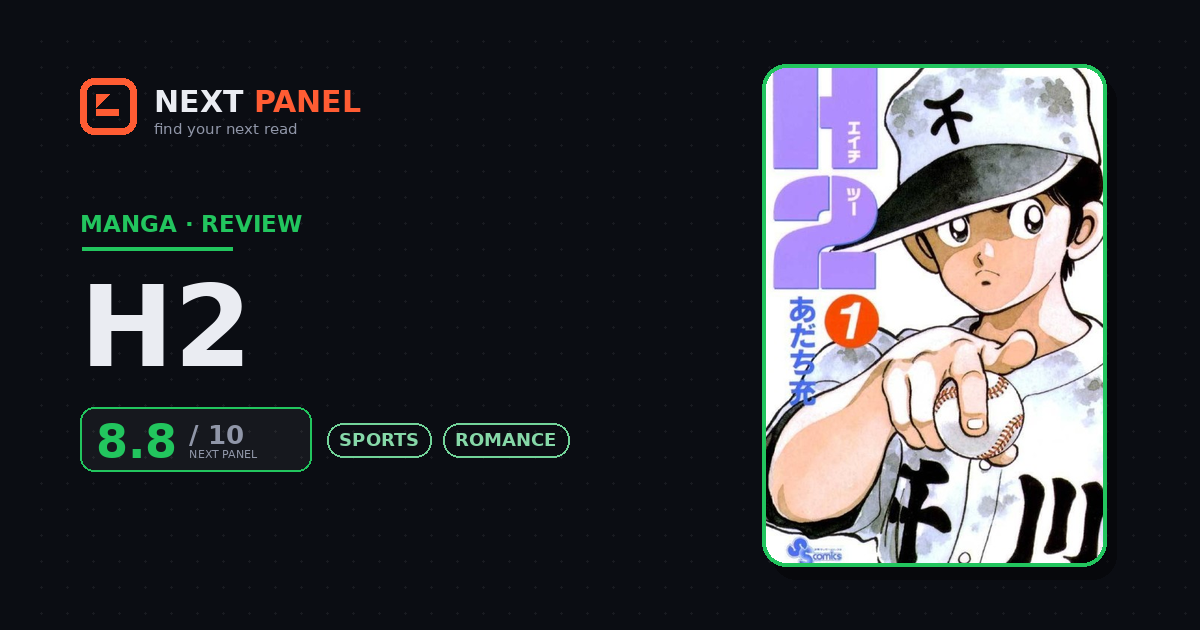
Career-best character work from Mitsuru Adachi, wrapped around a slow-burn romantic triangle that asks for real patience across thirty-four volumes.
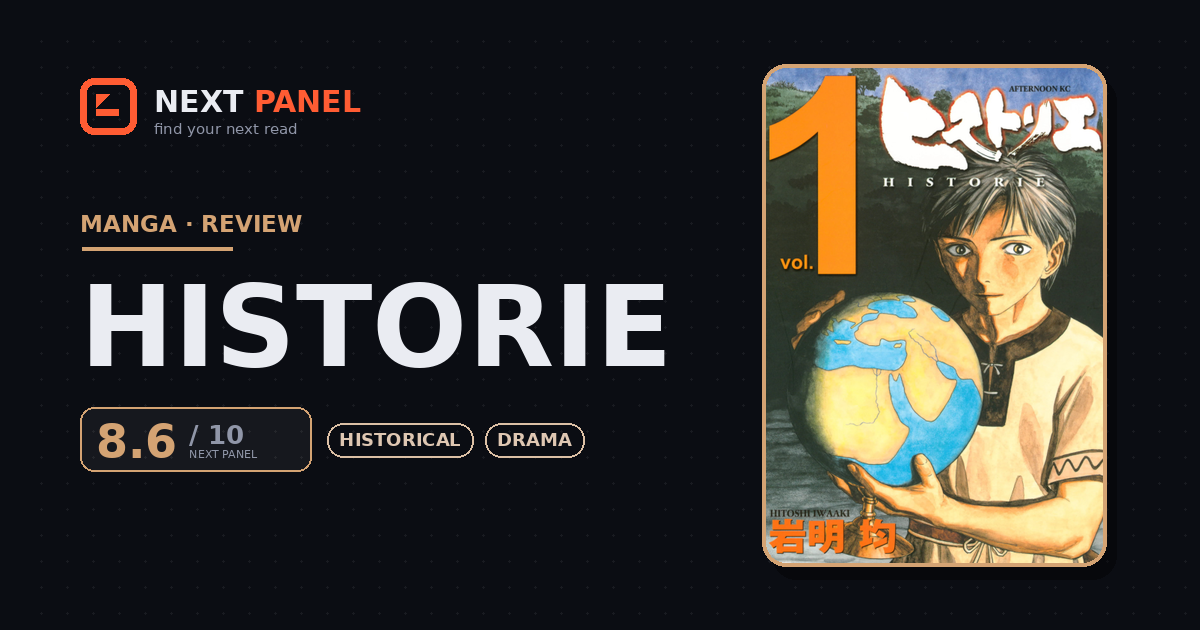
Meticulously researched historical fiction built around a protagonist who survives on wit instead of muscle, though the indefinite hiatus means you're reading an unfinished masterwork.
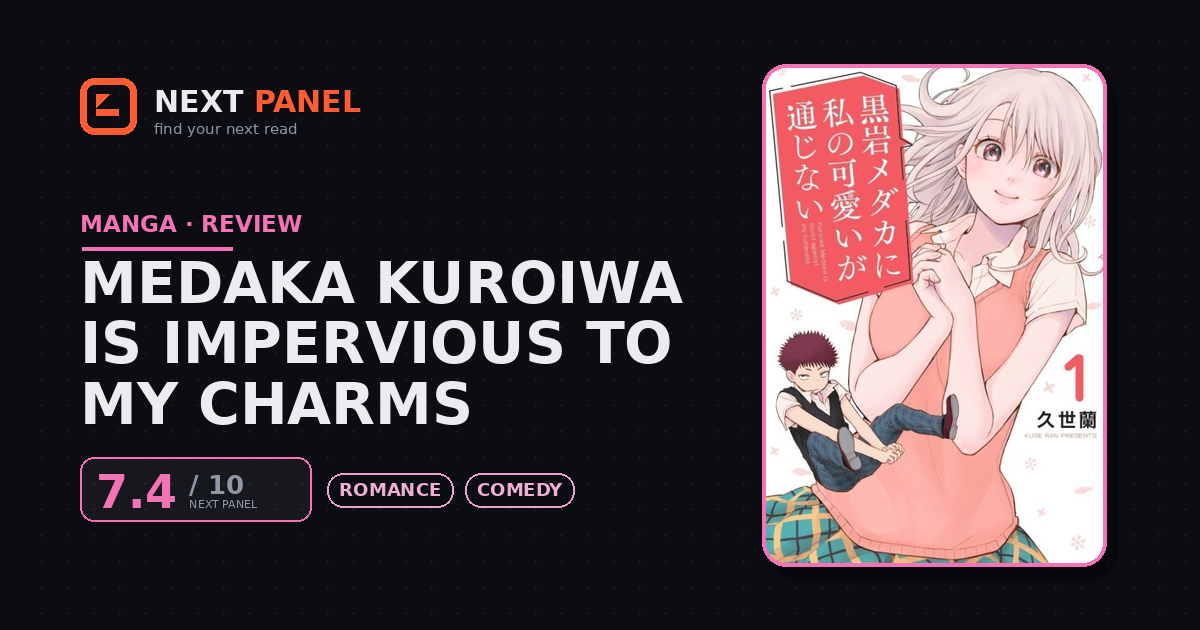
Both leads are already losing, they just won't admit it, and watching that mutual denial collapse chapter by chapter is funnier than the premise makes it sound.
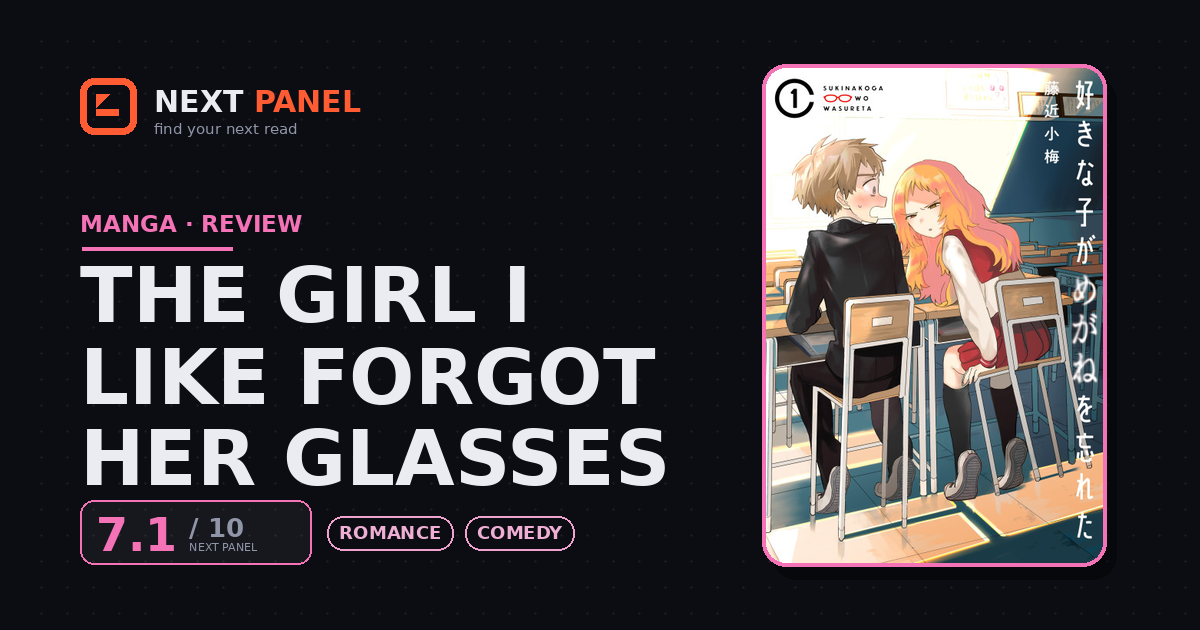
One joke, repeated for years, and it somehow keeps finding new, sweet ways to land — this is craft, not laziness.
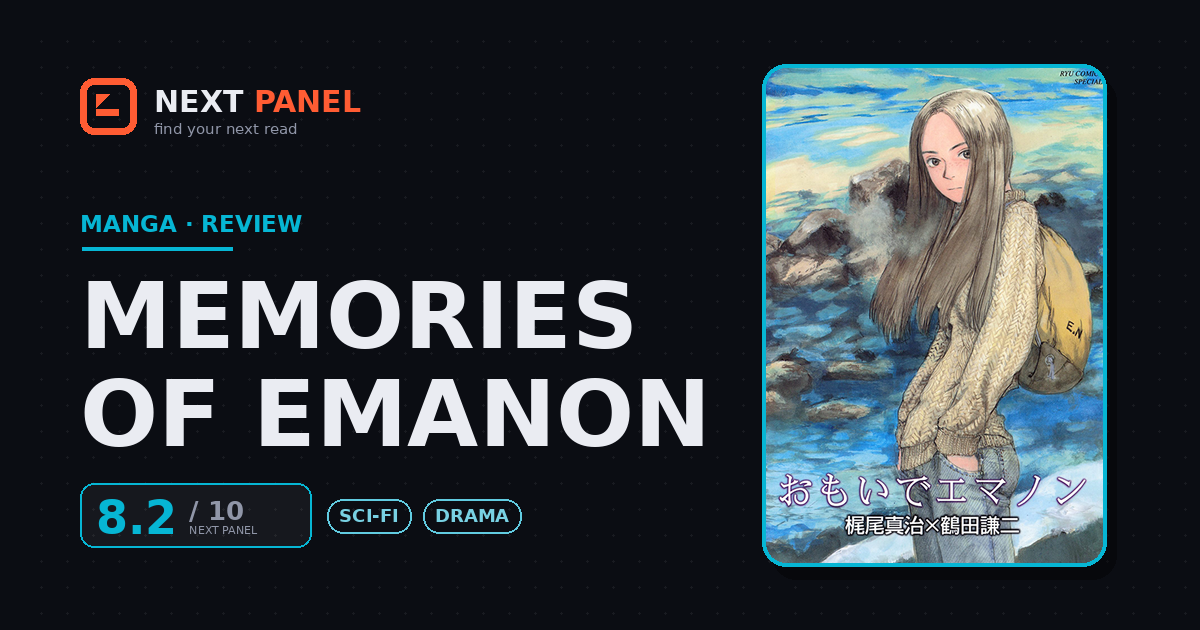
Barely any plot happens, and it doesn't need to — the central idea and Kenji Tsuruta's art carry the whole thing on quiet conversation alone.