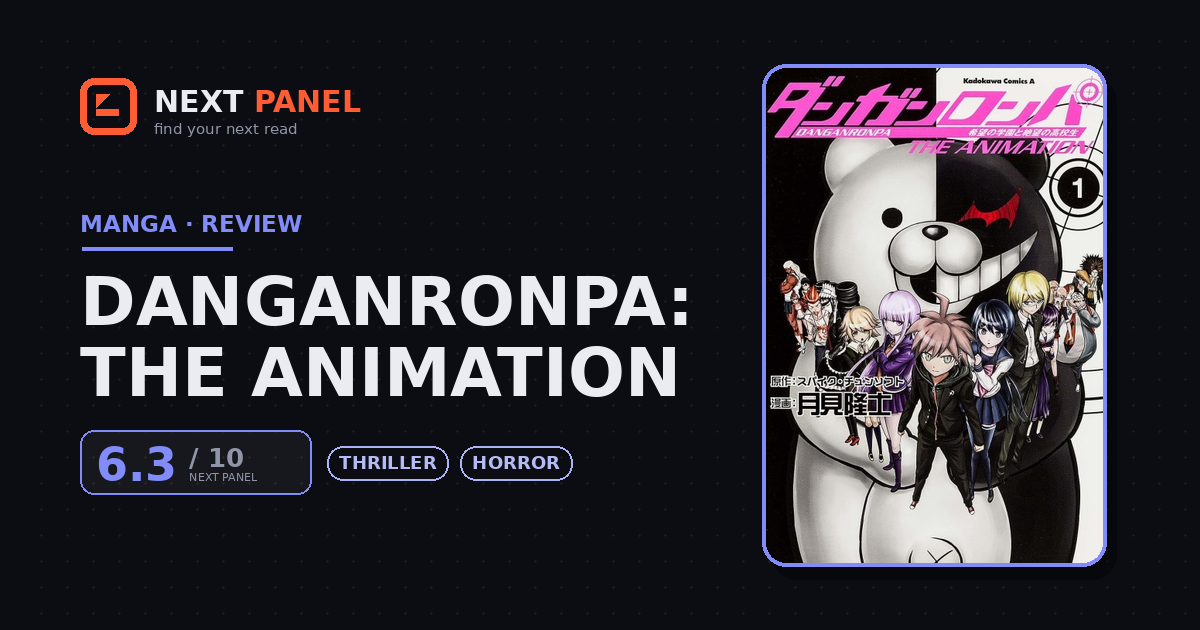
Is Danganronpa: The Animation Worth Reading? Review & Where to Read
This is Danganronpa with the investigation sanded down to hit the highlights, which makes for a fast read but a thinner mystery than the format deserves.
Spoiler-light · Honestly rated
Every review labels its spoiler level, separates art from writing, and ends with an official way to read.
We use the whole 1–10 scale and judge each title against the best version of what it is trying to be — a comedy on how funny it is, a thriller on its tension — not against some other genre. As a rough guide: 9+ is all-time great, 8 excellent, 7 a solid recommendation with caveats, 5–6 mixed or average. A 7 is a genuine yes, not a knock. The “Community score” in each review is the crowd rating from AniList, MAL, and MangaUpdates, shown next to ours for comparison.

Woojin and Gahyoung have clearly been a couple in every way but the label for years, and watching them finally catch up to that is more satisfying than it has any right to be.

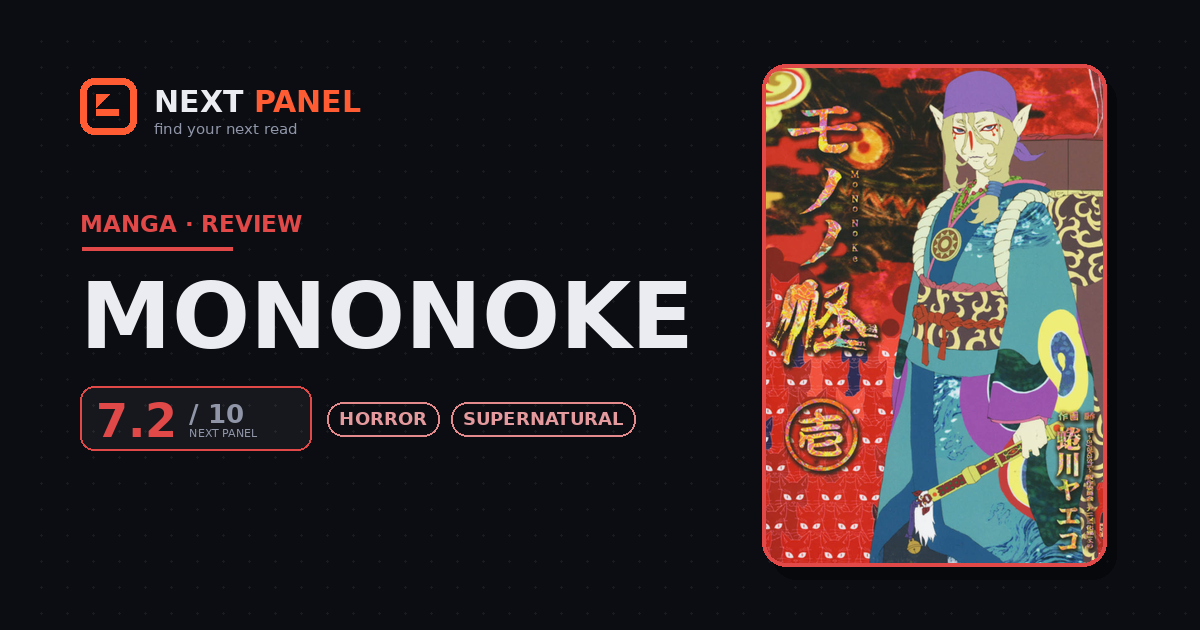
The Medicine Seller never raises his voice and never needs to — the horror here comes from what each spirit is hiding, not from how loudly it screams.

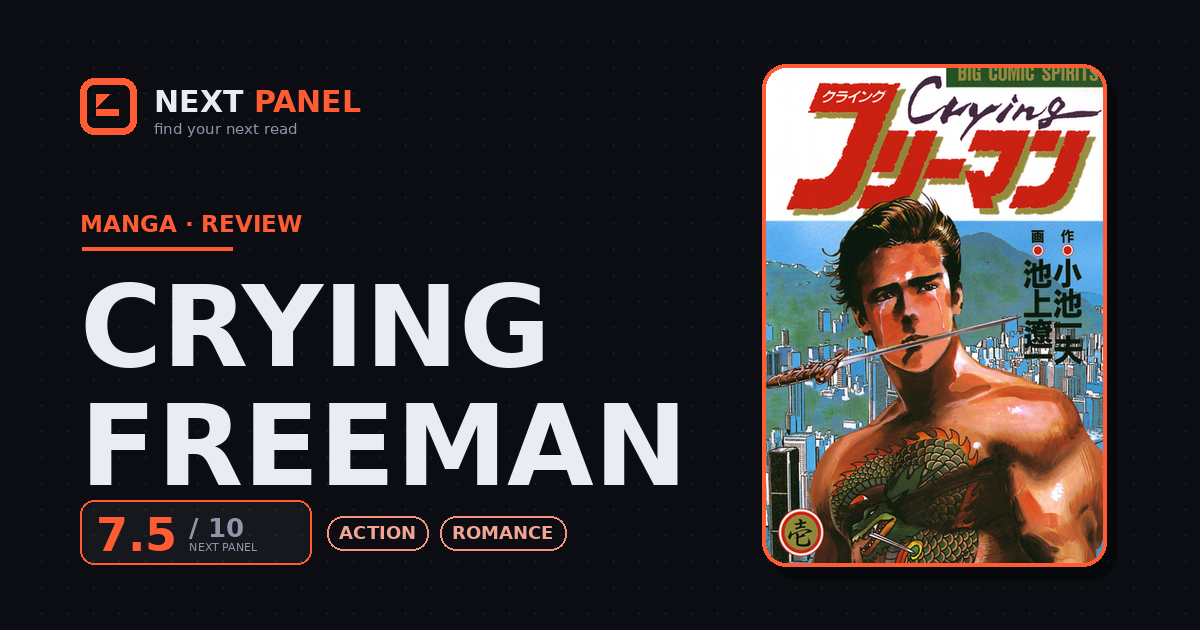
Ikegami draws Yo Hinomura like a photograph and Koike writes him like a myth, and the gap between those two approaches is exactly what makes this work.

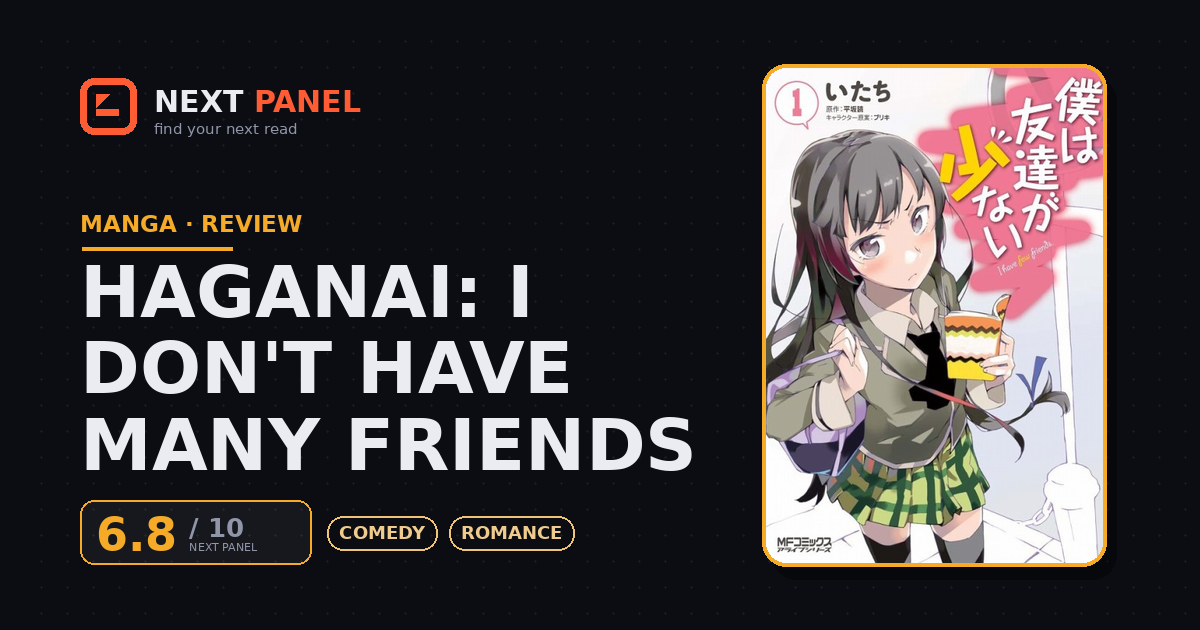
Nobody in this club actually gets better at making friends, and somehow that's the joke that keeps working across twenty volumes.

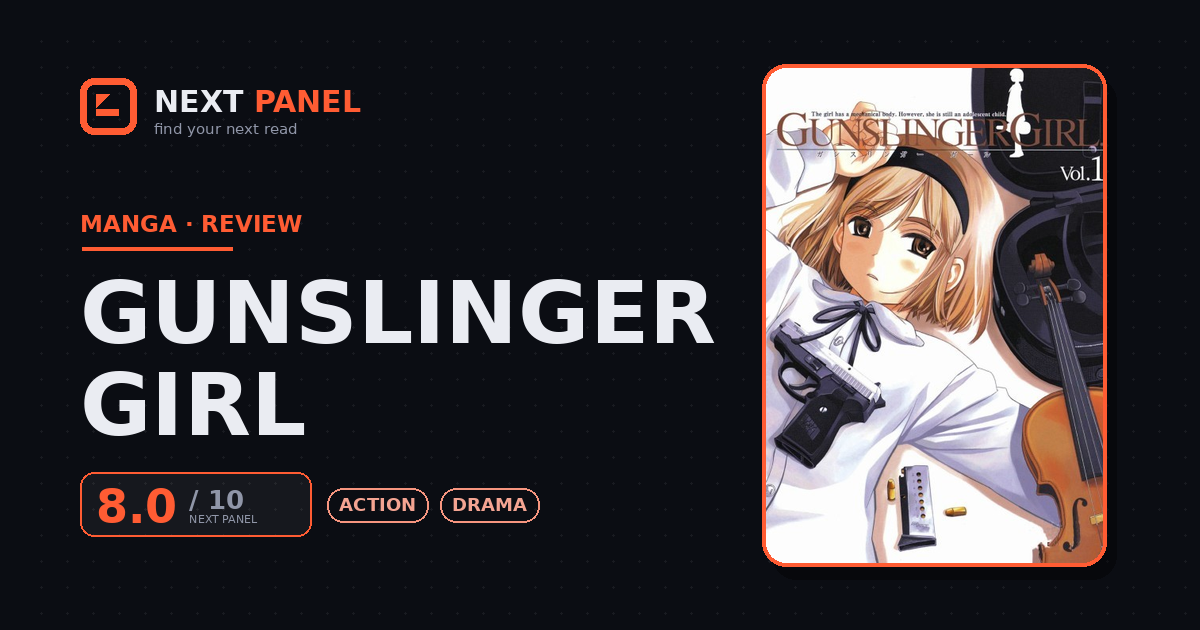
The gunfights are the least memorable part — it's the quiet scenes between handler and cyborg that stay with you, and not in a comfortable way.

Rito falls into more compromising positions than any human being should survive, and the whole series is built to keep that streak going.

Tsukune's monster harem plays every trope you'd expect, and it plays them competently enough to be a fun, disposable read.

Mashima found a new setting but brought the same toolbox, and whether that's a plus depends entirely on how tired you are of his other toolbox.

Eijun spends more time fighting for a spot on his own bench than pitching against rivals, and somehow that's the more compelling story.

Every scene between Tsukasa and Anzai carries the threat that it could end badly, and that tension never lets up across all 14 volumes.