
Manga7.8Minor SpoilersCompleted
Is Blue Spring Ride Worth Reading? Review & Where to Read
Kou's walls come down slower than some readers will have patience for, but when they finally do, it hits.
Spoiler-light · Honestly rated
Every review labels its spoiler level, separates art from writing, and ends with an official way to read.
We use the whole 1–10 scale and judge each title against the best version of what it is trying to be — a comedy on how funny it is, a thriller on its tension — not against some other genre. As a rough guide: 9+ is all-time great, 8 excellent, 7 a solid recommendation with caveats, 5–6 mixed or average. A 7 is a genuine yes, not a knock. The “Community score” in each review is the crowd rating from AniList, MAL, and MangaUpdates, shown next to ours for comparison.

The sacrificial-bride premise is familiar, but the story spends its time on Lavi's loneliness rather than his fangs, and that choice makes the romance land harder than it has any right to.
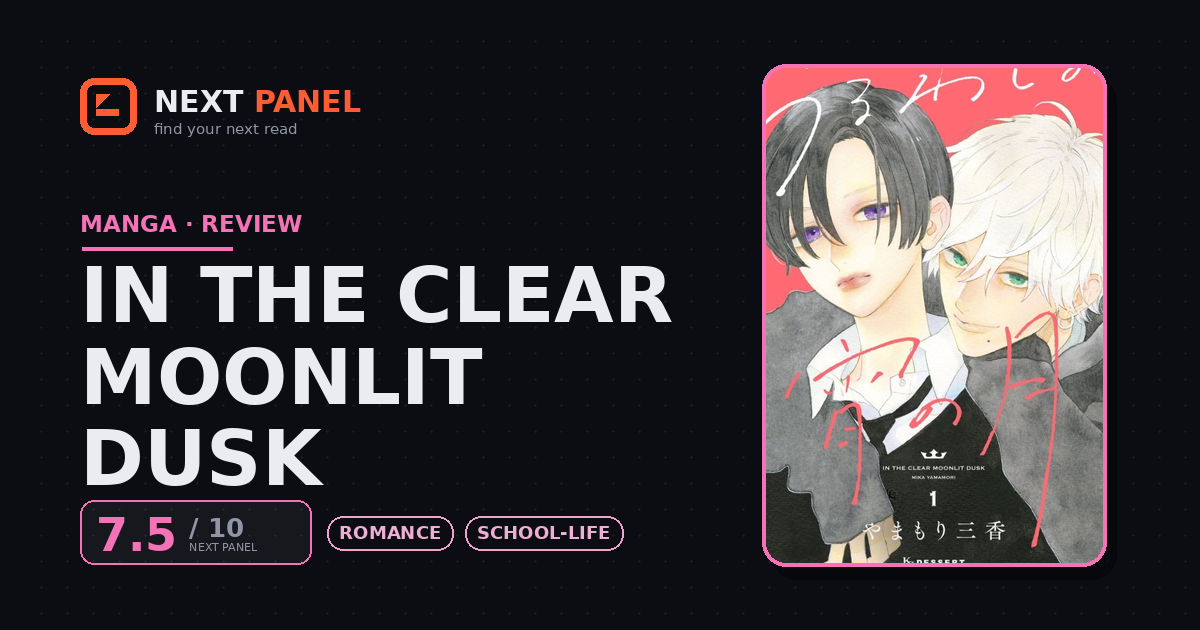
The trial-relationship gimmick could've been a one-chapter joke, but Yamamori uses it to actually dig into what Yoi wants versus what everyone assumes about her.

Two people who can barely talk to anyone fall for each other at the pace you'd actually expect, and that patience is the whole appeal.
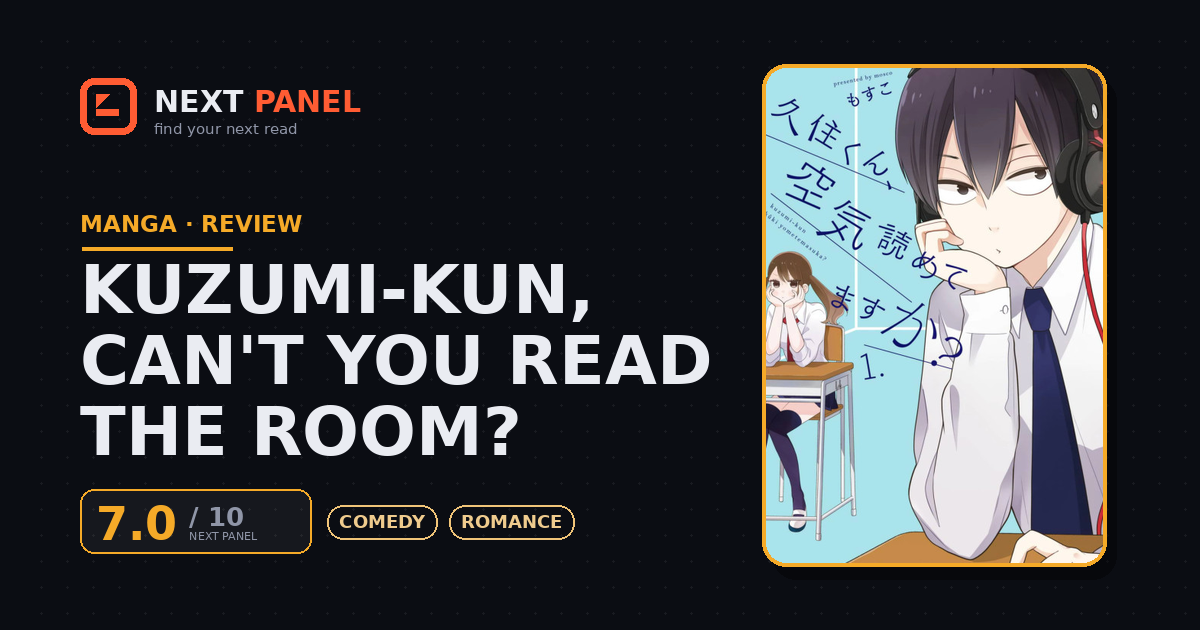
Erika throws everything she has at Kuzumi and he catches none of it, and somehow watching that happen chapter after chapter never quite stops being funny.
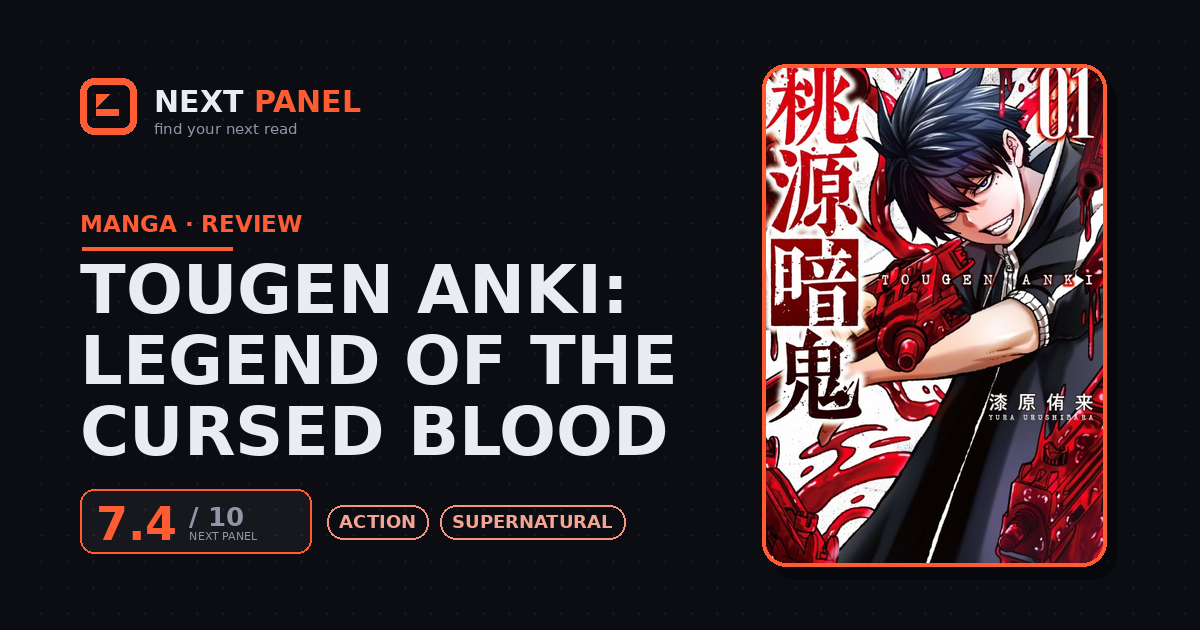
Taking the Momotaro legend and making the Oni the hero isn't just a gimmick here — it's the thing that makes the fights actually mean something.

Twelve chapters is barely enough time to get attached to anyone here, and yet Bibliomania still lands its point about denial and self-delusion harder than manga three times its length manage.
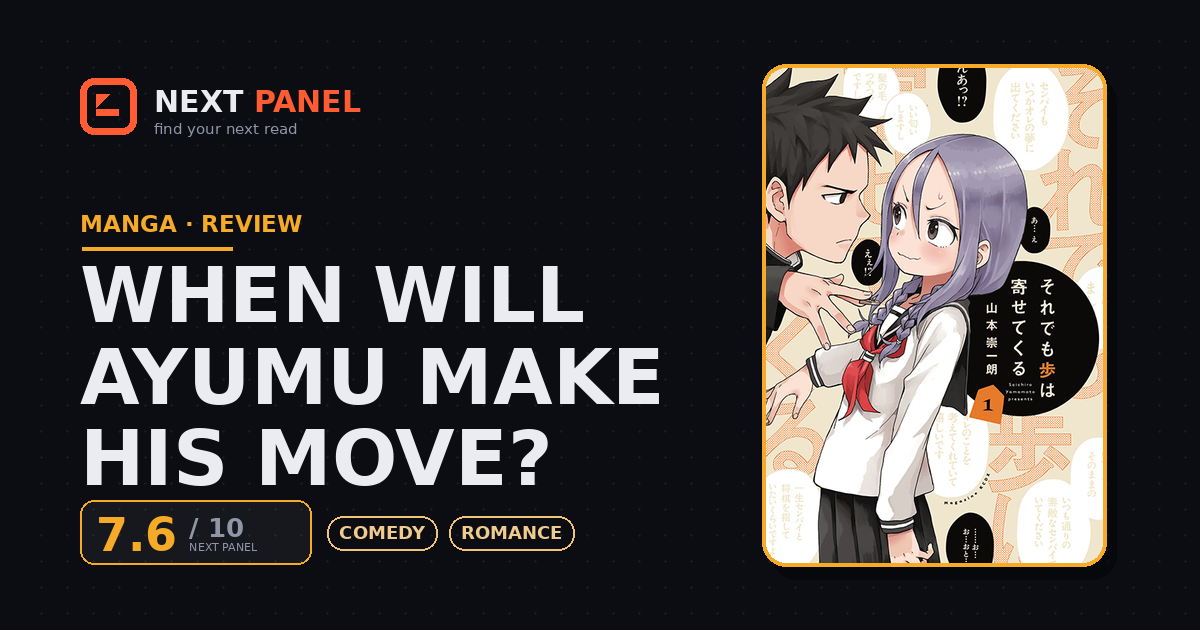
One joke, one goal, one shogi board — and somehow that's enough to carry a complete, consistently charming romantic comedy without ever wearing out its premise.

The zombie-romance hook is genuinely more sincere than it has any right to be, right up until the manga runs out of runway and has to wrap things up faster than it wanted to.
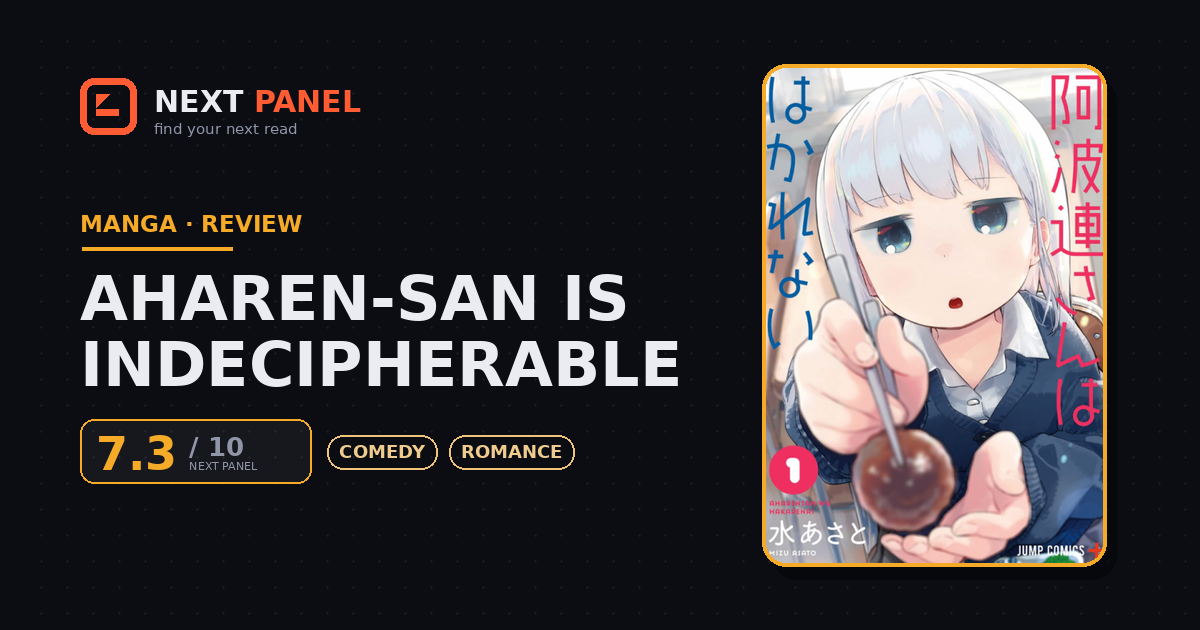
This one lives entirely in its central joke — Aharen's broken sense of personal space — and it's funny and sweet enough, chapter after chapter, that the joke never quite wears out.
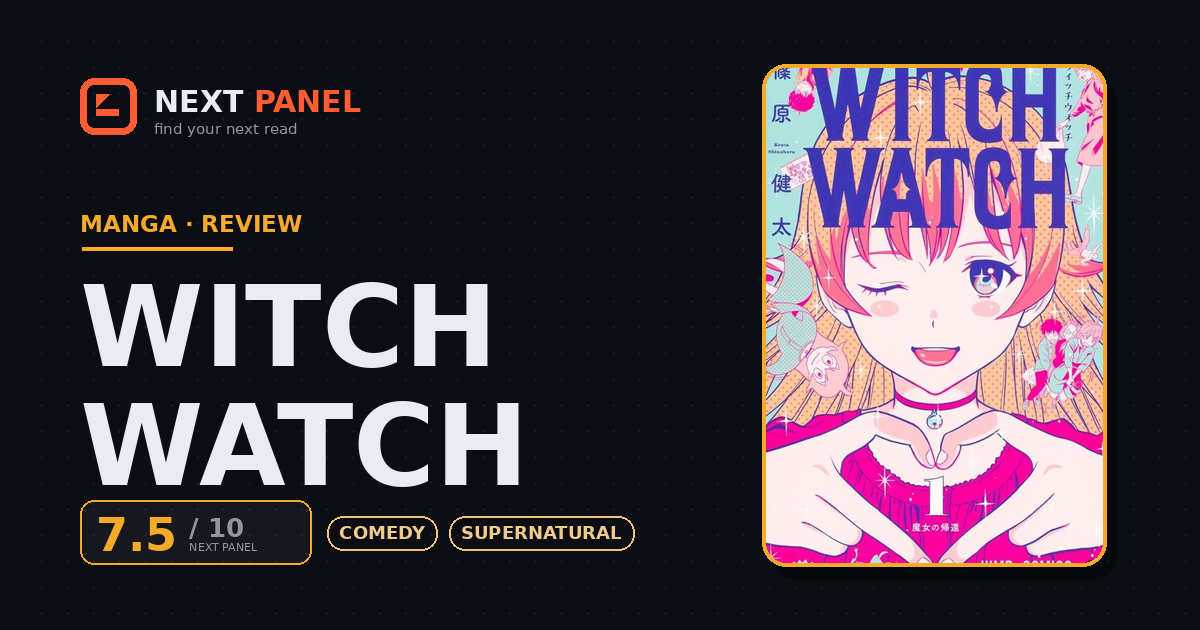
It shouldn't work as well as it does — a gag-per-chapter monster comedy that slowly turns into a genuine will-they-won't-they with real stakes, and Shinohara's art sells every tonal swing.