Is ASURA Worth Reading? Review & Where to Read
Quick Answer
Yes — it's a tightly plotted, complete story with real thematic weight underneath its action, drawing heavily and sincerely on Buddhist and Hindu myth rather than borrowing the aesthetics as set dressing. At 84 chapters it's also an easy full read.
Quick Verdict
“One of the more thematically serious action manhwa out there, and it actually finishes what it starts.”
Best for: Readers who want myth-rooted action with real philosophical stakes and a complete, satisfying ending.
Not for: Readers who want a long-running series to sink years into, or action divorced from heavier religious and moral themes.
- Type
- Manhwa
- Genres
- Action, Supernatural
- Status
- Completed
- This review
- Minor Spoilers
- Author
- Handol
- Publisher
- WEBTOON
- Platform
- WEBTOON
| Quick facts | |
|---|---|
| Format | Manhwa, 29 chapters, 3 volumes |
| Run | 1970–1971 · completed |
| Community score | AniList 6.0 · MangaUpdates 6.9 |
| Content | Violence, religious themes |
| Where to read | WEBTOON — official |
Overview
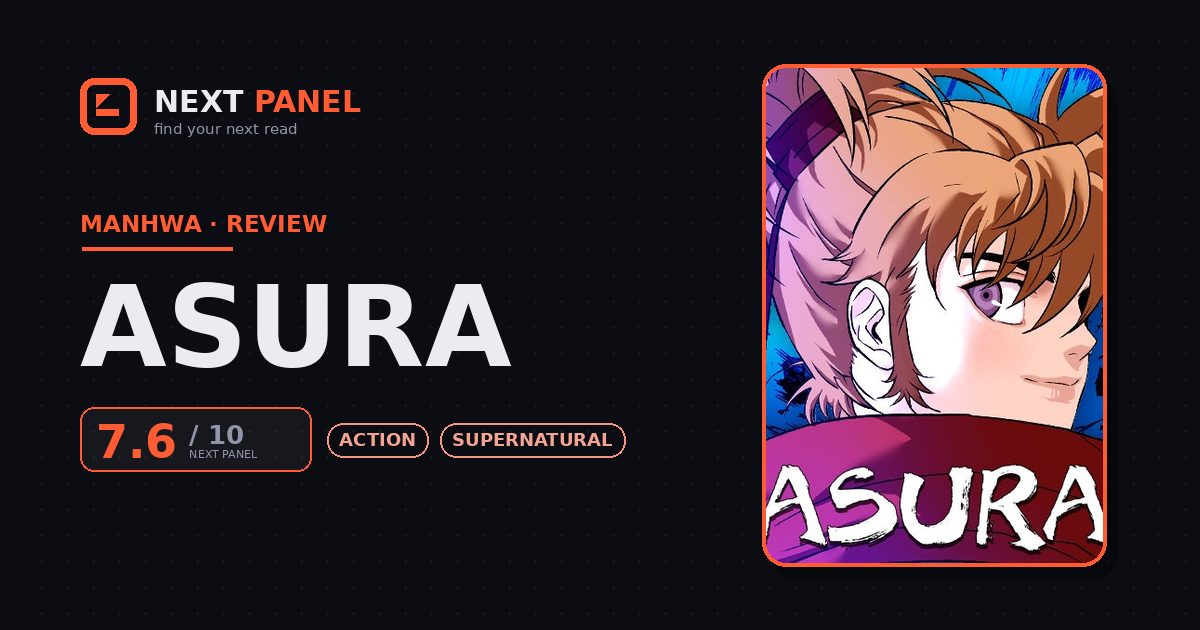
Asura is the strongest demon in the hells of Tapana, and that's become a problem — he's beaten everyone worth fighting, and the boredom is eating at him more than any opponent ever could. When he hears that Indra, the strongest being in existence, has surfaced in the world of the living, he sees a way out of that emptiness. The price is steep: his four extra arms, the literal source of his power, traded away just for the chance to travel there and find a fight that finally means something.
What follows isn't a straightforward power-up quest. ASURA draws deeply on Buddhist and Hindu cosmology — realms, karma, the nature of desire and suffering — and builds its action around those ideas rather than around them.
What it does well
The mythological foundation is the manhwa's biggest strength. This isn't a story using 'demon' and 'hell' as generic aesthetic labels; it's genuinely built from Buddhist and Hindu religious frameworks, and that specificity gives the world a coherence and weight that a lot of comparable action series don't bother reaching for. Symbolism actually means something here instead of just looking cool.
Asura himself is a strong hook because his conflict isn't really about strength — he already has plenty of that. It's about what strength is for once you've run out of things to prove it against, and that emptiness gives the fights an emotional undercurrent that pure spectacle wouldn't have on its own.
The completed 84-chapter length is also worth calling out as a genuine strength. The story has a real ending, built with the same care as its opening, instead of trailing off or escalating indefinitely. And the art is consistently strong across both the huge-scale supernatural combat and the quieter, more introspective scenes.
Where it falls short
The density of religious and mythological material is a real barrier to entry for some readers — there's a lot to take in, and the early chapters ask for patience while they lay the cosmological groundwork before the emotional stakes fully land.
Secondary characters, while well-drawn, mostly orbit Asura's own arc rather than getting fully independent stories of their own, so the cast can feel more like satellites than a true ensemble. And that heavy opening world-building means the pacing takes a little longer than some readers will want before the story hits its stride.
Verdict
ASURA is a genre-action manhwa with real philosophical ambition underneath the fighting, built on mythology it takes seriously rather than borrows for flavor. It asks a little patience upfront, but the payoff is a complete, thematically rich story that actually sticks its landing.
Strengths & Weaknesses
Strengths
- The Buddhist and Hindu mythology isn't decoration — it's woven into the story's structure, symbolism, and themes in a way most action manhwa borrowing 'demon' aesthetics don't bother with.
- Asura's motivation — giving up the literal source of his power for one real fight — sets up a story about purpose and emptiness underneath all the combat.
- It's a complete story at 84 chapters, with a clear beginning, middle, and end instead of an open-ended power-scaling treadmill.
- The art handles both massive-scale supernatural combat and quieter character moments with real confidence.
Weaknesses
- The density of religious and philosophical references can be a lot to absorb for readers unfamiliar with the mythology going in.
- Some secondary characters exist mainly to serve Asura's arc rather than getting full arcs of their own.
- The pacing front-loads world and cosmology explanation in a way that asks for patience before the story's emotional core fully clicks.
Similar Titles
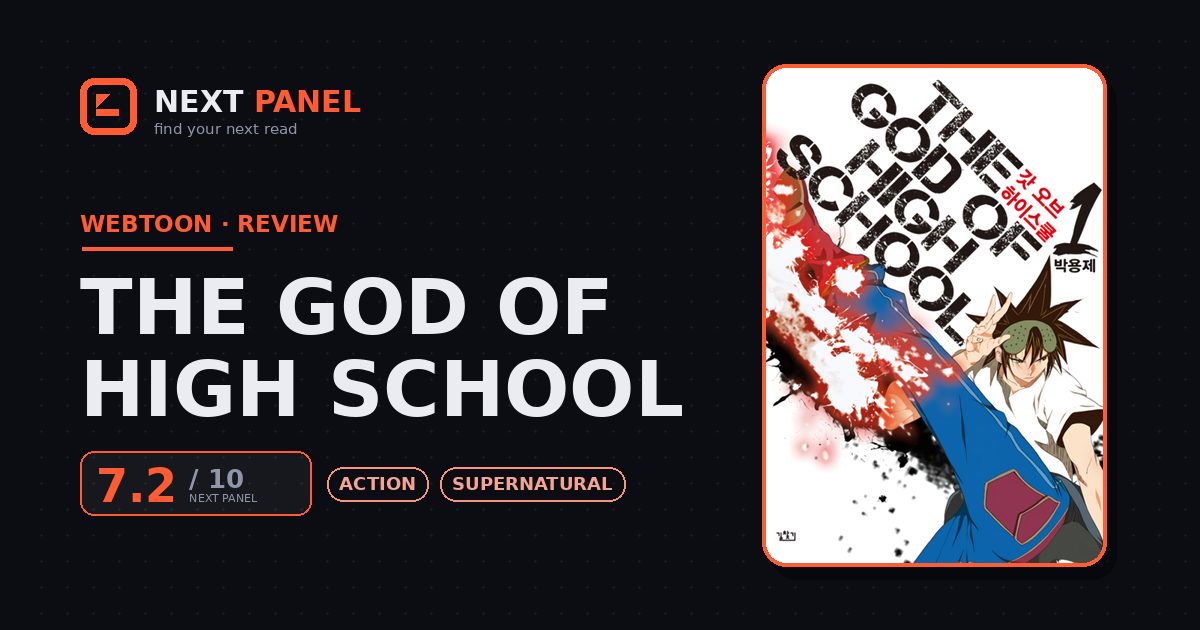
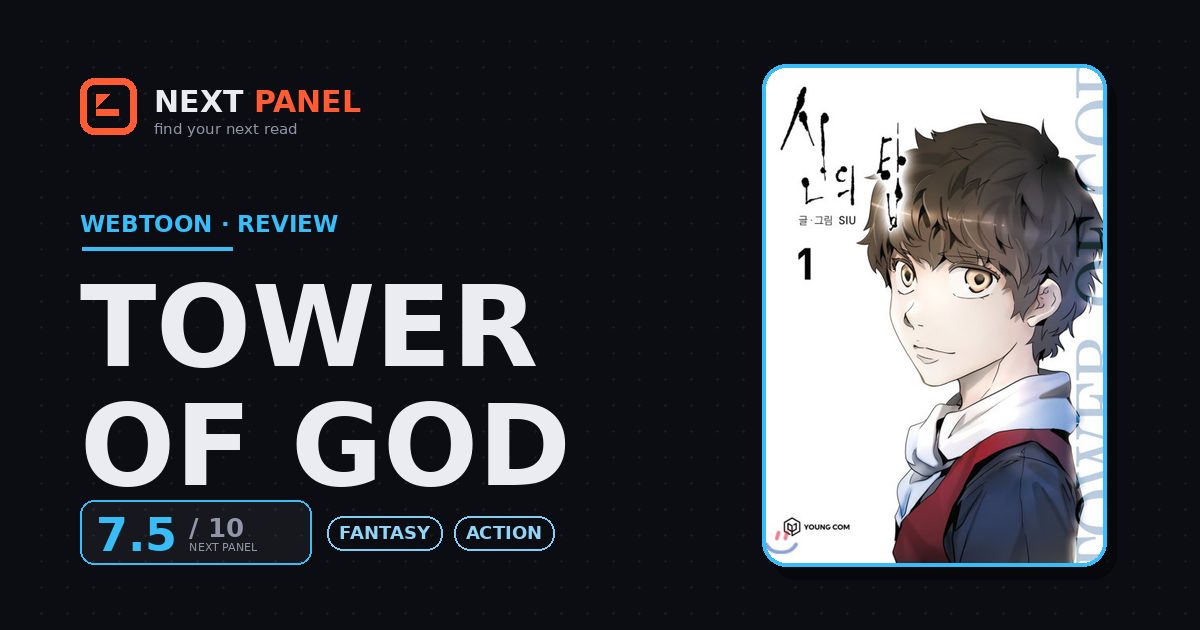
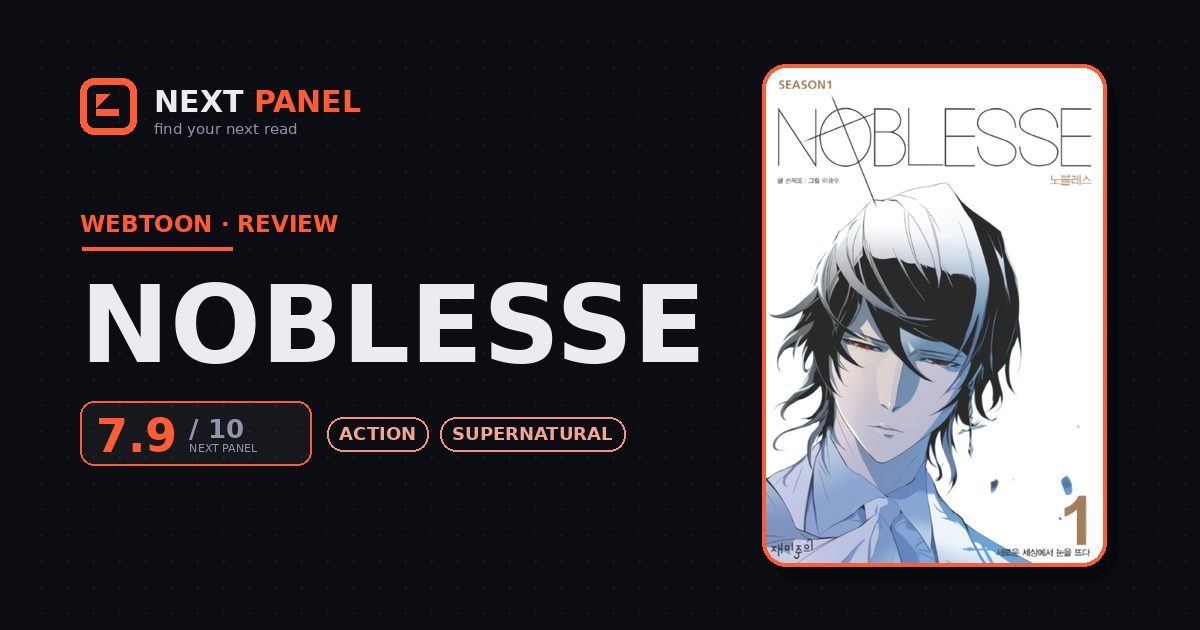
Another complete, myth-adjacent Korean action series with a powerful, purpose-driven lead.
If you want more mythological pantheons colliding in a tournament-style structure.
For a similarly ambitious, symbol-heavy approach to a long-running fantasy world.
Where to Read Officially
| Platform | Format | Pricing | Region notes | Link |
|---|---|---|---|---|
| WEBTOON | Digital chapters | Free + Paid | Region availability varies | Open |
Frequently Asked Questions
Is ASURA finished?
Yes, it's a completed series at 84 chapters, so you can read it start to finish without waiting on new releases.
Do I need to know Buddhist or Hindu mythology to follow it?
No, but having some familiarity helps the symbolism land — the story explains what it needs to as it goes, even for readers coming in cold.
Is this the same as the 1970s Japanese manga Asura?
No — this is an unrelated, more recent Korean manhwa by Handol; the title is shared but the stories are entirely different.