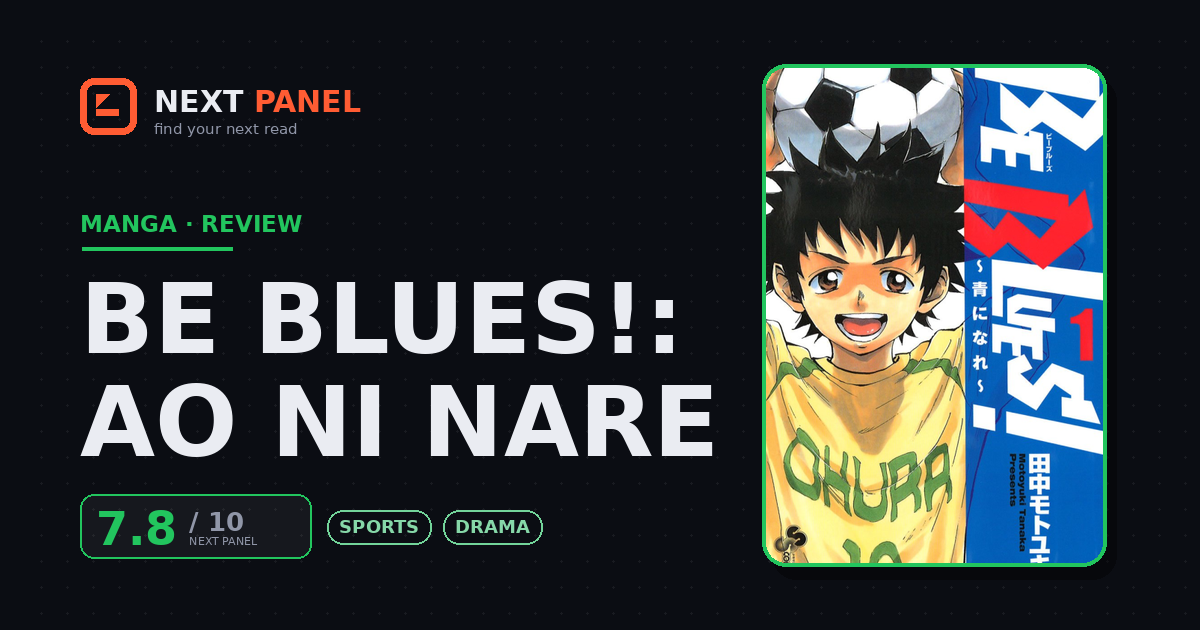
Is BE BLUES!: Ao ni Nare Worth Reading? Review & Where to Read
Quick Answer
Yes, if you want a soccer manga that treats the sport as a long, difficult road rather than a quick string of wins. It follows a childhood prodigy whose path to the national team gets derailed by a serious injury, and the story is as much about rebuilding himself as it is about winning games. It's a long commitment, but a well-regarded one.
Quick Verdict
“This is a soccer manga built around a real setback instead of a straight rise to the top, and that choice is what makes it worth the time.”
Best for: Readers who want a long, patient sports story where the setbacks matter as much as the victories.
Not for: Readers who want a shorter series or match action that moves fast from the first volume.
- Type
- Manga
- Genres
- Drama, Sports
- Status
- Completed
- This review
- Minor Spoilers
- Author
- Motoyuki Tanaka
- Publisher
- Shogakukan
| Quick facts | |
|---|---|
| Format | Manga (shōnen), 489 chapters, 49 volumes |
| Run | 2011–2022 · completed |
| Community score | AniList 8.1 |
| Content | Injury/rehabilitation depictions |
Overview
BE BLUES!: Ao ni Nare ran in Weekly Shōnen Sunday from 2011 to 2022, collected into 49 volumes, and won the Shogakukan Manga Award along the way. Motoyuki Tanaka centers it on Ryū Ichijō, a football prodigy chasing a childhood dream of joining Japan's national team, nicknamed the Blues, by the time he's 18. Just as he's about to start junior high and step up his training, a serious fall injures him badly enough to sideline him for two years of rehabilitation. The manga picks up from there, following Ryū as he works his way back into the sport alongside his childhood friends, twins Yuuto and Yuki, starting with a goal as concrete as winning the Japan Under-12 Football Championship.
What it does well
The injury is the smartest choice in the setup. Instead of a straightforward prodigy-rises-through-the-ranks story, BE BLUES! forces its lead to rebuild from a real setback, and that reframes everything that follows. Ryū's progress reads as earned because the manga takes its time showing the actual work of recovery rather than skipping to him being good again. The childhood friendships around him carry a lot of that weight too; the Under-12 championship goal matters because of who he's chasing it with, not just because it's the next rung on a ladder.
The long-form structure ends up being an asset once the story gets going. Because Tanaka isn't in a hurry, the manga can let Ryū's growth happen in believable stages instead of compressing years of development into a handful of chapters, and the emotional payoff of him getting back to competitive form lands harder for it.
Where it falls short
That same patience is a real cost for readers who want a tighter, faster story. Some individual matches and arcs stretch on longer than the tension can comfortably support, and the sheer length, 49 volumes across 11 years, is a serious ask compared to most sports manga. The injury and rehab focus that makes the opening distinctive also means readers looking for match-heavy soccer action from volume one will be waiting a while before the sport itself takes center stage again.
Verdict
BE BLUES! earns its award by taking the long way around a familiar genre, building its sports story on a real injury and a slow climb back instead of a straight shot to the top. It asks for patience, but it's a well-regarded, honestly told version of the comeback story.
Strengths & Weaknesses
Strengths
- The injury and recovery arc gives the story real stakes beyond the usual will-they-win-the-match tension of most sports manga.
- Ryū's long climb back is paced like an actual rebuild, not a shortcut, so his progress feels earned rather than convenient.
- The childhood-friend dynamic with twins Yuuto and Yuki gives the early goals (like the Under-12 championship) real emotional weight instead of just being a stepping stone.
- Won the Shogakukan Manga Award in its category, and the 11-year, 49-volume run backs up that recognition with consistency over the long haul.
Weaknesses
- It's a long commitment, and the pacing slows considerably in stretches, particularly around individual matches that run longer than the tension can always sustain.
- New readers looking for a quick, self-contained sports story should know upfront this is a marathon, not a short series.
- The injury arc that defines the story's first stretch means the actual soccer takes a back seat for a while, which may frustrate readers who came for match action first.
Similar Titles
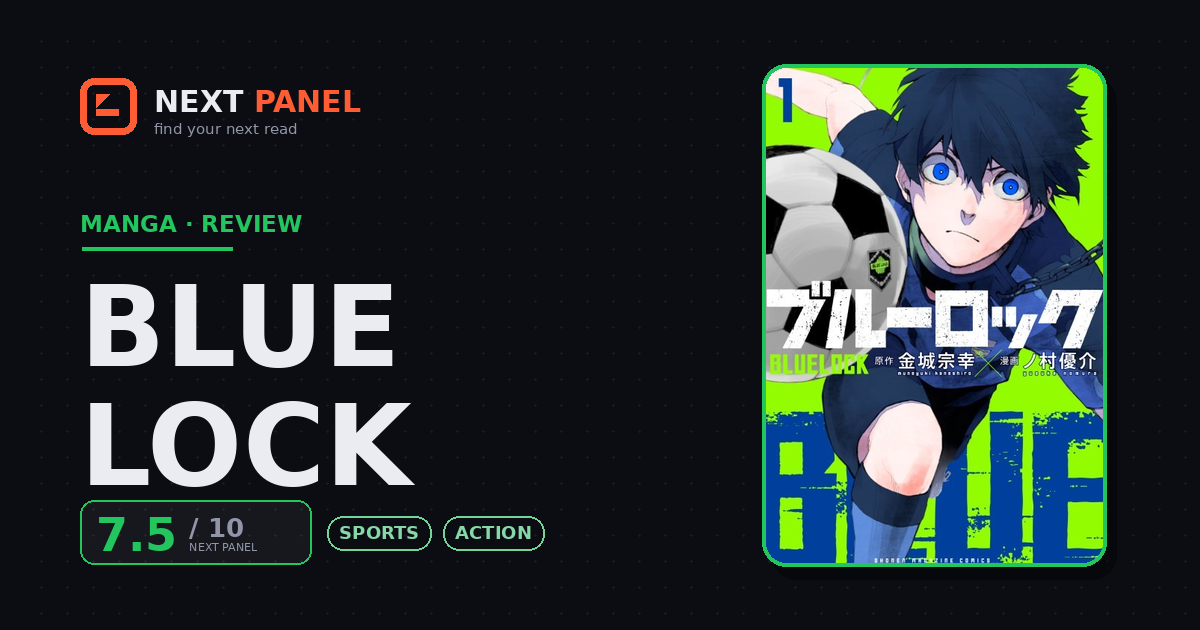
Another soccer manga built around the slow, unglamorous work of actually developing as a player.
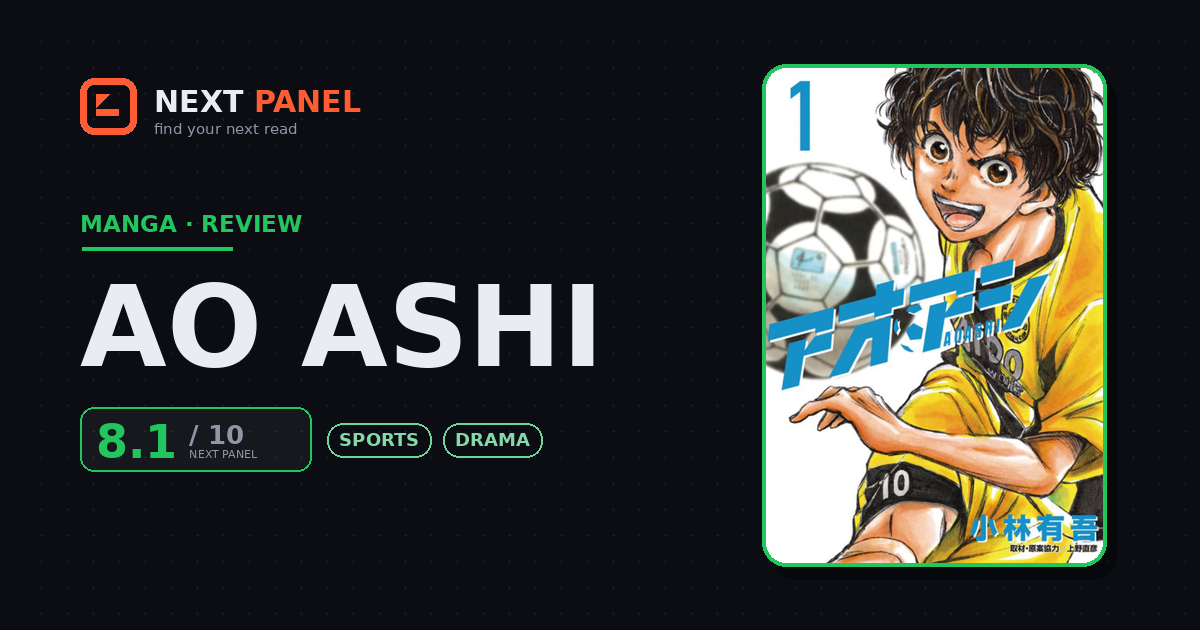
A very different tone and premise, but the same sport and the same focus on what it costs to chase the top.
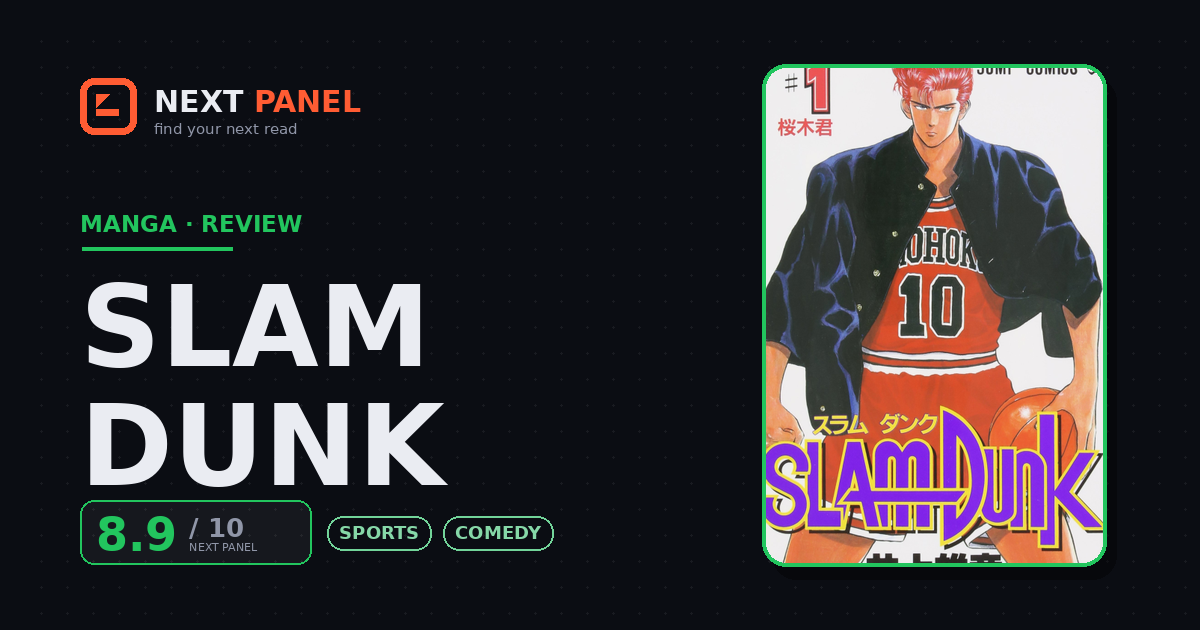
A different sport, but the same classic sports-manga DNA of personal growth driving the competition.
Frequently Asked Questions
Is there an official English release?
Not currently as a licensed print or digital edition. We'll update this review if that changes.
Does the injury arc take up the whole series?
No — it defines the opening stretch and Ryū's motivation throughout, but the story moves forward into more standard competitive soccer arcs as he rebuilds.
Is this a long series to commit to?
Yes — it ran for 49 volumes over roughly 11 years, so it's a real commitment compared to most sports manga.