Is Defense Devil Worth Reading? Review & Where to Read
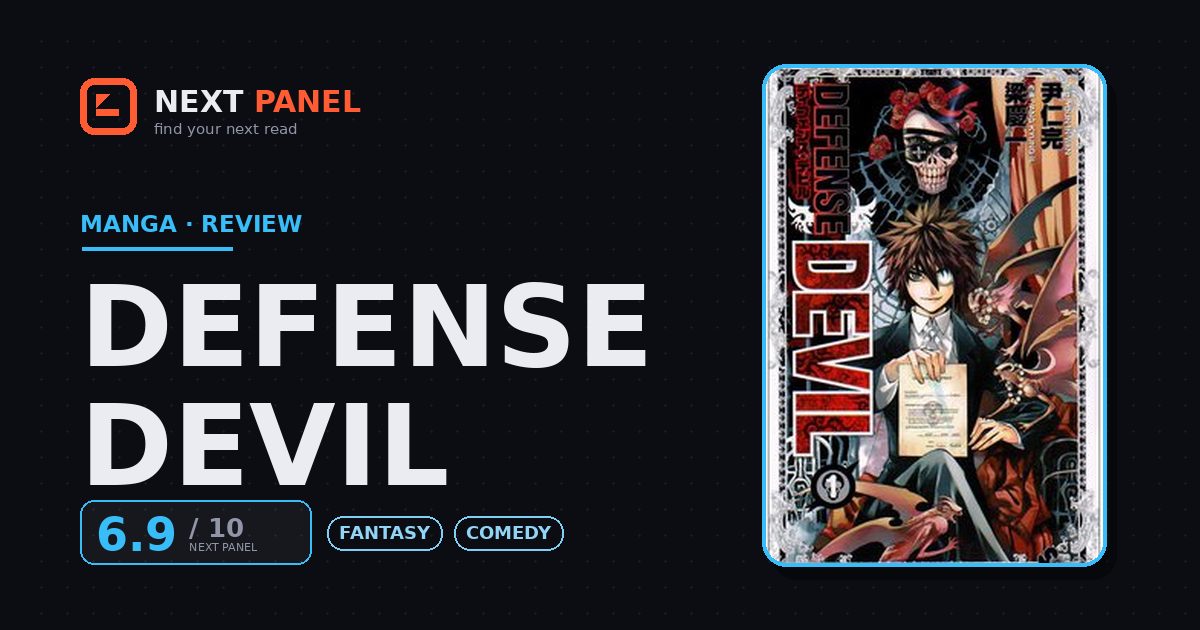
Quick Answer
Yes, if a courtroom-drama-meets-shonen-battle mashup sounds fun to you. It's a genuinely fresh premise wrapped around a fairly standard shonen adventure.
Quick Verdict
“Hell needs lawyers too, and watching a banished devil argue human souls out of damnation is a stranger, funnier hook than it has any right to be.”
Best for: Readers who want a shonen adventure built around an unusual hook — courtroom drama in hell instead of another tournament arc.
Not for: Readers who want tight, consistent worldbuilding or a story that doesn't lean on genre-standard shonen tropes once the premise settles in.
- Type
- Manga
- Genres
- Fantasy, Comedy
- Status
- Completed
- This review
- Minor Spoilers
- Author
- Youn In-wan
- Artist
- Yang Kyung-il
- Publisher
- Shogakukan
| Quick facts | |
|---|---|
| Format | Manga, 100 chapters, 10 volumes |
| Run | 2009–2011 · completed |
| Community score | AniList 7.0 · MangaUpdates 7.7 |
Overview
Kucabara is the banished third son of the demon king, stripped of his powers and kicked out of the demon world for conduct unbecoming of a devil. To rebuild his strength, he needs dark matter, and the fastest way to collect it is by becoming a Defense Devil: a lawyer for hell, tasked with proving that condemned human souls don't actually deserve damnation. Each case he wins earns him dark matter and, more importantly, saves a soul from an eternity it didn't earn.
The manga starts as a loose case-of-the-week structure, Kucabara defending a different soul each arc, before widening into a larger story about demon-world politics, his estranged family, and a looming conflict between heaven and hell.
What it does well
The central hook is what sells this. A demon working as hell's defense attorney is a genuinely fresh spin on the shonen adventure formula, and the early chapters lean into it well, giving each case its own small human tragedy or misunderstanding to untangle before Kucabara argues the soul's innocence. Those early arcs mix comedy and real pathos in a way that gives the manga its own identity before the larger plot machinery kicks in.
Kucabara himself carries the series comfortably. He's confident bordering on smug, but the story is careful to keep his motivations sincere; he's not defending souls purely for the dark matter, he genuinely believes most of them don't deserve hell. That sincerity makes him easy to root for even when the plot gets busier.
Once the story expands into demon-world and heavenly politics, the mythology gives the series real scale, angels, fallen angels, the bureaucracy of the afterlife, dark matter economics, and it's more thought-out than the loose opening chapters might suggest.
Where it falls short
The shift from episodic courtroom drama to a larger war-and-family-secrets plot costs the series some of what made it distinctive. Once Kucabara stops defending individual souls and starts fighting demon-world battles, it starts reading like a fairly standard shonen adventure with a demon aesthetic.
Several side characters, Elimona especially, lean hard on broad comedic archetypes (the seductive tease, the loyal but hotheaded friend) rather than getting real development of their own.
The final stretch moves fast, arguably too fast, compressing a lot of demon-world mythology and conflict into a shorter stretch than it probably needed, which makes the ending feel more rushed than earned.
Verdict
Defense Devil's central premise, a devil lawyer defending human souls, is clever enough to carry the series even after it drifts into more conventional shonen territory. The early courtroom-drama chapters are the highlight, and while the latter half doesn't fully sustain that novelty, the whole package is a solidly entertaining, unusually hooked adventure worth tracking down even without an official English release.
Strengths & Weaknesses
Strengths
- The core premise, a demon lawyer proving human souls innocent to save them from hell, is a genuinely novel hook rarely seen in shonen manga.
- Early cases balance comedy and pathos well, giving small, self-contained human stories room to land before the larger plot kicks in.
- Kucabara is an easy lead to root for: capable, a little smug, but sincerely invested in the people he defends.
- The demon-world mythology, angels, dark matter, the politics of hell, gives the later chapters more scale than the case-of-the-week opening suggests.
Weaknesses
- The shift from episodic courtroom cases to a larger demon-world war plot loses some of what made the early chapters distinctive.
- Several supporting characters, especially Elimona, lean on broad comedic archetypes more than genuine development.
- Pacing gets rushed in the final chapters as the story compresses a lot of mythology and conflict into a short stretch.
Similar Titles
Similar demon-world mythology and a protagonist caught between human and demon sides.
Same blend of dark supernatural bureaucracy and shonen action-adventure structure.
Frequently Asked Questions
Is Defense Devil a Korean or Japanese series?
It's a manga created by Korean writer Youn In-wan and artist Yang Kyung-il, but it was serialized in Japan by Shogakukan in Weekly Shonen Sunday.
Is there an official English release?
No official English edition currently exists; the series has been released in French and German but not English.
How long is the series?
It's complete at 10 volumes.