Is GTO: Great Teacher Onizuka Worth Reading? Review & Where to Read
Quick Answer
Yes — it's one of the funniest school manga ever made, and the student rescue arcs still hit hard. You just have to make peace with a thick layer of late-90s pervert humor that would not get published the same way today. All 25 volumes are officially available digitally.
Quick Verdict
“Every 'unconventional teacher saves the class' story since is chasing this one — the perv humor aged badly, the heart didn't.”
Best for: Readers who want a loud, funny, big-hearted classic about a terrible role model doing genuinely great teaching.
Not for: Readers who want comedy that's aged cleanly, tightly serialized plotting, or a restrained lead.
- Type
- Manga
- Genres
- School Life, Comedy
- Status
- Completed
- This review
- Minor Spoilers
- Author
- Tooru Fujisawa
- Publisher
- Kodansha
- Platform
- Kodansha (digital)
| Quick facts | |
|---|---|
| Format | Manga (shōnen), 208 chapters, 25 volumes |
| Run | 1997–2002 · completed |
| Community score | AniList 8.6 · MangaUpdates 8.8 |
| Content | Crude sexual humor, violence, bullying, suicide themes |
| Where to read | Kodansha (digital) — official |
Overview
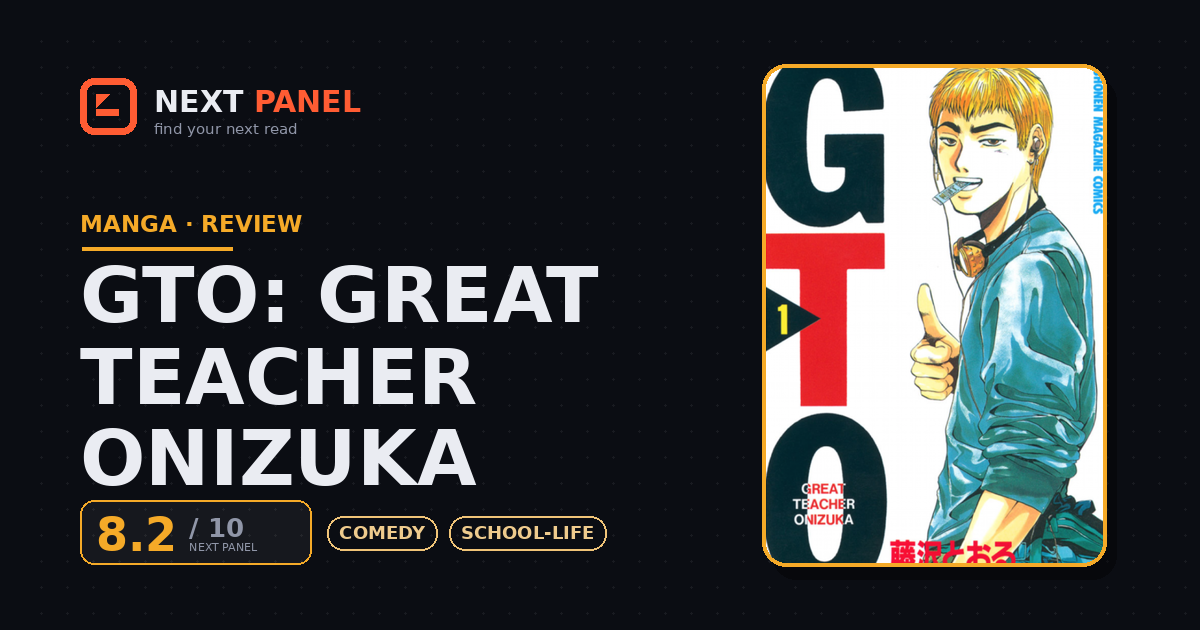
Eikichi Onizuka, 22 years old, former biker-gang leader, karate black belt, virgin, unemployable — decides to become a teacher. His initial reasoning is exactly as sleazy as you'd fear, and the series never pretends otherwise. But when a private academy hands him Class 3-4, the school's designated nightmare, something unexpected happens: the worst-qualified teacher in Japan turns out to be the only adult these kids can't break.
Class 3-4 has already destroyed its previous homeroom teachers — driven one to a breakdown, another out of the profession — through organized psychological warfare. They have reasons. Adults have failed every one of them, and the class treats each new teacher as an enemy to be dismantled. Onizuka, who respects nothing and fears less, responds to their campaigns with counter-escalations no sane educator would attempt. The war between them, and the slow conversions it produces, is the spine of the whole series.
What it does well
Onizuka himself is the engine. He's crude, petty, perpetually broke, and completely unbothered by dignity, which makes him hilarious — but the trick is that his moral compass points true exactly when it counts. He takes teenagers seriously as people. When a kid in his class is being bullied, blackmailed, or quietly drowning at home, Onizuka is the one adult who notices and then does something, usually something involving property damage. The series mines huge laughs from the gap between his methods and his results, and real emotion from the fact that the results are genuine.
The student arcs are the best material. Fujisawa keeps finding believable damage — a boy tormented into hating school, a girl written off as stupid by her own mother, a genius who trolls teachers because one betrayed her — and lets the resolutions be earned rather than instant. A few of those chapters have real bite even decades later. Around them, the comedy machine runs constantly: reaction faces pushed to the edge of abstraction, escalating schemes, and the immortal running gag of the vice principal's Toyota Cresta meeting a new fate every time he buys another one.
It also has a point of view. The adults in GTO — checked-out teachers, PR-obsessed administrators, absent parents — are drawn with more venom than any delinquent, and the series' loudest argument is that kids act out because the adults quit first.
Where it falls short
The era shows. There's a steady stream of pervert humor, panty gags, and jokes about Onizuka's interest in schoolgirls that the series treats as comedy and modern readers will often treat as a reason to put it down. If that's a hard line for you, this is not your book. Structurally, the middle volumes settle into a visible formula — new problem student, insane intervention, conversion — and the final stretch, while it escalates the stakes well, wraps up fast enough to feel cut short.
Verdict
GTO earns its classic status. It's consistently funny, surprisingly angry about the right things, and anchored by a protagonist nobody has managed to copy despite decades of trying. Read it with your late-90s goggles on, forgive the formula, and you'll get one of the most entertaining school manga ever serialized — a comedy with an actual thesis about what teenagers need from adults. Skip it only if dated raunch is a dealbreaker; otherwise it's 25 volumes of pure momentum.
Strengths & Weaknesses
Strengths
- Onizuka is one of manga's great comic leads: crude, broke, shameless, and accidentally wise. The gap between his methods — property destruction, blackmail, cliff jumps — and his results powers the entire series.
- The student arcs have real problems under the pranks: bullying, neglectful parents, adults who already gave up on the kids. When an arc resolves, it's usually because Onizuka took a teenager's pain seriously when nobody else would, and those landings still hit.
- The comedy has genuine craft — escalation, reaction faces, and running gags (the vice principal's beloved Cresta most of all) that get funnier with every appearance.
- It's sharper about the school system than it has any right to be. The villains are rarely students; they're burned-out teachers, image-obsessed administrators, and parents who outsourced their kids.
Weaknesses
- It is very much a late-90s magazine manga: peeping gags, teacher-crushing-on-students jokes, and other bits that read as gross now rather than cheeky. You'll need tolerance for the era.
- The structure gets formulaic in the middle — problem student introduced, Onizuka does something insane, hearts won — and you can see the beats coming several chapters out.
- The ending is abrupt. The final arc escalates well and then wraps in a hurry, leaving threads that clearly wanted more room.
Similar Titles
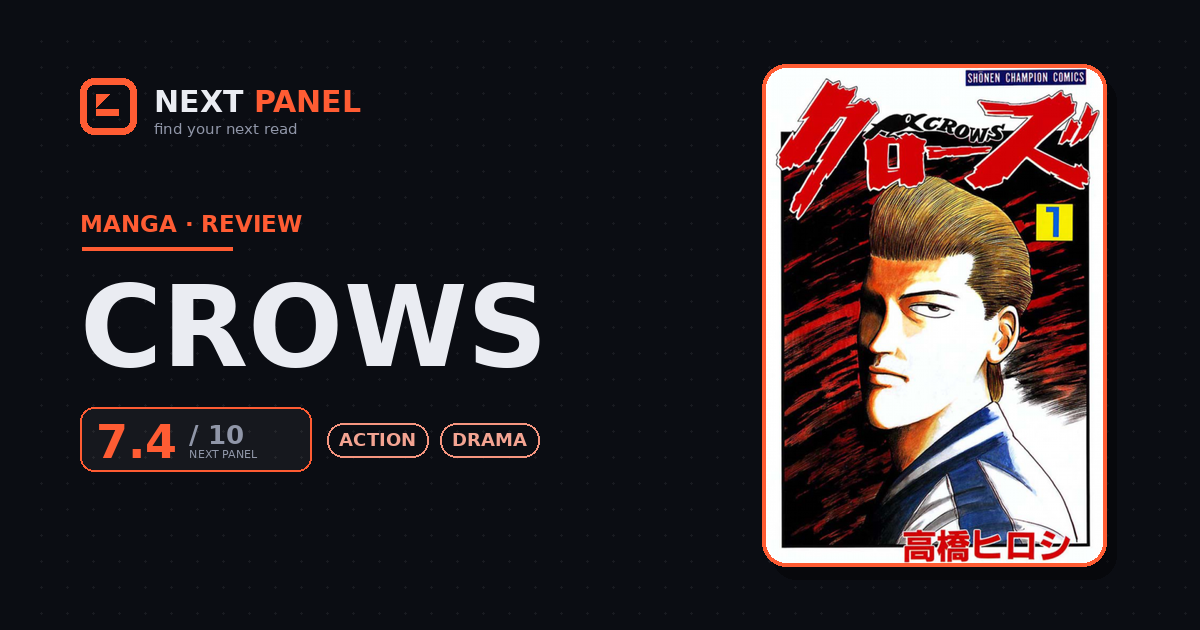
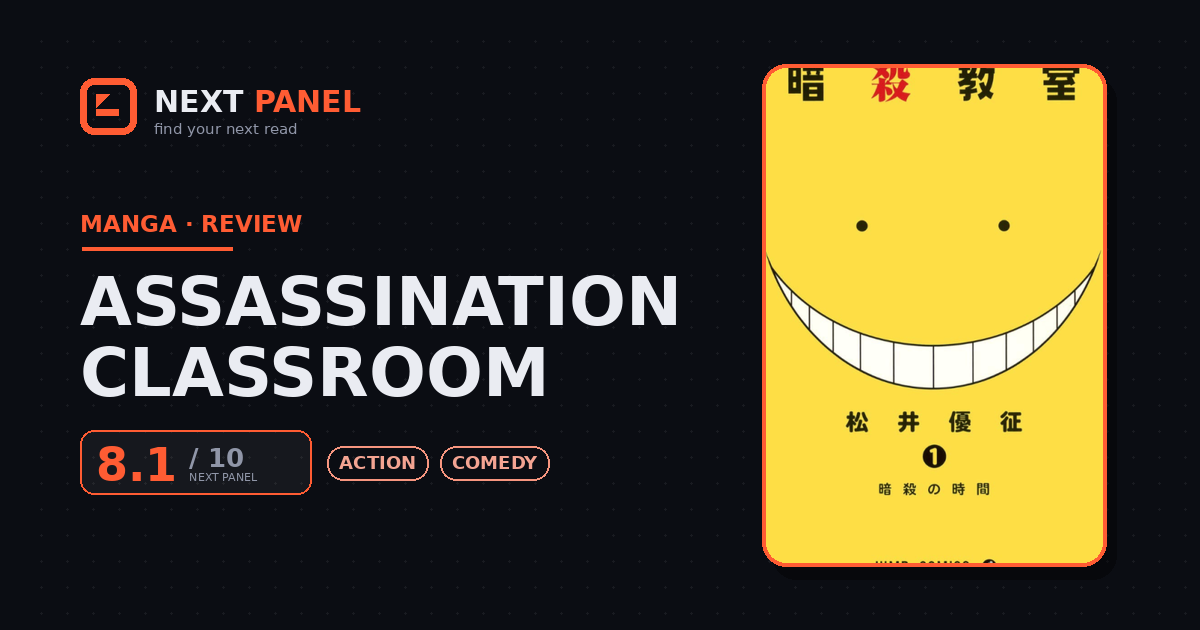
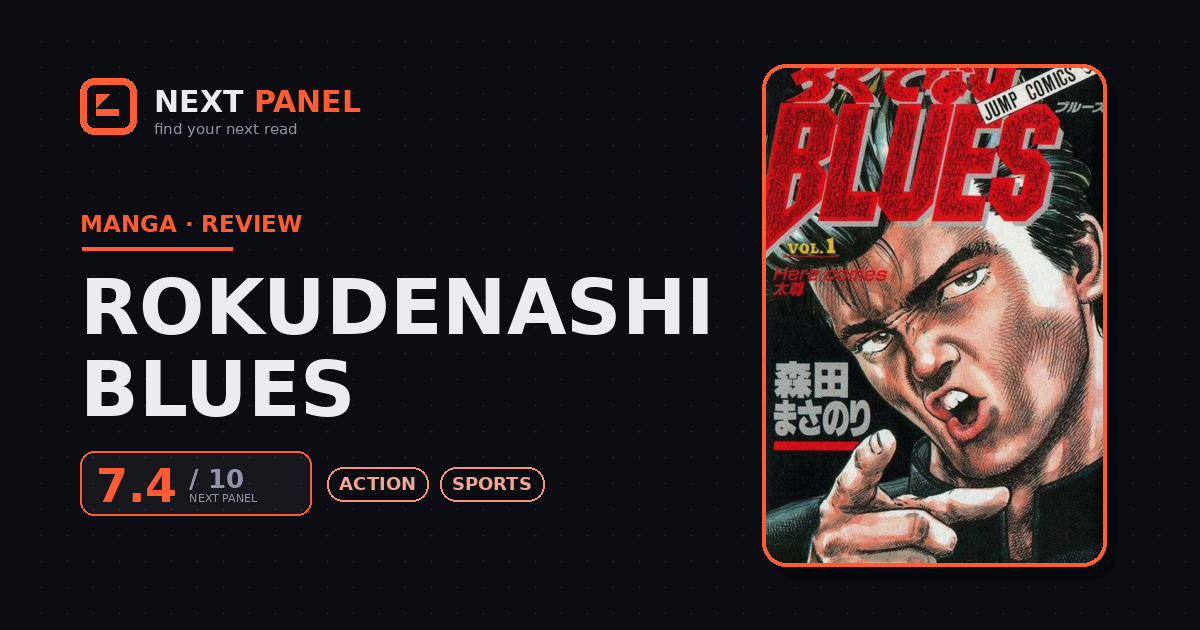
The same 'impossible teacher redeems a written-off class' engine, with sci-fi rules instead of biker chaos.
Classic delinquent-manga energy from the era just before GTO, if you want the street-fighting side without the classroom.
Pure delinquent-school brawling with the same rowdy heart Onizuka graduated from.
Where to Read Officially
| Platform | Format | Pricing | Region notes | Link |
|---|---|---|---|---|
| Kodansha (digital) | Digital volumes | Paid | Region availability varies | Open |
Frequently Asked Questions
Do I need to read Shonan Junai Gumi first?
No. GTO stands completely on its own. The prequel about Onizuka's gang years adds flavor and cameos, but everything you need is explained when it matters.
Where can I read GTO in English?
Kodansha publishes all 25 volumes digitally on the usual storefronts (Kindle, BookWalker, Apple Books, and others). The old print edition is long out of print, so digital is the practical route.
Is the anime or drama a substitute for the manga?
They're fun, but both trim and soften a lot. The manga goes further with the student arcs and the humor, and it's the complete version of the story.