Is I Had That Same Dream Again Worth Reading? Review & Where to Read
Quick Answer
Yes, if you like gentle, character-driven stories. It's a short, self-contained read that asks a simple question about happiness and answers it in a way that sneaks up on you. Come for the warmth and the lead, not for plot or scale.
Quick Verdict
“Short, sentimental, and easy to see coming — and it still got me. A warm, self-contained story about loneliness and what actually makes people happy.”
Best for: Readers who like quiet, character-driven stories that aim for the heart and don't mind a slow, gentle pace.
Not for: Readers who want plot, action, or a long series to sink into.
- Type
- Manga
- Genres
- Drama, Slice of Life
- Status
- Completed
- This review
- Minor Spoilers
- Author
- Yoru Sumino
- Artist
- Idumi Kirihara
- Publisher
- Seven Seas Entertainment
- Platform
- Seven Seas Entertainment
| Quick facts | |
|---|---|
| Format | Manga (seinen), 12 chapters, 3 volumes |
| Run | 2017–2018 · completed |
| Community score | AniList 8.3 · MangaUpdates 7.9 |
| Content | Self-harm, mature themes |
| Where to read | Seven Seas Entertainment — official |
Overview
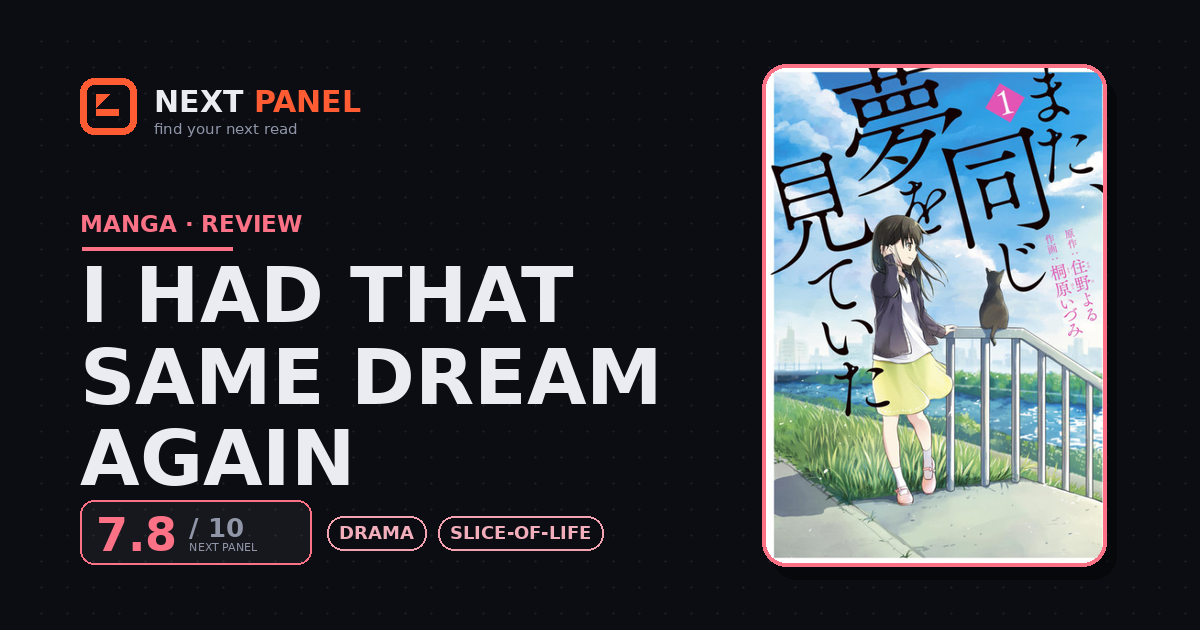
This is a one-volume manga adaptation of Yoru Sumino's novel — the same author behind I Want to Eat Your Pancreas. The premise is small on purpose. Nanoka Koyanagi, a sharp fifth-grader, gets a school assignment: work out what happiness means to her. She's a bit of a loner, so she goes looking for the answer outside her classroom, spending afternoons with three people who aren't her age — a woman who lives alone near her house, a high-schooler she meets in an empty building, and an old woman up the hill. Most of the book is just that: a kid talking to people, and slowly building her own answer.
What it does well
The biggest thing it gets right is Nanoka herself. She's bold, a little stubborn, and actually funny, and she reads like a real clever kid instead of a stand-in for the author's message. Because you enjoy spending time with her, the quiet scenes carry weight they'd never have with a blander lead. When she's wrong about something, she's wrong the way a ten-year-old is wrong, and watching her think her way past that is most of the pleasure here.
The other thing it nails is the payoff. The book asks a plain question early on and then actually answers it, and the way it gets there sneaks up on you. Sumino builds the whole story around a single idea and trusts you to sit with it, so when the pieces click into place it earns the feeling instead of forcing it. I won't spoil how it lands, but if you're the kind of reader who tears up at gentle stories, keep a tissue nearby for the last stretch.
It also knows when to stop. This is one self-contained volume — a beginning, a middle, and a real ending, with no filler and no hook for a sequel. Kirihara's art stays soft and clean the whole way through, which is exactly right for a story this warm; nothing on the page works against the mood. You can read it in an afternoon and come away feeling like you got a complete story rather than the first act of one.
Where it falls short
The compression is the main cost. Squeezing an entire novel into a single volume means some of the supporting characters get less room than they deserve, and a few beats that probably breathed on the page feel a little rushed in comic form. If you've read the novel, you'll notice what got trimmed to make it fit.
It's also openly sentimental, and that won't work for everyone. The book wants to move you and doesn't hide it, so if you tend to bounce off stories that wear their heart this plainly, this one will feel like too much. And if you've read a few books in this lane, you'll probably see the central turn coming well before it arrives — the payoff is in how it's handled, not in the surprise itself.
Verdict
It's short, sentimental, and a little tidy, and it still works. Taken as a standalone, it's a lovely afternoon read about loneliness and what actually makes a life feel full, carried by one of the more likable kid leads you'll come across. Go in for the warmth and the character work rather than plot or scale, and it delivers what it sets out to do.
Strengths & Weaknesses
Strengths
- Nanoka is a great lead. She's bold, stubborn, and genuinely funny, and she reads like a real clever kid instead of a mouthpiece for the theme.
- The emotional payoff lands. It sets up a plain question early and actually answers it, in a way that earns the feeling instead of demanding it.
- It's clean and self-contained. One collected volume, start to finish, with no filler and no sequel bait.
- Kirihara's soft, readable art suits the gentle tone and never fights the mood.
Weaknesses
- The compression shows. Fitting a whole novel into one volume leaves some supporting characters with less room than they deserve.
- It's openly sentimental. If overt heart-tugging puts you off, this leans right into it.
- The central turn is easy to see coming if you've read a few stories in this vein — the pleasure is in the execution, not the surprise.
Similar Titles
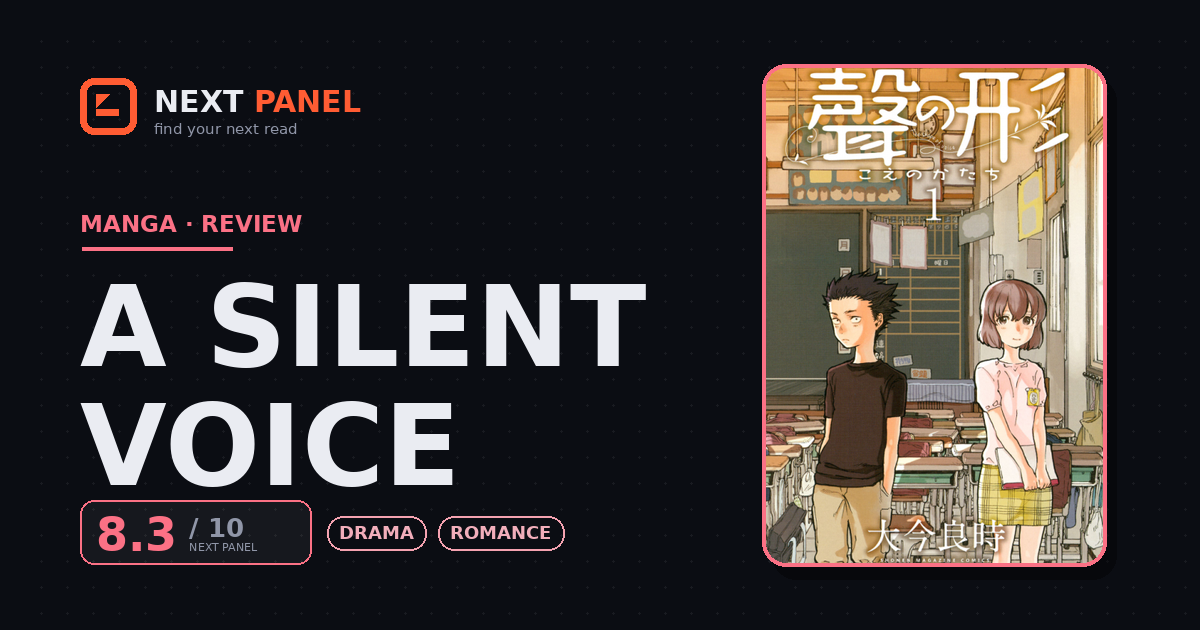
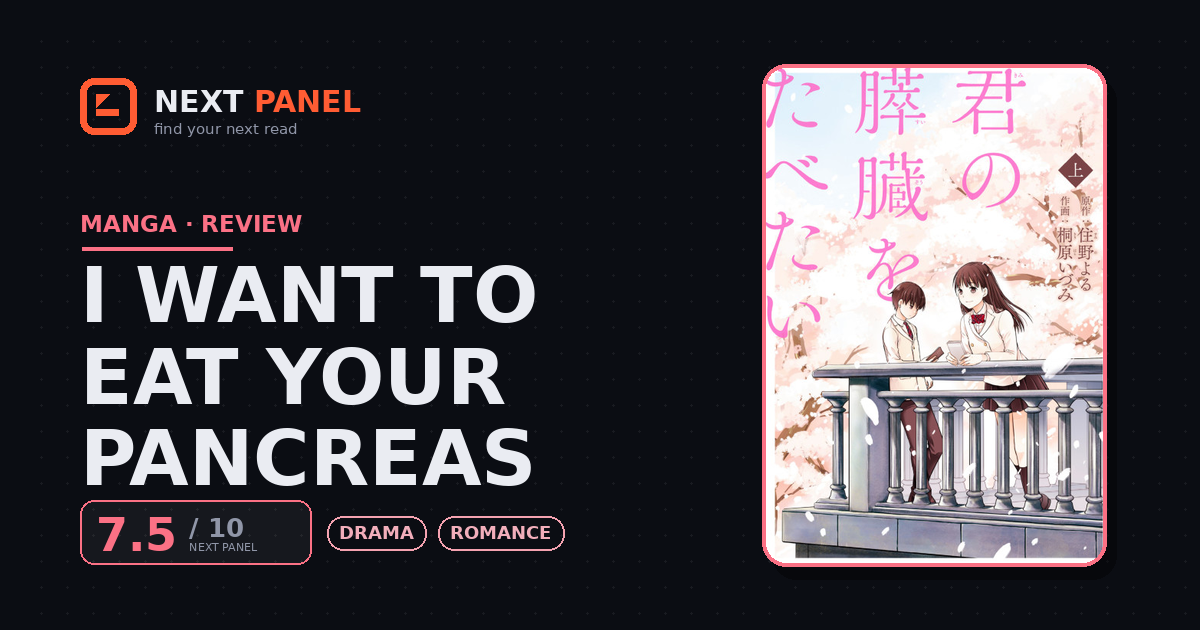
Same author, same bittersweet, emotional register in a single story.
Another self-contained, heart-first story about loneliness and reconnecting.
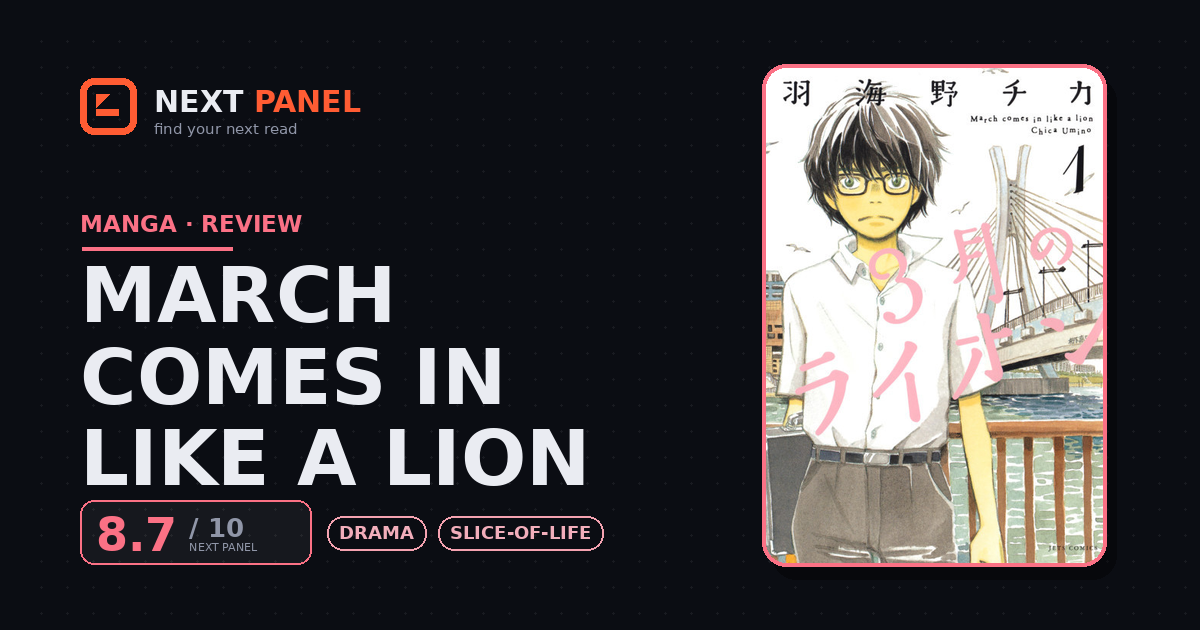
Quiet, character-driven look at isolation and slowly finding your people.
Where to Read Officially
| Platform | Format | Pricing | Region notes | Link |
|---|---|---|---|---|
| Seven Seas Entertainment | Print & digital omnibus | Paid | Region availability varies | Open |
Frequently Asked Questions
Do I need to read the novel first?
No. The manga is a complete, standalone adaptation, so you can start here and get the whole story.
How long is it?
Short — a single collected volume, so you can finish it in an afternoon.
Is there an official English release?
Yes. Seven Seas Entertainment publishes it in English in print and digital as 'The Complete Manga Collection.'