Is Nan Hao & Shang Feng Worth Reading? Review & Where to Read
Quick Answer
Yes, if you want a chaotic, long-running friendship comedy with a distinct, self-aware sense of humor, though its recurring homoerotic-joke format won't suit every reader.
Quick Verdict
“Underneath the running joke about a classmate who's convinced it's secretly romance is a genuinely vitriolic, prank-fueled friendship that carries the comedy.”
Best for: Readers who want a chaotic, exaggerated friendship comedy that leans into boundary-pushing, self-aware humor about its own leads.
Not for: Readers who prefer a friendship comedy without recurring homoerotic-subtext jokes as the driving gag.
- Type
- Manhua
- Genres
- School Life, Slice of Life, Comedy
- Status
- Ongoing
- This review
- Minor Spoilers
- Author
- Brownie
- Publisher
- Tencent QQ Comics
| Quick facts | |
|---|---|
| Format | Manhua, 126 chapters, 3 volumes |
| Run | 2019–present · ongoing |
| Community score | AniList 8.4 · MangaUpdates 8.5 |
Overview
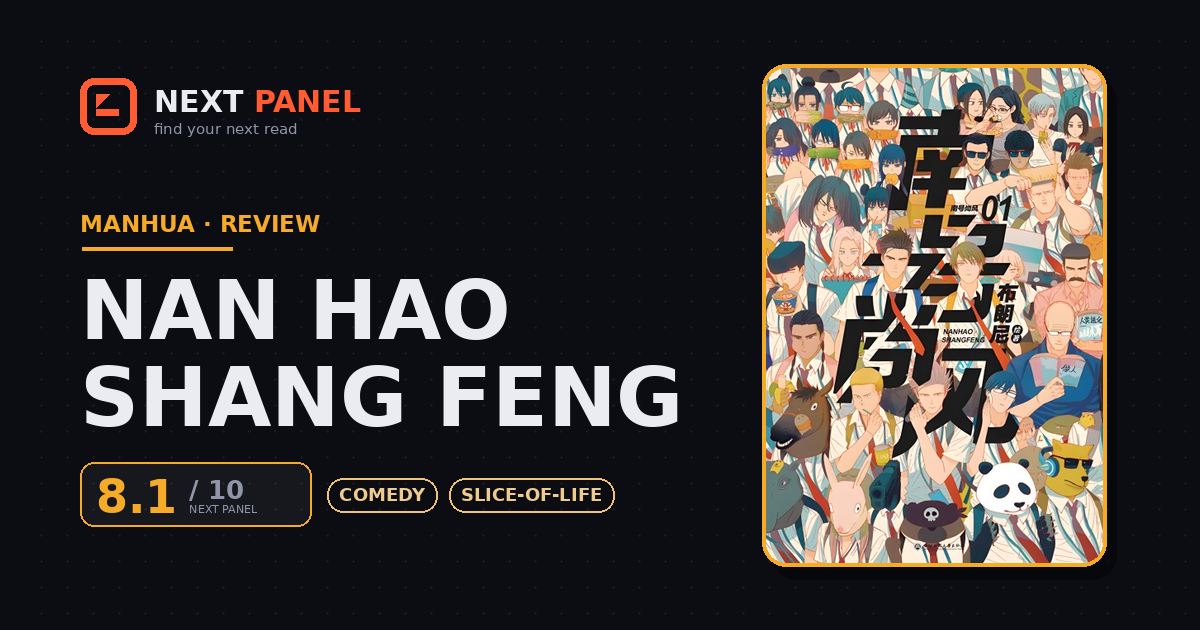
Nan Hao & Shang Feng is a long-running Chinese manhua by Brownie, publishing on Tencent's QQ Comics since 2019. It follows two best friends navigating high school through constant pranks, bickering, and low-grade chaos, alongside a running gag where their classmate — an enthusiastic yaoi fan — is convinced the two are secretly a couple and reads romantic subtext into their every interaction, no matter how mundane.
What it does well
What keeps the series funny well past its premise is that the friendship underneath all the chaos feels real. Nan Hao and Shang Feng needle each other constantly — stealing food, sabotaging each other's plans, dragging one another into increasingly stupid schemes — but the manhua never loses the sense that they'd do anything for one another underneath it, which gives even the most exaggerated gags a genuine emotional floor to land on instead of feeling like empty shock humor.
The classmate convinced the two are secretly dating is a smart addition rather than just a punchline generator. Her running misinterpretation of ordinary friendship moments as romantic subtext lets the manhua wink at its own over-the-top humor from the inside, turning what could have been a one-note joke into a recurring bit that comments on the boys' dynamic without the story itself ever playing it straight.
The series also keeps itself fresh across a genuinely long run by regularly breaking format entirely — dropping the leads into parody settings like fantasy-adventure pastiches or other genre send-ups for a handful of chapters before snapping back to the normal high school setup. That willingness to reset the premise periodically, rather than mining the same classroom gags indefinitely, is a big part of why it's stayed funny across well over a hundred chapters instead of running out of steam the way a lot of gag-a-day series eventually do.
Where it falls short
The manhua's central comedic engine leans hard on exaggerated homoerotic-subtext jokes between the two leads, playing their closeness for laughs in a way that some readers will find funnier, or more comfortable, than others depending on their taste for that specific style of humor. It's a series that knows exactly what button it's pushing and pushes it often, which works well for the audience it's aimed at and less well for readers who'd rather the friendship comedy stay in more conventional territory.
It also has no official English license, so readers outside China are relying entirely on fan translation sites, with no guaranteed consistency, quality, or release schedule — a real practical hurdle for a series already this many chapters deep.
Verdict
Nan Hao & Shang Feng gets consistent mileage out of a genuinely believable, chaotic friendship and a self-aware sense of humor about its own most exaggerated jokes, and its willingness to break format keeps a long-running gag structure from going stale. It's a strong pick for readers who want that specific flavor of boundary-pushing, teasing-heavy comedy between two leads who clearly care about each other, and a clear pass for readers who'd rather avoid the joke it leans on most.
Strengths & Weaknesses
Strengths
- The vitriolic, prank-heavy dynamic between Nan Hao and Shang Feng reads as a genuine, lived-in friendship rather than a thin excuse for gags, which makes the comedy land even at its most exaggerated.
- Leaning into an in-story classmate who misreads the boys' antics as romance gives the manhua a self-aware way to comment on its own over-the-top humor instead of playing everything completely straight.
- Format-breaking chapters -- dropping the leads into parody settings like a fantasy-adventure pastiche -- keep a long-running gag-a-day series from going stale by regularly resetting the premise for a few chapters at a time.
Weaknesses
- The series leans hard on exaggerated homoerotic-subtext jokes between the two leads as a recurring comedic engine, which some readers will find funnier than others depending on taste for that specific style of humor.
- No official English license, so readers outside China are relying entirely on fan translation sites with no guaranteed consistency or schedule.
Similar Titles
shares a similar chaotic, exaggerated register of friendship comedy
similar loud, teasing-driven comedic dynamic between two close friends
similar absurdist, gag-a-day energy applied to a tight friend group
Frequently Asked Questions
Are Nan Hao and Shang Feng actually a couple?
No, despite the manhua's recurring homoerotic-subtext jokes and an in-story character who ships them, they're written as close, if chaotic, friends, not a couple.
Is this a BL manhua?
No, it's classified as comedy/slice-of-life. The homoerotic material is played as exaggerated joke material about their friendship, not a romance plot.
Is it licensed in English?
No, it hasn't been picked up by a Western publisher, so English readers rely on fan translations.