Is Sand Chronicles Worth Reading? Review & Where to Read
Quick Answer
Yes, if you want a shoujo drama that treats grief, first love, and growing up with real honesty instead of melodrama. It earns its reputation as one of the more emotionally serious entries in the genre.
Quick Verdict
“Grief doesn't resolve on a schedule, and neither does this manga -- Ann's mother's suicide shapes every relationship she has for the next decade, and the story never pretends otherwise.”
Best for: Readers who want a shoujo romance willing to sit with real grief and consequence instead of resetting the emotional stakes every arc.
Not for: Readers who want a light, breezy romance without heavier themes like suicide and loss woven through it.
- Type
- Manga
- Genres
- Romance, Drama
- Status
- Completed
- This review
- Minor Spoilers
- Author
- Hinako Ashihara
- Publisher
- Shogakukan
- Platform
- VIZ Media
| Quick facts | |
|---|---|
| Format | Manga, 22 chapters, 10 volumes |
| Run | 2003–2006 · completed |
| Community score | AniList 7.8 |
| Where to read | VIZ Media — official |
Overview
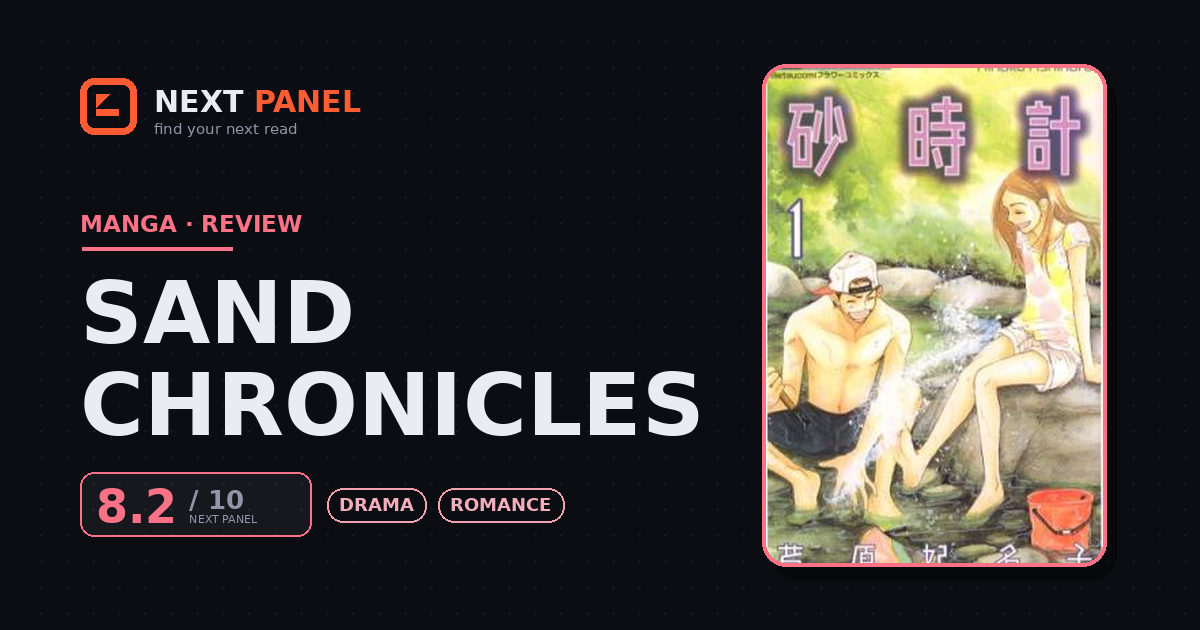
When her parents divorce, twelve-year-old Ann Uekusa and her mother leave Tokyo for the small town of Shimane, and Ann can't stand it -- the overbearing warmth of everyone in her mother's hometown feels suffocating after the anonymity of the city. Then her mother takes her own life, and that same overbearing kindness, especially from a local boy named Daigo, becomes the thing that keeps Ann standing. Sand Chronicles follows Ann from that year through adolescence and into adulthood, tracking how grief, first love, and the friendships that form around both actually settle over time.
What it does well
The manga's biggest strength is refusing to let Ann's grief function as a single dramatic event she processes and moves past. It resurfaces for years -- in how she handles intimacy, how she reads other people's kindness, how she thinks about her own future -- and Hinako Ashihara treats that honestly rather than resolving it for narrative convenience. The small-town setting does real work here too: the community's insistent, sometimes overwhelming warmth gives the story a specific texture that keeps it from reading like a generic shoujo backdrop.
The love triangle between Ann, Daigo, and the aristocratic Fuji also avoids the genre's laziest trap. Both boys are written as genuinely different, genuinely appealing options rather than one obvious right answer propped up against a strawman, which makes Ann's eventual choices feel earned rather than assumed. And because the manga follows her across a decade rather than stopping at graduation, you actually get to see how those choices hold up -- or don't -- once the drama of adolescence is behind everyone.
Where it falls short
This isn't a light read, and it doesn't want to be -- suicide and its long aftermath sit under nearly every arc, which is exactly the point but also means it's simply not what every reader wants from a shoujo romance. A few of the later time jumps also move fast enough that some supporting relationships and side arcs get wrapped up off-page rather than given the same care as the central trio's story.
Verdict
Sand Chronicles earns its reputation as one of shoujo's more emotionally serious entries by refusing to soften what it's actually about: grief that doesn't go away on schedule, and people who grow up around that fact rather than past it. It's heavy, and it stays heavy, but it's honest in a way that makes the romance at its center land harder than a lighter version of this story ever could.
Strengths & Weaknesses
Strengths
- Ann's grief over her mother is treated as an ongoing, shaping force rather than a single tragic beat the story moves past -- it resurfaces honestly for years afterward.
- The small-town setting and its overbearing-but-genuine kindness gives the story a specific texture that a lot of shoujo romance skips in favor of a generic backdrop.
- The time jumps from adolescence into adulthood let the manga show how first love and early friendship actually settle (or don't) over a real timespan, instead of ending at graduation.
- Daigo and Fuji are written as genuinely different options for Ann rather than one obvious right answer and one obvious wrong one, which keeps the love triangle from feeling like a formality.
Weaknesses
- The subject matter is heavy throughout -- suicide, grief, and its long aftermath are constant undercurrents, which won't be what every reader wants from a shoujo romance.
- A few later-arc time jumps move quickly enough that some supporting relationships get resolved off-page rather than shown in full.
Similar Titles
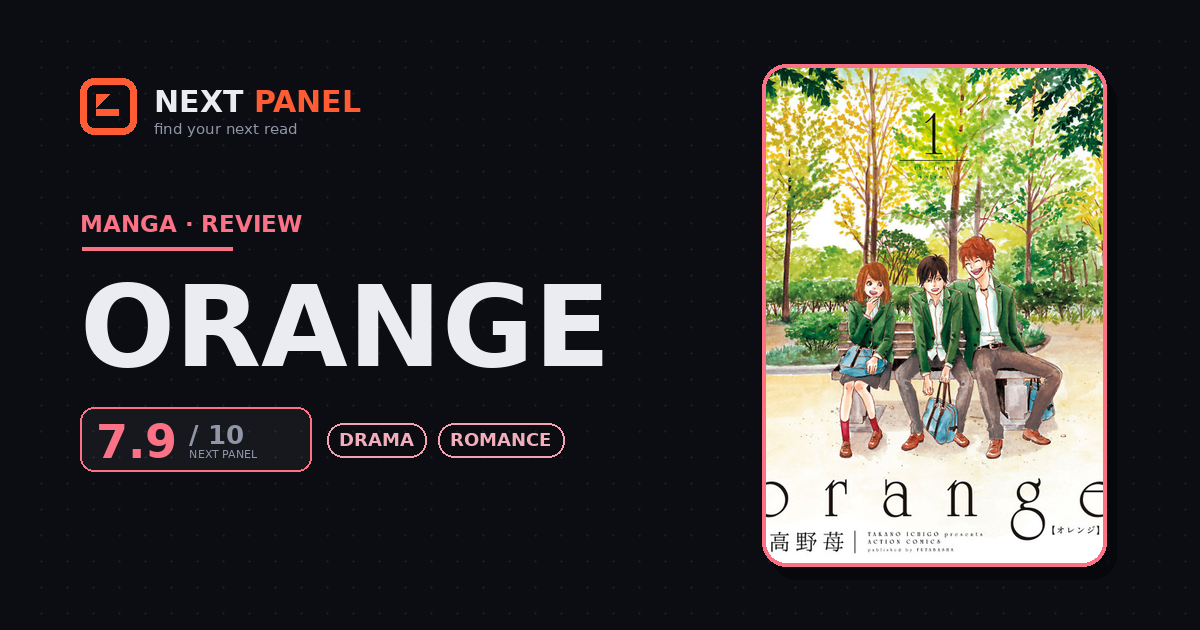
Same willingness to let romance sit alongside real grief and uncertainty about the future.
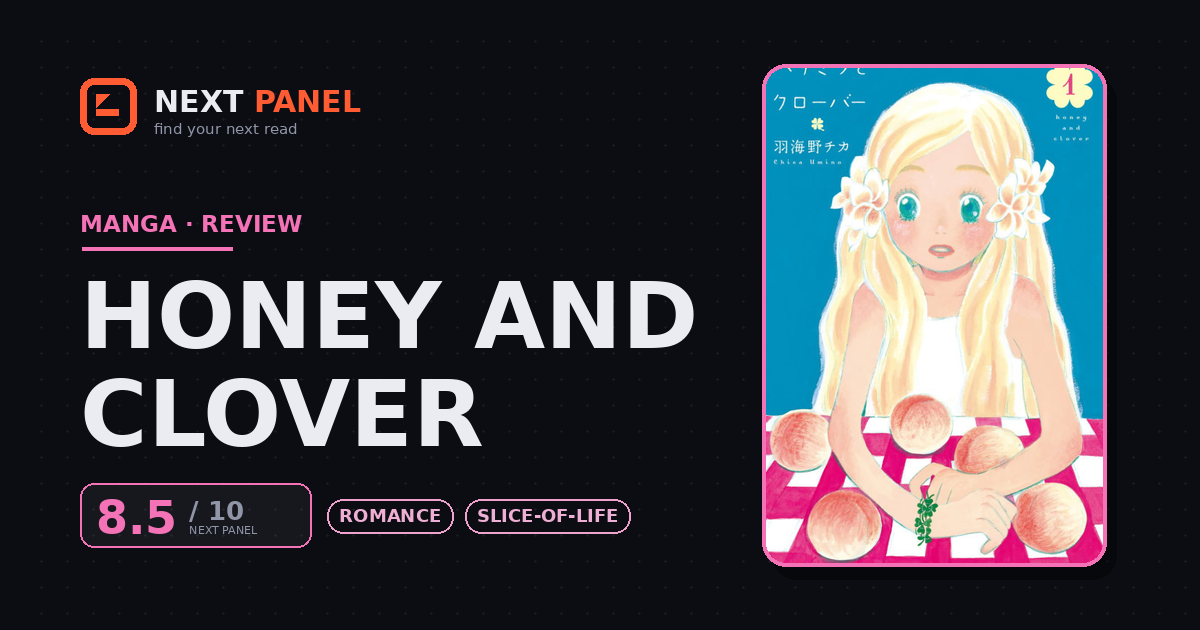
Similar grounded, emotionally honest take on adolescence, minus the heavier themes.
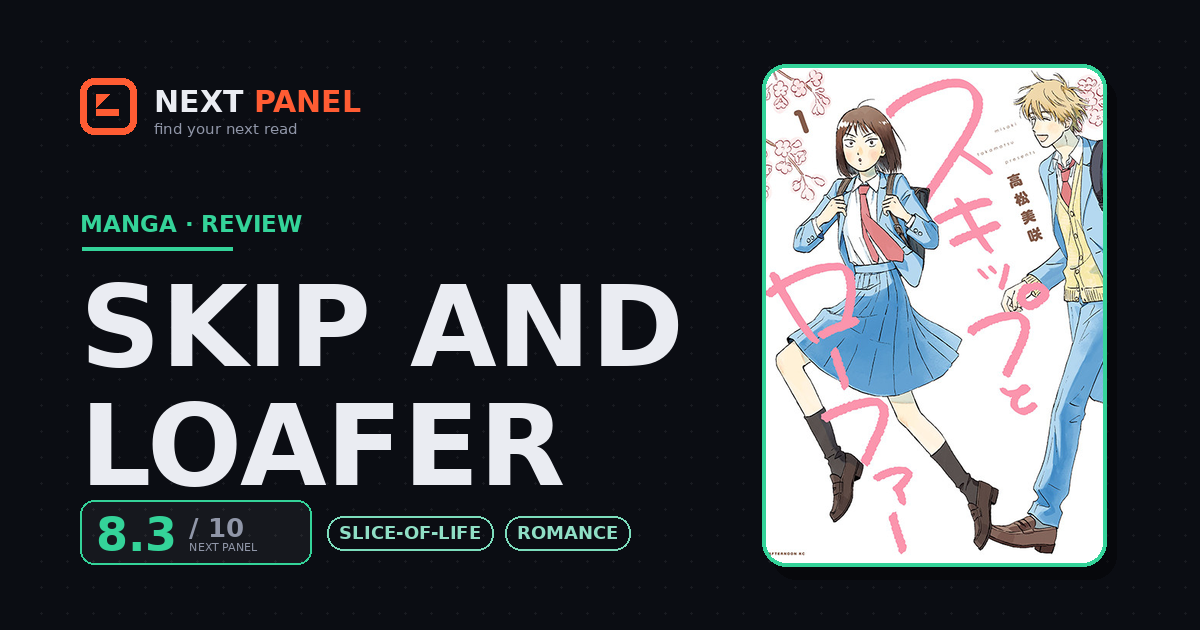
Same interest in how loss and regret shape a friend group over time, if you want more of that tone.
Where to Read Officially
| Platform | Format | Pricing | Region notes | Link |
|---|---|---|---|---|
| VIZ Media | Digital chapters & print volumes | Paid | Region availability varies | Open |
Frequently Asked Questions
Does the manga deal directly with suicide?
Yes -- Ann's mother's suicide happens early and its aftermath is a throughline for the rest of the series, handled with real weight rather than as shock value.
Is this a love triangle story?
There's a central love triangle between Ann, Daigo, and Fuji, but the manga is at least as interested in Ann's grief and growth as it is in who she ends up with.
How long is the series?
It's a complete 10-volume series, spanning from Ann's adolescence into her adult life.