Is Say Hello to Black Jack Worth Reading? Review & Where to Read

Quick Answer
One of the sharpest medical dramas the medium has produced, and worth reading even if hospital-set stories aren't usually your genre.
Quick Verdict
“Idealism meets an exhausted, underfunded hospital system here, and the manga never lets either side off easy.”
Best for: Readers who want a grounded, issue-driven drama that treats its real-world subject matter seriously.
Not for: Readers looking for a lighthearted or purely feel-good story, or anyone wanting fast-paced action over dialogue-heavy conflict.
- Type
- Manga
- Genres
- Drama
- Status
- Completed
- This review
- Minor Spoilers
- Author
- Shuho Sato
- Publisher
- Kodansha (original); public domain by author since 2012
- Platform
- Print & digital (Amazon Kindle)
| Quick facts | |
|---|---|
| Format | Manga, 25 volumes |
| Run | completed |
| Community score | MangaUpdates 8.4 |
| Where to read | Print & digital (Amazon Kindle) — official |
Overview
Eijiro Saito is a 25-year-old medical graduate starting his internship at a prestigious Japanese university hospital, full of the idealism that got him through medical school. Say Hello to Black Jack spends its thirteen volumes grinding that idealism against the reality of Japan's hospital system: brutal hours, poverty wages for interns, and senior doctors who've learned to care more about prestige and liability than the patients in front of them. The title nods to Osamu Tezuka's iconic surgeon Black Jack, but this is a wholly separate, much more grounded story.
What it does well
What sets this apart from most medical dramas is how specific and researched its anger is. This isn't vague "hospitals are stressful" material, it's pointed criticism of real structural problems: hospitals selectively refusing patients who aren't profitable, an entrenched hierarchy that punishes junior doctors for asking questions, and a system that burns out the people most committed to doing right by patients. Saito's arc works because his idealism isn't treated as automatically correct; the manga keeps forcing him to reckon with situations where doing the "right" thing has real costs, for him and for the patients he's trying to help.
That willingness to sit in discomfort rather than resolve every conflict neatly is a big part of why the series won a Japan Cartoonists Association Award and has stayed in print for two decades. It's also part of why the author eventually released it into free secondary use rather than let it disappear behind a publishing dispute; that's a rare kind of confidence in a book's staying power.
Where it falls short
The manga leans heavily on dialogue and internal monologue to make its points, which gives it a denser, more novelistic pace than a lot of manga readers expect. Some of the system's worse actors are drawn broadly enough to clearly serve the argument being made, which occasionally tips from drama into lecture. And because the critique is so specifically aimed at Japan's medical and insurance systems, some cultural and institutional context lands harder if you already know a bit about how Japanese hospitals are structured, though the story does the work to explain most of what you need.
Verdict
Idealism meets an exhausted, underfunded hospital system here, and the manga never lets either side off easy — a sharp, deliberately uncomfortable read for anyone who wants their medical drama to actually have teeth.
Strengths & Weaknesses
Strengths
- The medical and institutional detail feels genuinely researched, giving the hospital politics real weight instead of generic drama-of-the-week conflict.
- Saito's idealism is written with real friction; the manga keeps testing it against a system that doesn't reward it, rather than letting him win too easily.
- It tackles specific, uncomfortable issues (underfunding, understaffing, hospitals turning away patients they can't profit from) with more bite than most medical fiction bothers to.
Weaknesses
- The pacing is dialogue- and monologue-heavy, which can feel dense compared to more visually driven manga.
- Some of the systemic villains are drawn a little broadly to make a point, which occasionally tips the social commentary into didacticism.
- Its very specific focus on the Japanese medical system means some context lands better if you have a little outside knowledge of it going in.
Similar Titles
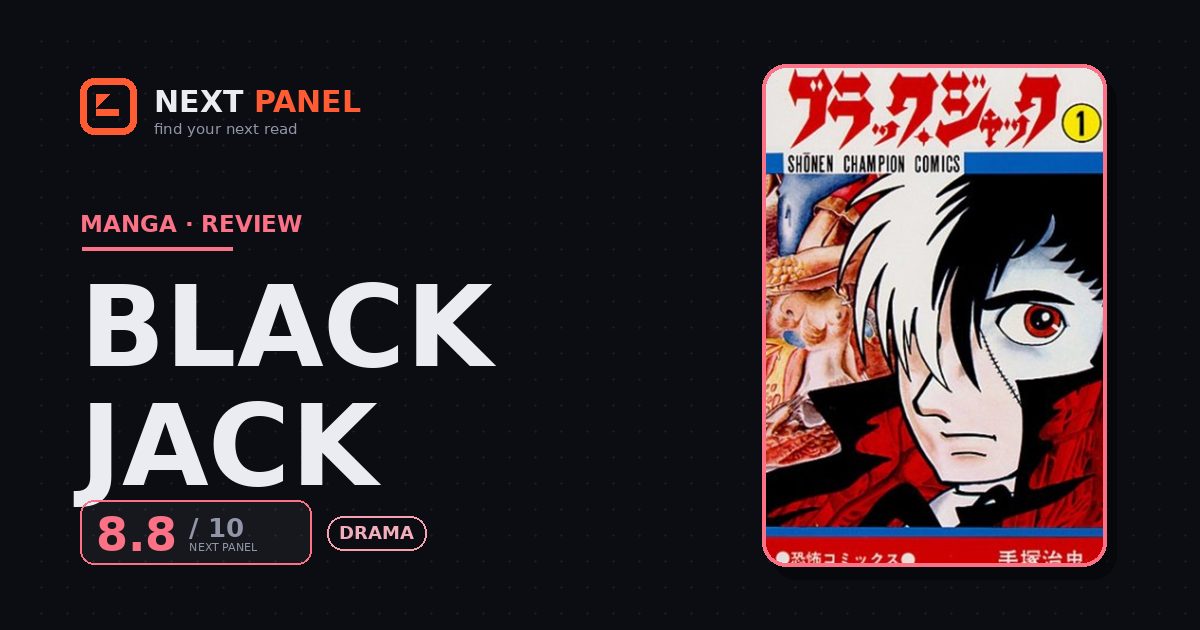
Osamu Tezuka's classic the title pays homage to; a very different tone, but the shared touchstone for anyone curious about the reference.
New Say Hello to Black Jack
The direct sequel (Shin Black Jack ni Yoroshiku), following Saito's career across a wider range of hospital departments.
Where to Read Officially
| Platform | Format | Pricing | Region notes | Link |
|---|---|---|---|---|
| Print & digital (Amazon Kindle) | Print & digital volumes | Free + Paid | Region availability varies | Open |
Frequently Asked Questions
Is Say Hello to Black Jack finished?
Yes, the original series is complete at 13 volumes, with a sequel, Shin Black Jack ni Yoroshiku, running for 9 more.
Where can I read it officially in English?
English print and digital volumes have been available via Kindle since 2012, after the author released the series for free secondary use.
Is this connected to Osamu Tezuka's Black Jack?
Only by reference — the title nods to Tezuka's classic surgeon character, but the story, cast, and setting are entirely original to Shuho Sato.