Is Tokyo Ghoul Worth Reading? Spoiler-Light Manga Review
Quick Answer
Yes, if you can handle the bleak. Tokyo Ghoul is a striking, sorrowful horror series about a half-ghoul trying to hold onto himself, and the original is a complete, self-contained story.
Quick Verdict
“Unsettling art and a real question about what its hero is becoming carry the horror; the latter half gets dense and the bleakness never lets up.”
Best for: Readers who want dark, character-driven horror with striking art and real emotional stakes.
Not for: Readers who want an upbeat or low-stress read, or who can't stomach heavy body horror and gore.
- Type
- Manga
- Genres
- Drama, Horror, Action
- Status
- Completed
- This review
- Minor Spoilers
- Author
- Sui Ishida
- Publisher
- Shueisha
- Platform
- VIZ
| Quick facts | |
|---|---|
| Format | Manga, 144 chapters, 14 volumes |
| Run | 2011–2014 · completed |
| Community score | AniList 8.4 · MAL 8.0 · MangaUpdates 8.3 |
| Where to read | VIZ — official |
Overview
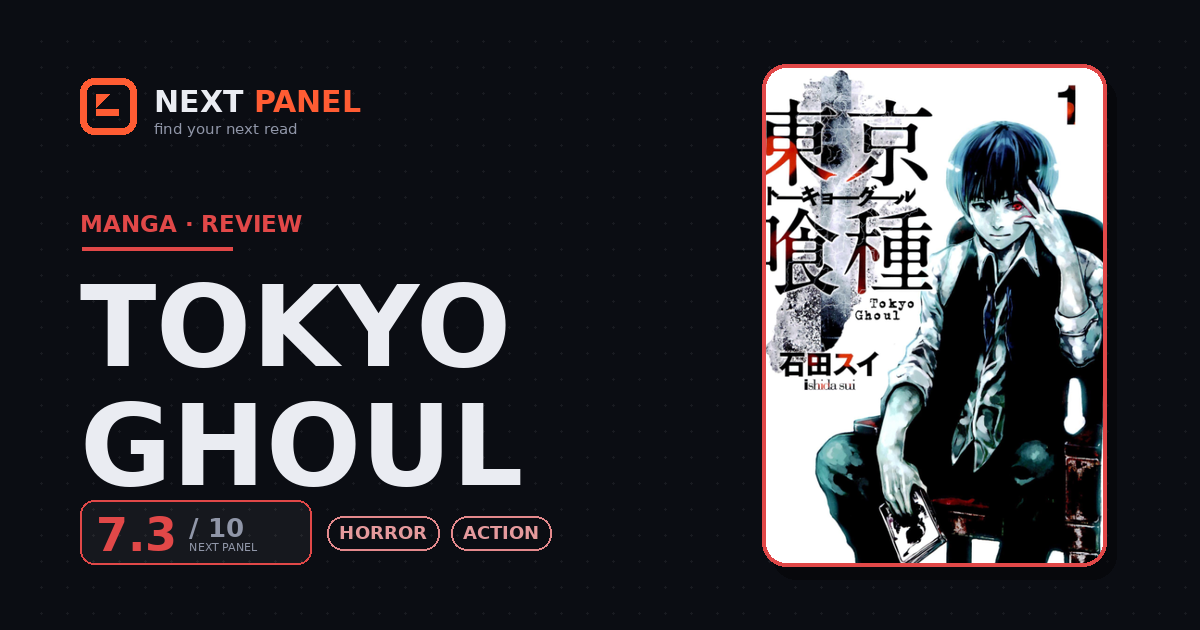
Tokyo Ghoul is a dark urban horror series by Sui Ishida. It follows Ken Kaneki, a quiet college student who survives a deadly encounter and wakes up changed — now a half-ghoul who can only stomach human flesh, caught between the human world he came from and the hidden society of ghouls he's forced into. The original series runs fourteen volumes and tells a complete arc. This review covers that original series, and it stays spoiler-free.
What it does well
The first thing people notice is the art. Ishida draws with a nervy, elegant line that turns even quiet scenes uneasy, and when the horror arrives it genuinely unsettles. The body horror isn't there for shock value — it's tied to Kaneki's core problem, which is the real engine of the story: what does it mean to slowly stop being the person you used to be?
That question gives the violence weight most horror manga don't reach for. Kaneki doesn't want to be a monster, and watching him bend under the pressure of a world that treats him as one is genuinely affecting. The series is at its best when it sits with that internal struggle rather than the fights, and it's willing to let him be scared and selfish and lost rather than cool.
It also refuses to make the ghouls simple villains. They have families, fears, and grief, and they're hunted by people who are sometimes just as sympathetic. That moral murk means almost every confrontation costs something, and it keeps the story from settling into a clean hero-versus-monster shape.
Where it falls short
The flip side of that ambition is that the latter half gets dense and moves fast. New factions and names pile up quickly, and if you read in big gaps it's easy to lose track of who's who and why a fight matters. It rewards close, fairly continuous reading.
The tone is also relentlessly bleak. There's very little relief here — it's grief, dread, and loss for long stretches — and that unbroken heaviness can wear you down if you're not in the right mood for it.
And a few of the bigger turns lean on the kind of sudden reveal that hits harder emotionally than it does logically. It mostly works in the moment, but it asks you to go with the feeling more than the mechanics.
Verdict
Tokyo Ghoul is one of the better dark horror manga of its era, carried by striking art and a sincere question about identity and belonging that gives its body horror real weight. If you want stylish, sorrowful horror-action and you don't mind sitting in the bleak, the original series is well worth reading as a self-contained story. If you want something hopeful, or you can't stomach the gore, it isn't the place to start.
Strengths & Weaknesses
Strengths
- Sui Ishida's art is striking and genuinely unsettling, and it carries the horror even in quiet scenes.
- The central question of what Kaneki is becoming gives the body horror real emotional weight.
- The ghouls are written as a frightened, persecuted people with families and grief, not simple monsters, so every fight costs something.
- Kaneki's slow transformation is the heart of the story, and it's handled with more care than most action-horror manages.
Weaknesses
- The latter half gets dense and moves fast, with a lot of factions and names to keep track of.
- The tone is relentlessly bleak, with very little relief, which can wear on you.
- A few of the bigger turns land harder emotionally than they do logically.
Similar Titles
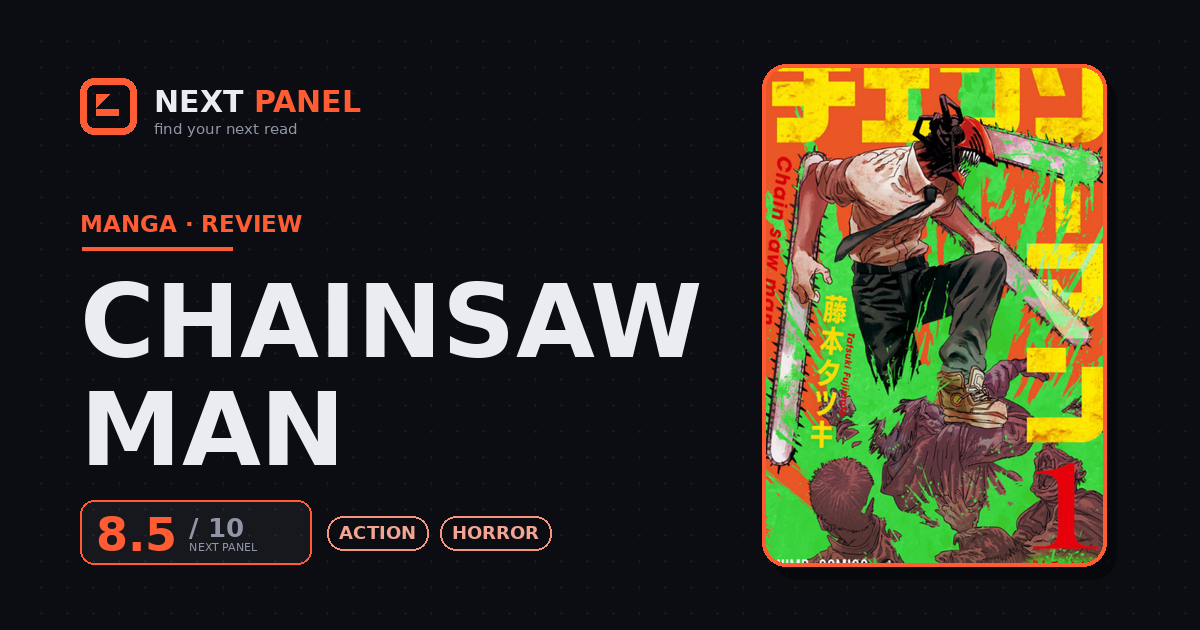
Chainsaw ManManga
violent, sad, and stylish
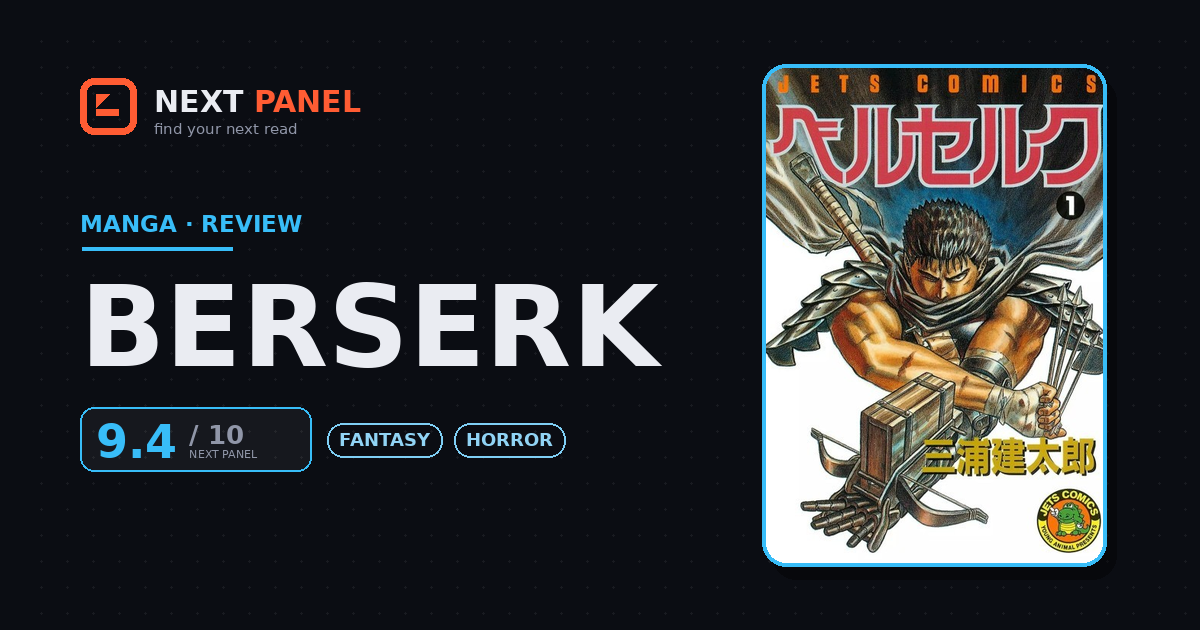
BerserkManga
dark, beautiful, and tragic
Where to Read Officially
| Platform | Format | Pricing | Region notes | Link |
|---|---|---|---|---|
| VIZ | Digital chapters/volumes | Free + Paid | Region availability varies | Open |
Frequently Asked Questions
Is Tokyo Ghoul a good first manga?
It can be, if you like horror. The first series is a strong entry point; the sequel asks more of you.
Is this review spoiler-free?
Yes, it's spoiler-light.
Where can I read it officially?
Use the link in the verdict card and check your region.