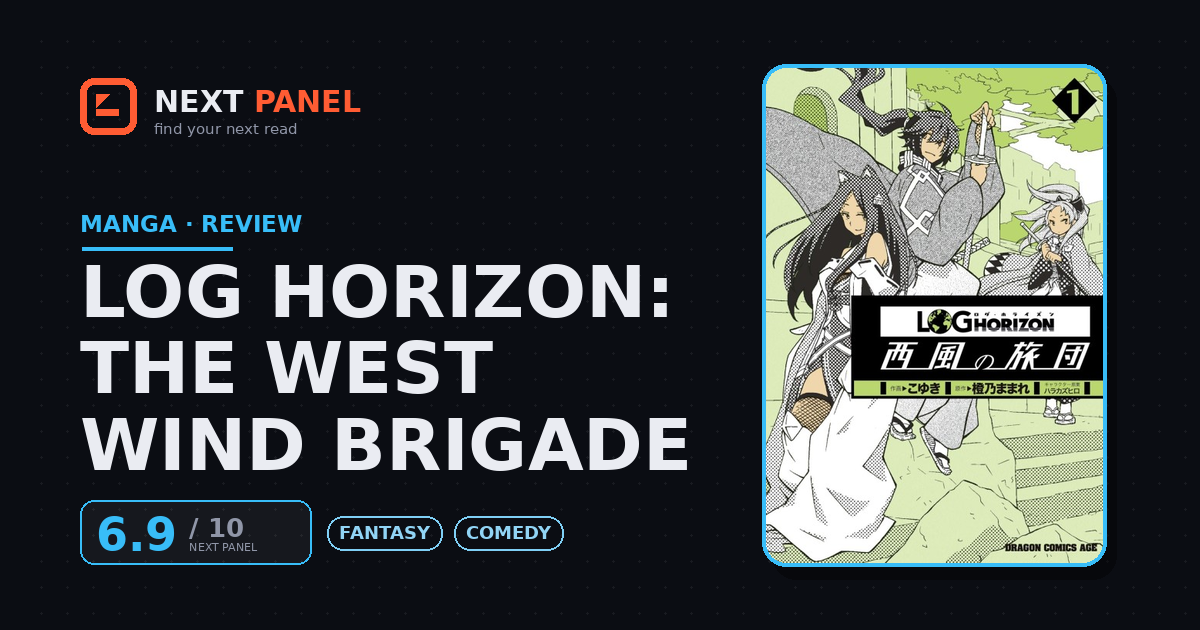
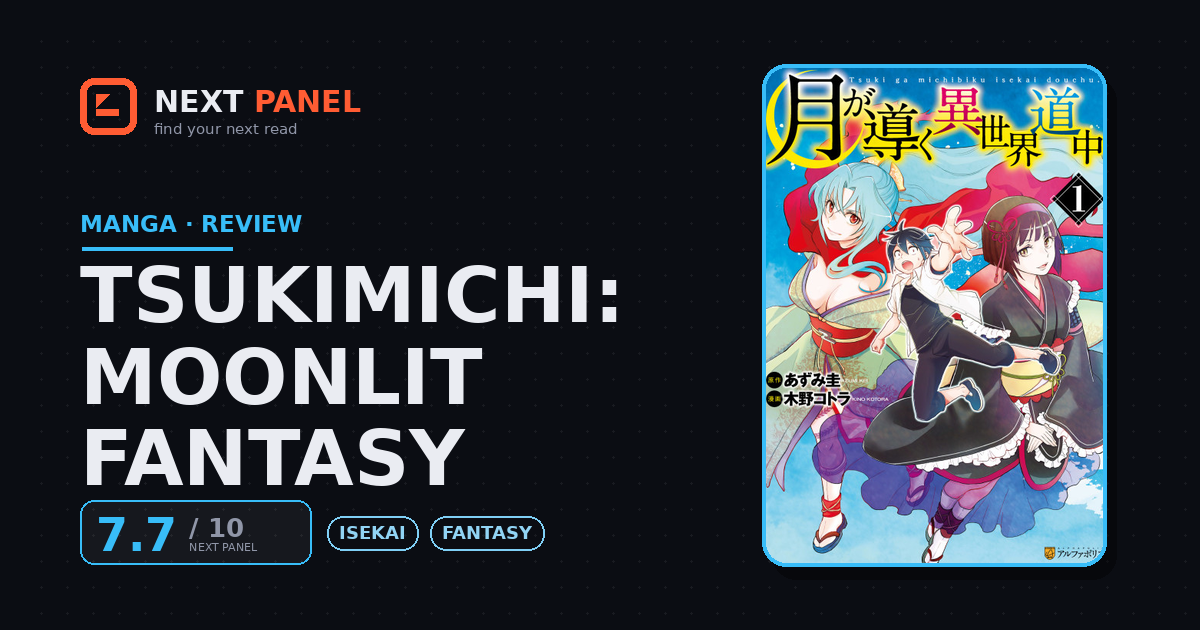
Is Tsukimichi: Moonlit Fantasy Worth Reading?
Quick Answer
Tsukimichi: Moonlit Fantasy is worth reading for its found-family cast and a lead who succeeds through competence rather than raw power, even as the plot settles into familiar isekai territory.
Quick Verdict
“Comfortable, well-liked isekai carried by a competence-over-power lead and a found-family cast stronger than the genre's usual harem shorthand.”
Best for: Readers who want a gentler, found-family-driven isekai with a practical, non-overpowered lead.
Not for: Readers who want the goddess-rejection premise to stay sharply subversive, or who want a shorter, more contained story.
- Type
- Manga
- Genres
- Fantasy, Isekai
- Status
- Ongoing
- Author
- Kei Azumi
- Artist
- Kotora Kino
- Publisher
- AlphaPolis
- Platform
- Alpha Manga
| Quick facts | |
|---|---|
| Format | Manga |
| Run | 2015–present · ongoing |
| Community score | AniList 7.6 |
| Where to read | Alpha Manga — official |
Overview
Tsukimichi: Moonlit Fantasy starts with the usual isekai summoning setup and immediately swerves: Makoto Misumi gets pulled into another world to be its hero, and the goddess running the summoning takes one look at him and calls him too unattractive to bother with, banishing him to the edge of the map instead. Kei Azumi's story, adapted here by Kotora Kino, follows Makoto building a life and a found family out of that rejection, starting from nothing in a stretch of wilderness no one else wanted. Instead of humans, he ends up traveling with monsters and spirits, including a dragon and a giant spider who take human form to follow him, relying on practical skill and diplomacy rather than a granted superpower to get by.
What it does well
The core hook, an isekai lead who isn't chosen or overpowered, gives the story a different rhythm than most of the genre. Makoto solves problems with engineering, farming, and negotiation as much as combat, and his found-family cast of monsters-turned-companions is stronger for being built on loyalty and gratitude rather than a harem checklist. Side characters who'd be disposable in a lesser isekai, a persecuted lich, a pair of self-serious knights, get enough page time to feel like actual people choosing to stay. Tomoe and Mio in particular get real characterization beyond pretty girl who likes the protagonist; their backstories as a feared dragon and a legendary spider give them a wary, formal relationship to humanity that the story takes seriously even as it plays their day-to-day antics for comedy. The worldbuilding around Makoto's adopted territory also grows naturally out of his skills, so the story's expansion feels earned rather than just added scope for its own sake.
Where it falls short
The early goddess-insult setup promises a sharper subversion than the story ultimately delivers. Once Makoto settles into his new life, the plot slides into fairly conventional isekai territory, building a settlement, managing followers, meeting other summoned humans, without pushing its own premise as hard as it could. The tone can also whiplash between slice-of-life comedy and much darker material, the goddess's callousness, monster persecution, war, without always smoothing the transition. And at fifteen-plus volumes and still going, with the light novel further ahead still, newer readers are committing to a long, still-unresolved story rather than something with a clear endpoint in sight.
Verdict
A comfortable, well-liked isekai that earns points for a lead who succeeds through competence and kindness rather than raw power, even if it settles into more familiar genre rhythms than its opening promises. Worth it if you want a gentler, found-family-driven isekai, less so if you're hoping the unattractive-hero premise stays as sharp as its first chapter.
Strengths & Weaknesses
Strengths
- A rare isekai lead who solves problems with practical skill and diplomacy instead of a granted superpower.
- Tomoe and Mio get real characterization as a dragon and a spider adjusting to humanity, not just harem-coded love interests.
- A found-family structure built on loyalty and gratitude that gives the comedy genuine emotional footing.
- Worldbuilding that grows naturally out of Makoto's own choices rather than existing just to widen the map.
Weaknesses
- Settles into fairly conventional isekai rhythms once the opening premise's sharper edge wears off.
- Tone can whiplash between light slice-of-life comedy and darker material like persecution and war.
- A long, still-ongoing story at fifteen-plus volumes with no end in sight.
Similar Titles
That Time I Got Reincarnated as a Slime
A similar found-family, nation-building isekai with a comparably non-combat-focused lead.
Another isekai built more on patient world-building and relationships than raw power fantasy.
A slower, more diplomacy-and-strategy-driven isekai for readers who want less combat, more systems.
Where to Read Officially
| Platform | Format | Pricing | Region notes | Link |
|---|---|---|---|---|
| Alpha Manga | Digital | Paid | Region availability varies | Open |
Frequently Asked Questions
Where can I read Tsukimichi: Moonlit Fantasy officially in English?
The manga is published digitally in English through Alpha Manga; the light novel it's based on is published separately by Hanashi Media.
Is Tsukimichi: Moonlit Fantasy finished?
No, both the light novel and manga are still ongoing, with the manga past fifteen volumes in Japan.
Is Tsukimichi: Moonlit Fantasy a harem series?
It has harem-adjacent elements, since more than one character has feelings for Makoto, but the story leans more on found-family loyalty than harem-comedy tropes.
Keep Reading
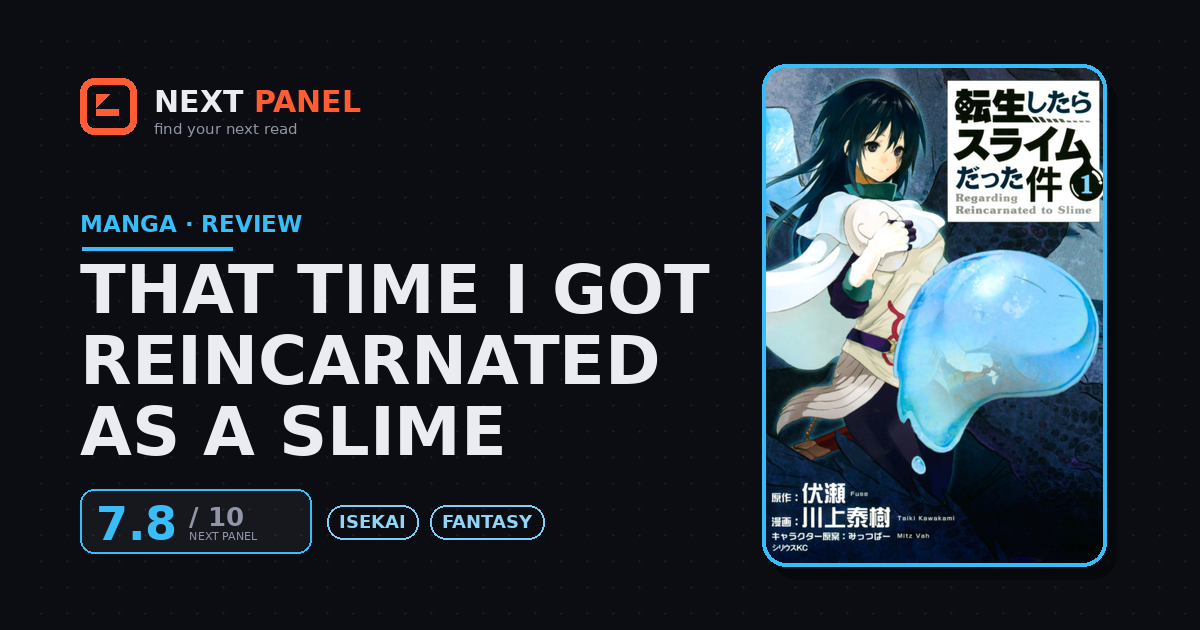
Is That Time I Got Reincarnated as a Slime Worth Reading? Review & Where to Read
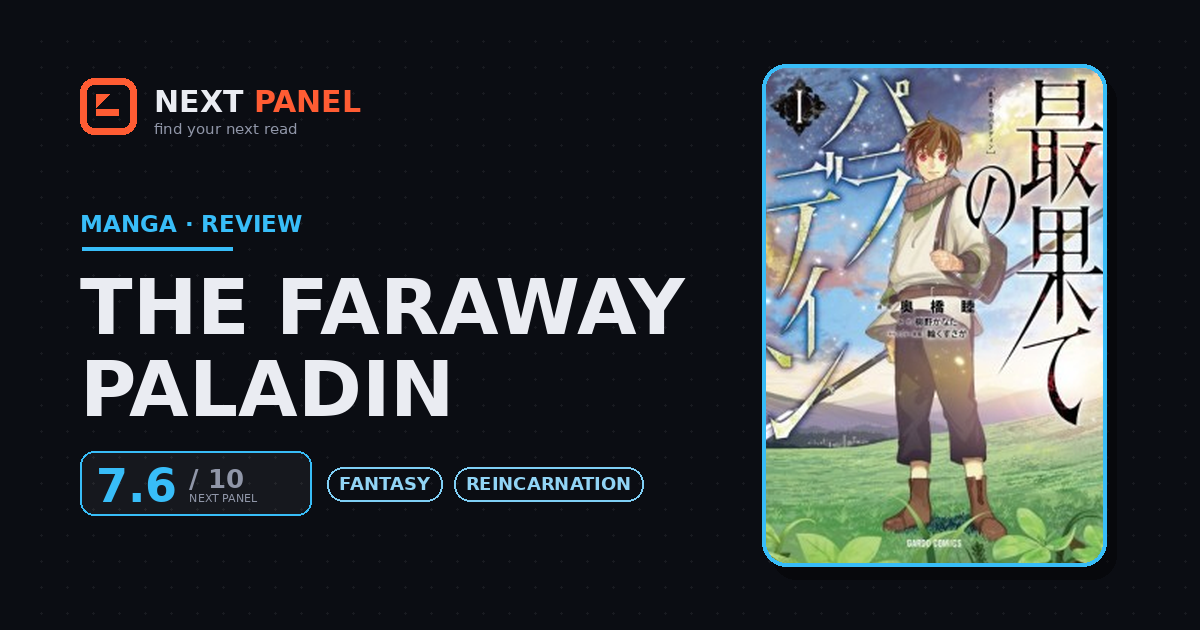
Is The Faraway Paladin Worth Reading? Review & Where to Read