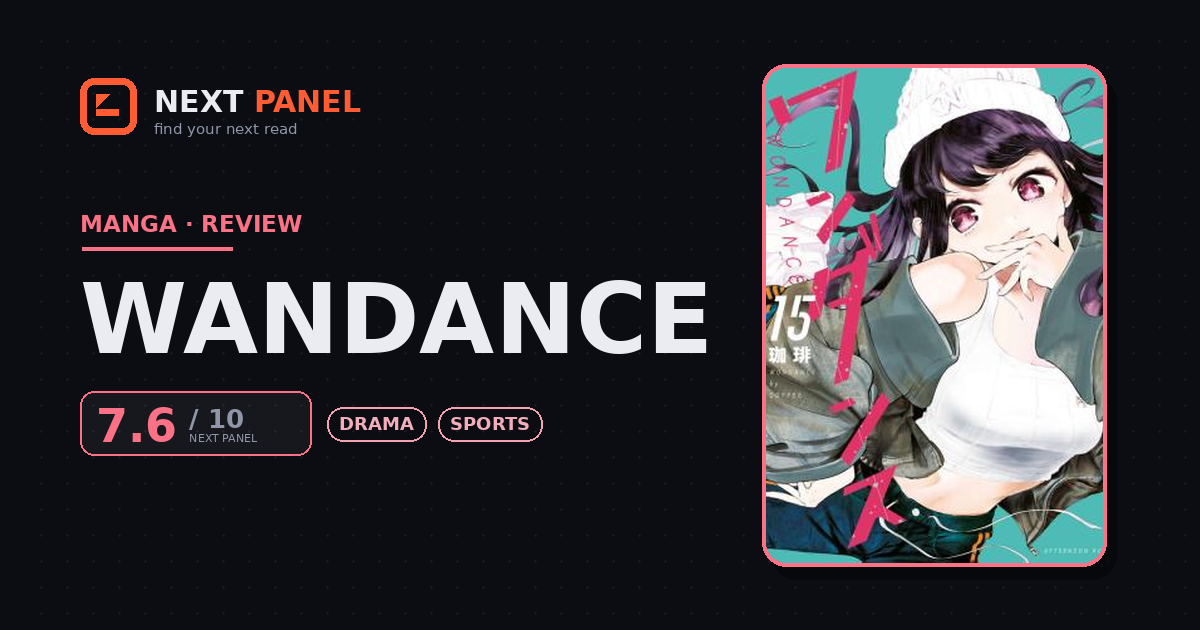
Is Wandance Worth Reading? Review & Where to Read
Quick Answer
Yes, if you want a sports-club story that treats dance as seriously as most manga treat basketball or boxing. It's less about romance than it looks and more about a kid finding a language that isn't words.
Quick Verdict
“That stutter locks up every sentence, but the dance floor doesn't need any -- Wandance builds its whole hook out of that one contrast and mostly earns it.”
Best for: Readers who want a sports-club story built around self-expression and craft, not just competition.
Not for: Readers who want the central relationship to move fast, or who need a genre that isn't at all interested in the technical side of its hobby.
- Type
- Manga
- Genres
- Drama, Sports
- Status
- Ongoing
- This review
- Minor Spoilers
- Author
- Coffee
- Publisher
- Kodansha
- Platform
- K MANGA / Kodansha USA
| Quick facts | |
|---|---|
| Format | Manga |
| Run | 2019–present · ongoing |
| Community score | AniList 7.8 |
| Where to read | K MANGA / Kodansha USA — official |
Overview
Kaboku Kotani has a plan for high school: keep his head down, go along with his friends, and never draw attention to a stutter that's made every year of school before this one exhausting. That plan lasts about as long as it takes him to see Hikari Wanda dance at a club fair -- not performing for anyone, just moving because she wants to. Wandance is the story of what happens when Kaboku decides that whatever Wanda has access to, he wants it too, and joins the dance club to try to find it.
What it does well
The smartest thing Coffee does here is make the stutter the actual point instead of a surface-level obstacle. Every scene of Kaboku trying and failing to say something out loud, and then finding a way to say the same thing with his body on the dance floor, is doing real thematic work -- this isn't a story that happens to have a character with a speech impediment, it's a story about finding a second language when the first one keeps failing you. That idea alone would carry a weaker manga, but Wandance backs it up with genuinely well-drawn choreography: you can follow the actual mechanics of a routine panel to panel, not just admire a vague sense of motion, which is harder to pull off than it looks.
Wanda herself is the other reason this works. She could easily have been reduced to a manic-pixie catalyst who exists to inspire Kaboku and nothing else, but she gets her own doubts about her dancing, her own ambitions, and scenes that are about her rather than about what she does for him. The rest of the dance club follows the same rule -- everyone has a specific, legible reason for being there, so club scenes feel like an actual group instead of a backdrop.
Where it falls short
The pacing gets uneven whenever the story has to shift gears between a big dance sequence and the slower, more will-they-won't-they stretches of the Kaboku/Wanda relationship. A few arcs lose momentum right after a strong performance chapter should be carrying things forward, and the tonal whiplash is noticeable. As an ongoing series, it's also fair to say the payoff isn't all the way there yet -- Kaboku's arc in particular is clearly headed somewhere, but the manga is still very much mid-journey rather than delivering on its setup.
Verdict
Wandance takes a premise that could've been a shallow romance hook -- shy boy falls for confident dancer -- and turns it into something more specific and more interesting: a story about finding a way to say what you mean when your mouth won't cooperate. The choreography is drawn with real craft, the cast earns their screen time, and the pacing hiccups are the kind of growing pains an ongoing series can still fix. Worth getting in on now rather than waiting for it to finish.
Strengths & Weaknesses
Strengths
- The stutter isn't a gimmick -- it's the entire emotional engine of the manga, and every scene where Kaboku finds another way to say something he can't speak lands because of it.
- The dance choreography is drawn with real specificity -- you can follow the mechanics of a move, not just admire a vague blur of motion, which matters a lot for a story about a physical craft.
- Wanda herself avoids the 'manic pixie inspiration' trap; she gets her own doubts, ambitions, and reasons for dancing that don't exist just to motivate Kaboku.
- The dance club's supporting cast each have a distinct reason for being there, so the group scenes feel like a real club instead of a wall of extras.
Weaknesses
- Pacing between the dance-focused chapters and the will-they-won't-they beats can be uneven -- a few arcs slow down right when the momentum from a big performance should be carrying the story forward.
- As an ongoing series, several threads (Kaboku's confidence arc especially) are still mid-development, so the payoff isn't all the way there yet.
Similar Titles
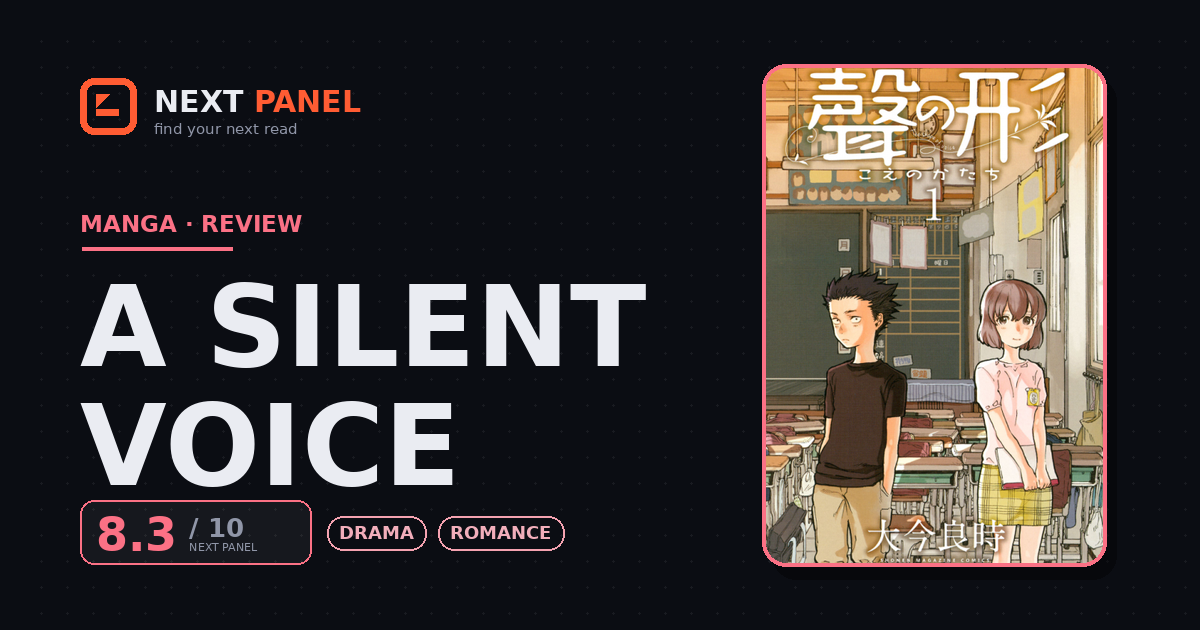
Same structure: an awkward protagonist discovers an art form and gets serious about the craft behind it.
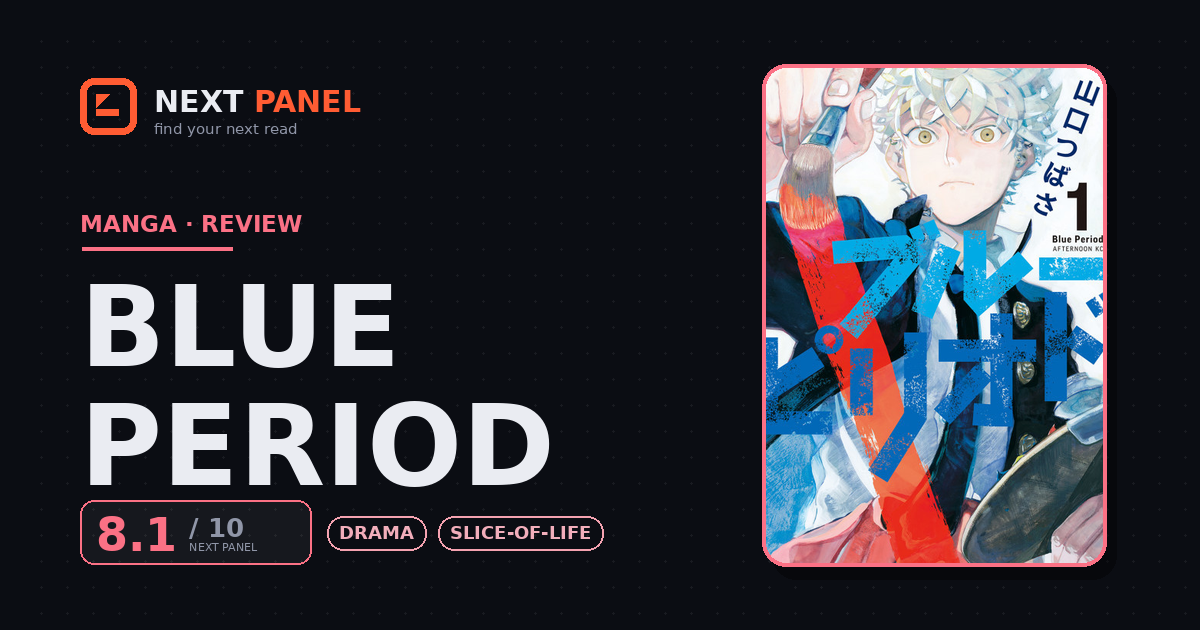
Same club-sports energy and attention to the mechanics of the activity, if you want more of that specific feeling.
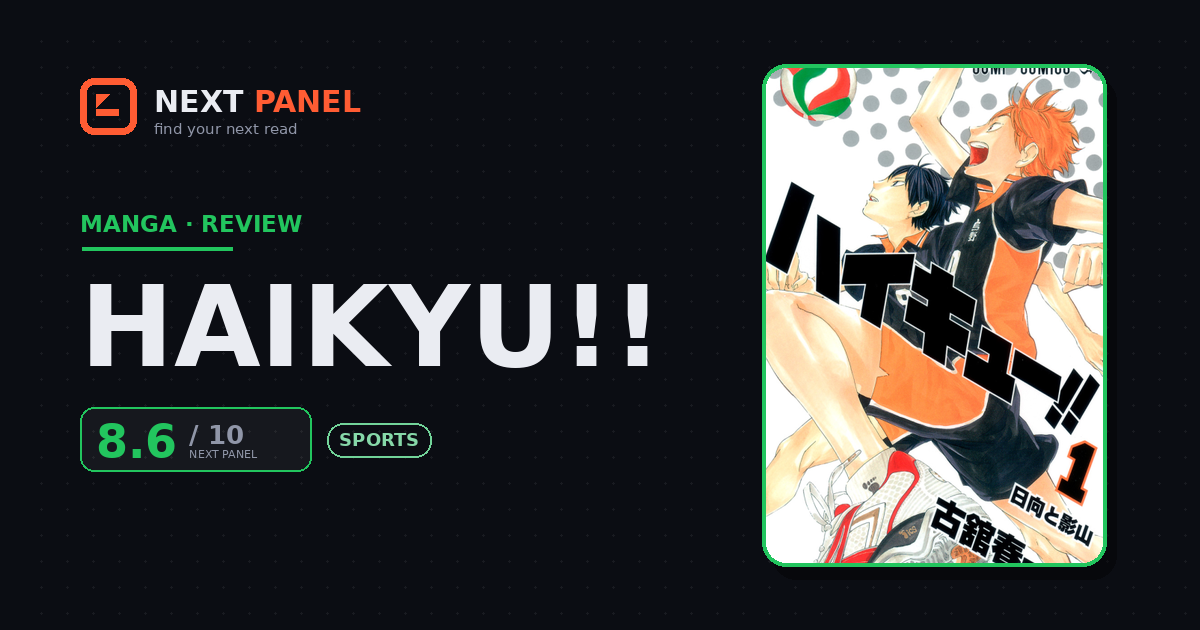
Similar interest in a character who struggles to communicate finding another way to connect.
Where to Read Officially
| Platform | Format | Pricing | Region notes | Link |
|---|---|---|---|---|
| K MANGA / Kodansha USA | Digital chapters & print volumes | Free + Paid | Region availability varies | Open |
Frequently Asked Questions
Is this mainly a romance?
There's a romantic thread between Kaboku and Wanda, but the manga spends at least as much time on dance technique and club dynamics as it does on the relationship.
Do I need any dance knowledge going in?
No -- the manga explains styles and moves as they come up, and the art is clear enough that you can follow the choreography without prior knowledge.
Is it finished?
No, it's still ongoing, so some character arcs (especially Kaboku's) are still in progress rather than resolved.