Manga7.7Completed
Is Ultra Heaven Worth Reading? Review & Where to Read
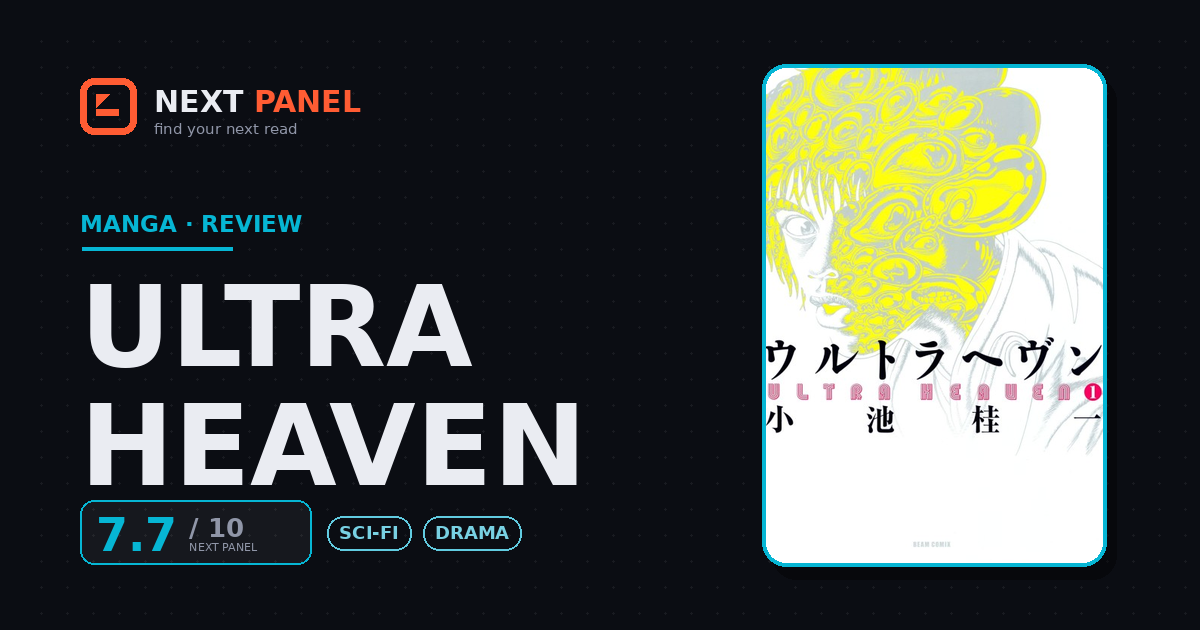
It commits fully to being a drug-trip manga rendered in the clearest possible linework, and that contrast is exactly why it works instead of reading as shock for its own sake.
Spoiler-light · Honestly rated
Every review labels its spoiler level, separates art from writing, and ends with an official way to read.
We use the whole 1–10 scale and judge each title against the best version of what it is trying to be — a comedy on how funny it is, a thriller on its tension — not against some other genre. As a rough guide: 9+ is all-time great, 8 excellent, 7 a solid recommendation with caveats, 5–6 mixed or average. A 7 is a genuine yes, not a knock. The “Community score” in each review is the crowd rating from AniList, MAL, and MangaUpdates, shown next to ours for comparison.
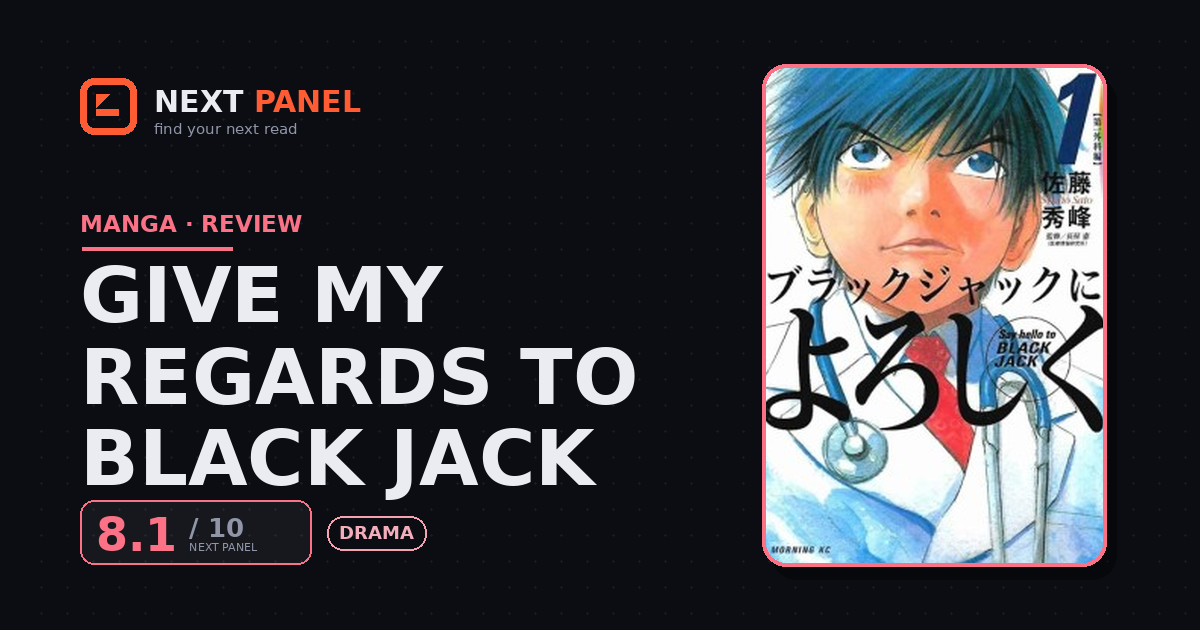
This is angrier and bleaker than most medical manga get, and it's better for it — Saito's idealism gets ground down in a way that feels honest rather than manipulative.
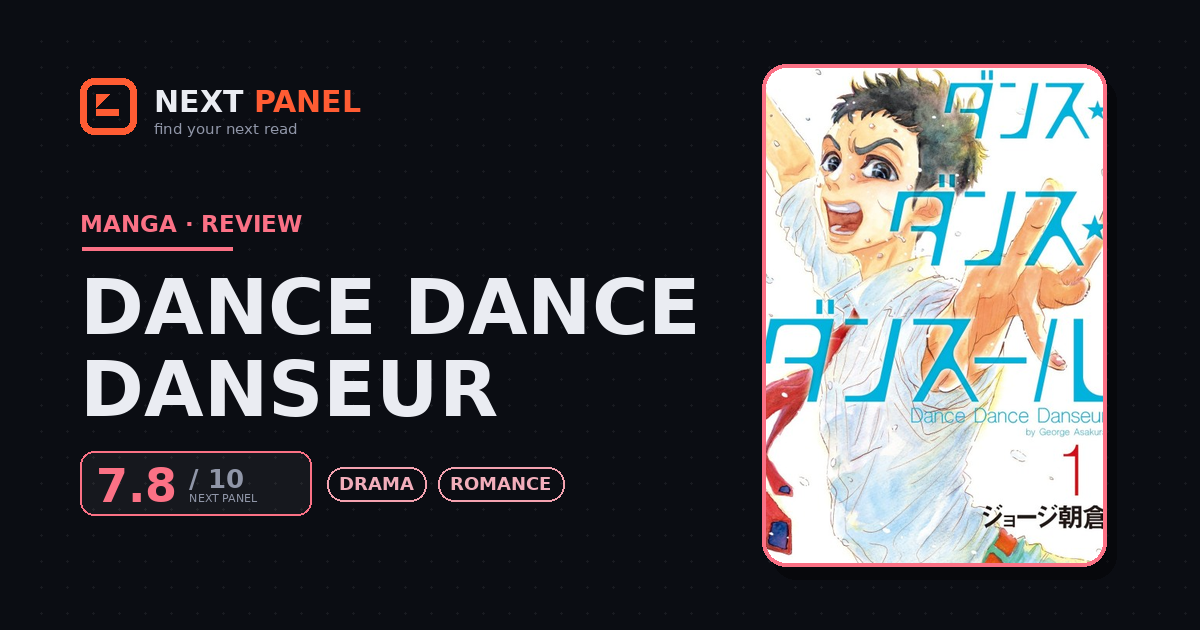
It's less interested in easy inspiration than in how much a body and an ego have to be rebuilt to actually dance well, which makes it sting more than most sports-manga comebacks.
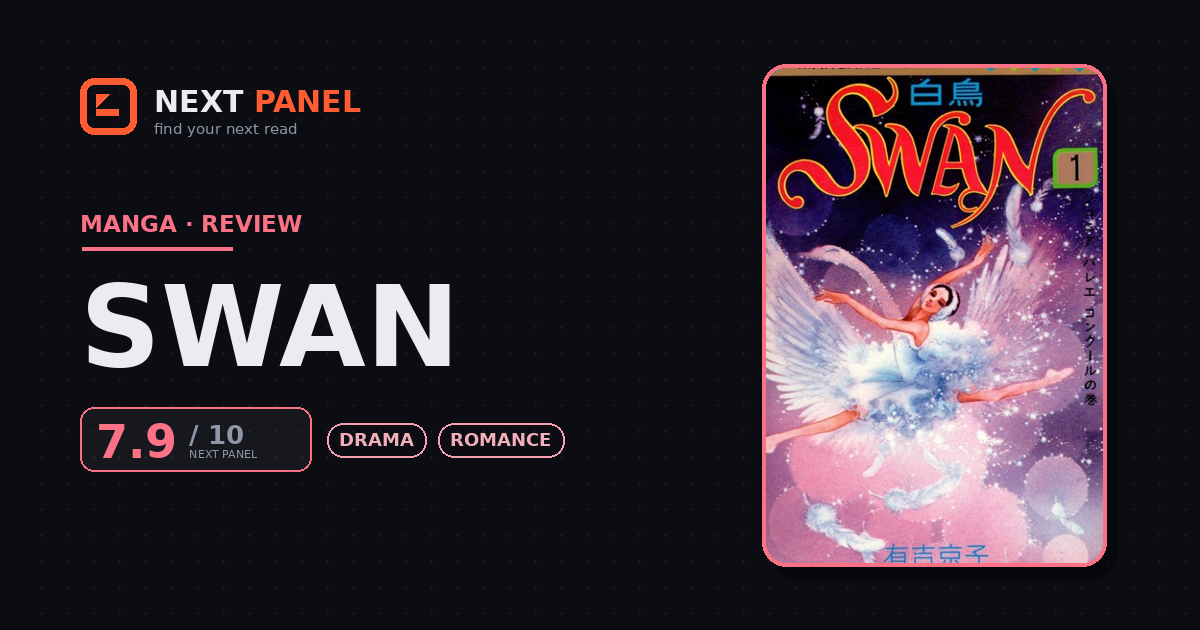
The dance pages alone are worth the search — Ariyoshi draws movement in a way that still doesn't have many equals decades later.
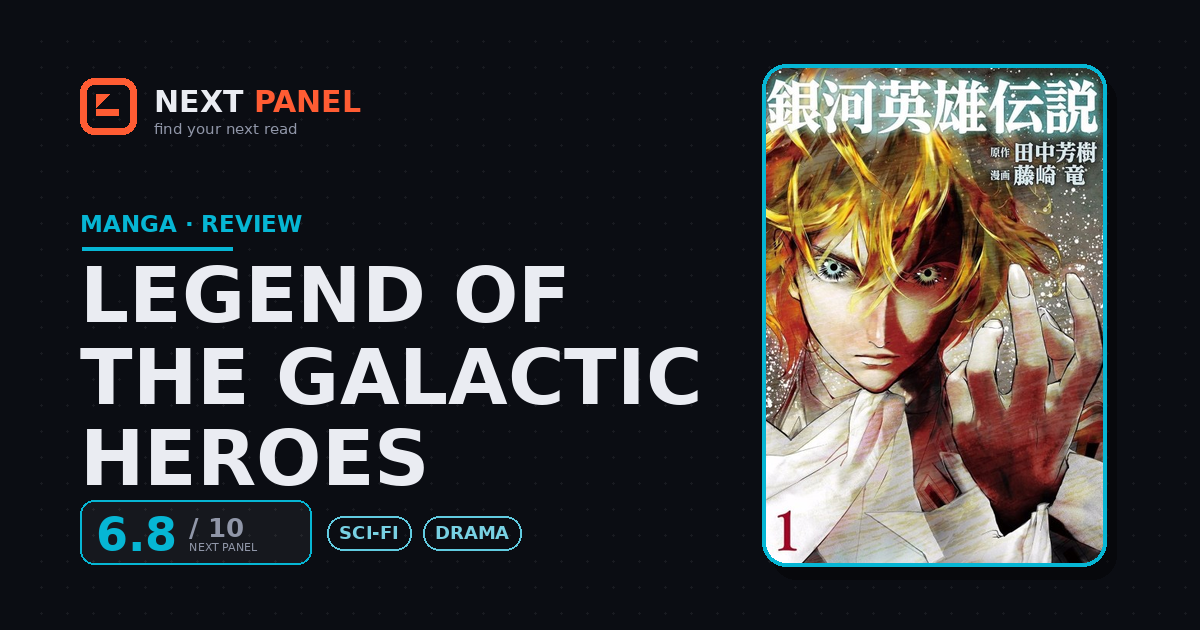
Gorgeous, politically dense, and clearly running out of room by the end — this is a companion piece for fans more than a first stop for newcomers.
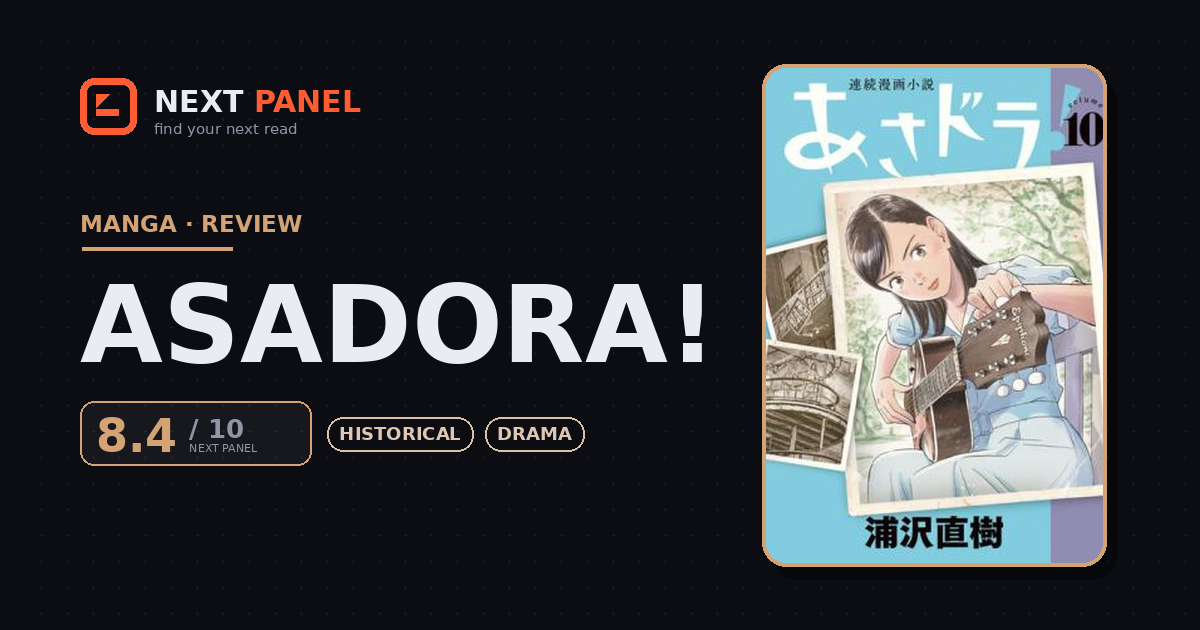
Urasawa spends his whole career proving that the biggest, strangest ideas land hardest when they're grounded in one overlooked kid's specific, ordinary life -- and Asadora! is that same trick, done again, still working.
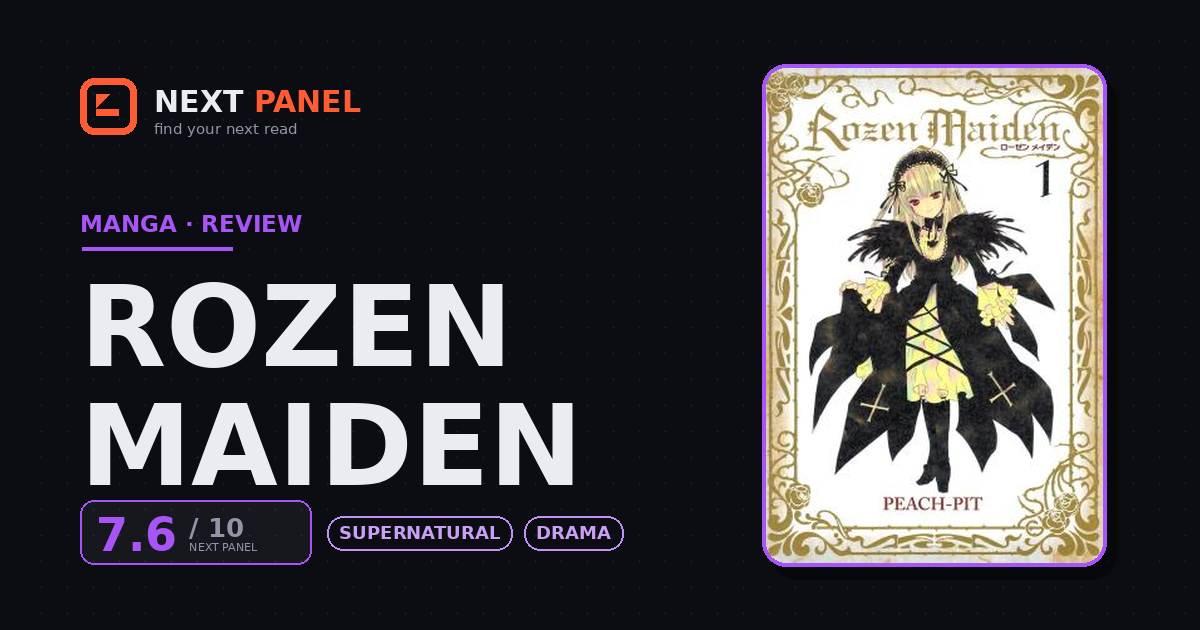
Shinku is demanding, imperious, and treats Jun like hired help from the moment she wakes up -- and watching that dynamic quietly turn into something neither of them expected is the whole appeal.
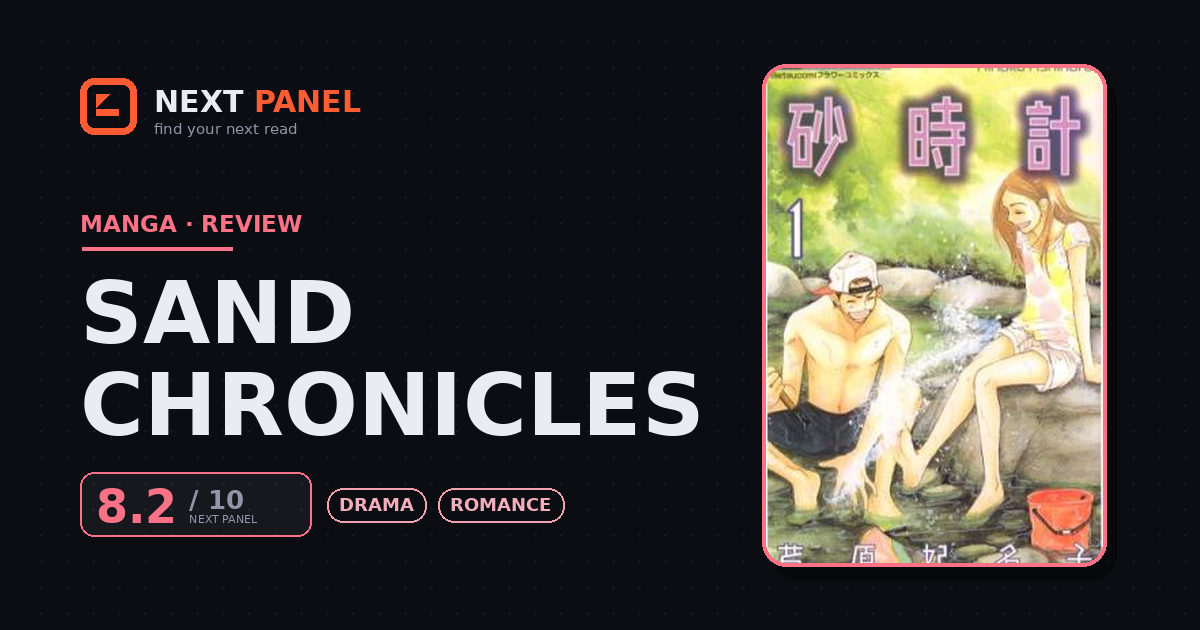
Grief doesn't resolve on a schedule, and neither does this manga -- Ann's mother's suicide shapes every relationship she has for the next decade, and the story never pretends otherwise.
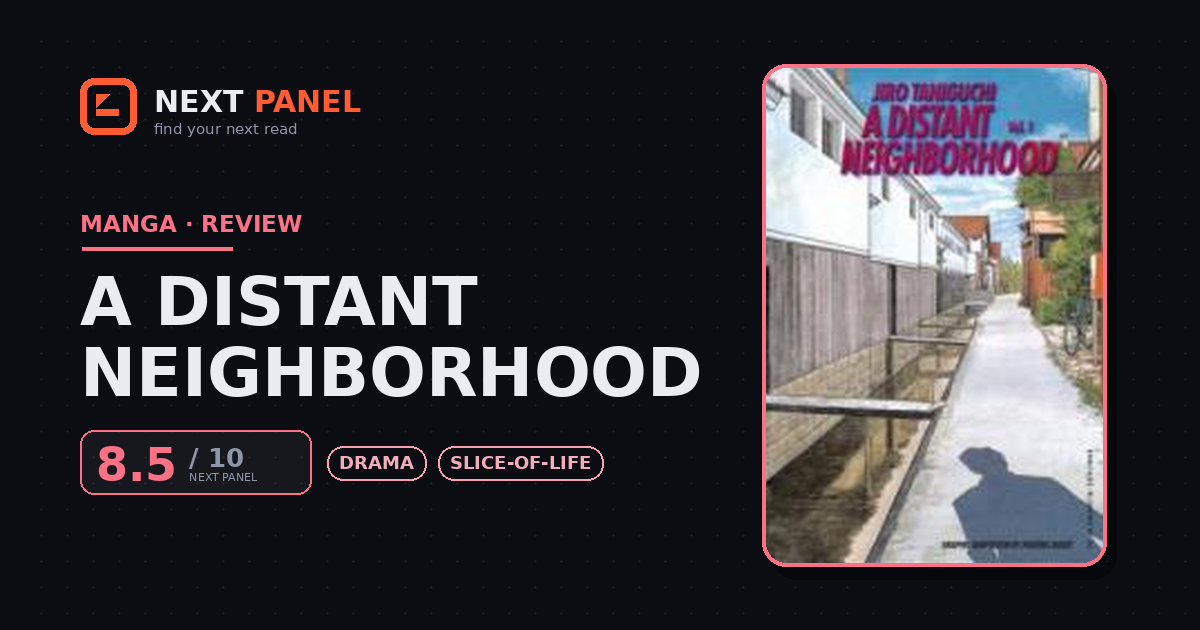
This isn't a fantasy about fixing your life -- it's a much harder question about whether you'd even want to, once you remember exactly why things went the way they did.
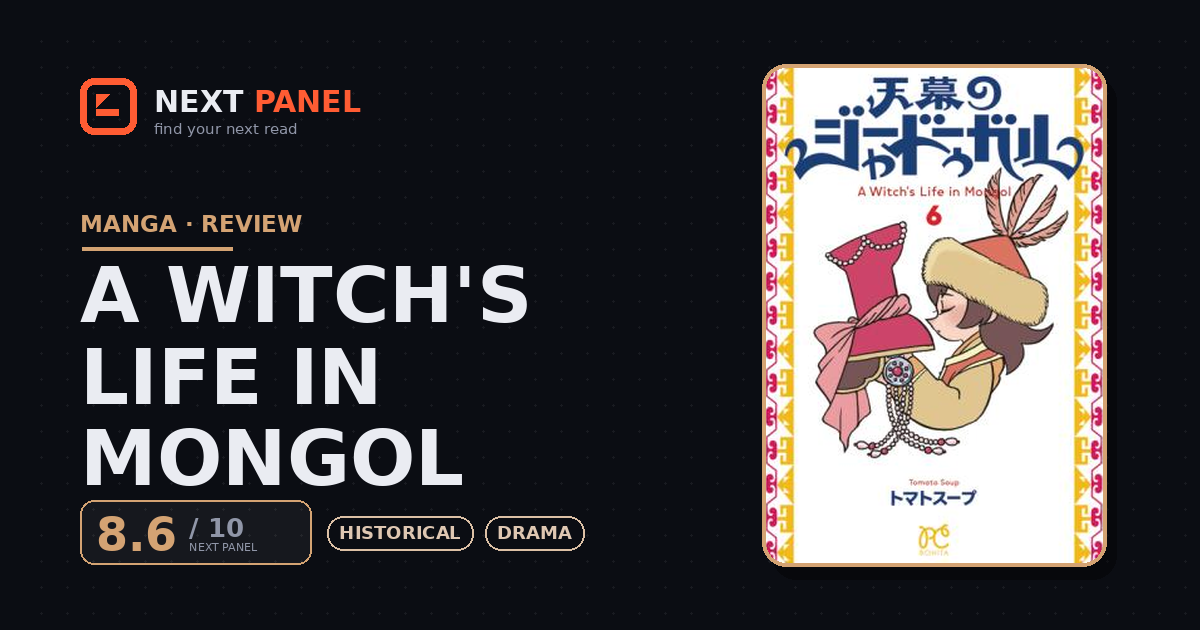
Conquest doesn't run an empire this vast by itself, and this manga's whole case is that the women managing its medicine and its politics mattered just as much as the men on horseback.
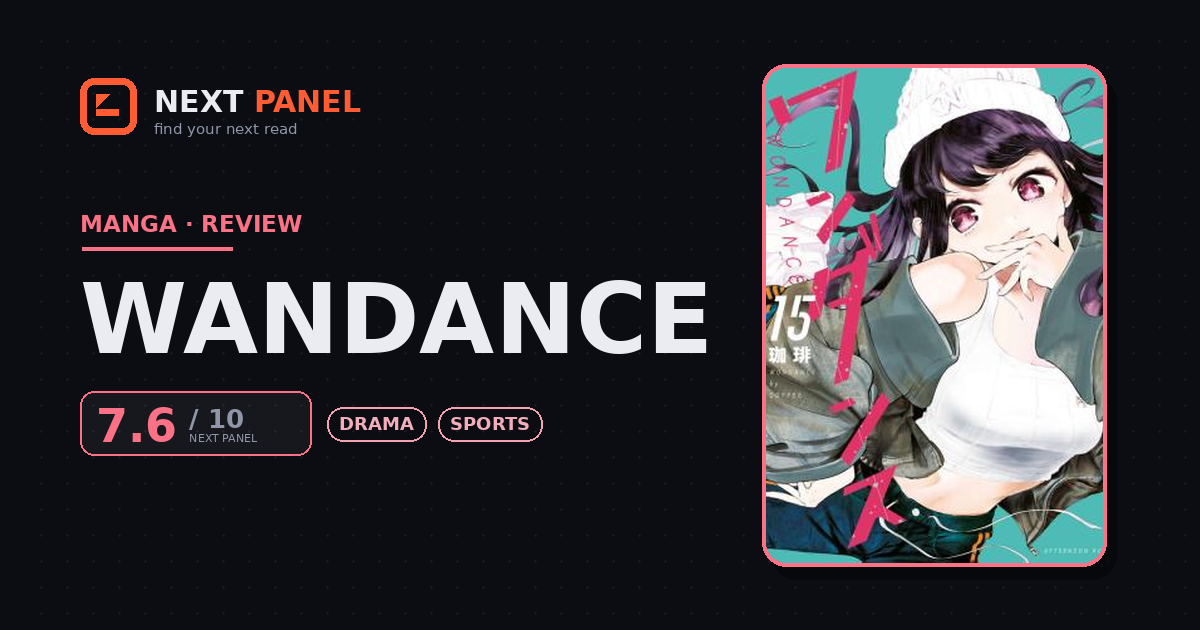
That stutter locks up every sentence, but the dance floor doesn't need any -- Wandance builds its whole hook out of that one contrast and mostly earns it.