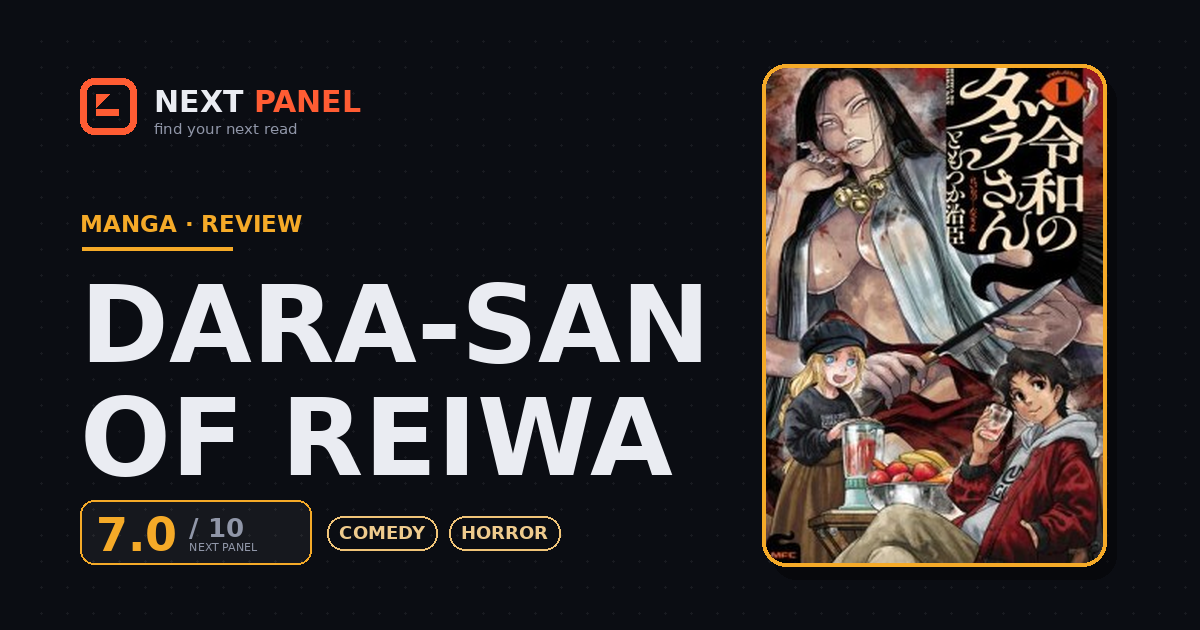
Manga7.0Minor SpoilersOngoing
Is Dara-san of Reiwa Worth Reading? Review & Where to Read
This legendary monster is mostly just embarrassed about owing everyone favors — the horror premise is a setup for comedy, not dread.
Spoiler-light · Honestly rated
Every review labels its spoiler level, separates art from writing, and ends with an official way to read.
We use the whole 1–10 scale and judge each title against the best version of what it is trying to be — a comedy on how funny it is, a thriller on its tension — not against some other genre. As a rough guide: 9+ is all-time great, 8 excellent, 7 a solid recommendation with caveats, 5–6 mixed or average. A 7 is a genuine yes, not a knock. The “Community score” in each review is the crowd rating from AniList, MAL, and MangaUpdates, shown next to ours for comparison.
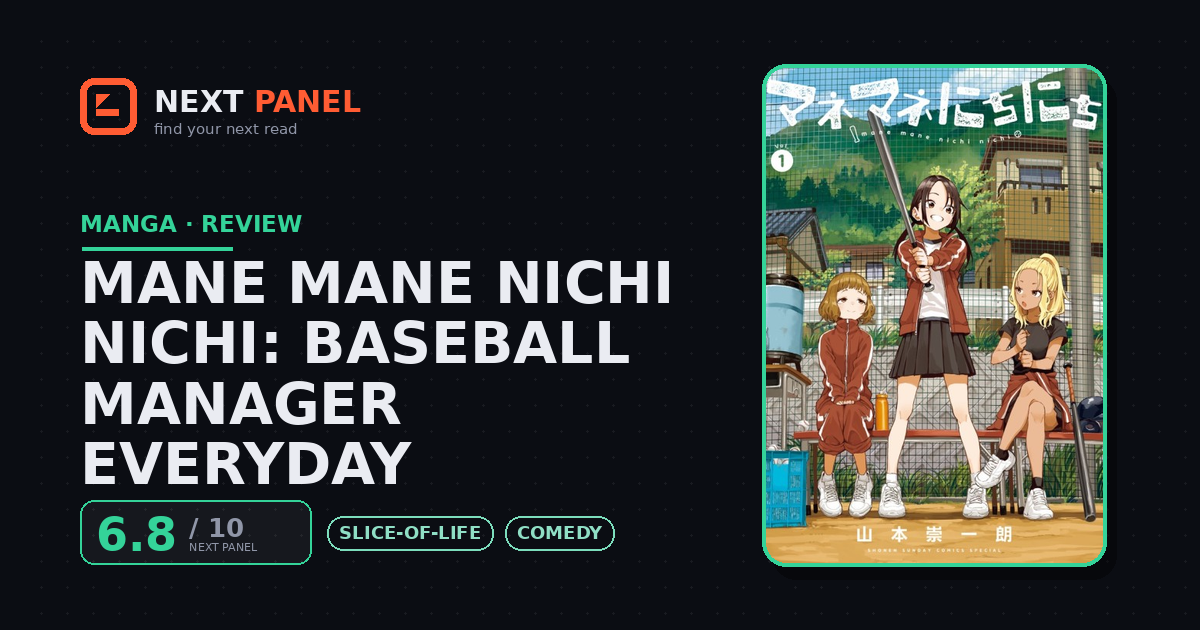
Three girls, three completely different reasons for showing up to baseball practice, and that mismatch is where all the good jokes live.
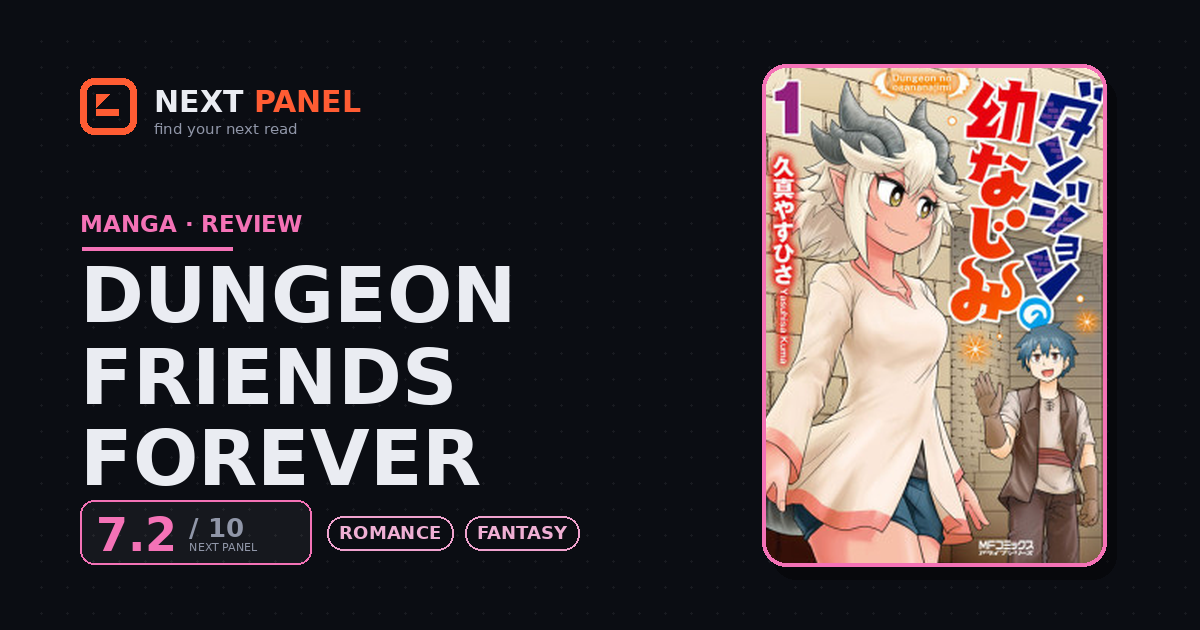
Silly premise, patient execution — the dungeon-crawling gag never gets old because the romance underneath it actually earns its slow burn.

The reincarnated-into-a-doomed-novel formula, made sharper by a lead who's genuinely too young to fix everything herself.

The overpowered-hunter genre with the joke turned up — the alien narrator being furious about his own downgrade carries most of the fun.
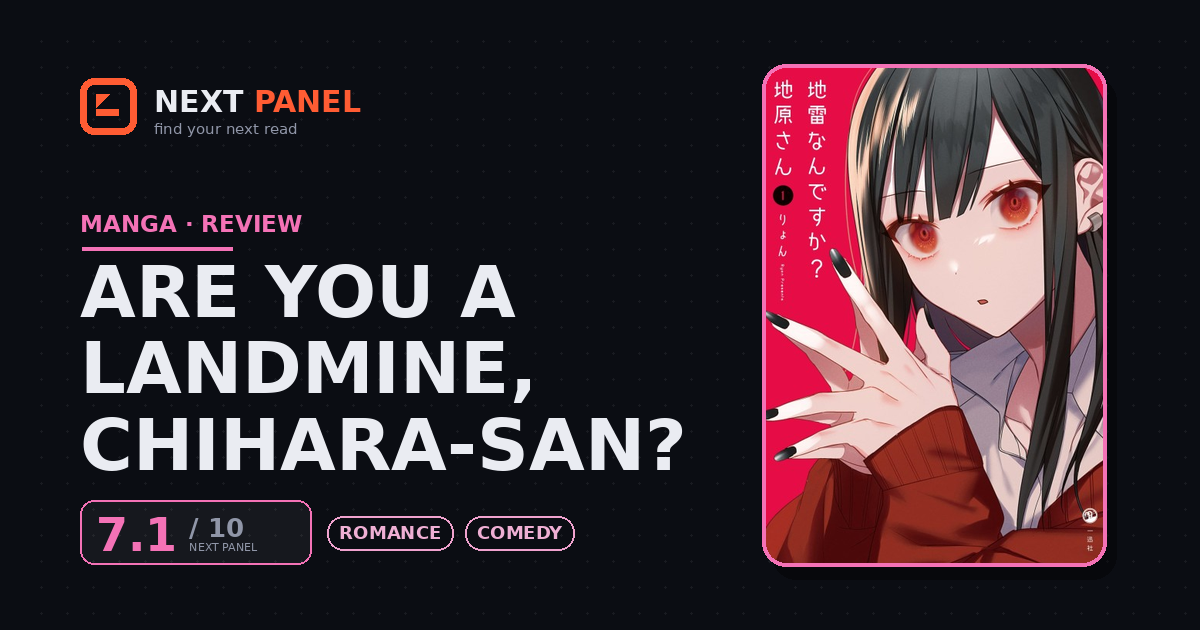
Misjudged-by-her-looks is a well-worn setup, but it works here because the girl underneath the reputation is actually worth getting to know.

Familiar revenge-reincarnation bones, but the livestreaming twist bolted onto them actually works.

Talking to ghosts turns out to be a genuinely useful survival skill — this one earns its heroine's wins instead of handing them to her.

Rare among rom-coms for actually respecting its heroine's day job — worth seeking out for that alone.

Slight, sweet, and completely content to stay that way — this is comfort reading, not a story with somewhere to go.

Sad in a way most webtoon romances don't bother to be, and better for it.