Is Choking on Love Worth Reading? Review & Where to Read
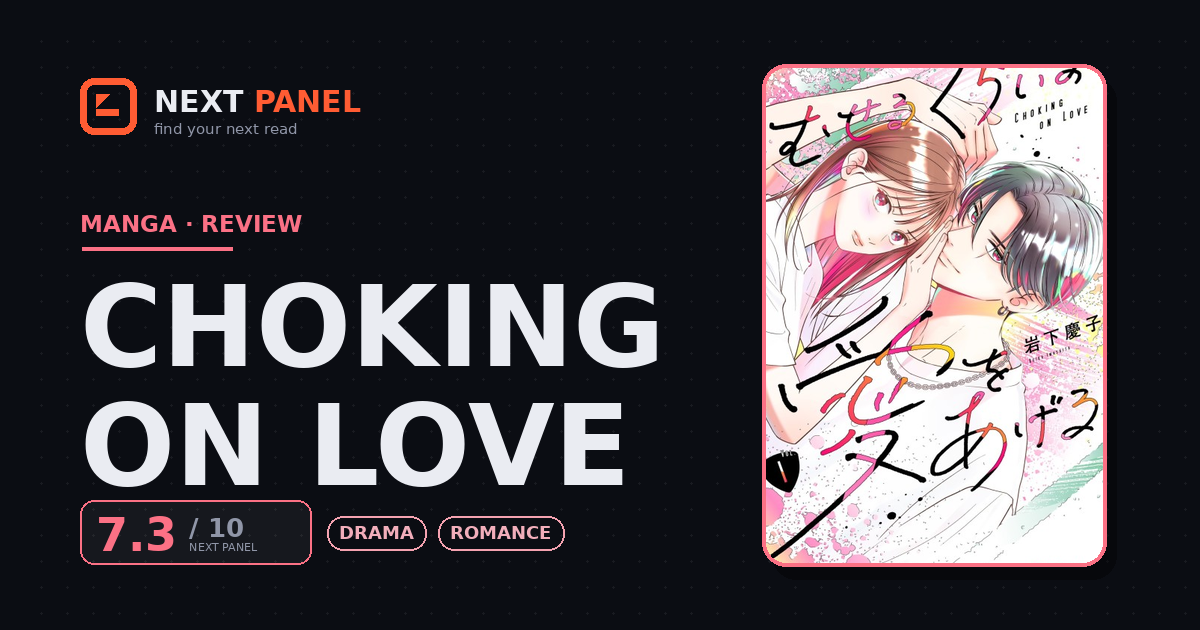
It takes the 'chaos versus control' romance setup seriously enough to make Hibari's resistance feel like a real character trait, not just an obstacle standing between the leads.
Spoiler-light · Honestly rated
Every review labels its spoiler level, separates art from writing, and ends with an official way to read.
We use the whole 1–10 scale and judge each title against the best version of what it is trying to be — a comedy on how funny it is, a thriller on its tension — not against some other genre. As a rough guide: 9+ is all-time great, 8 excellent, 7 a solid recommendation with caveats, 5–6 mixed or average. A 7 is a genuine yes, not a knock. The “Community score” in each review is the crowd rating from AniList, MAL, and MangaUpdates, shown next to ours for comparison.
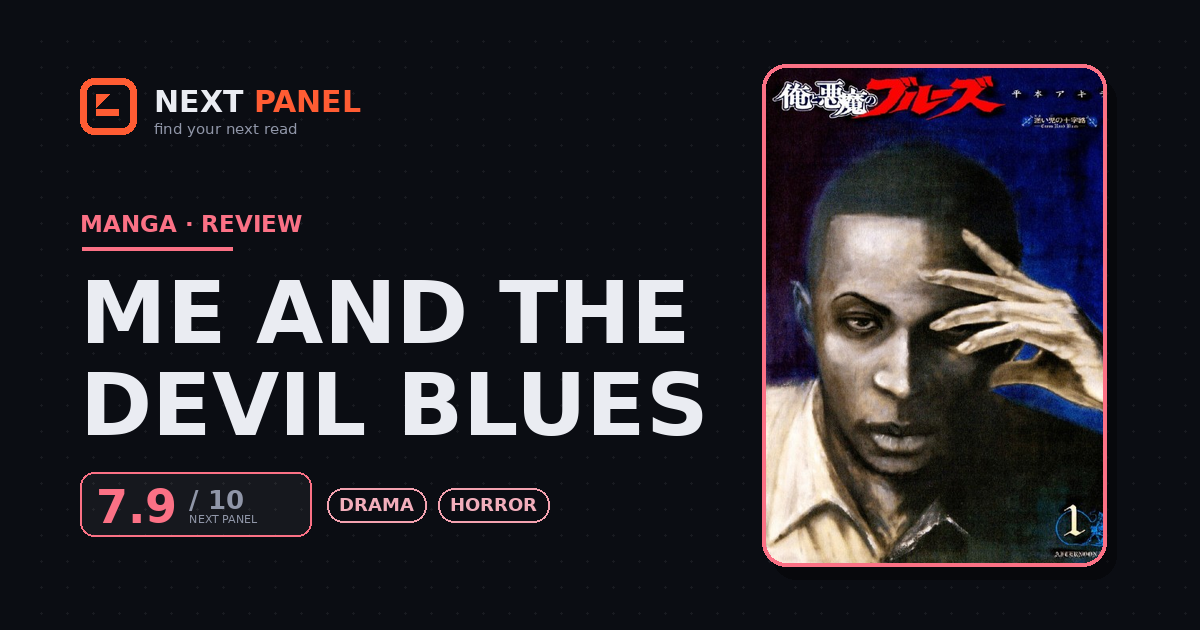
It builds one of the best-looking manga takes on American musical myth you'll find, and then stops before it ever tells you how the myth ends.

It treats its own absurd premise completely straight-faced, and that commitment is exactly what makes the jokes and the occasional gut-punch both land.

It's a story about the cost of keeping a whole society at peace told through one very small, very specific relationship, and that scale is exactly what makes it work.

It commits fully to being a drug-trip manga rendered in the clearest possible linework, and that contrast is exactly why it works instead of reading as shock for its own sake.

It's less a manga you can judge chapter by chapter and more a puzzle box you have to trust will eventually click — which it does, if you stick with it.

This is angrier and bleaker than most medical manga get, and it's better for it — Saito's idealism gets ground down in a way that feels honest rather than manipulative.

Adachi does more with a raised eyebrow and an unfinished sentence than most manga do with a five-page monologue, and Rough is a tidy showcase of exactly that skill.

It's less interested in easy inspiration than in how much a body and an ego have to be rebuilt to actually dance well, which makes it sting more than most sports-manga comebacks.

The dance pages alone are worth the search — Ariyoshi draws movement in a way that still doesn't have many equals decades later.

One joke, told extremely well and extremely loudly, for exactly as long as it needs to be and not a page longer.