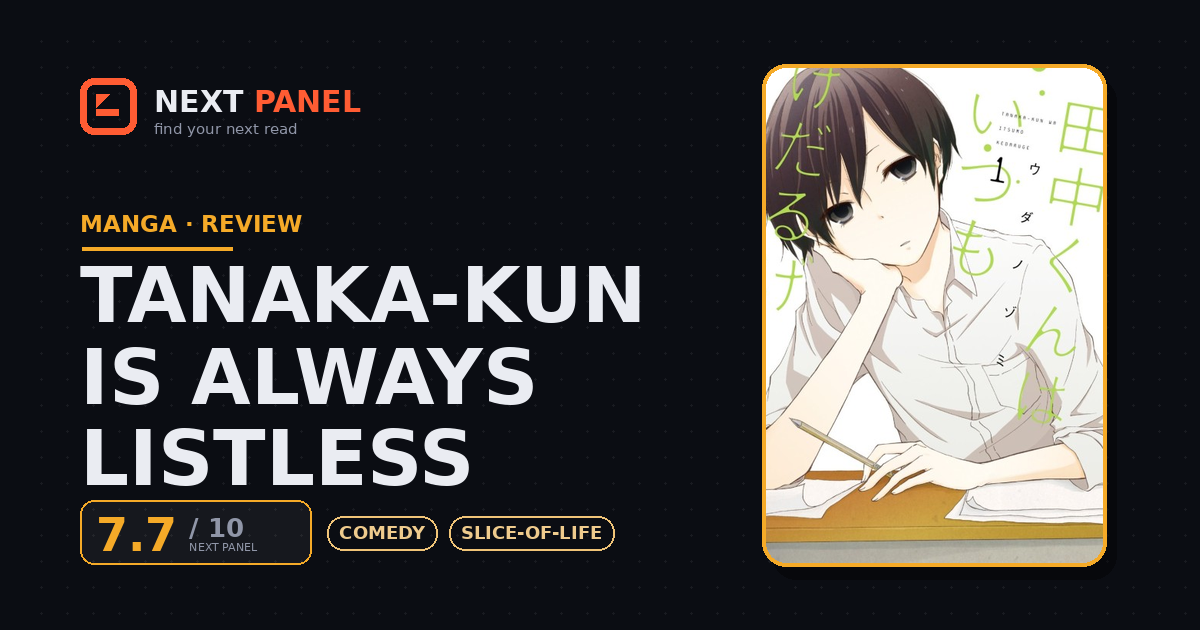
Manga7.7Minor SpoilersCompleted
Is Tanaka-kun is Always Listless Worth Reading? Review & Where to Read
Nothing much happens here on purpose, and watching one devoted friend quietly keep a permanently exhausted boy upright turns out to be plenty.
Spoiler-light · Honestly rated
Every review labels its spoiler level, separates art from writing, and ends with an official way to read.
We use the whole 1–10 scale and judge each title against the best version of what it is trying to be — a comedy on how funny it is, a thriller on its tension — not against some other genre. As a rough guide: 9+ is all-time great, 8 excellent, 7 a solid recommendation with caveats, 5–6 mixed or average. A 7 is a genuine yes, not a knock. The “Community score” in each review is the crowd rating from AniList, MAL, and MangaUpdates, shown next to ours for comparison.
There's no love triangle, no big betrayal, and barely any manufactured drama here — just two people getting genuinely comfortable with each other, and that's rarer in this genre than it should be.
This one earns its slow-burn marriage plot by making Rudbeckia's fear and healing feel like the actual point, not just an obstacle between her and the romance.
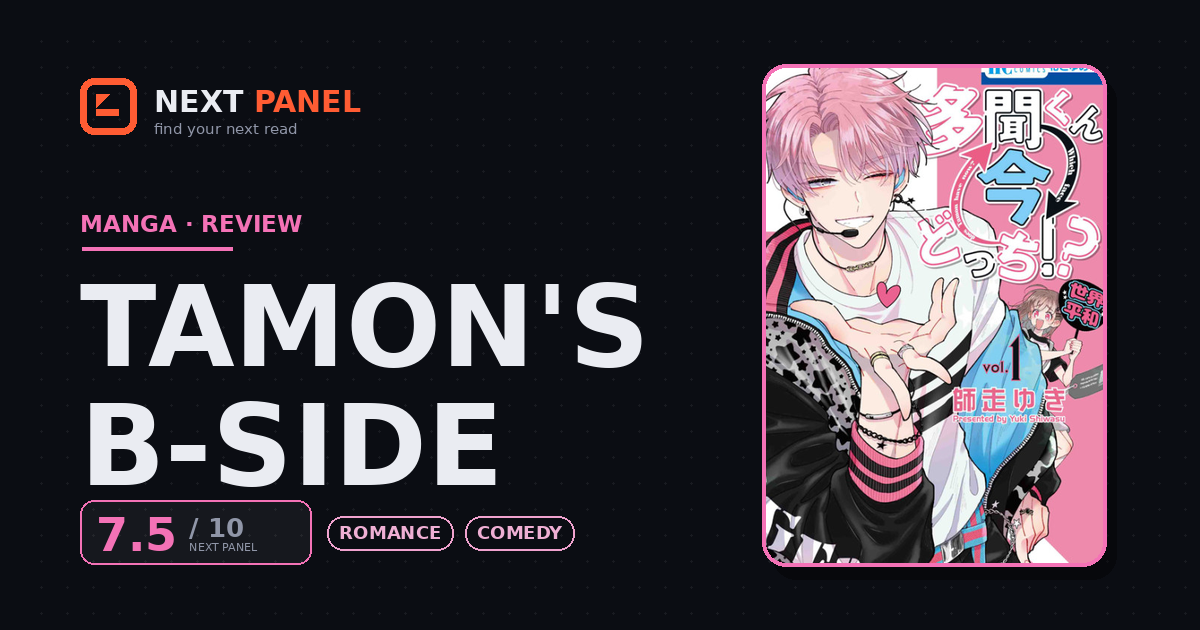
The whole joke is a heartthrob idol who's secretly a gloomy mess at home, and it keeps being funny long after a weaker series would've run the bit into the ground.
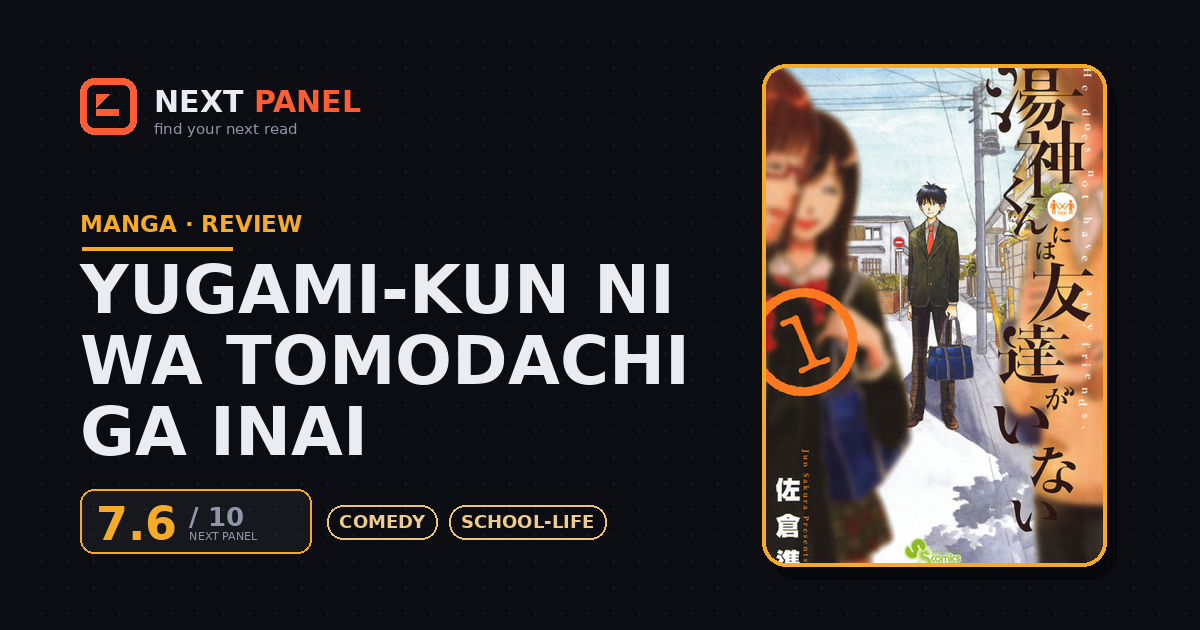
Two completely opposite philosophies about friendship keep colliding in the same classroom, and the comedy never runs out of new angles to hit that collision from.
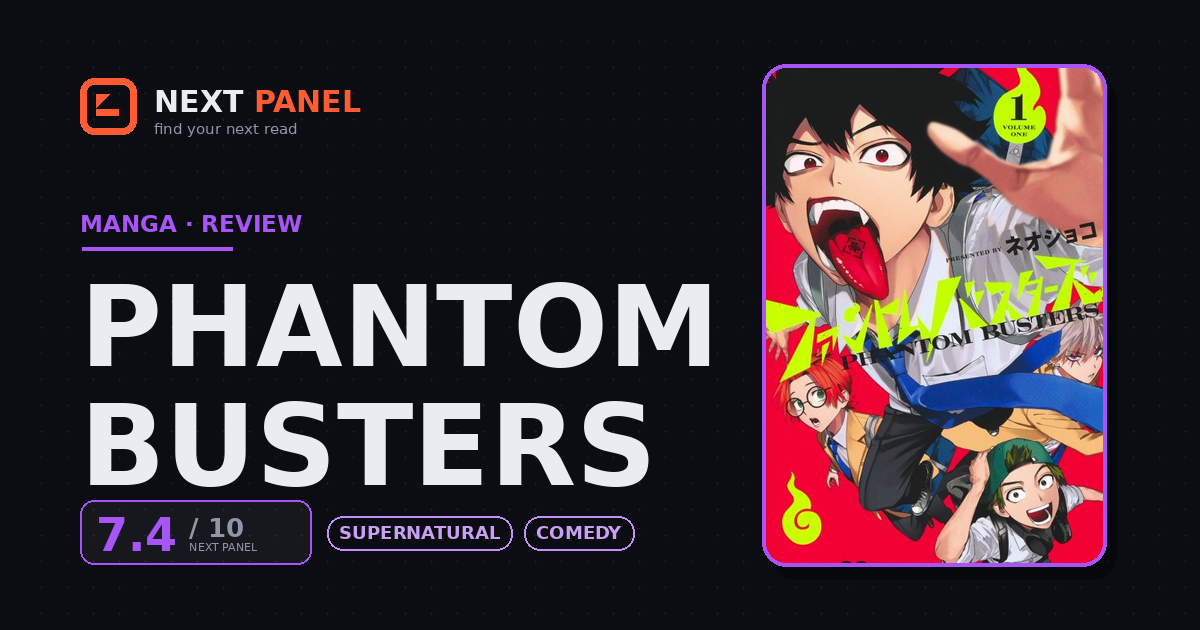
It borrows a familiar exorcist-club shonen shape, then fills it with characters funny enough that the familiarity stops mattering after a chapter or two.
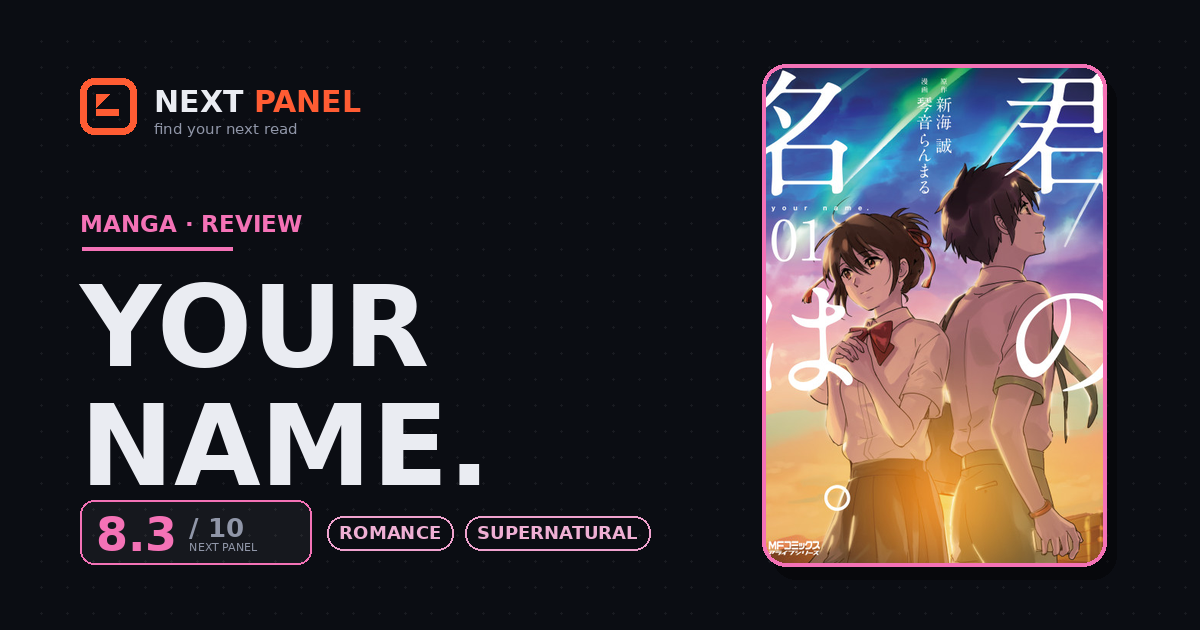
This body-swap gimmick turns into a genuinely moving story about missing someone you haven't technically met yet, and the manga gets there efficiently even with less room to breathe than the film.
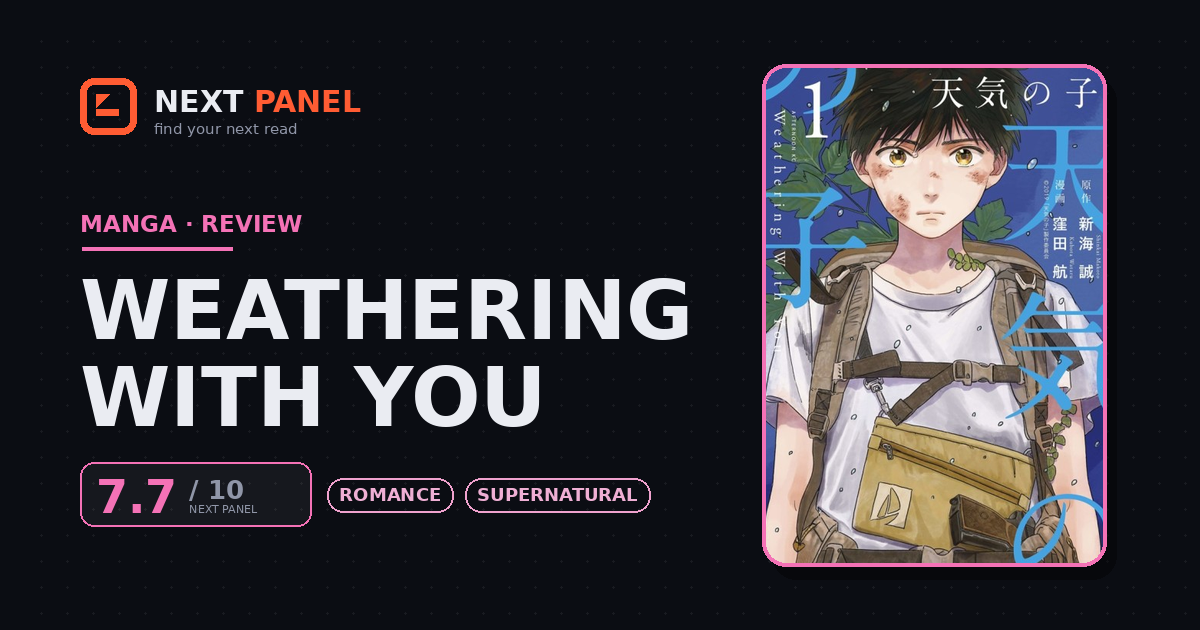
This is a story that eventually asks its two leads to choose each other over saving the world, and it commits to that choice instead of chickening out of it.
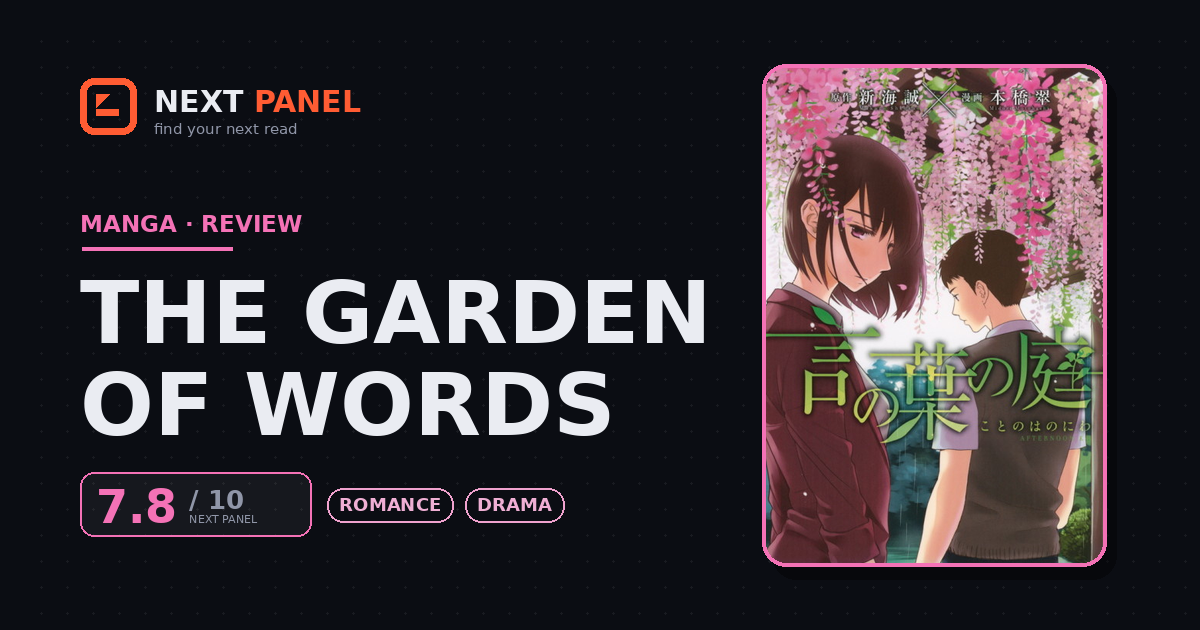
Two strangers quietly repairing each other in a rain-soaked garden shouldn't work this well in this few pages, and yet it does.
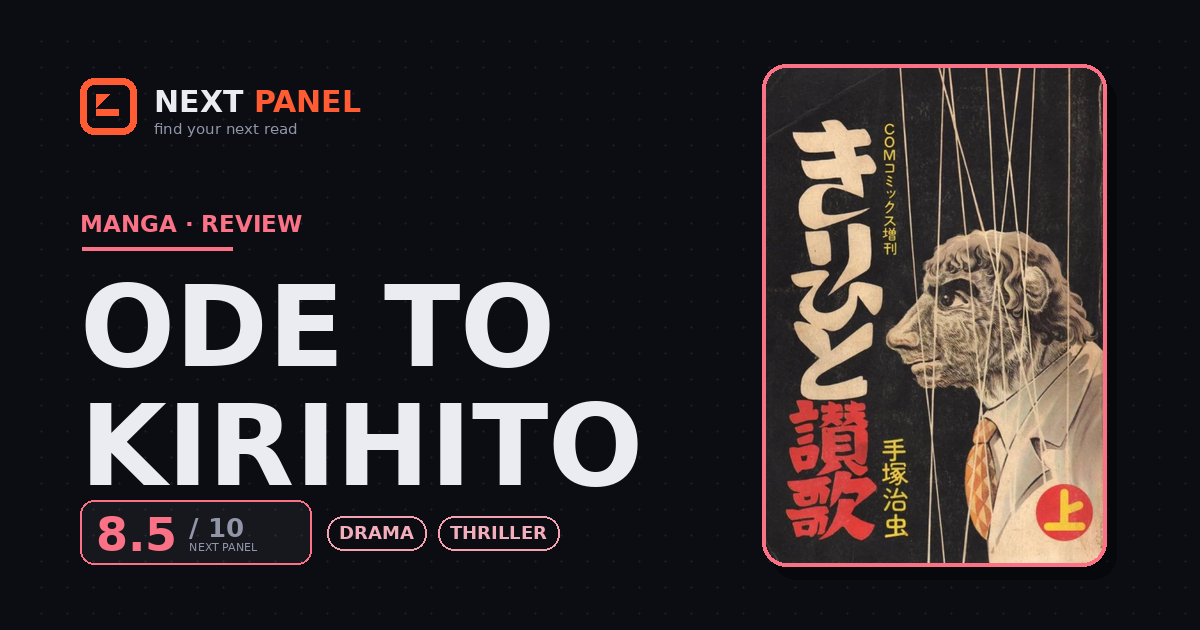
Tezuka uses a body-horror premise to interrogate exactly how fast people stop treating you as human, and the result is uncomfortable in all the ways it means to be.
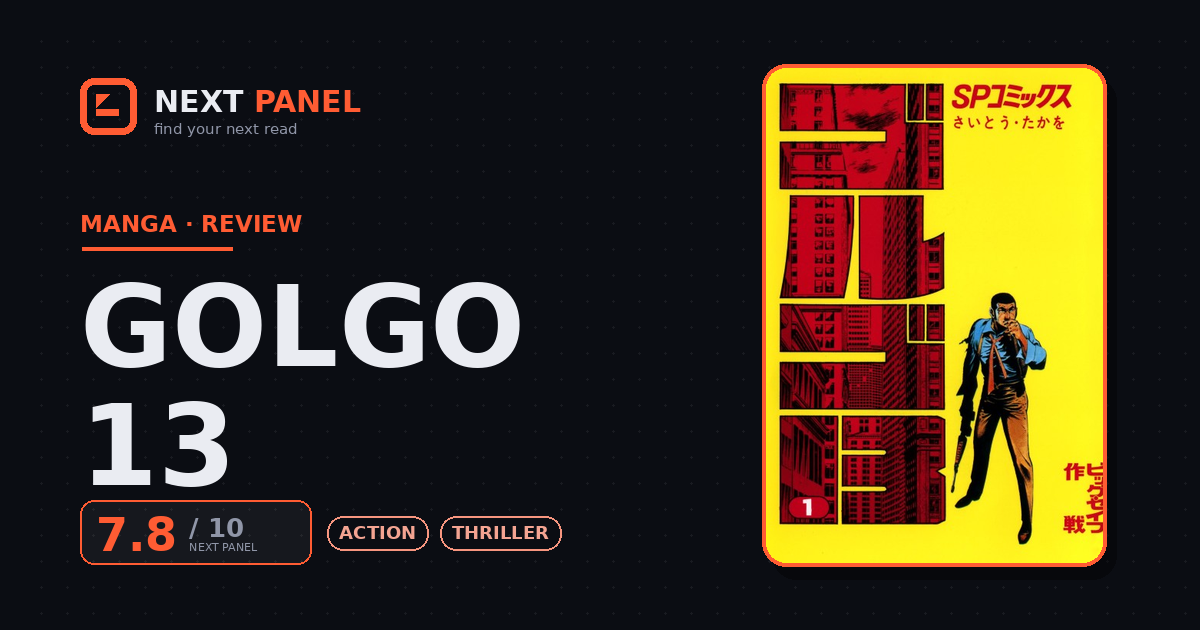
Treat this like a long-running anthology of tight assassination thrillers instead of one continuous story, and it's one of the most influential action manga ever put on paper.