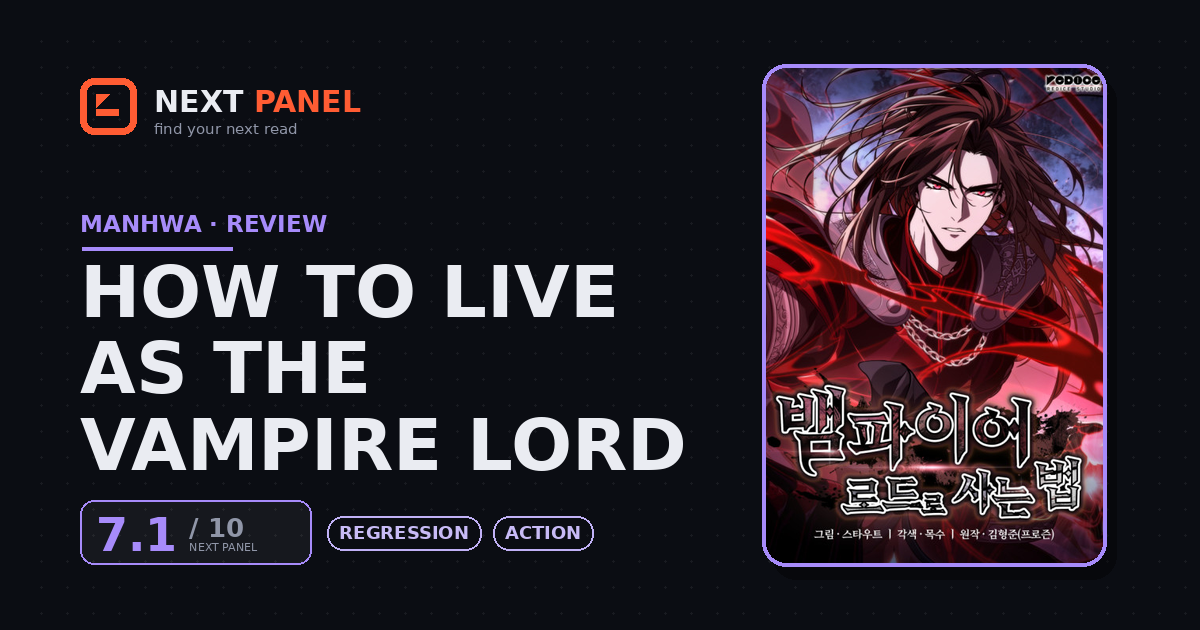
Manhwa7.1Minor SpoilersOngoing
Is How to Live as the Vampire Lord Worth Reading? Review & Where to Read
Puts a genuinely bitter death on the page before the second chance ever kicks in, and the payoff feels sharper for it.
Spoiler-light · Honestly rated
Every review labels its spoiler level, separates art from writing, and ends with an official way to read.
We use the whole 1–10 scale and judge each title against the best version of what it is trying to be — a comedy on how funny it is, a thriller on its tension — not against some other genre. As a rough guide: 9+ is all-time great, 8 excellent, 7 a solid recommendation with caveats, 5–6 mixed or average. A 7 is a genuine yes, not a knock. The “Community score” in each review is the crowd rating from AniList, MAL, and MangaUpdates, shown next to ours for comparison.
Wears its self-aware title as a promise and then quietly out-executes the tropes it's poking fun at.
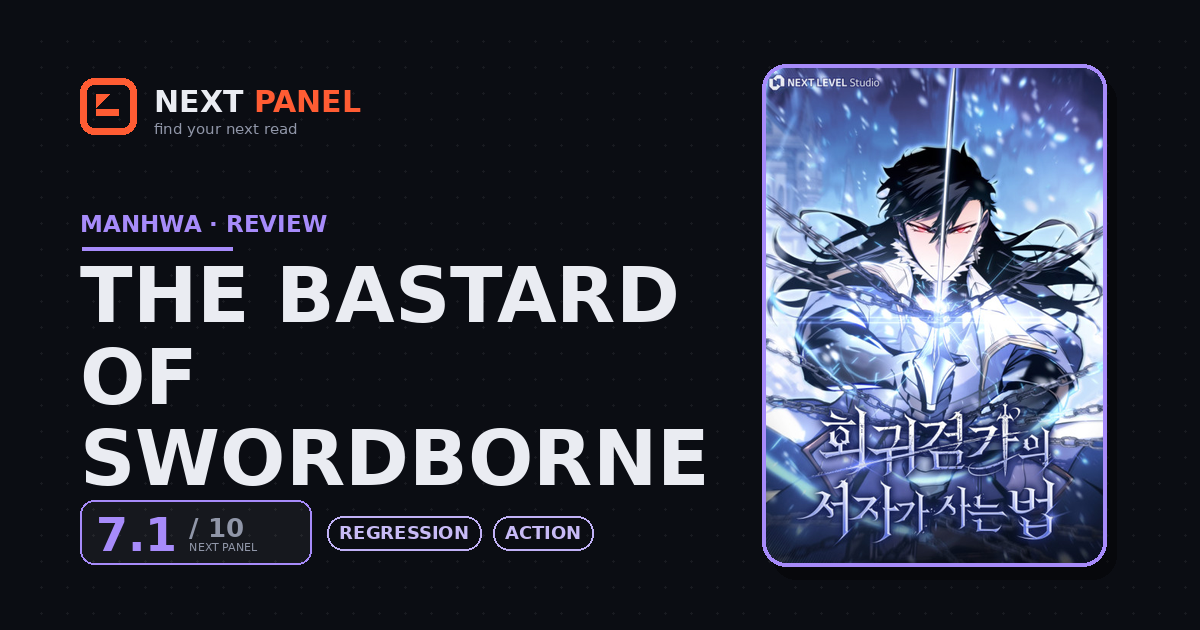
Sells its betrayal hard enough in the opening chapters that every later victory actually feels like it's owed to Theo.
Delivers on demon-fighting spectacle more reliably than it delivers on giving its lead an actual personality outside of combat.
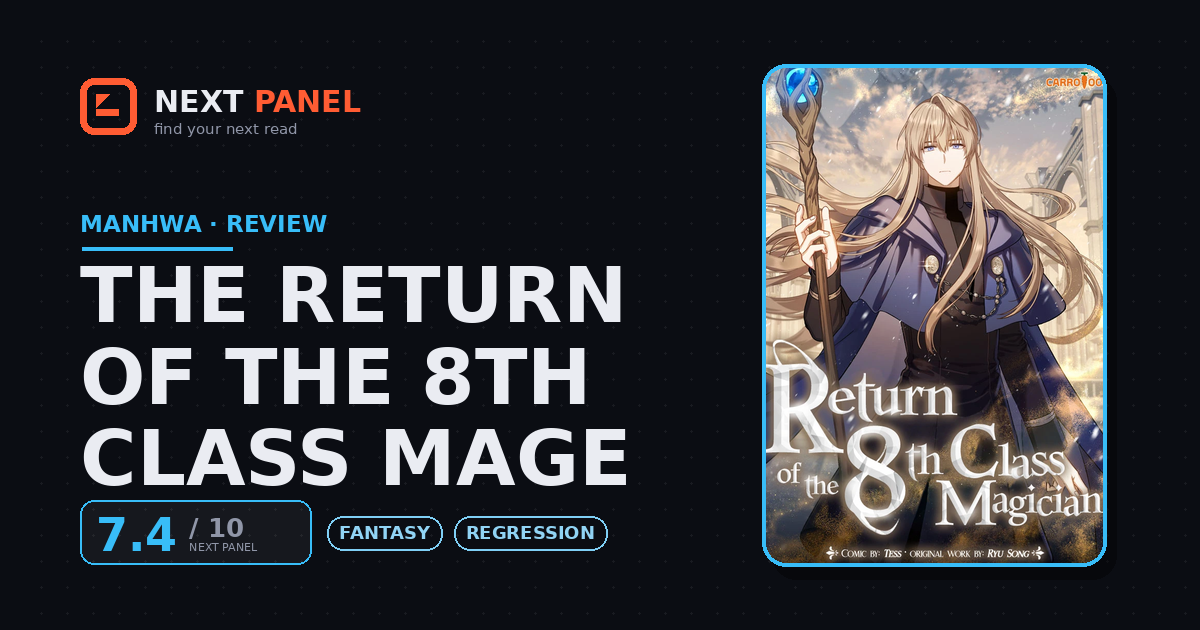
The Return of the 8th Class Mage runs on a familiar betrayal-then-second-chance premise, but executes it with real precision: Ian's foreknowledge is used deliberately, the antagonist feels earned, and the story actually commits to finishing its arc instead of escalating indefinitely.

Yongsa High: Dungeon Raiders runs on a familiar poor-secretly-strong-student premise. The specific mystery behind Yoo Jaryong's father's disgrace and Mun-Sik's grounded character writing keep it from feeling like a genre placeholder.
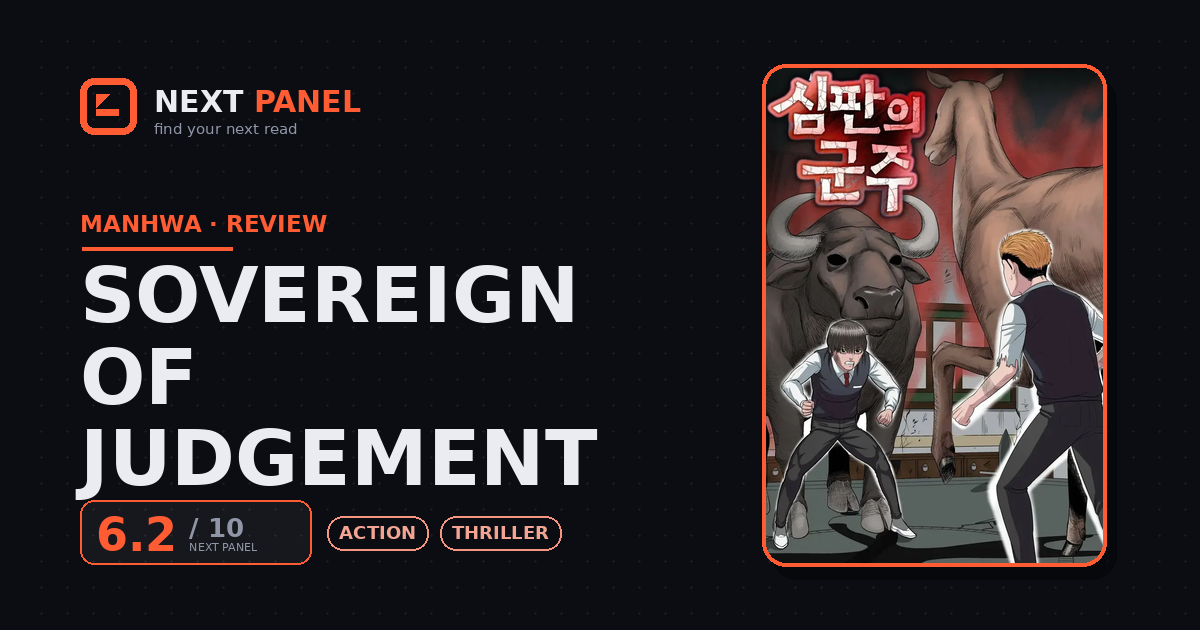
Sovereign of Judgement starts as a tightly-wound moral trap for a protagonist who already knows exactly what killing costs, then gradually loosens into a more familiar survival-with-powers plot once the classroom setting falls away.

Rule Makers uses its odd-jobs agency premise as a frame for a tighter question: what is Roman actually running from, and it answers that question in a compact 24 chapters instead of stretching the mystery out.
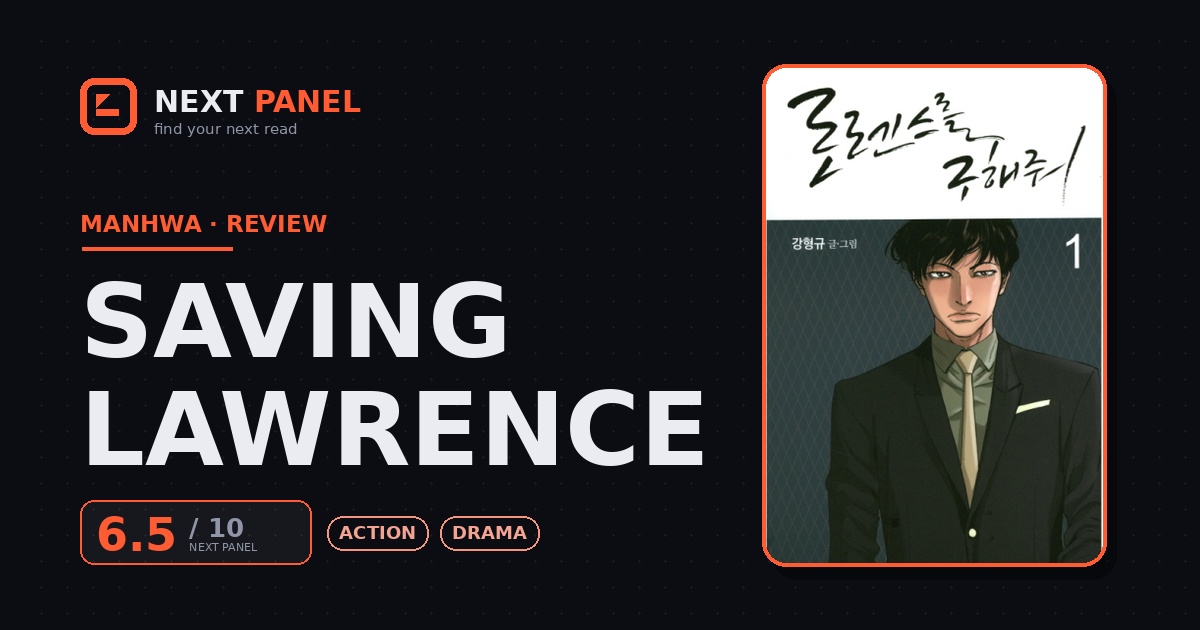
Saving Lawrence takes the eat-the-rich premise and gives it a workplace-thriller shape: an employee stumbles onto a plan that could get an innocent celebrity killed, and has to decide how far he's willing to go against the system that employs him.
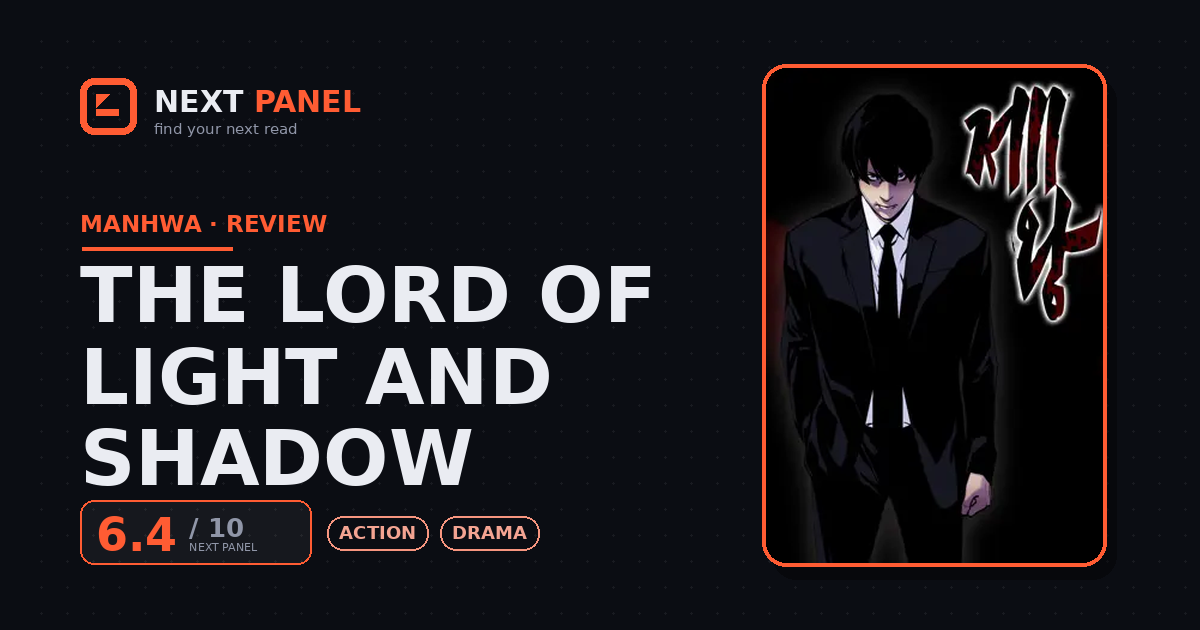
The Lord of Light and Shadow trades the usual gang-drama sprawl for something tighter: sixty chapters, one central betrayal, and a protagonist who's already lost the moral high ground before the story even starts.
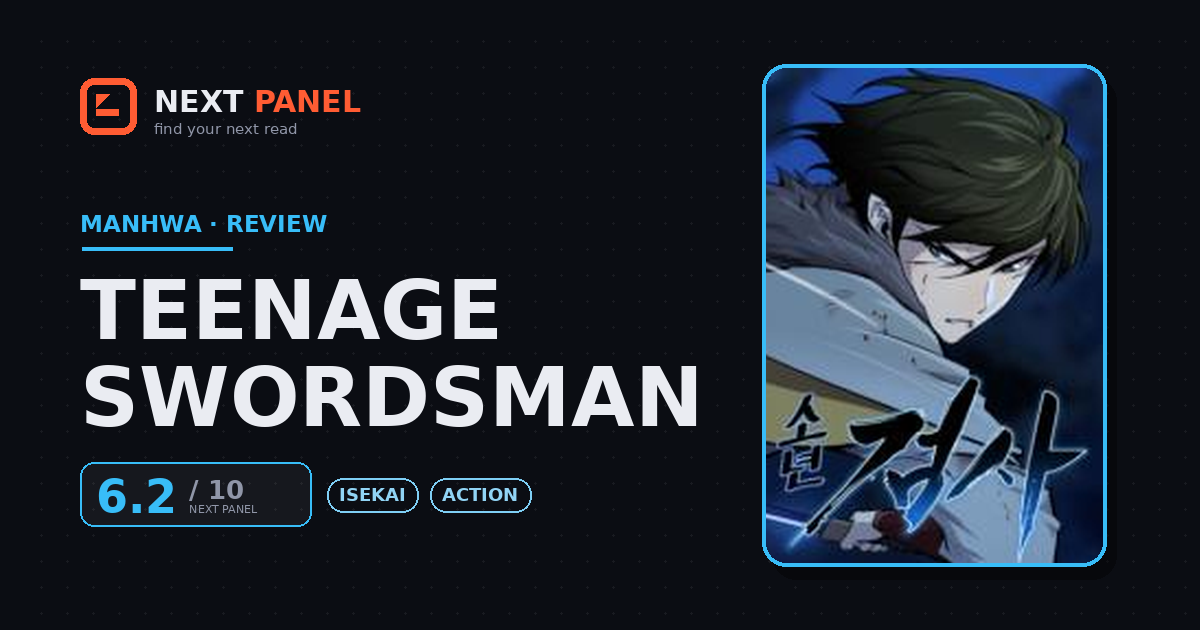
It plays its tropes completely straight, and mostly earns that sincerity — this isn't the genre's most inventive entry, but it's a solid one.