Is Asobi Asobase Worth Reading? Review & Where to Read
Quick Answer
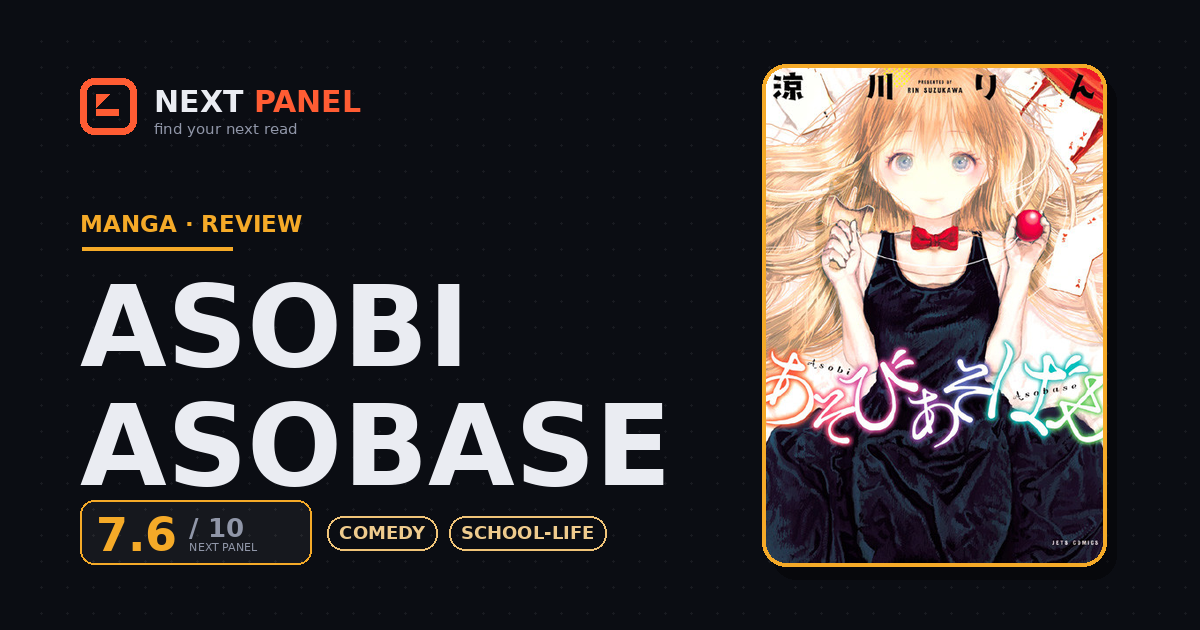
Yes, if unhinged expression-based comedy is your thing. Three girls play simple games and completely lose composure over them, and the gag between cute art and feral faces is the whole appeal. It's short, complete, and legally readable in English.
Quick Verdict
“Cute character designs hide some of the ugliest, funniest faces in manga — three girls playing tag or rock-paper-scissors like it's a death match. Short and complete, so there's no reason not to.”
Best for: Readers who want fast, feral gag comedy with a small, tight cast and no plot to track.
Not for: Readers who want a story, romance played straight, or humor gentler than exaggerated meltdowns.
- Type
- Manga
- Genres
- School Life, Comedy
- Status
- Completed
- This review
- Minor Spoilers
- Author
- Rin Suzukawa
- Publisher
- Hakusensha
- Platform
- Comikey
| Quick facts | |
|---|---|
| Format | Manga (seinen), 134 chapters, 15 volumes |
| Run | 2015–2022 · completed |
| Community score | AniList 7.5 · MangaUpdates 7.7 |
| Where to read | Comikey — official |
Overview
Kasumi Nomura is failing English and has zero interest in fixing that. Her friend Hanako Honda is a happy airhead with the emotional range of a Looney Tunes character. Olivia is a half-Japanese transfer student whose English is somehow worse than Kasumi's, despite everyone assuming otherwise. The three of them form the Pastimers Club under the flimsy premise of studying English through games, and immediately abandon any pretense of studying. What's left is a rotating series of simple, silly games — tag, staring contests, word association — that these three treat like life-or-death competitions.
What it does well
The core visual gag is genuinely great: cute, rounded character designs that snap without warning into grotesque, unhinged expressions the second a game gets competitive. That whiplash between adorable and feral is the series' signature, and Suzukawa knows exactly how to time the cut for maximum impact. A staring contest becomes a horror-movie panel. A round of tag turns into a chase scene drawn like an action climax. The mismatch between stakes and reaction is the joke, and it keeps landing chapter after chapter.
The cast pulls their weight too. Kasumi is the closest thing to a straight woman, but she's just as capable of losing it as anyone else, which keeps her from being a boring anchor. Hanako's cheerful obliviousness plays well against Olivia's constant, quietly seething competitiveness, and putting the three of them through the same simple premise gets different comedy out of each one rather than repeating a single formula.
Because the games escalate so far past what they should reasonably be, a thin setup — pick a simple activity, watch it spiral — keeps generating fresh material longer than you'd expect. And it's short enough, and complete enough, that there's no long-term commitment involved. You can read the whole thing in a weekend.
Where it falls short
The formula is transparent once you see it: pick a game, ramp up the stakes, cut away at the peak of the meltdown, repeat. It's well-executed, but it's still the same shape every time, and long reading sessions expose that faster than short ones.
There's also no development to speak of. Nobody grows, nobody's relationships shift meaningfully, and the story exists purely to generate the next gag. That's by design, but it means there's nothing to hold onto beyond the jokes themselves. And the extreme-expression humor, while the series' calling card, is a specific flavor — if ugly-face comedy doesn't make you laugh, this won't win you over with anything else.
Verdict
Asobi Asobase knows exactly what it's doing and does it well: cute art, unhinged faces, trivial stakes played at maximum intensity. It's short, it's finished, and it's easy to read in a sitting or in scattered chapters between other things. If feral expression comedy is your speed, this is a fast, funny, low-commitment pick.
Strengths & Weaknesses
Strengths
- The whiplash between cute chibi art and grotesque, feral expressions is the funniest sight gag the series has, and it never stops working.
- Kasumi, Hanako, and Olivia are distinct enough that even simple setups get different comic mileage out of each one.
- Games that sound trivial — tag, rock-paper-scissors, a vocabulary quiz — escalate into genuine chaos, which keeps a thin premise from repeating itself.
- Short chapters make it an easy pick-up-and-put-down comedy read.
Weaknesses
- The joke structure repeats: pick a game, watch someone lose it, cut to the next chapter, and the formula shows after a while.
- Character growth basically doesn't exist — everyone stays exactly as unhinged as they started.
- Some of the extreme reaction-face humor is an acquired taste and won't land for readers who want subtler comedy.
Similar Titles
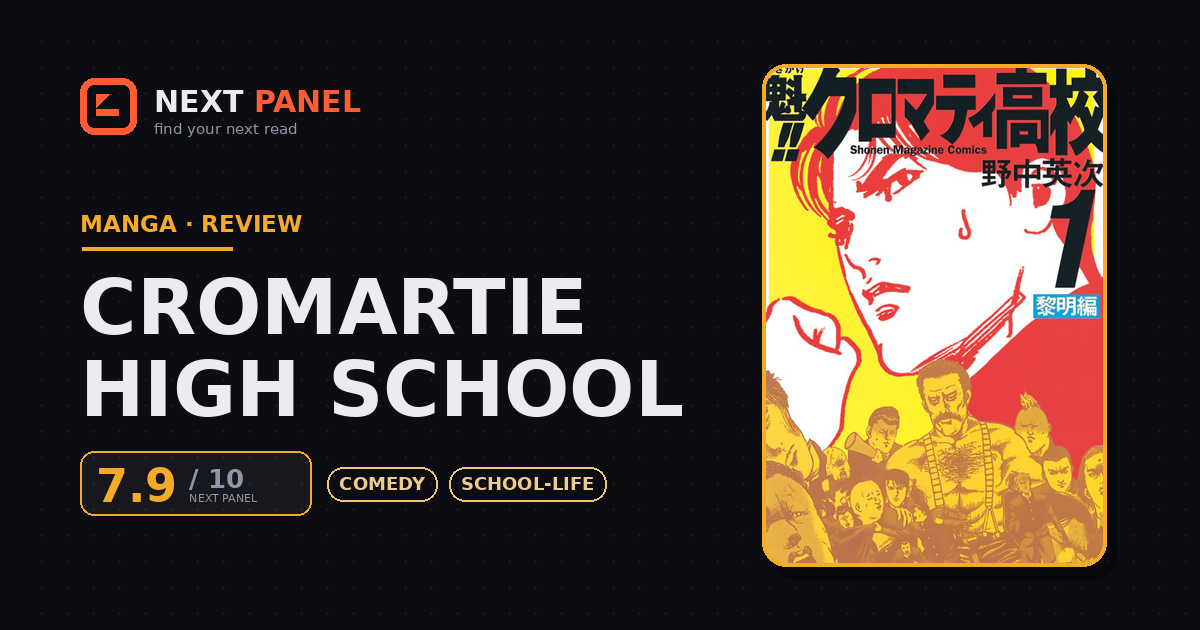
Same commitment to pushing ordinary moments into total absurdity.
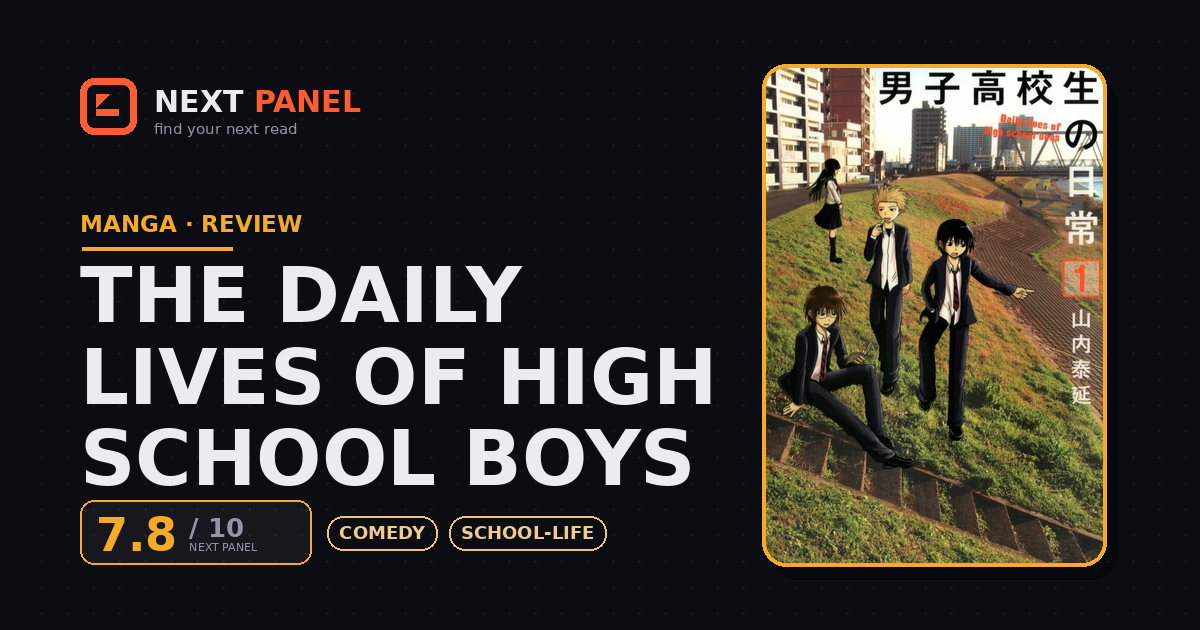
The Daily Lives of High School Boys
Different cast, same idea: mundane situations escalated by kids who take everything too seriously.
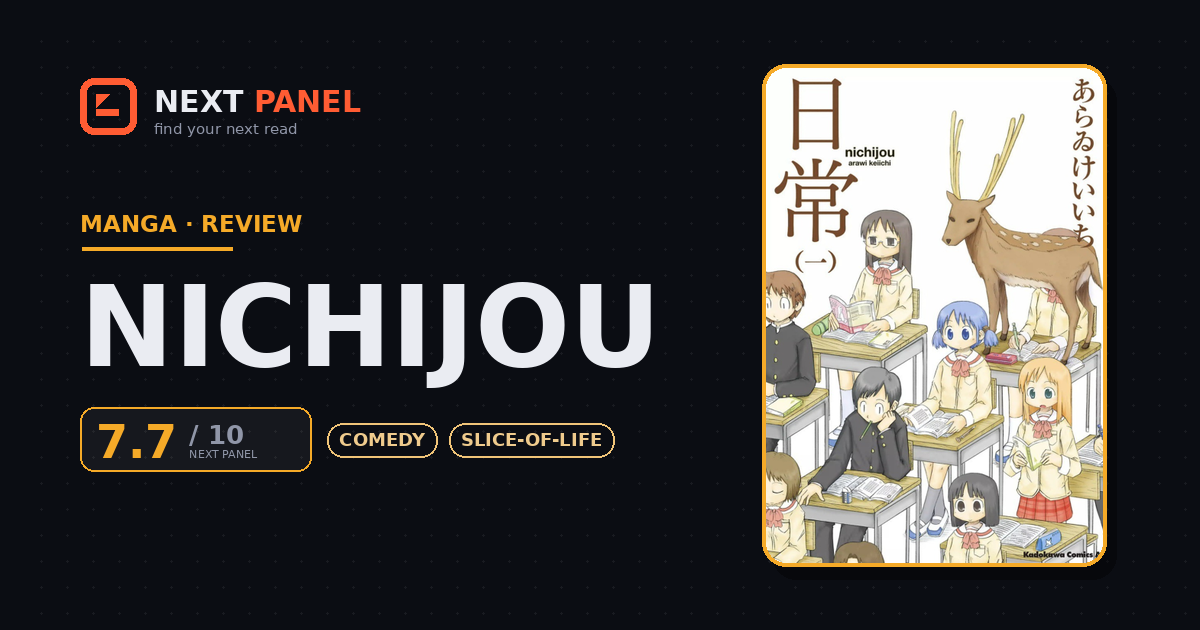
Another deadpan-absurdist school comedy that commits fully to its own nonsense.
Where to Read Officially
| Platform | Format | Pricing | Region notes | Link |
|---|---|---|---|---|
| Comikey | Digital chapters | Free + Paid | Region availability varies | Open |
Frequently Asked Questions
Is Asobi Asobase finished?
Yes, the manga is complete at 133 chapters.
Where can I legally read Asobi Asobase in English?
Comikey publishes the digital English chapters, with a free preview and paid chapters beyond that. Dark Horse has also licensed a print edition.
Is the anime different from the manga?
The anime covers roughly the first stretch of the story with the same tone and gags. The manga runs much longer, so there's plenty of new material once you finish the show.