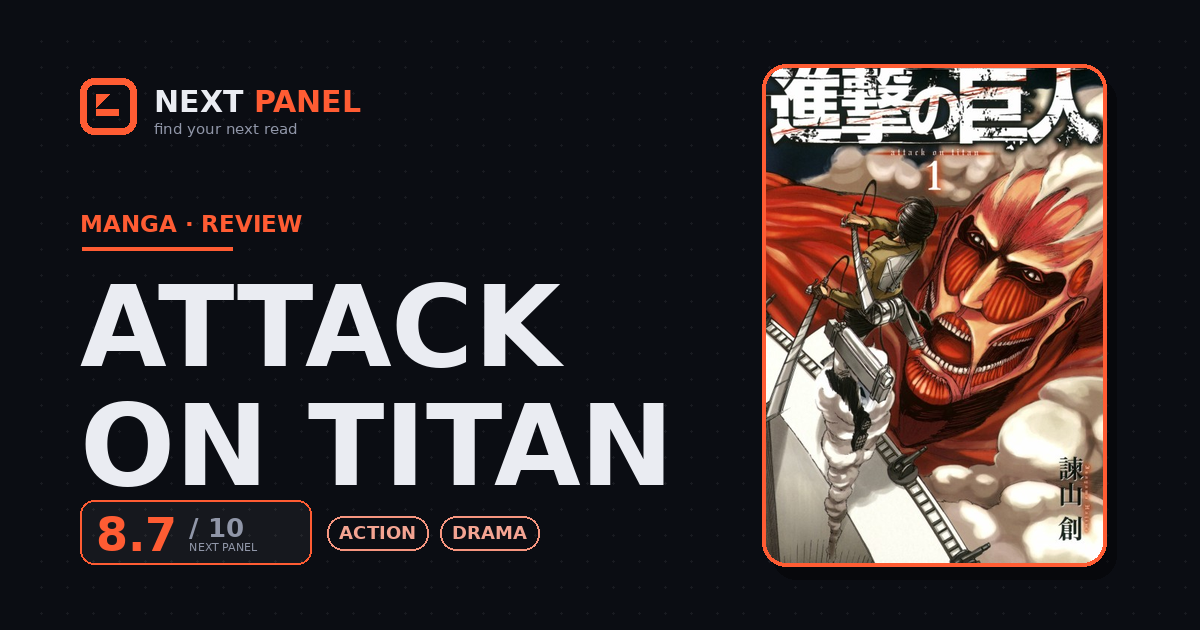
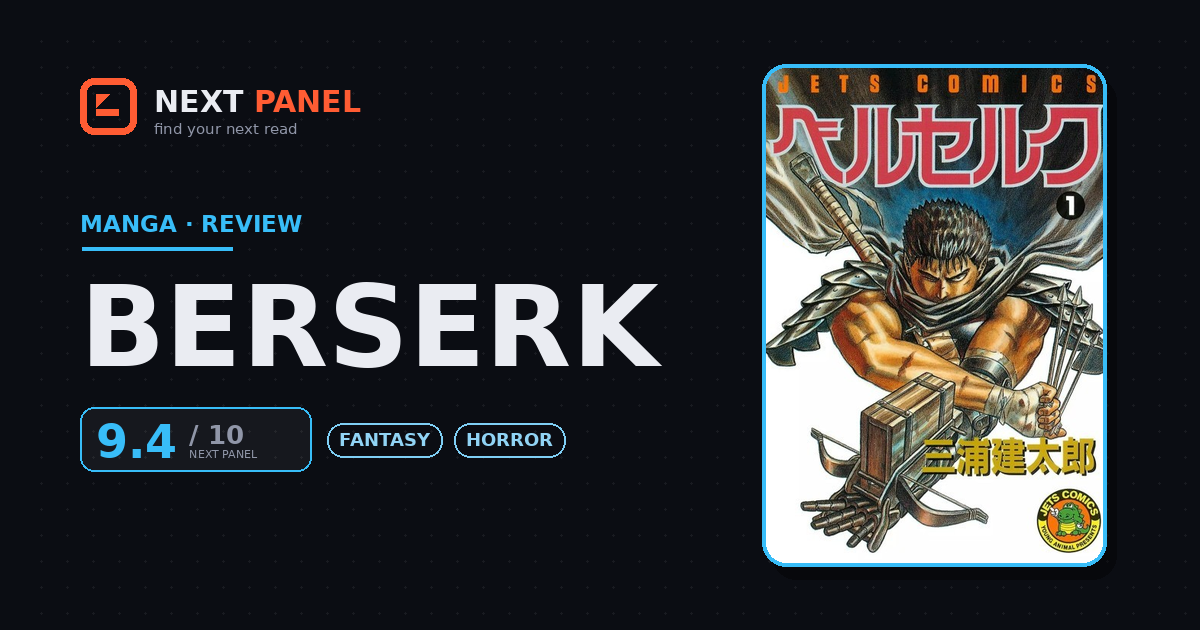
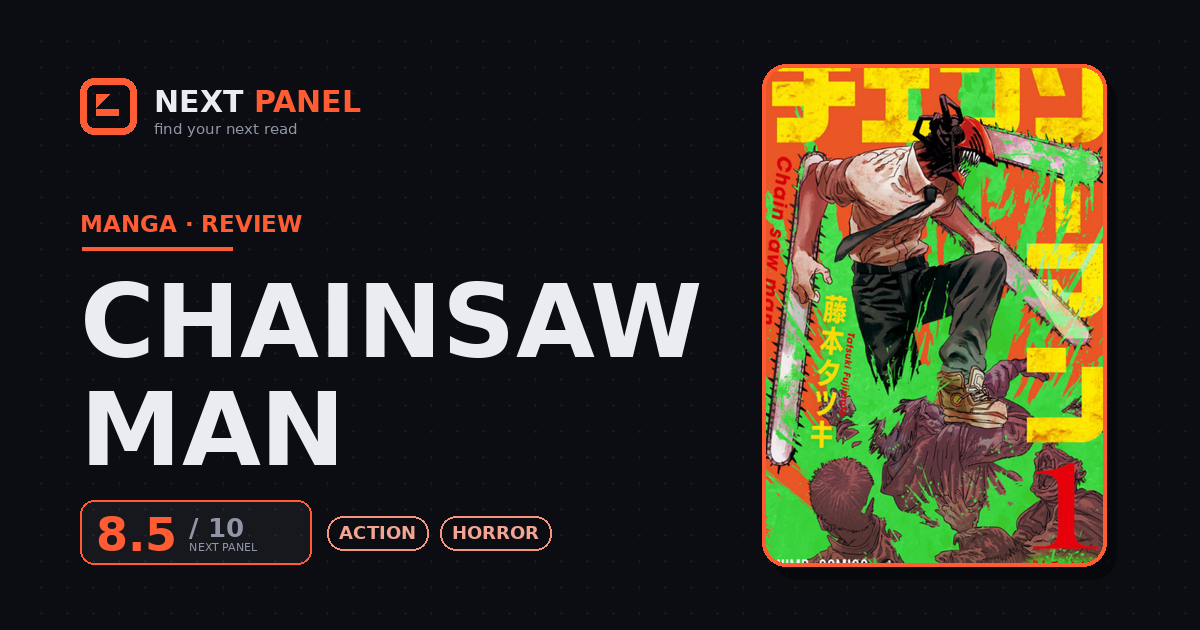
Is Devilman Worth Reading? Review & Where to Read
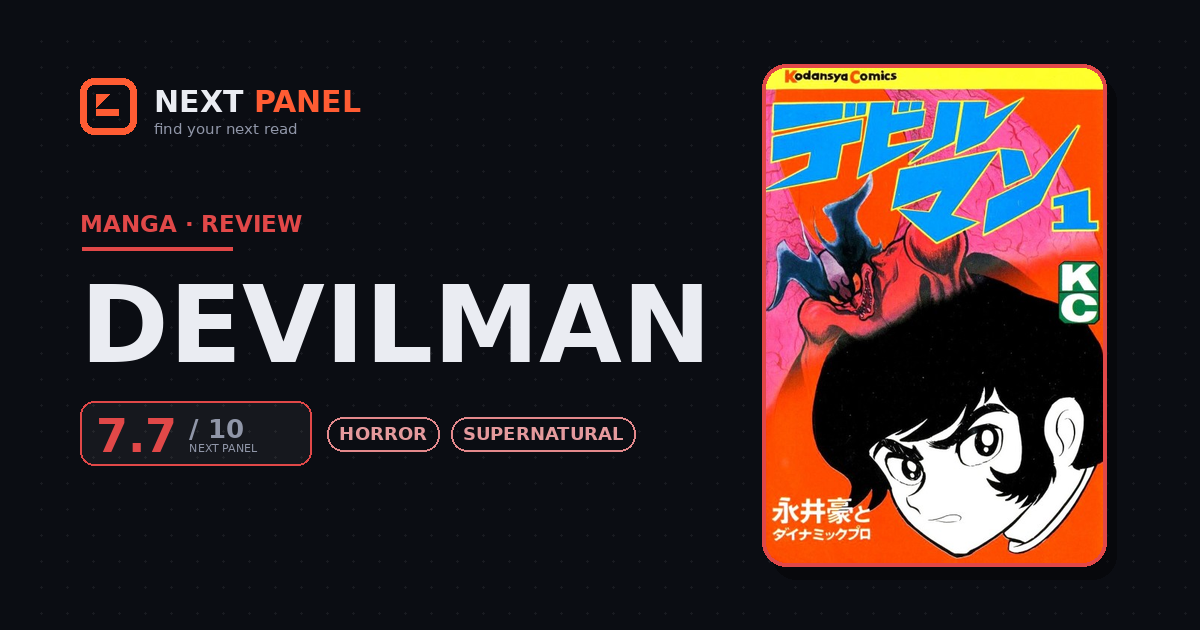
Quick Answer
With caveats. Devilman is a landmark of horror manga, raw, shocking, and hugely influential, with an ending that still hits hard. But it's a short 1970s work, so the art and breakneck pacing feel dated. Read it for what it started and where it lands, not for polish.
Quick Verdict
“Dated and rushed by modern standards, yet its apocalyptic ending still lands like a hammer — you can feel its DNA in everything darker that followed.”
Best for: Readers curious about a foundational horror classic who can look past dated, fast 1970s storytelling.
Not for: Readers who want modern art and pacing, or a long, slow-built story.
- Type
- Manga
- Genres
- Horror, Supernatural
- Status
- Completed
- This review
- Minor Spoilers
- Author
- Go Nagai
- Publisher
- Kodansha (Seven Seas, English)
- Platform
- Seven Seas
| Quick facts | |
|---|---|
| Format | Manga (shōnen), 53 chapters, 5 volumes |
| Run | 1972–1973 · completed |
| Community score | AniList 8.0 · MAL 8.1 · MangaUpdates 7.8 |
| Content | Graphic violence, gore, nudity, disturbing content |
| Where to read | Seven Seas — official |
Overview
Devilman is one of the foundational dark manga, the kind of book later creators keep pointing back to. Akira Fudo is a gentle, easily frightened teenager until his intense friend Ryo Asuka tells him a terrifying truth: demons are real, ancient, and coming back to take the world. Ryo's plan is insane, fuse with a demon to fight demons, and somehow Akira survives it with his human heart intact. Now he's Devilman, a creature with a demon's power and a person's conscience, standing between humanity and the things that want to devour it. Go Nagai wrote and drew it in 1972 and 1973, and it's short, complete, and far darker than its setup sounds.
What it does well
The reason to read Devilman is partly historical and partly that the latter half is still brutal. The influence is everywhere, once you've read it, you'll spot its fingerprints all over modern horror and dark-fantasy manga, from devil-powered heroes to apocalyptic despair. Reading it feels like finding the source.
But it isn't just a museum piece. The story builds to one of the most famous endings in manga, a grim, apocalyptic climax that still lands hard even if you know it's coming. What makes it work is that the real subject isn't demons at all, it's people. As fear spreads, the manga turns its eye on human cruelty, panic, and mob violence, and that shift from monster story to dark mirror is where it earns its reputation.
Go Nagai's art has a wild, unhinged energy too. The demon designs are grotesque and inventive, and the big horror set pieces are staged with real imagination, even when the linework clearly shows its era.
Where it falls short
It's a 1972 manga, and that shows. The art and pacing are dated, and the story sprints through developments a modern series would give whole arcs to, so emotional beats can feel rushed. The characters are thin, and their motivations sometimes swing hard to serve the plot rather than because they earned it. The early chapters are also uneven in tone, closer to a goofy monster adventure, before the horror fully takes hold, so it takes a little patience to reach the part everyone remembers.
Verdict
Devilman is essential if you care where modern dark manga came from, and its ending alone justifies the short read. Go in expecting a raw, fast 1970s work rather than a polished modern one, meet it on those terms, and it's powerful stuff. If dated art and breakneck pacing are dealbreakers, you may admire it more than you enjoy it, but few short manga hit as hard as this one does at its peak.
Strengths & Weaknesses
Strengths
- It's wildly influential; you can see its DNA in decades of darker manga, so reading it feels like finding the source.
- The ending is the real reason it endures: a bleak, apocalyptic climax that's still genuinely shocking.
- Under the demon-fighting, it's really about human cruelty, fear, and mob violence, which gives it surprising weight.
- Go Nagai's monster designs and big horror set pieces still have a wild, unhinged energy.
Weaknesses
- It's a short 1970s manga, so the art and pacing feel dated, and it races through beats a modern series would linger on.
- The characters are thin, and their motivations sometimes swing hard to serve the plot.
- The early chapters are uneven in tone before the horror really takes over, so it takes a bit to find its footing.
Similar Titles
A modern devil-powered protagonist that owes Devilman a clear debt, with the same mix of horror and heart.
Grim dark fantasy in Devilman's lineage, far longer and more detailed.
Shares the apocalyptic despair and willingness to go to very dark places.
Where to Read Officially
| Platform | Format | Pricing | Region notes | Link |
|---|---|---|---|---|
| Seven Seas | Print & digital volumes | Paid | Region availability varies | Open |
Frequently Asked Questions
Is Devilman finished?
Yes. The original ran in 1972–73 and is complete in five volumes; Seven Seas collects it in English.
Which edition should I read?
Seven Seas' Devilman: The Classic Collection is the standard English release of the original manga; the official series page is linked above.
Is Devilman appropriate for kids?
No. Despite running in a 1970s shonen magazine, it has heavy violence, gore, and nudity, and is best for adult readers.