Is Ghost in the Shell Worth Reading? Review & Where to Read
Quick Answer
Yes, if you want the actual source of modern cyberpunk rather than just the vibes — but go in ready for dense technical asides and a much goofier sense of humor than the 1995 film.
Quick Verdict
“Every cyberpunk story made since owes this something, even when it seems more interested in its own footnotes than its plot.”
Best for: Readers who want serious ideas about consciousness and AI wrapped in genuinely inventive sci-fi action.
Not for: Readers who want a tightly-paced single story or a consistently serious tone from start to finish.
- Type
- Manga
- Genres
- Sci-Fi, Action
- Status
- Completed
- This review
- Minor Spoilers
- Author
- Masamune Shirow
- Publisher
- Kodansha Comics
- Platform
- Kodansha Comics
| Quick facts | |
|---|---|
| Format | Manga (seinen), 11 chapters, 1 volumes |
| Run | 1989–1991 · completed |
| Community score | AniList 7.4 |
| Content | Violence, sexual content, graphic imagery |
| Where to read | Kodansha Comics — official |
Overview
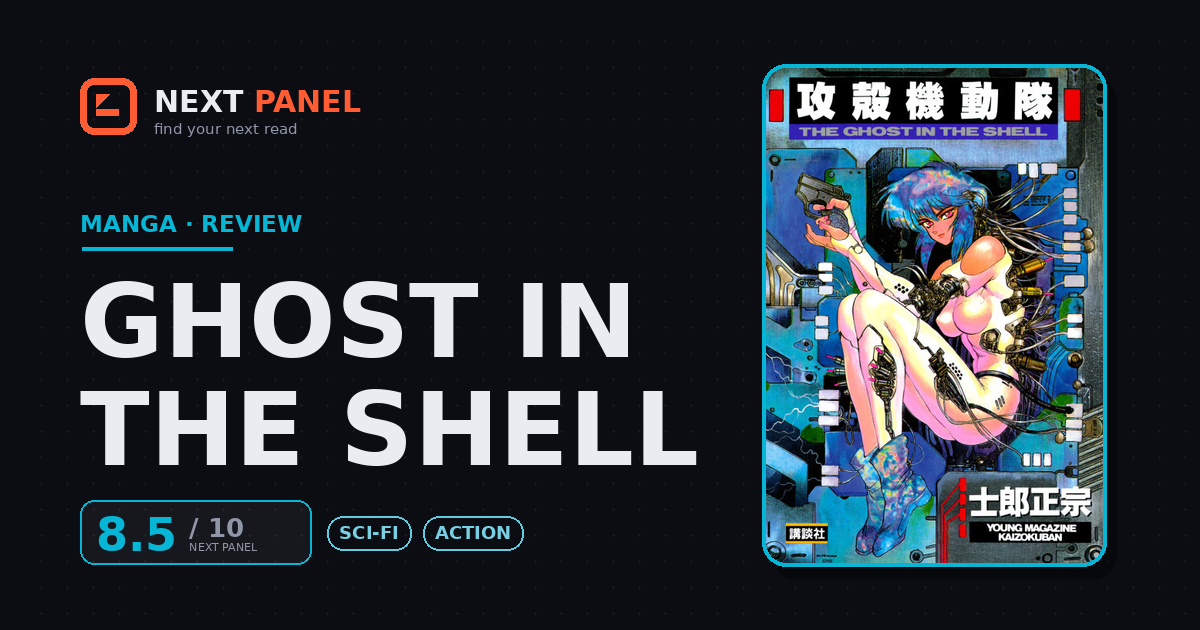
Masamune Shirow's Ghost in the Shell follows Major Motoko Kusanagi and Public Security Section 9, a black-ops unit that handles the kind of crime regular police can't touch: hacking, corporate espionage, and cases where the "criminal" might not even have a physical body anymore. If you only know this from the 1995 film, the manga is a different animal — faster in some places, slower in others, funnier, weirder, and a lot more willing to stop the plot cold to explain exactly how a piece of hardware or a legal loophole works.
What it does well
The core idea still holds up: in a world where minds can be uploaded, copied, and hacked, what actually makes you "you"? Shirow takes that question seriously across a series of standalone-ish cases, and the ideas about networked consciousness, ghost-hacking, and digital identity feel more current now than they did in 1989 — there are panels here that read like they're describing today's internet with a straight face. Section 9 itself is a strong ensemble: Kusanagi is confident and a little inhuman in a way that's genuinely unsettling, Batou makes a good gruff foil for her, and even minor team members get personality beyond their job title.
The real draw, though, is the art. Shirow draws hardware like an engineer would — cybernetic joints, weapons, vehicles, and cityscapes all get the same obsessive, almost blueprint-level attention, and it makes the world feel like it actually works rather than just looking cool. Decades later, there's still very little in the genre that looks this technically confident, panel for panel.
Where it falls short
This is not a breezy read. Shirow loves a footnote, and the manga will regularly stop the action for a paragraph of technical or political exposition that assumes you're keeping up. Combined with dialogue that's already dense with jargon, it makes for a slower, more demanding read than most action manga — you can't skim this one.
The tone is also a lot more inconsistent than the film suggests. Serious material about consciousness and identity sits right next to broad, juvenile sex-comedy gags, and the shift between the two can be genuinely jarring — some readers find it charmingly strange, others feel it undercuts the more serious ideas. The structure doesn't help here either: this reads more like a collection of loosely connected cases than one throughline story, so if you're expecting the tight, singular plot of the movie, you won't find it on the page.
Verdict
Ghost in the Shell earns its reputation as a foundational cyberpunk text — its ideas about AI, hacking, and digital identity were genuinely ahead of their time, and its art still holds up as some of the most technically ambitious in the genre. But it demands patience: dense exposition, real tonal whiplash, and a loose case-by-case structure make it a tougher read than the sleek, streamlined film it inspired. Worth it for anyone curious where a huge chunk of modern sci-fi's DNA actually comes from — just don't expect an easy ride.
Strengths & Weaknesses
Strengths
- Treats AI, networked consciousness, and what counts as a 'self' as genuinely interesting philosophical questions, not just window dressing for action scenes.
- Shirow's linework is incredible — cityscapes, cybernetic anatomy, and hardware are all drawn with an obsessive, almost blueprint-level detail.
- Section 9 is a strong ensemble — Kusanagi, Batou, and the rest all get distinct personalities even inside a plot-heavy, case-of-the-week structure.
- Genuinely ahead of its time — its ideas about hacking, digital identity, and surveillance read as more relevant now than when it was drawn in 1989.
Weaknesses
- Dense technical footnotes and jargon-heavy dialogue stall the pacing constantly — this is not a quick read.
- The tone swings hard between serious philosophy and broad, juvenile sight-gag comedy, and that whiplash puts a lot of readers off.
- It's structured more as a string of loosely connected cases than one driving story, so it can feel unfocused next to the films.
Similar Titles
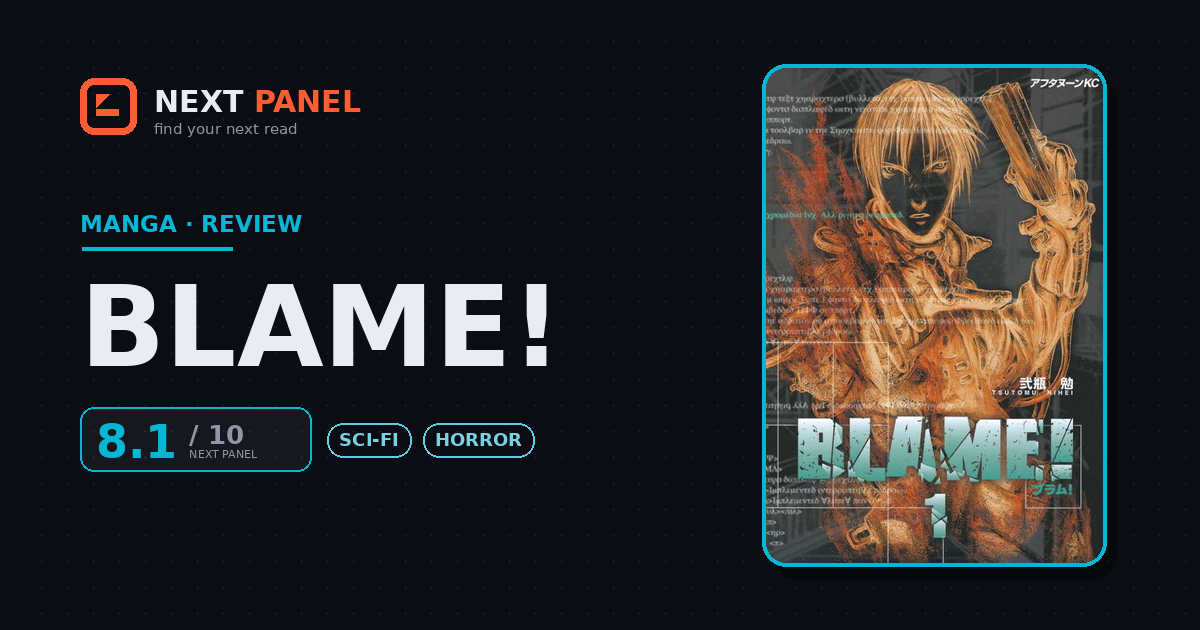
Another dense, philosophical cyberpunk classic from the same era, with an equally iconic lead.
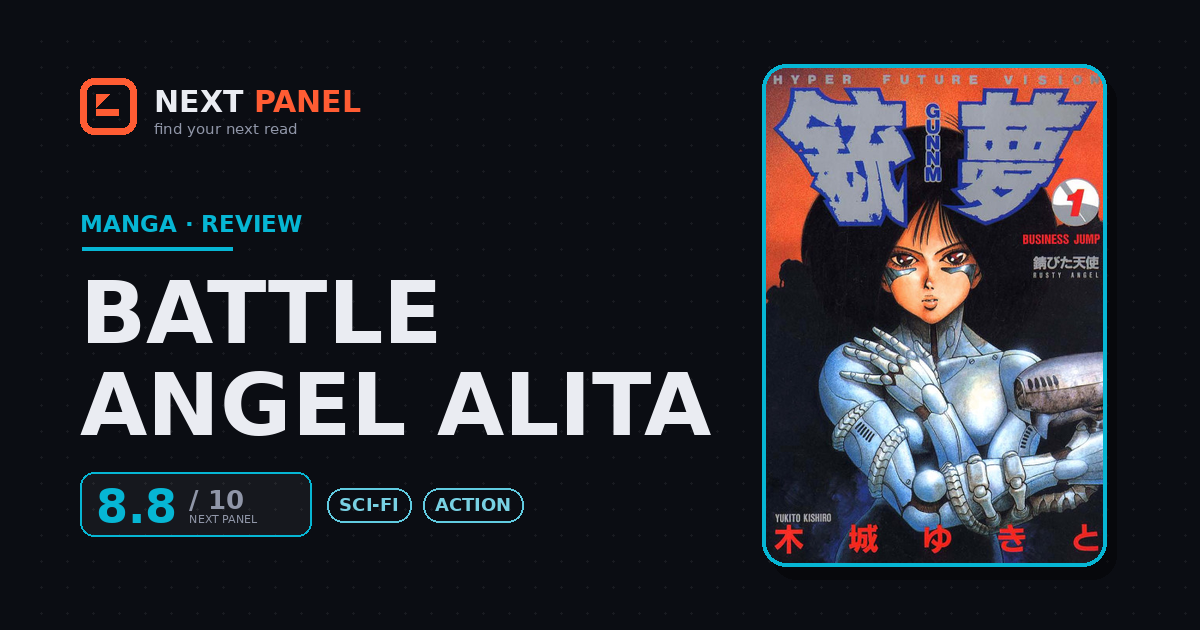
More globe-trotting tech-and-guns intrigue, with a sharper, more consistent sense of humor.
For that same cold, technical, hard-sci-fi atmosphere, pushed even further into the abstract.
Where to Read Officially
| Platform | Format | Pricing | Region notes | Link |
|---|---|---|---|---|
| Kodansha Comics | Print & digital volumes | Paid | Region availability varies | Open |
Frequently Asked Questions
Is the Ghost in the Shell manga the same story as the 1995 anime movie?
The film adapts material from the manga's first volume but changes the tone and simplifies the plot a lot. The manga is denser, more comedic in places, and covers more ground across two sequel volumes.
Do I need to read the manga before watching Ghost in the Shell: Stand Alone Complex?
No. Stand Alone Complex builds its own continuity off the film's world rather than adapting the manga's plot directly.
What order should I read the Ghost in the Shell manga in?
Start with the original Ghost in the Shell, then Ghost in the Shell 2: Man-Machine Interface. Ghost in the Shell 1.5: Human-Error Processor collects side stories set between the two and is optional.