Is Kodocha: Sana's Stage Worth Reading? Review & Where to Read
Quick Answer
Yes, if you want a shoujo classic that earns both its comedy and its genuinely heavy drama. It's out of print in English, so it takes more effort to find than something still actively published.
Quick Verdict
“Sana barrels into everyone's problems whether they want her to or not, and Kodocha is at its best when that chaos runs headfirst into something genuinely sad.”
Best for: Readers who want a shoujo classic that mixes big comedy with real family drama instead of picking one lane.
Not for: Readers who want a short, tidy story that's easy to track down in English.
- Type
- Manga
- Genres
- Drama, Comedy
- Status
- Completed
- This review
- Minor Spoilers
- Author
- Miho Obana
- Publisher
- Shueisha
| Quick facts | |
|---|---|
| Format | Manga, 54 chapters, 10 volumes |
| Run | 1994–1998 · completed |
| Community score | AniList 8.0 |
| Content | Bullying, family drama |
Overview
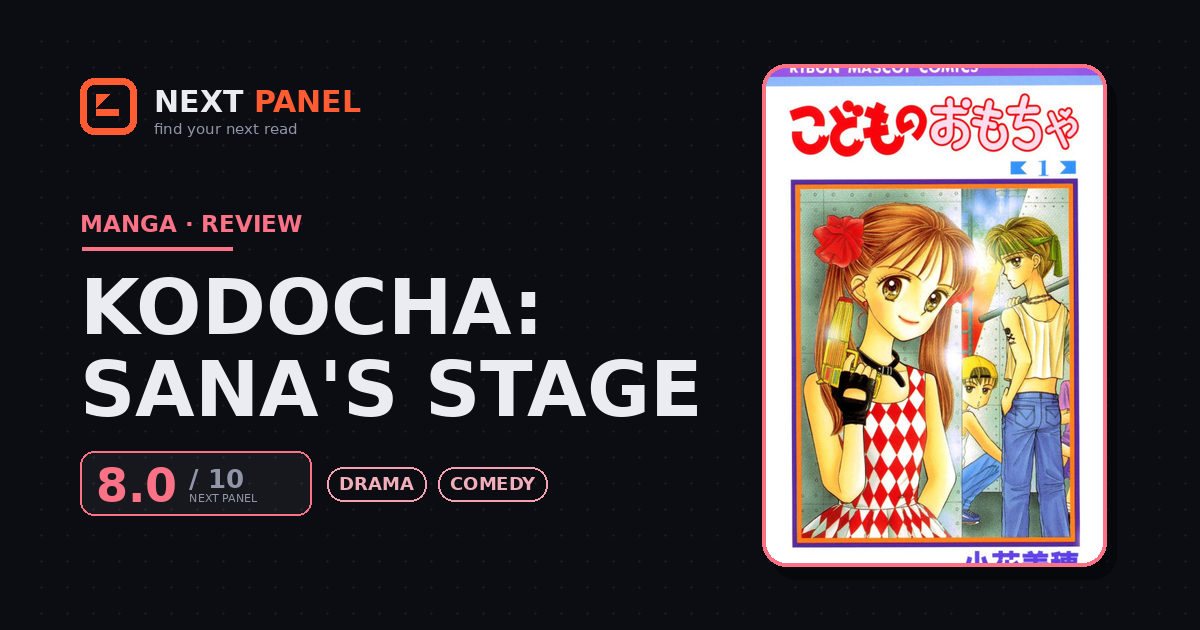
Sana Kurata is a working child actress with a bigger personality than her age should allow, and she brings all of it into her regular elementary school classroom. When she's paired up with Akito Hayama, a quiet, angry classmate who's bullied a teacher into an emotional breakdown, Sana decides it's her job to fix him, and by extension, fix everyone else's problems too. What follows spirals well past a typical school comedy into stories about bullying, broken families, and kids figuring out things the adults around them can't or won't.
What it does well
The book's biggest trick is tonal: it moves from slapstick to genuinely upsetting material and back again without either side undercutting the other. Sana's chaotic, over-the-top energy is played for real laughs, but the manga never uses that energy to soften the harder subjects it takes on. Divorce, parental neglect, bullying that spirals into real cruelty, and classroom dynamics falling apart all get treated with more weight than you'd expect from how goofy the book can be page to page.
Sana herself carries a lot of that balance. She's a kid dealing with adult-sized problems in her own life while also inserting herself into everyone else's, and the manga is honest about how exhausting and occasionally misguided that makes her, rather than writing her as an all-knowing kid hero. Akito's arc, in particular, earns its slow thaw instead of rushing him into being a nicer person because the plot needs him to be.
Miho Obana's art matches the mood swings well, snapping between big, cartoonish expressions and quieter, more grounded panels depending on what a scene needs, which keeps the shifts in tone from feeling jarring.
Where it falls short
The series runs long, and its episodic structure means some arcs land harder than others. A few stretches revisit similar classroom-conflict beats without adding much new, and the pacing can meander before the story circles back to Sana and Akito's central relationship.
The chaotic energy that makes Sana fun can also wear thin in stretches where the humor leans broad and repetitive rather than character-driven. And because the manga is currently out of print in English, actually getting hold of a full set takes more effort than picking up something still in active release.
Verdict
Kodocha earns its reputation as an underrated shoujo classic by refusing to pick a lane between comedy and genuinely heavy family drama, and mostly nailing both. It's a long, occasionally uneven read, and English copies aren't easy to find anymore, but the core story about a kid trying to fix everyone around her while working through her own mess is worth the search.
Strengths & Weaknesses
Strengths
- The tonal swings between big comedy and genuinely heavy material land because the manga never uses the jokes to soften the harder subjects.
- Sana is written as an exhausting, occasionally misguided kid instead of an all-knowing hero, which makes her attempts to fix everyone else's problems feel more honest.
- Akito's slow change happens gradually enough to feel earned rather than rushed along by the plot.
- Miho Obana's art shifts easily between big cartoonish expressions and quieter, grounded panels depending on what a scene needs.
Weaknesses
- The long, episodic structure means some classroom-conflict arcs repeat similar beats without adding much new.
- Sana's chaotic energy can wear thin in stretches where the comedy leans broad rather than character-driven.
- The English release has been out of print since 2006, so a full set takes more effort to track down than something still active.
Similar Titles
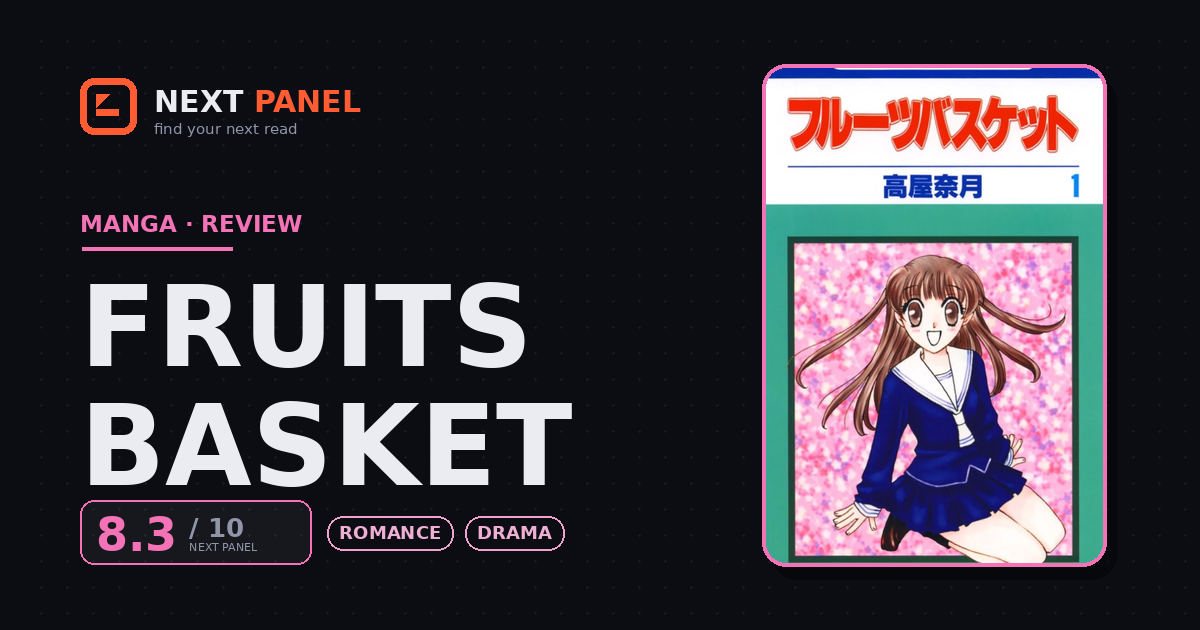
Another shoujo classic that balances broad comedy with real family trauma and slow-building healing.
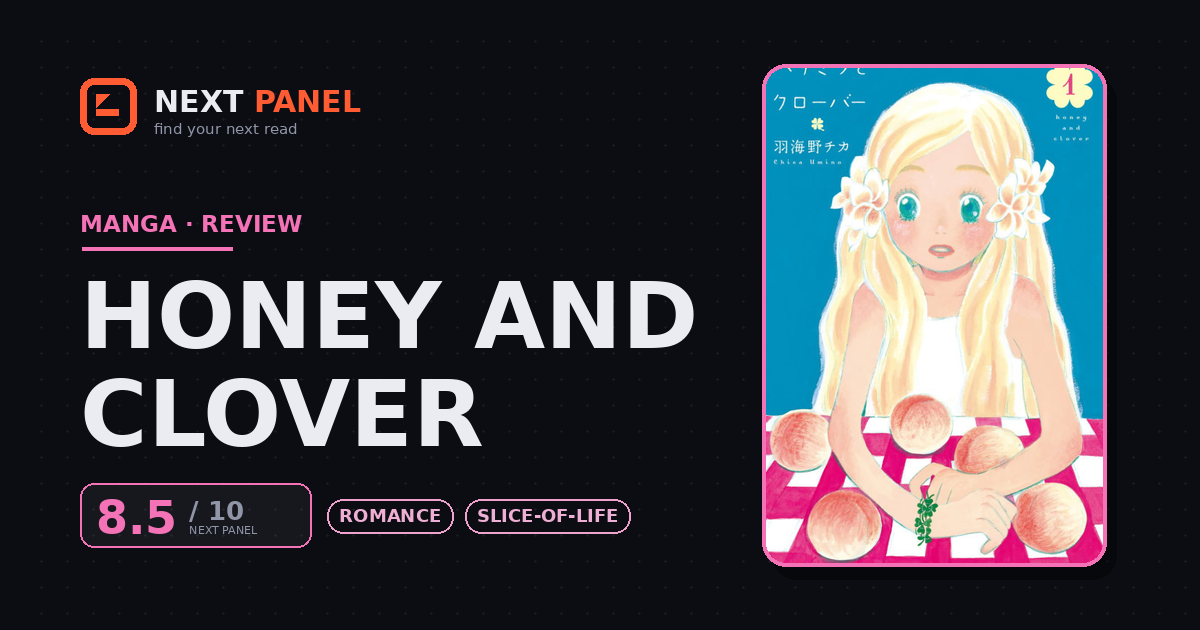
A different age bracket, but a similar knack for mixing everyday comedy with real emotional weight.
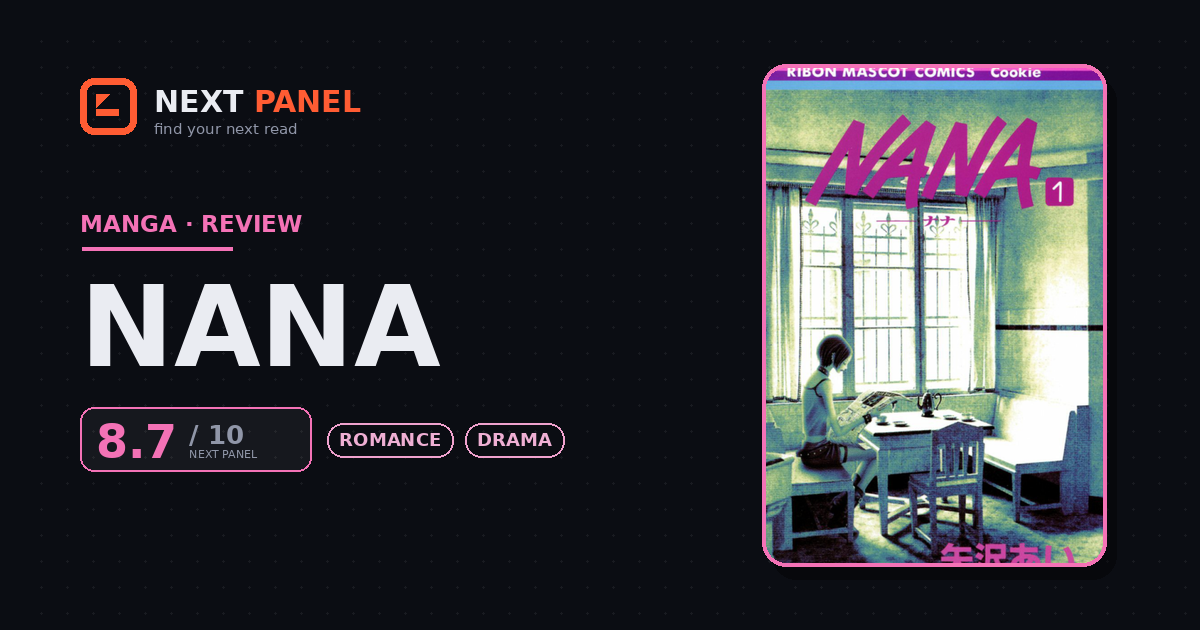
A heavier, more adult take on the same idea of comedy and hardship sharing the same story.
Frequently Asked Questions
Is Kodocha available in English?
It was released in English by Tokyopop as Kodocha: Sana's Stage, but the license lapsed and it's been out of print since 2006 with no digital re-release yet, so physical copies are the only way to find it right now.
Is Kodocha finished?
Yes, the manga completed its run in Japan in 1999.
Is Kodocha appropriate for younger readers?
It deals with heavier themes like bullying and family breakdown, but handles them thoughtfully rather than graphically, and any romance in the story stays age-appropriate for its cast of classmates.