Is Lazy Dungeon Master Worth Reading? Review & Where to Read
Quick Answer
If you want isekai comfort food built around base-building and a growing cast of monster girls, yes - it's a solid, long-running example of the genre, even if it never really outgrows it.
Quick Verdict
“It knows exactly what kind of harmless comedy it wants to be, and 12+ volumes in, it still hasn't tried to be anything more ambitious.”
Best for: Readers who enjoy slow-burn dungeon-management isekai with a big rotating cast and low-stakes comedy over tension.
Not for: Readers who want a driven protagonist, tight pacing, or a story that evolves past its opening premise.
- Type
- Manga
- Genres
- Comedy, Isekai
- Status
- Ongoing
- This review
- Minor Spoilers
- Author
- Supana Onikage
- Artist
- Nanaroku
- Publisher
- Seven Seas Entertainment
- Platform
- Seven Seas Entertainment
| Quick facts | |
|---|---|
| Format | Manga |
| Run | 2018–present · ongoing |
| Community score | AniList 6.5 |
| Where to read | Seven Seas Entertainment — official |
Overview
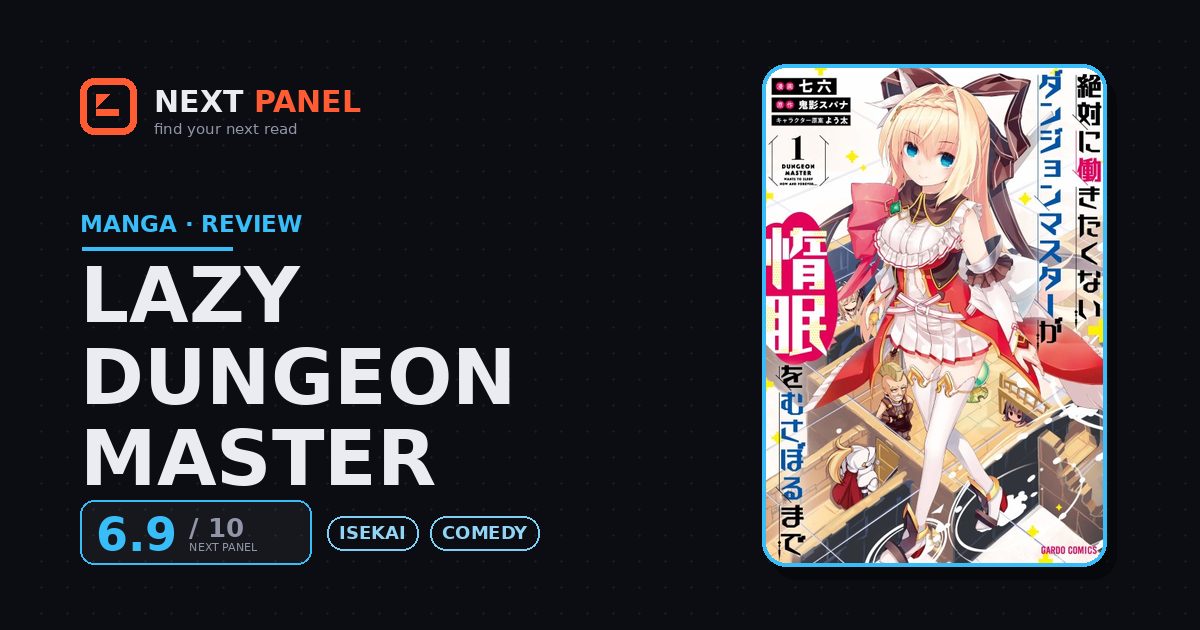
Keima Masuda has one goal in life: sleep, uninterrupted, for as long as possible. Getting yanked into another world and handed a dungeon to run is, from his perspective, a nightmare - not because it's dangerous, but because it's work. His only help is Rokuko, the Dungeon Core's living avatar, who is enthusiastic but genuinely bad at the job. When bandits nearly overrun the place because Rokuko can't manage a basic defense, Keima realizes the only way back to peaceful naps is to actually take charge and run the dungeon properly.
That's the engine of 'Lazy Dungeon Master': a protagonist whose motivation is comically small-scale, applied to a genre that usually runs on grand destinies and world-saving stakes.
What it does well
The premise earns its joke by staying consistent. Keima isn't secretly ambitious under the laziness - he really would rather be sleeping, and every decision he makes traces back to minimizing future hassle. That's a fun angle on the overpowered-isekai-lead archetype, and it keeps the comedy grounded instead of relying on random gags.
The dungeon-management side is the strongest part of the book. Watching Keima think through trap placement, monster recruitment, and defensive layout gives the story actual problem-solving to chew on between jokes, and it scratches a similar itch to base-building or strategy games. As the dungeon grows, so does its cast - a rotating group of monster girls and dungeon residents, most of whom get a real personality quirk rather than just filling a slot. For a series well past a dozen volumes, that variety matters, and it's part of why this has stuck around as long as it has.
The art is clean and expressive, particularly good at selling both the comedic beats and the occasional genuine moment of the cast pulling together under pressure.
Where it falls short
The flip side of Keima's laziness is that he's often the least proactive person in his own story - things escalate because Rokuko or another dungeon resident stirs something up, and Keima mostly manages the fallout. That works for the joke but caps how much the character can grow.
The harem-adjacent structure also means some of the cast exists more to orbit Keima than to carry their own arcs, which is a familiar limitation of the subgenre rather than a unique flaw here. And with 17 light novel volumes behind it and the manga still catching up, this is a slow-burn long-runner - the pace stays comfortable and incremental rather than building toward major escalation, so anyone expecting the story to meaningfully change gears over time may find it stays in a similar mode for a long while.
Verdict
This is dependable isekai comfort food: a likeable low-stakes hook, a strategy-game brain under the jokes, and a cast that keeps growing without getting stale. It's not going to convert someone tired of harem-isekai tropes, but if that's a shelf you already enjoy, this is a well-built, long-running entry on it.
Strengths & Weaknesses
Strengths
- The core hook - a guy motivated purely by wanting to sleep - gives the comedy a consistent, low-stakes engine instead of forcing artificial urgency.
- The dungeon-building angle lets the story dig into strategy and problem-solving between the jokes, which keeps chapters from feeling like pure filler.
- The expanding cast of monster girls and dungeon residents gets distinct personalities instead of blending together, which matters a lot over 12+ volumes.
- It's unpretentious about what it is - a comfort-read isekai that delivers steady, easy chapters without demanding much setup.
Weaknesses
- Keima's laziness is the joke, but it also means he's a fairly reactive lead - most of the momentum comes from the people around him rather than his own drive.
- The harem-adjacent structure means some side characters exist mainly to orbit the lead rather than pursue their own arcs.
- This is a very long-runner with an incremental pace - readers wanting a story that meaningfully escalates will find it stays in a similar gear for long stretches.
Similar Titles
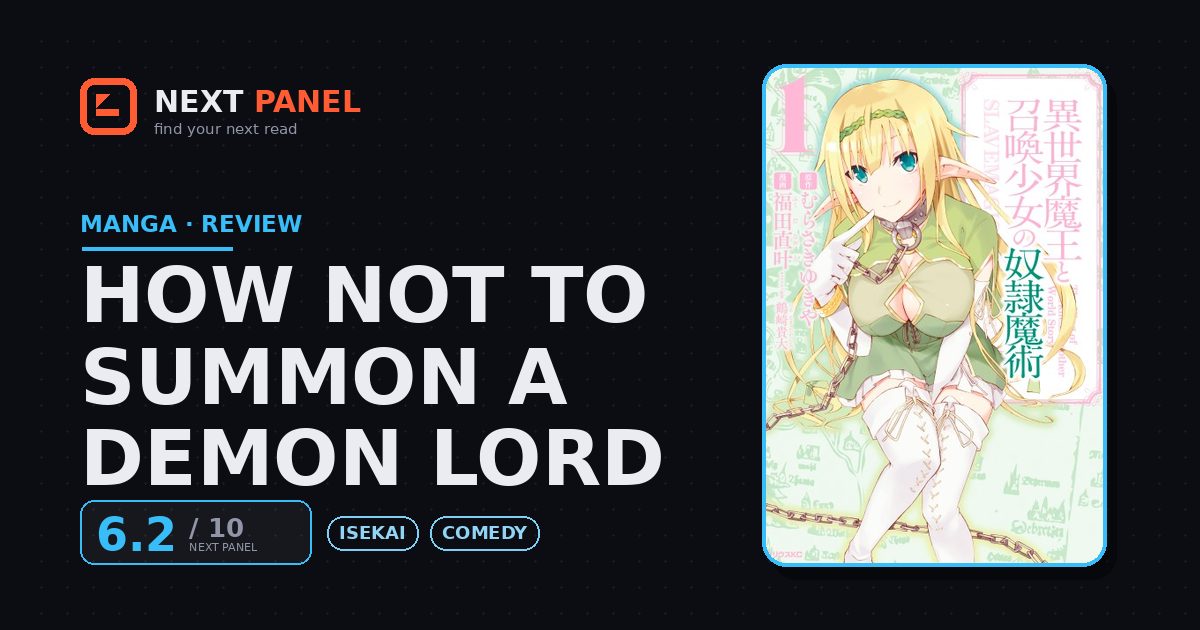
How NOT to Summon a Demon Lord
similar low-stakes isekai comedy energy with a big supporting cast around one overpowered lead
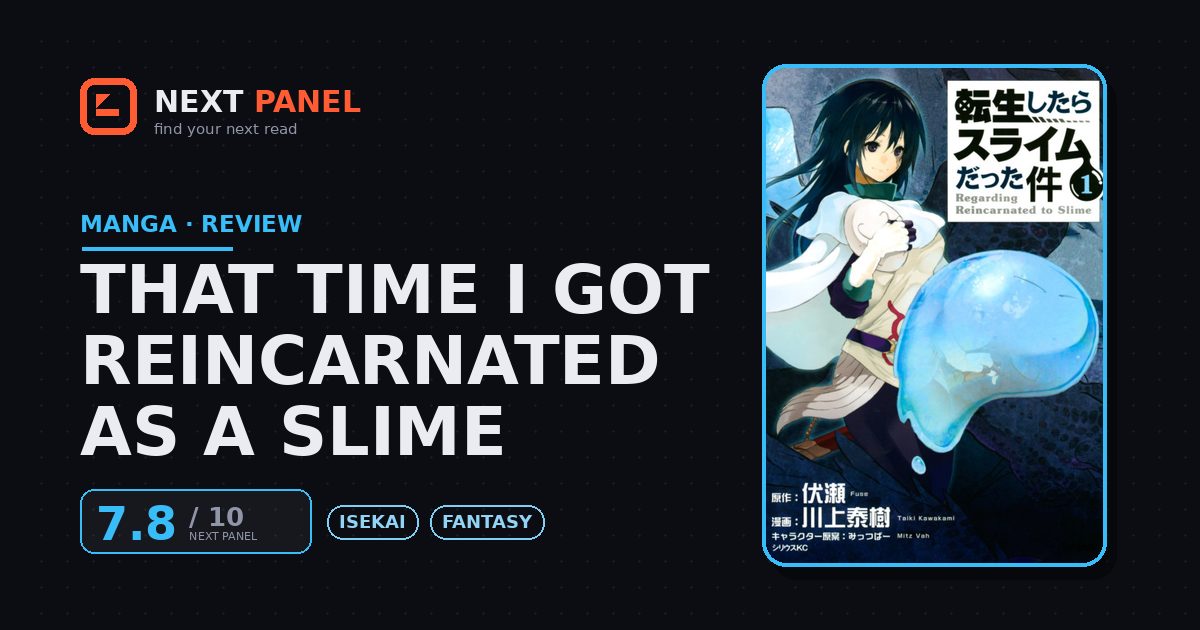
That Time I Got Reincarnated as a Slime
another world-building-focused isekai where growing a settlement matters as much as combat
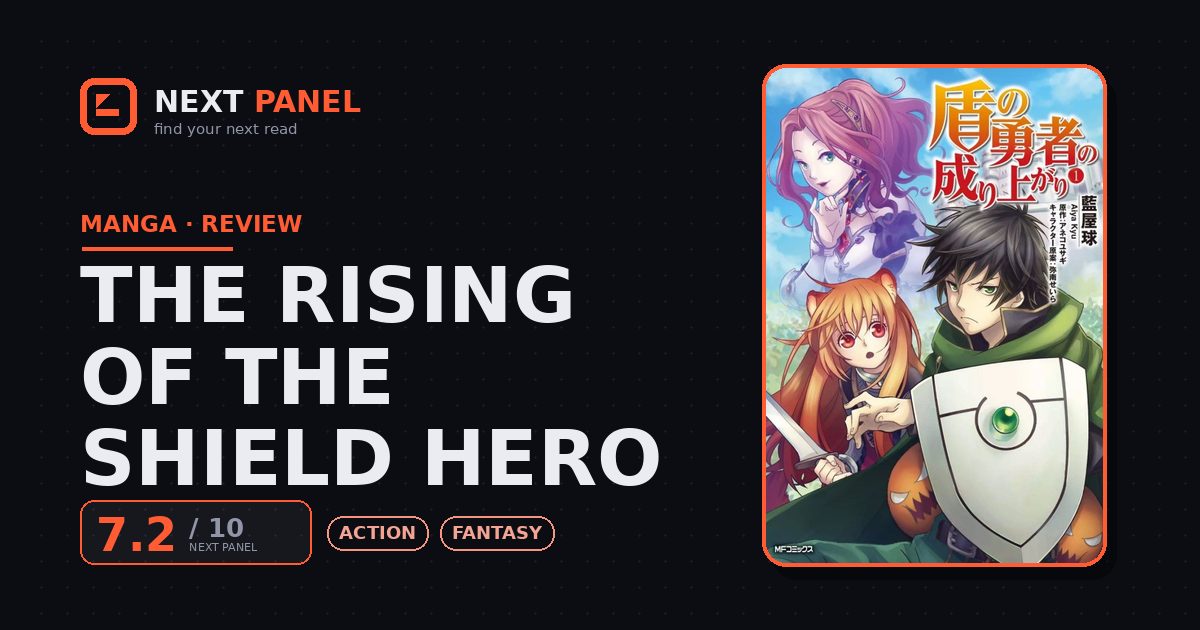
for readers who want more grit in their isekai power fantasy alongside the base-building angle
Where to Read Officially
| Platform | Format | Pricing | Region notes | Link |
|---|---|---|---|---|
| Seven Seas Entertainment | Print & digital volumes | Paid | Region availability varies | Open |
Frequently Asked Questions
Is Lazy Dungeon Master finished?
The light novel wrapped at 17 volumes in 2022. The manga adaptation is still ongoing, with 12+ volumes released in Japan and an English release from Seven Seas Entertainment steadily catching up.
Is this a harem series?
It leans that direction - Keima ends up surrounded by an expanding cast of female dungeon residents - but the tone stays comedic and low-stakes rather than heavily romance-focused.
Do I need to read the light novel first?
No. The manga tells the same story as its own self-contained adaptation, and it's the version licensed in English by Seven Seas.