Is Real Worth Reading? Review & Where to Read
Quick Answer
Yes, with one big asterisk. Real is some of the best work in sports manga — gorgeously drawn, emotionally honest, and serious about disability in a way almost nothing else is. The catch: it's unfinished and updates only a few chapters a year, so you're signing up for a story that may never wrap.
Quick Verdict
“It updates a few chapters a year and may never end — and it's still one of the best sports dramas ever drawn.”
Best for: Readers who want a mature, character-driven sports drama that takes disability and second chances seriously.
Not for: Readers who want a finished story and a steady, regular release schedule.
- Type
- Manga
- Genres
- Drama, Sports
- Status
- Ongoing
- This review
- Minor Spoilers
- Author
- Takehiko Inoue
- Publisher
- Shueisha / VIZ Media
- Platform
- VIZ
| Quick facts | |
|---|---|
| Format | Manga (seinen), 17 volumes |
| Run | 1999–present · ongoing |
| Community score | AniList 8.9 · MangaUpdates 8.8 |
| Content | Mature themes; injury, illness, and disability |
| Where to read | VIZ — official |
Overview
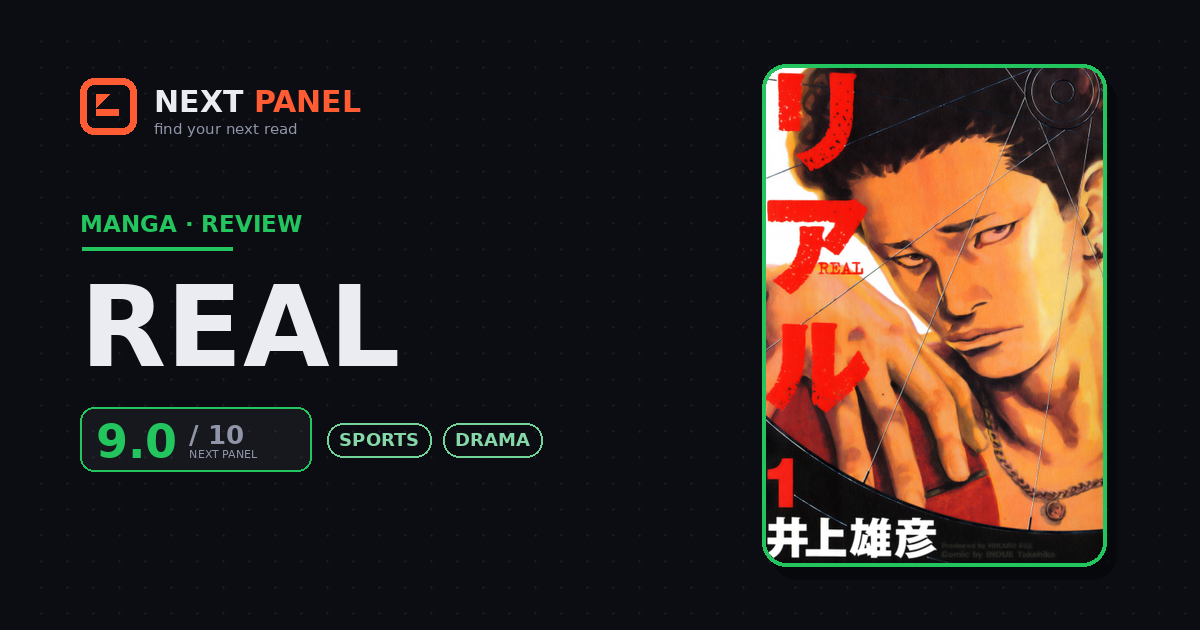
Real is Takehiko Inoue's other basketball manga — the grown-up, grittier one. Where Slam Dunk was a high-school underdog story, Real is about wheelchair basketball and the messy lives around it. It follows three young men whose paths cross through the sport: Nomiya, a high-school dropout carrying guilt over an accident; Togawa, a fiercely proud former track star who lost a leg to cancer; and Takahashi, a star athlete and class king whose life flips overnight after a spinal injury. Inoue uses the game as a way into much harder questions — about pride, worth, and what you do when the life you planned for is gone. It runs in Weekly Young Jump and is published in English by VIZ.
What it does well
The emotional honesty is the whole point, and it's stunning. Real doesn't treat disability as inspiration fuel or a tragedy to gawk at — it sits with the anger, the depression, the petty cruelty, and the slow, unglamorous work of rebuilding a sense of self. Characters are allowed to be unlikable, selfish, and wrong, and the book respects them enough not to hand them easy redemption. It earns every step forward.
The art is some of the best in the medium. Inoue draws bodies in motion like almost no one else, and the wheelchair basketball sequences are fast and clear — you feel the weight and speed of the chairs. But it's the quiet panels that hit hardest: a face mid-breakdown, a hospital room, a shrug that says everything. He gets more out of a single still frame than most artists manage in a whole chapter.
It's also genuinely about something. The sport is real, the medical and social details are specific and researched, and the result is a story that respects both its subject and its reader. You come out of it seeing people you'd normally look past.
Where it falls short
The big one: it's unfinished, and it crawls. After a long hiatus, Real came back in 2019 but now releases only a few chapters a year — chapter 100 landed in early 2025. If you need a complete story with a clear ending, this isn't that, and it may never be.
The structure can feel scattered, too. The three leads' arcs run in parallel and don't always intersect, so it can read more like three linked character studies than one driving plot. And the slow burn that makes it powerful also means long stretches where not much "happens" beyond people sitting with their feelings — rewarding if you're in for that, a slog if you're not.
Verdict
Real is a masterpiece in progress — beautifully drawn, emotionally fearless, and one of the few sports manga that's really about being human. The only serious knock is the one you can't fix: it's unfinished and updates at a glacial pace, so you're committing to a story with no end date. If that's a dealbreaker, wait. If it's not, this is essential reading.
Strengths & Weaknesses
Strengths
- It's emotionally fearless — disability is treated with real anger, depression, and unglamorous recovery instead of easy inspiration.
- Inoue's art is top-tier; the wheelchair basketball is kinetic and clear, and the quiet character panels hit even harder.
- Characters are allowed to be selfish, unlikable, and wrong, so their growth feels earned rather than handed to them.
- It's specific and well-researched about the sport and the medical reality, which makes the whole thing ring true.
Weaknesses
- It's unfinished and crawls — only a few chapters a year, with no ending in sight, so you may never get a conclusion.
- The three parallel arcs don't always connect, so it can read as linked character studies more than one driving plot.
- The deliberate slow burn means stretches where little happens beyond people sitting with their feelings.
Similar Titles
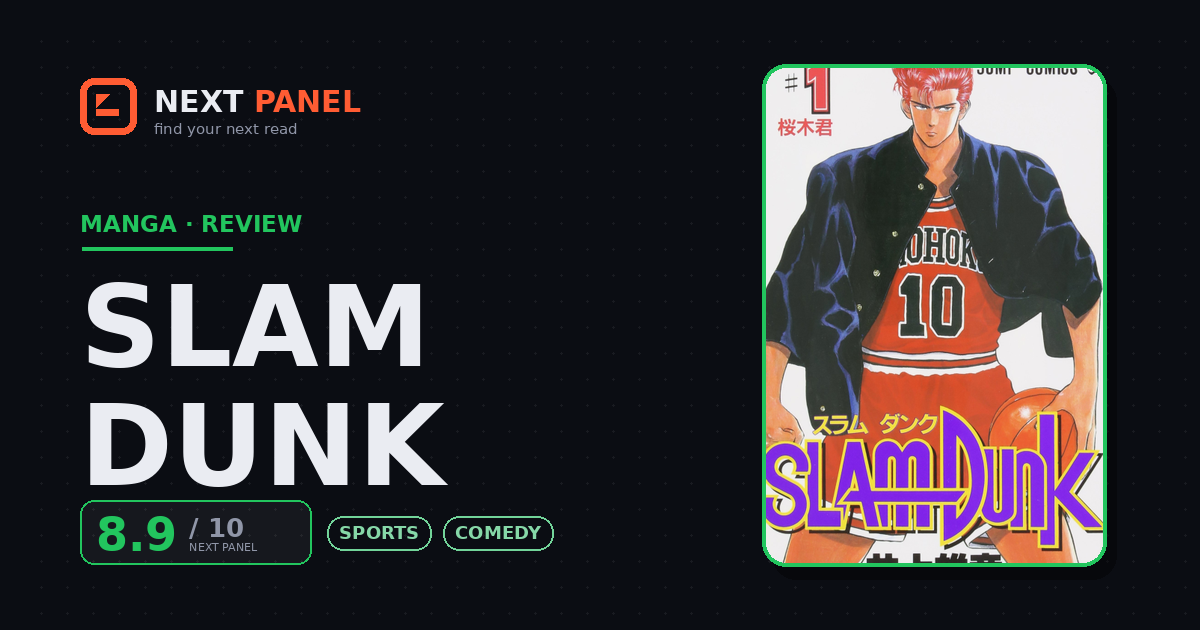
Inoue's earlier basketball classic — lighter and more conventional, but the same eye for the game.
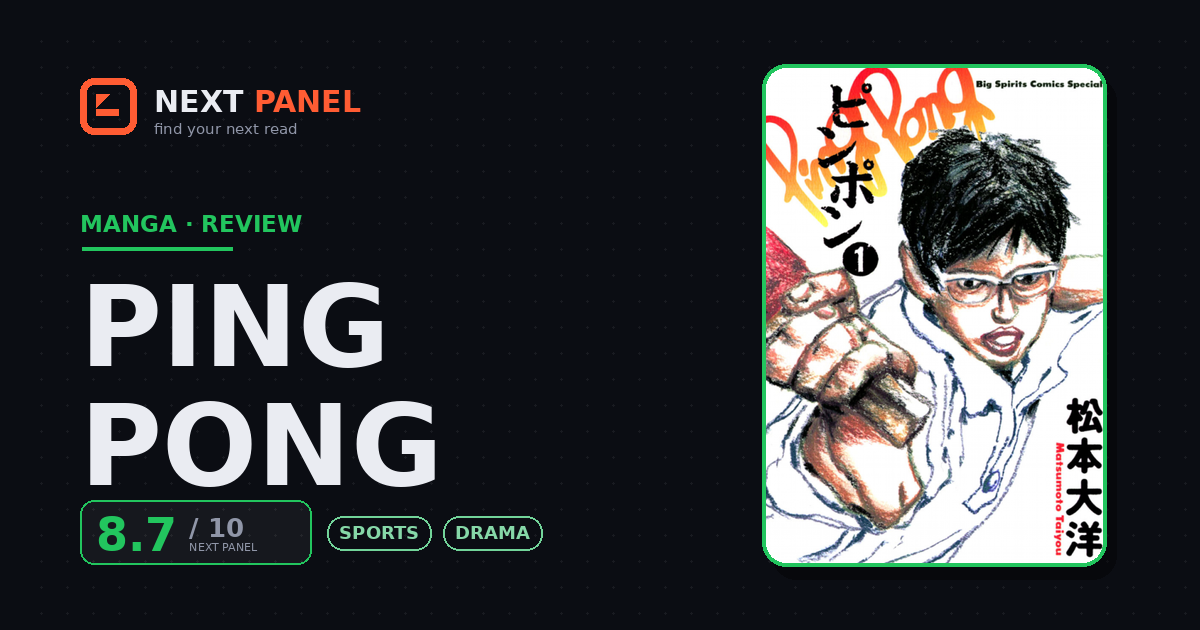
Taiyo Matsumoto's character-first sports drama, also more about the people than the wins.
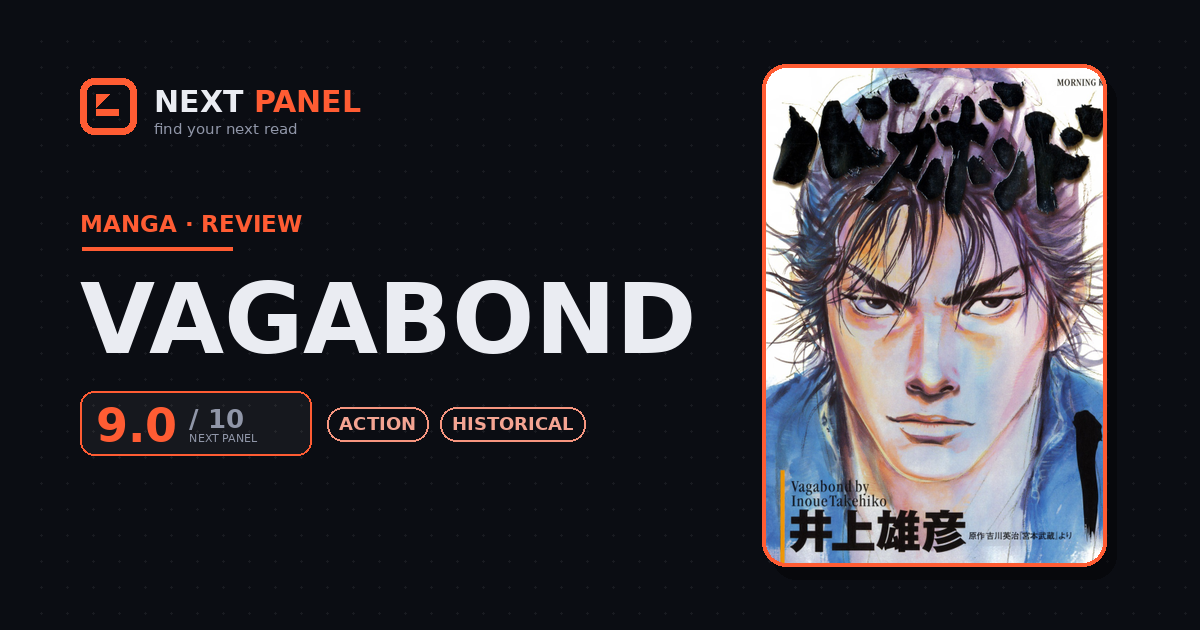
Inoue's samurai epic — different subject, same craft and weight, also famously on hiatus.
Where to Read Officially
| Platform | Format | Pricing | Region notes | Link |
|---|---|---|---|---|
| VIZ | Print & digital volumes | Paid | Region availability varies | Open |
Frequently Asked Questions
Is Real finished?
No. It's still ongoing as of 2026 at 17 volumes, but it updates only a handful of chapters a year and has had multi-year hiatuses, so there's no end in sight.
Do I need to like basketball?
Not really. The wheelchair basketball is central, but the story is about the people — pride, recovery, and identity — so non-fans can get into it just fine.
Is it by the Slam Dunk creator?
Yes. Takehiko Inoue created both, plus Vagabond. Real is his more grounded, adult take on the sport.