Is Reincarnated as a Sword Worth Reading? Review & Where to Read
Quick Answer
Yes, if you want a found-family isekai instead of a harem or a chosen-one power fantasy. It's a smaller, gentler story than most of its genre, so don't expect a huge cast or fast pacing.
Quick Verdict
“Fran and her sword make an oddly touching pair, and the found-family angle is what keeps this from being just another dungeon-crawl isekai.”
Best for: Readers who want a fresh spin on isekai power fantasy and don't mind a quiet, understated cast.
Not for: Readers who want a large ensemble cast or fast-moving romance.
- Type
- Manga
- Genres
- Action, Isekai
- Status
- Ongoing
- This review
- Minor Spoilers
- Author
- Yuu Tanaka
- Artist
- Tomowo Maruyama
- Publisher
- Seven Seas Entertainment
- Platform
- Seven Seas Entertainment
| Quick facts | |
|---|---|
| Format | Manga, 19 volumes |
| Run | 2016–present · ongoing |
| Community score | AniList 7.3 · MangaUpdates 7.7 |
| Where to read | Seven Seas Entertainment — official |
Overview
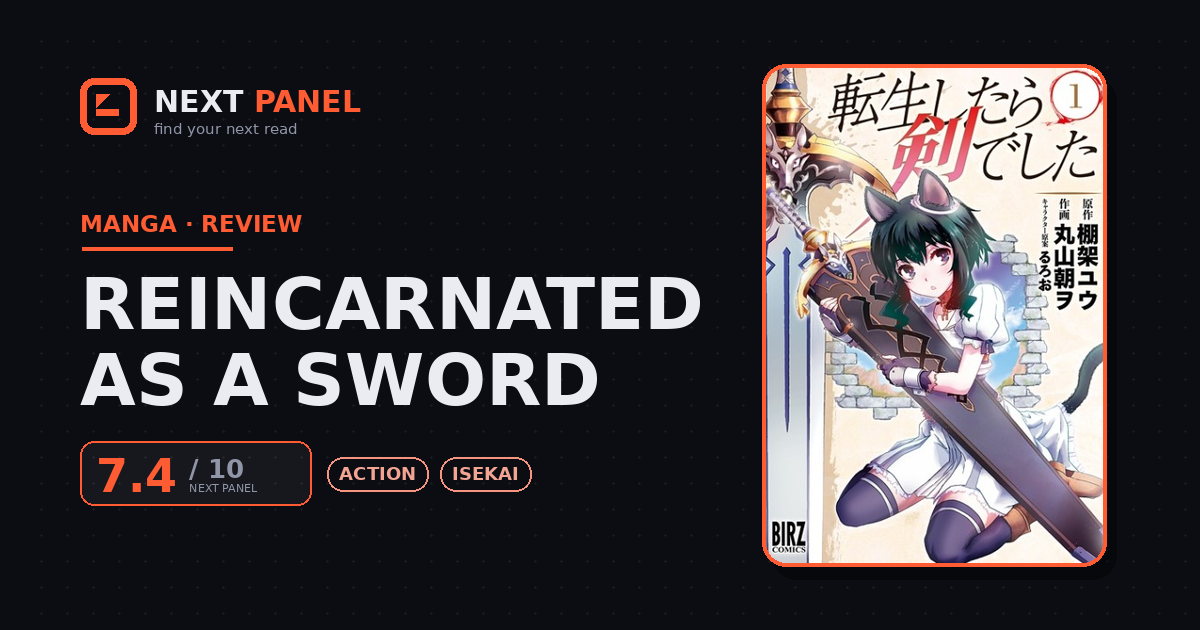
The hook is right there in the title: a man wakes up with no memory of his past life, and instead of the usual reincarnated-as-a-teenager premise, he's now a literal sword. He can think, talk telepathically, and cast a little magic, but he can't move on his own or interact with the world directly. That changes when he's found by Fran, a young beastkin girl being forced to fight monsters as a gladiator slave. He frees her, she picks him up, and the two strike a deal: she'll be his hands and feet, he'll be her weapon and her guide, and together they'll get strong enough that nobody can push either of them around again.
What it does well
The narration device is the best thing the series has going for it. Because the lead genuinely can't act on his own, every fight, every dungeon crawl, and every negotiation has to run through Fran, and that constraint keeps the story from turning into a generic overpowered-protagonist romp. He can coach her, warn her, and cut loose with magic when things go bad, but she's the one taking the hits and making the calls, which makes her growth as a fighter feel earned instead of handed to her.
The relationship between the two of them is genuinely the heart of the book. This isn't a romance and doesn't try to be one — it reads more like a found-family story, an orphaned kid and a strange, protective guardian who happen to communicate through a sword instead of words. Fran doesn't say much, but the manga does a good job of showing her slowly relearning that she's allowed to want things, not just survive.
The power-up structure also works better than most litRPG-adjacent isekai. New abilities usually show up mid-fight instead of getting explained in a menu screen, and the setting's magic system, including why a sentient sword like the lead exists at all, gets built out gradually instead of dumped in one lore chapter.
Where it falls short
Fran is a likable lead, but she doesn't get a ton of range. She's loyal, quiet, and has a running gag about loving meat, and while that's charming for a while, it doesn't develop into much more across the volumes. The people around her tend to exist to move her along rather than carry their own arcs, so the cast stays small and function-first even once the story has room to expand it.
The structure is also pretty episodic: clear a dungeon, get stronger, move to the next area, repeat, and that rhythm can make stretches of the manga feel like filler between the moments that actually push Fran and the sword's relationship forward. If you're reading for plot momentum rather than the central bond, some volumes will drag.
Verdict
This isn't the isekai to reach for if you want a sprawling cast, a harem, or fast plot escalation. What it does well is smaller and more specific: a found-family story where growing stronger matters because it means Fran gets to keep the one person who ever chose to protect her. That's a lower bar to clear than "best isekai on the shelf," but it clears it comfortably, and the sword's-eye narration gives it a personality most genre entries don't bother with.
Strengths & Weaknesses
Strengths
- The sword's perspective gives fights and exploration a different feel than the usual isekai lead, since it can't act on its own and has to work through Fran.
- Fran and the sword's bond is genuinely sweet — it plays more like a found-family story than a power fantasy for most of the early volumes.
- New abilities usually show up mid-fight instead of getting explained in a menu screen, so the power growth feels earned rather than handed out.
- The magic system and the setting's slave-fighter arenas give the world more texture than a generic fantasy backdrop.
Weaknesses
- Fran doesn't get a lot of range as a character — she's defined mostly by loyalty and a love of meat, and that doesn't expand much over time.
- The structure leans episodic, dungeon after dungeon, so momentum can sag in stretches between story-moving arcs.
- Side characters tend to exist to move Fran along rather than carry their own arcs, so the cast stays small.
Similar Titles
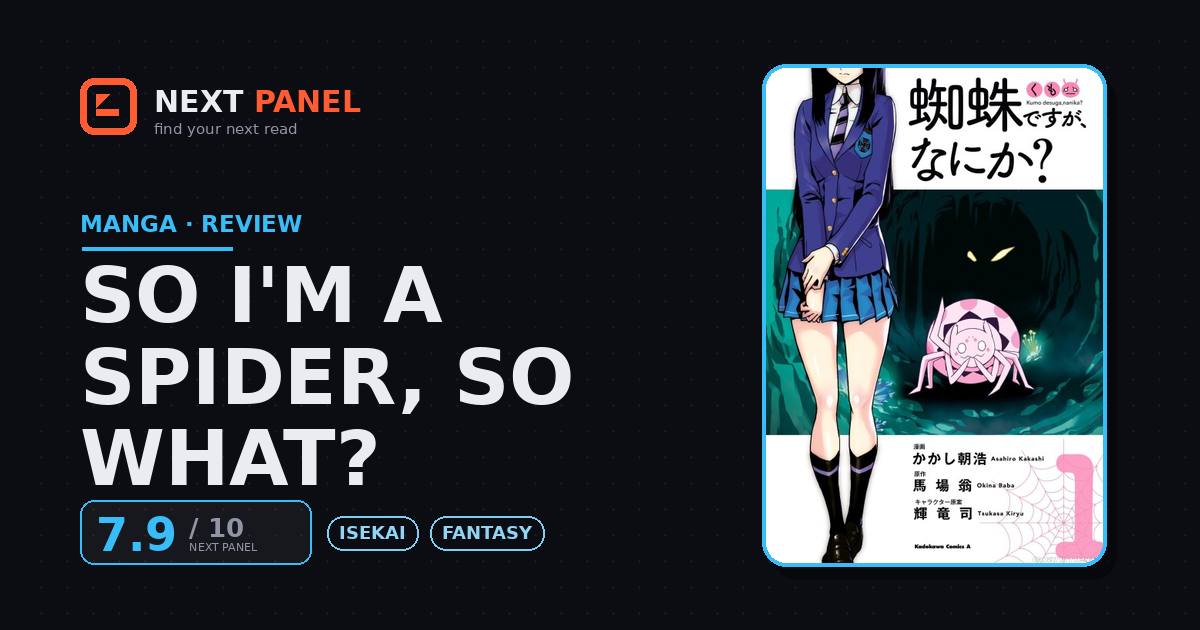
Another isekai where the lead is reborn as something inhuman and has to figure out survival from scratch.
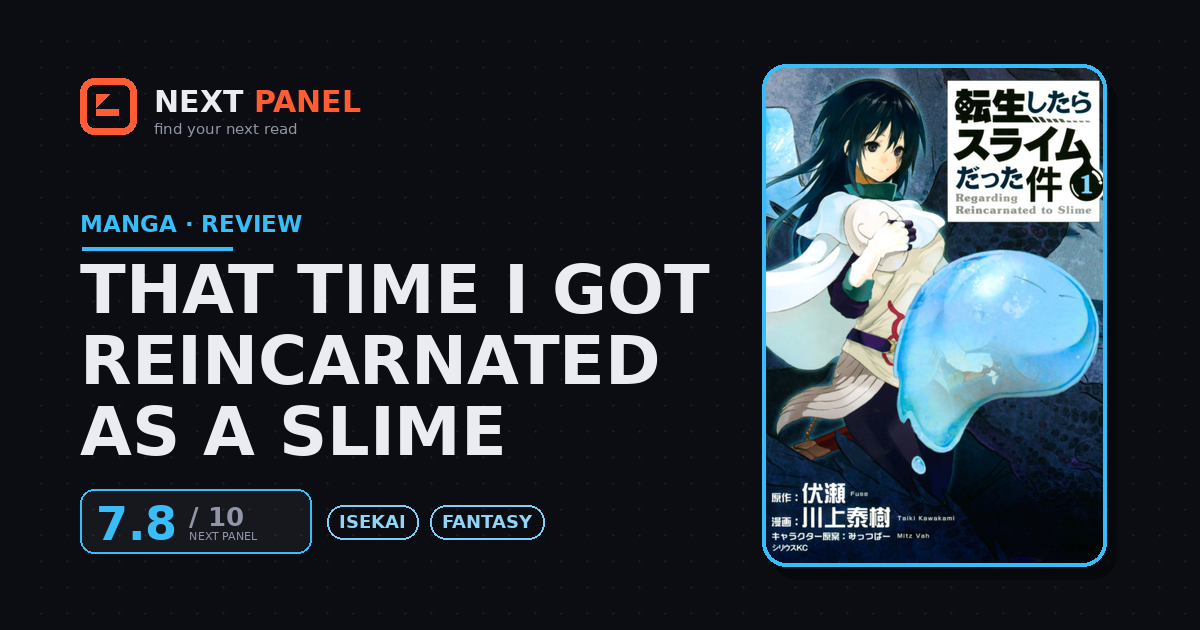
That Time I Got Reincarnated as a Slime
Same nonhuman-reincarnation hook, though this one leans more into empire-building than found-family.
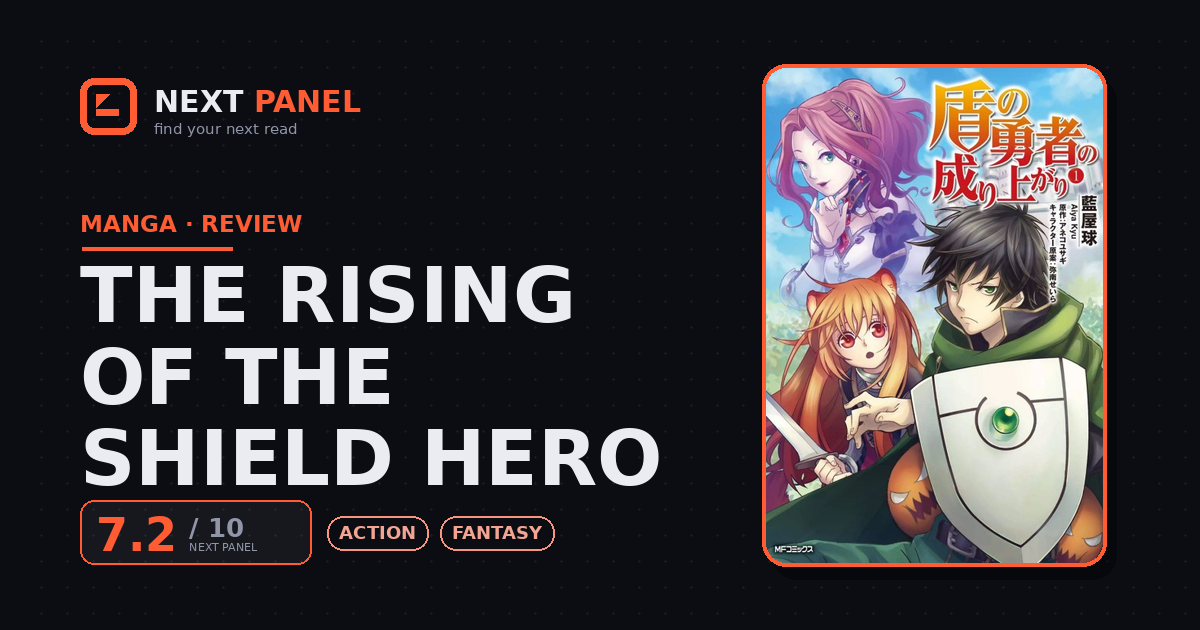
Another isekai built around an unglamorous, unconventional starting tool instead of an obvious hero weapon.
Where to Read Officially
| Platform | Format | Pricing | Region notes | Link |
|---|---|---|---|---|
| Seven Seas Entertainment | Print & digital volumes | Paid | Region availability varies | Open |
Frequently Asked Questions
Is Reincarnated as a Sword finished?
No, the manga is still ongoing, adapting a light novel series that's also still running.
Do I need to read the light novel first?
No, the manga tells a complete story on its own, though it moves through events a bit faster.
Is there romance in Reincarnated as a Sword?
Not really — the core relationship is the found-family bond between Fran and the sword, not a romantic pairing.