Is Touch Worth Reading? Review & Where to Read
Quick Answer
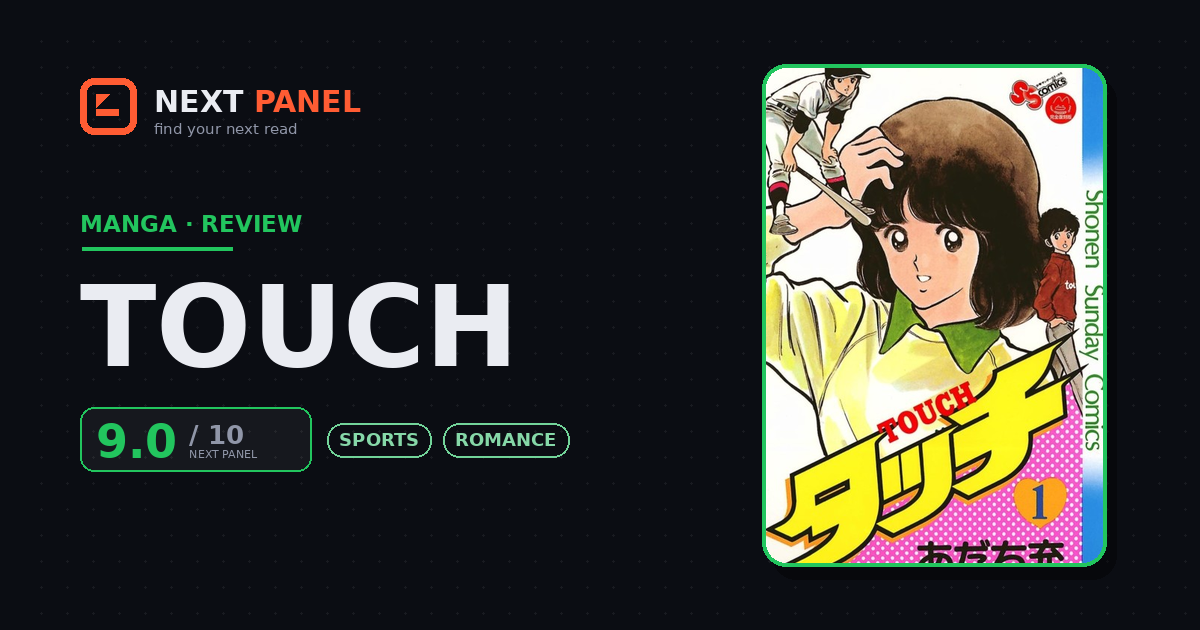
Yes, especially if you want to see where a huge amount of character-driven sports manga got its template. It follows twin brothers and their childhood friend through high school baseball, and a shocking mid-series turn changes the whole shape of the story. It's slower and quieter than modern sports manga, but the payoff is real.
Quick Verdict
“Adachi tells a bigger story than 'will they win the game' here, and the quiet, understated way he does it is still the series' whole appeal.”
Best for: Readers who want a character-driven slow burn where the sports and the romance carry equal weight.
Not for: Readers who want fast pacing and high-intensity game action from the first chapter.
- Type
- Manga
- Genres
- Romance, Drama, Sports
- Status
- Completed
- This review
- Minor Spoilers
- Author
- Mitsuru Adachi
- Publisher
- Shogakukan
| Quick facts | |
|---|---|
| Format | Manga (shōnen), 257 chapters, 26 volumes |
| Run | 1981–1986 · completed |
| Community score | AniList 8.1 · MangaUpdates 8.5 |
| Content | Character death, some fanservice-style comedy |
Overview
Touch ran in Weekly Shōnen Sunday from 1981 to 1986 and sold over 100 million copies, making it one of the best-selling manga ever published. Mitsuru Adachi built it around three childhood friends: twin brothers Tatsuya and Kazuya Uesugi, and Minami Asakura, the girl next door both brothers grew up loving. Kazuya is the driven one, chasing a childhood promise to take Minami to the national high school baseball tournament at Koshien. Tatsuya is naturally just as talented, maybe more, but he's spent years quietly stepping back so his brother can shine. That setup looks like a standard sports-and-romance triangle for a while. Then partway through the series, Adachi breaks it in a way that reshapes everything that comes after.
What it does well
The structure is the whole trick. Touch spends its early volumes as an easygoing, comedic slice of high school life, and it uses that time to make you care about all three leads before the story turns serious. When the turn comes, it's genuinely shocking, and it forces Tatsuya out of the passive role he'd settled into. Watching him pick up his brother's ambition, and slowly discover he wants it for himself too, not just out of obligation, is the real engine of the manga.
What makes it work is Adachi's restraint. He doesn't lean on big dramatic speeches or crying panels to sell the emotional beats. A lot of the most affecting moments happen in silence, a held shot, a small gesture, a joke that doesn't quite land the way it used to. That understatement is Adachi's signature, and it's a big reason Touch still reads as more mature than plenty of sports manga that followed it. The baseball itself is treated the same way: games matter because of what they mean to the people playing them, not because of who's objectively the better pitcher.
Where it falls short
The pacing asks for patience. The early volumes are episodic and comedic in a way that can meander, and even after the story sharpens up, some rival-team arcs get more real estate than they earn. The humor and character designs are unmistakably early-'80s, exaggerated reactions, dated gags, and readers used to tighter modern serialization may find some stretches slower than they'd like. None of that undoes what the series is going for, but it does mean Touch rewards patience more than it grabs you immediately.
Verdict
Touch earns its reputation as a genre landmark by doing less than you'd expect at any given moment and trusting that to add up. If you want to see where the character-first approach to sports manga actually started, this is close to the source, and the mid-series turn still hits as hard as its legacy suggests.
Strengths & Weaknesses
Strengths
- The Tatsuya/Kazuya/Minami setup looks like a simple love triangle at first, then the story does something with it that changes everything that follows.
- Adachi's low-key, deadpan storytelling style handles huge emotional moments without ever turning melodramatic.
- Tatsuya's arc from a talented slacker coasting in his brother's shadow to someone with his own drive is genuinely earned, not rushed.
- It set the template a lot of later sports manga still follow: the game matters less than what it means to the people playing it.
Weaknesses
- The pacing is slow and meandering by modern standards, especially in the earlier, more episodic chapters.
- The comedy and art style are clearly products of the early '80s and can feel dated next to newer manga.
- Some side arcs and rival teams get a lot of chapter time without adding much to the main story.
Similar Titles
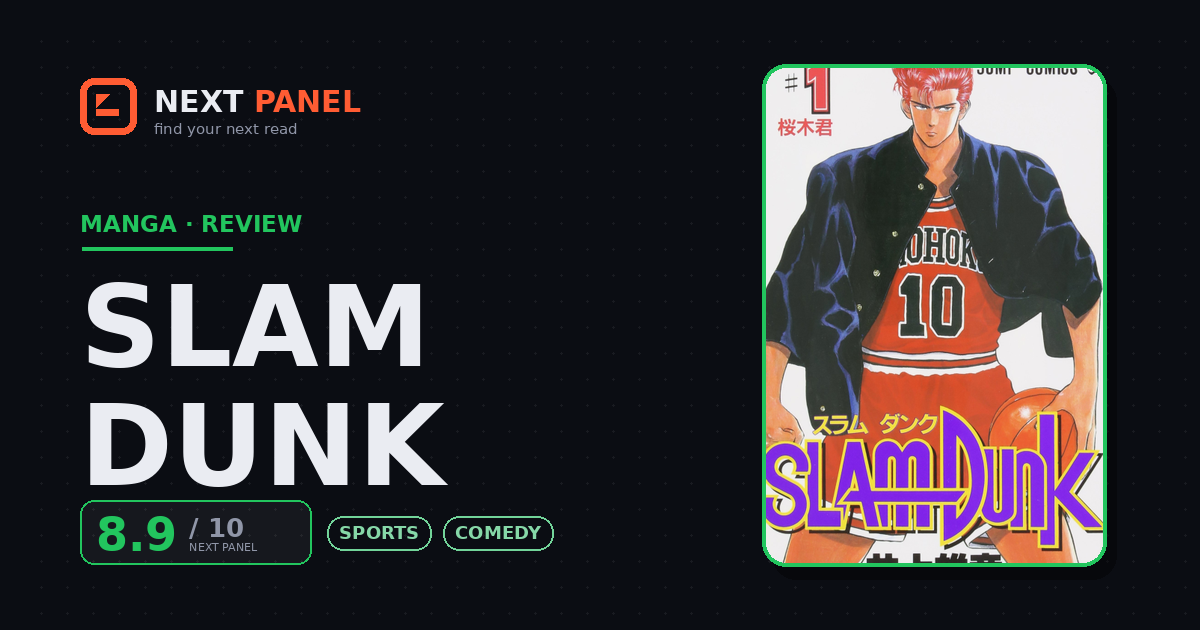
A later series by the same creator, covering very similar emotional ground with an even more restrained style.
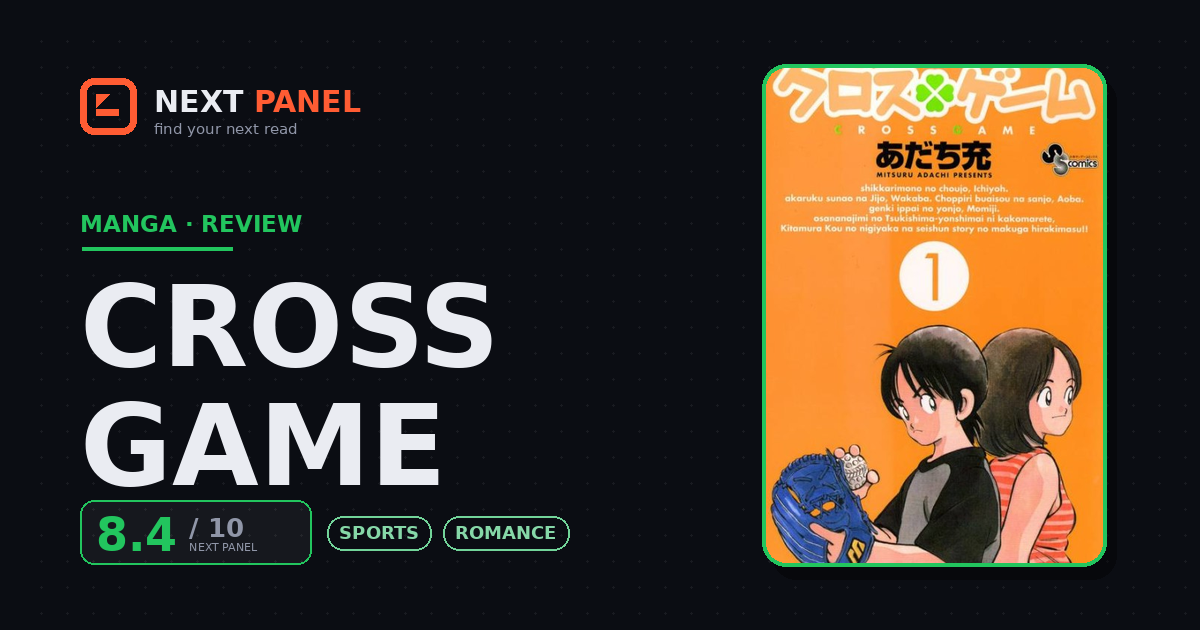
Another all-time sports classic that balances the game itself with real character growth.
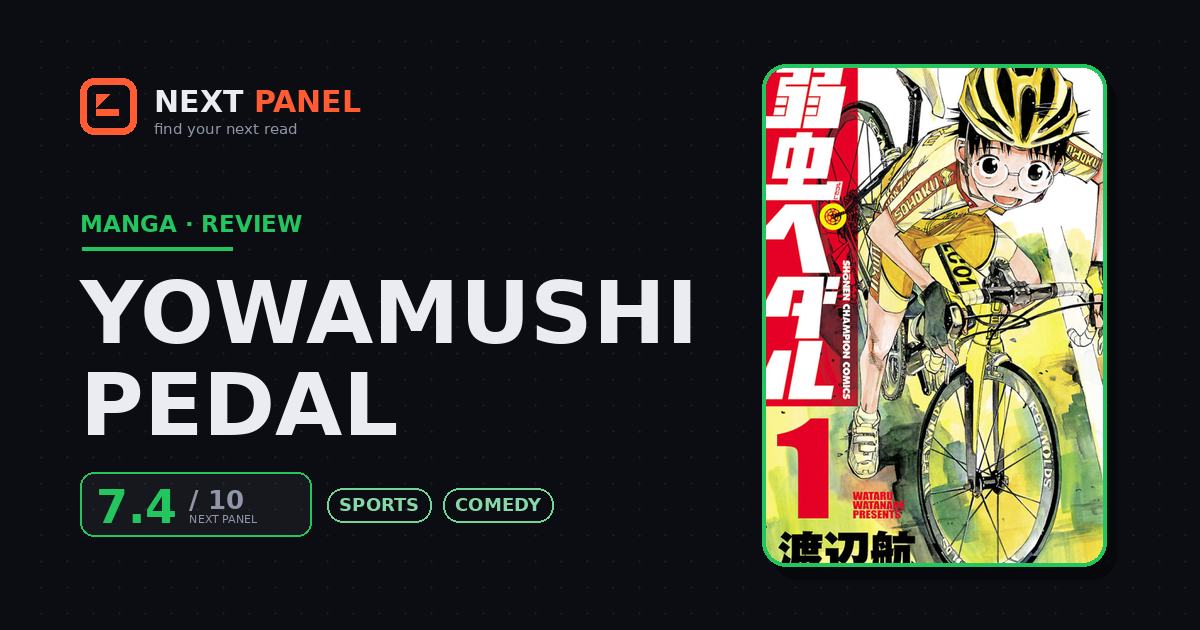
A different sport and a lighter tone, but the same focus on personal growth driving the competition.
Frequently Asked Questions
Is there an official English release?
Not currently as a licensed print or digital edition, despite the series being one of the best-selling manga of all time in Japan. We'll update this review if that changes.
Do I need to watch the anime instead?
No — the manga is the original and complete version of the story. The anime is a faithful, well-regarded adaptation, but the manga doesn't require it.
Is this mostly a sports manga or a romance?
Both, in roughly equal measure. The baseball drives the plot, but the relationship between Tatsuya, Kazuya, and Minami is just as central to the story.