Is Urusei Yatsura Worth Reading? Review & Where to Read
Quick Answer
If you want to see where a huge chunk of harem-comedy manga actually started, yes. It's genuinely funny in long stretches and Lum is a legitimately great comic character, but the story barely moves for nine years of chapters, so go in treating it as an episodic comfort read rather than something building to a destination.
Quick Verdict
“Takahashi basically invented the modern harem comedy here, and the jokes still mostly land — just don't expect the story to go anywhere.”
Best for: Readers who want fast, character-driven gag comedy and don't mind a series that never really moves forward.
Not for: Readers who want ongoing plot momentum and character growth from one arc to the next.
- Type
- Manga
- Genres
- Romance, Sci-Fi, Comedy
- Status
- Completed
- This review
- Minor Spoilers
- Author
- Rumiko Takahashi
- Publisher
- VIZ Media
- Platform
- VIZ Media
| Quick facts | |
|---|---|
| Format | Manga (shōnen), 366 chapters, 34 volumes |
| Run | 1978–1987 · completed |
| Community score | AniList 7.6 · MangaUpdates 7.8 |
| Content | Fanservice/ecchi comedy, slapstick violence |
| Where to read | VIZ Media — official |
Overview
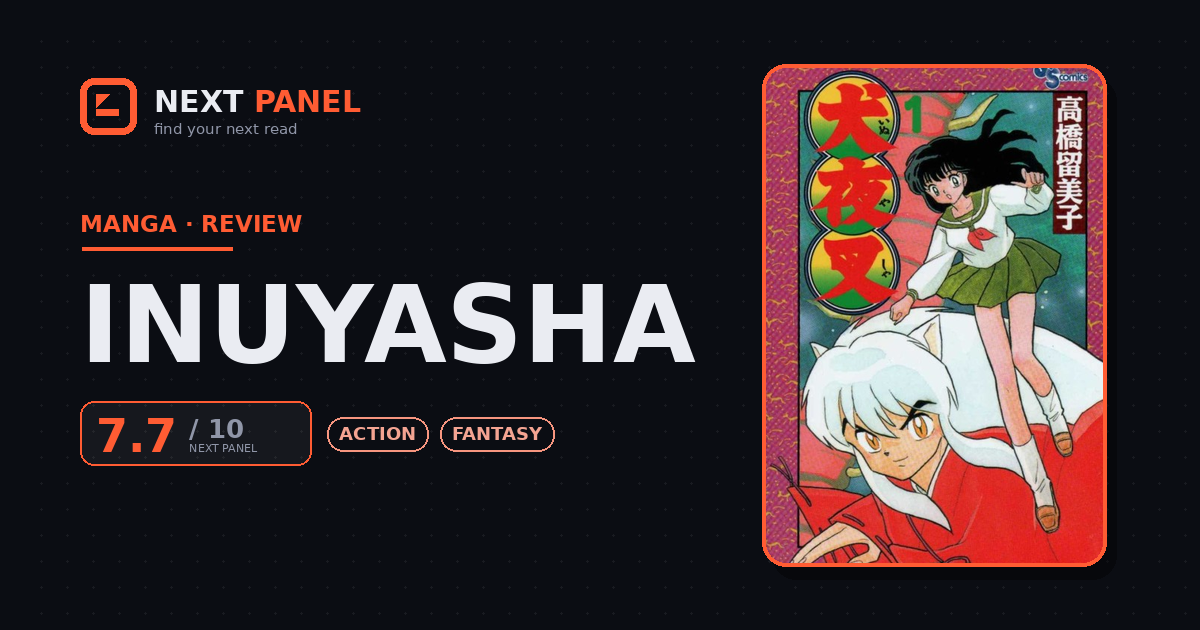
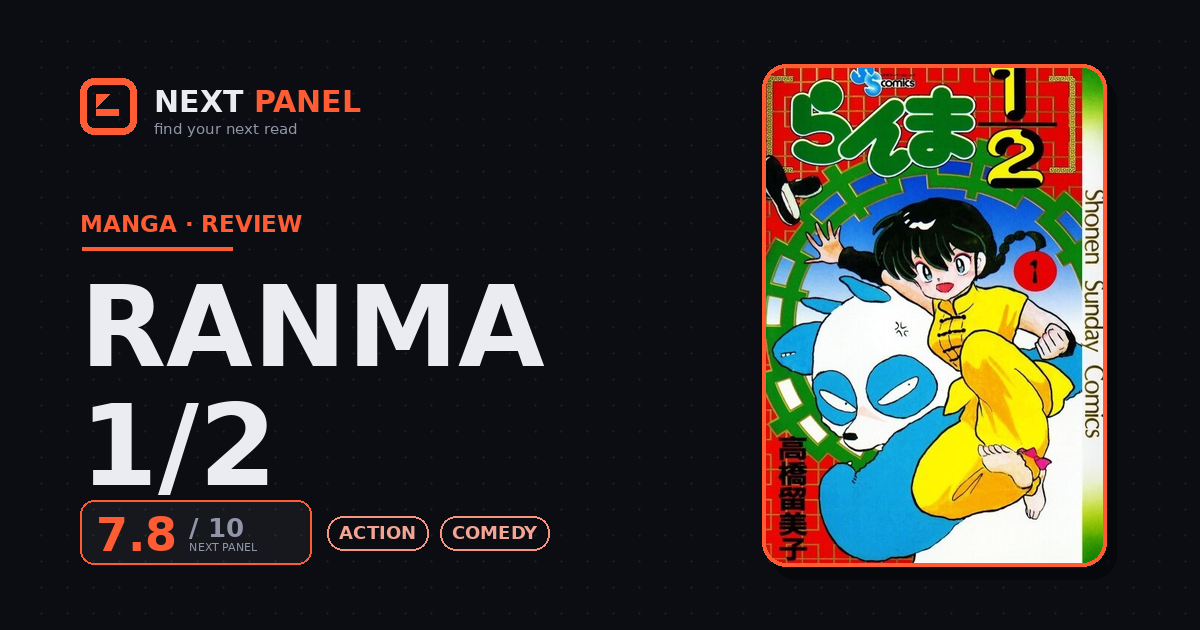
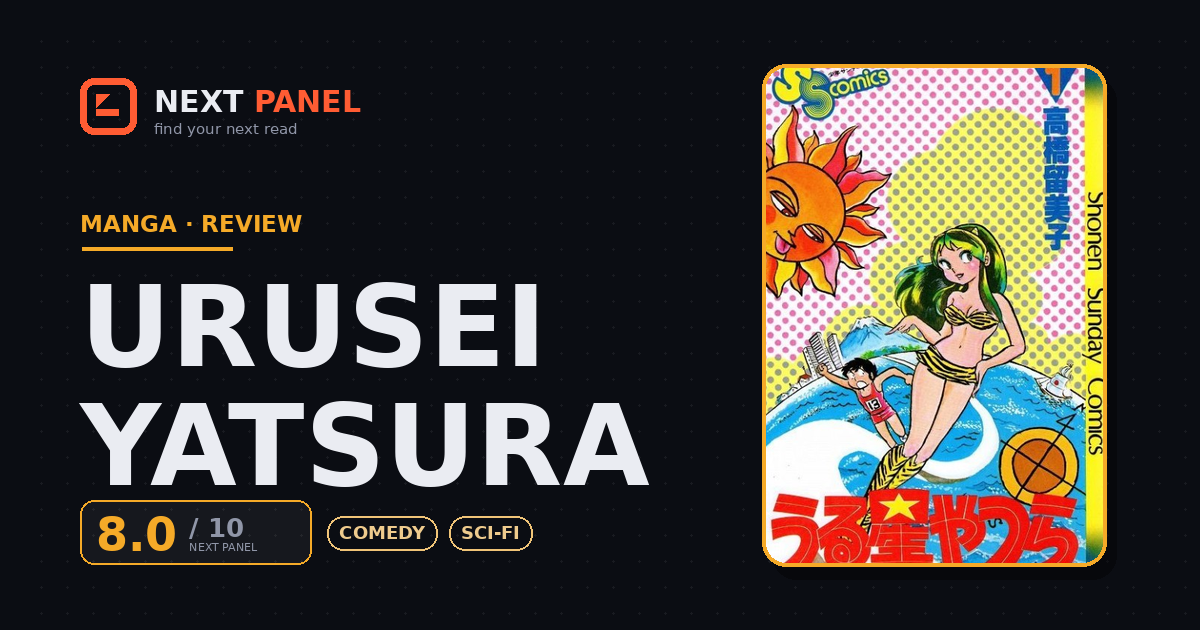
Urusei Yatsura was Rumiko Takahashi's first hit, running in Weekly Shōnen Sunday from 1978 to 1987, years before she made Ranma 1/2 and Inuyasha. The setup is pure gag-manga logic: Earth is about to be invaded by aliens, so humanity's fate comes down to one game of tag between an alien princess named Lum and the single unluckiest, most lecherous teenager on the planet, Ataru Moroboshi. Ataru wins, but in the chaos of celebrating he accidentally says something Lum takes as a marriage proposal. She moves in, considers herself his fiancée, and the series spends the next decade following the fallout — Ataru still chasing every woman in town, Lum electrocuting him for it, and an ever-growing cast of aliens, rivals, and neighborhood weirdos piling into his life.
What it does well
This is Takahashi finding her voice as a comedy writer, and it's still funny. The gag construction is sharp — jokes build off character instead of random weirdness, and Ataru's total lack of self-improvement, he never learns, never changes, never stops chasing skirts, becomes the engine of the comedy instead of a flaw the story has to work around. Lum herself is the real reason the series became a phenomenon: jealous, over-the-top, physically dangerous when provoked, but never played as a pushover, and her design and catchphrases became genuinely iconic in Japan.
The cast keeps expanding without losing steam. New characters show up almost every arc, Mendou, Ten, Ryunosuke, Ryoko, and most of them get their own recurring gag logic rather than fading into background noise. And because the plot resets constantly, there's barely any ongoing story to track, you can dip in almost anywhere and still follow what's happening, which makes it an easy, low-commitment long-runner to binge in chunks.
Where it falls short
The episodic structure is also the catch. Nothing really progresses. Ataru doesn't grow, the Ataru/Lum dynamic doesn't meaningfully shift for most of the run, and after a few hundred chapters the new-woman-shows-up-chaos-ensues-reset formula can feel like it's spinning its wheels. The comedy also leans hard on fanservice gags, torn clothes, compromising positions, that were standard for the era but read as pretty dated now, and some of the humor around Ataru's constant harassment of the women around him hasn't aged the way the rest of the series has.
Verdict
If you want to see where a huge chunk of harem-comedy manga actually started, this is the source. It's genuinely funny in long stretches, but go in knowing it's a product of 1978 and treat it as a comfort binge rather than a story with a destination.
Strengths & Weaknesses
Strengths
- The comedy is built on character, not randomness — Ataru's total refusal to change is the engine of the humor instead of a flaw.
- Lum is a genuinely great comic character: possessive, dangerous, funny, and never a pushover, which is why she became the breakout star.
- New characters keep showing up with their own solid gag logic instead of fading into filler.
- You can jump in almost anywhere since there's barely any ongoing plot to catch up on.
Weaknesses
- The formula repeats a lot — new girl, chaos, reset — and a few hundred chapters in, it can feel like it's stalling.
- A lot of the comedy leans on torn-clothes fanservice gags that were standard for 1978 but read as dated now.
- Ataru's constant harassment of the women around him is played for laughs in a way that hasn't aged evenly.
Similar Titles
Where to Read Officially
| Platform | Format | Pricing | Region notes | Link |
|---|---|---|---|---|
| VIZ Media | Digital chapters | Print & digital volumes | Paid | Region availability varies | Open |
Frequently Asked Questions
Do I need to watch the anime first?
No. The manga came first, and the various anime adaptations (including the 2022 reboot) all draw from it — you can start with the source material directly.
Is this connected to Ranma 1/2 or Inuyasha?
Not in story — they're separate series by the same creator, Rumiko Takahashi. Urusei Yatsura just came first and set up a lot of the comedic style she reused later.
Does the story ever really resolve?
There's a loose endgame around Ataru and Lum's relationship by the finale, but most of the run is episodic gag chapters rather than a serialized plot building toward it.