Is Video Girl Ai Worth Reading? Review & Where to Read
Quick Answer
Yes, especially if you want to see where a lot of modern rom-com tropes came from. It's dated in places, but the central romance still lands.
Quick Verdict
“It's the blueprint a lot of later harem rom-coms borrowed from, and the original still hits harder than most of its imitators.”
Best for: Readers curious about the roots of the modern rom-com harem genre, or who want a sincere, occasionally goofy love story with real emotional stakes.
Not for: Readers who want a story free of dated fan-service conventions or a fast-moving, low-commitment read.
- Type
- Manga
- Genres
- Romance, Comedy
- Status
- Completed
- This review
- Minor Spoilers
- Author
- Masakazu Katsura
- Publisher
- Shueisha
- Platform
- VIZ Media
| Quick facts | |
|---|---|
| Format | Manga (shōnen), 15 volumes |
| Run | 1989–1992 · completed |
| Content | Fan service |
| Where to read | VIZ Media — official |
Overview
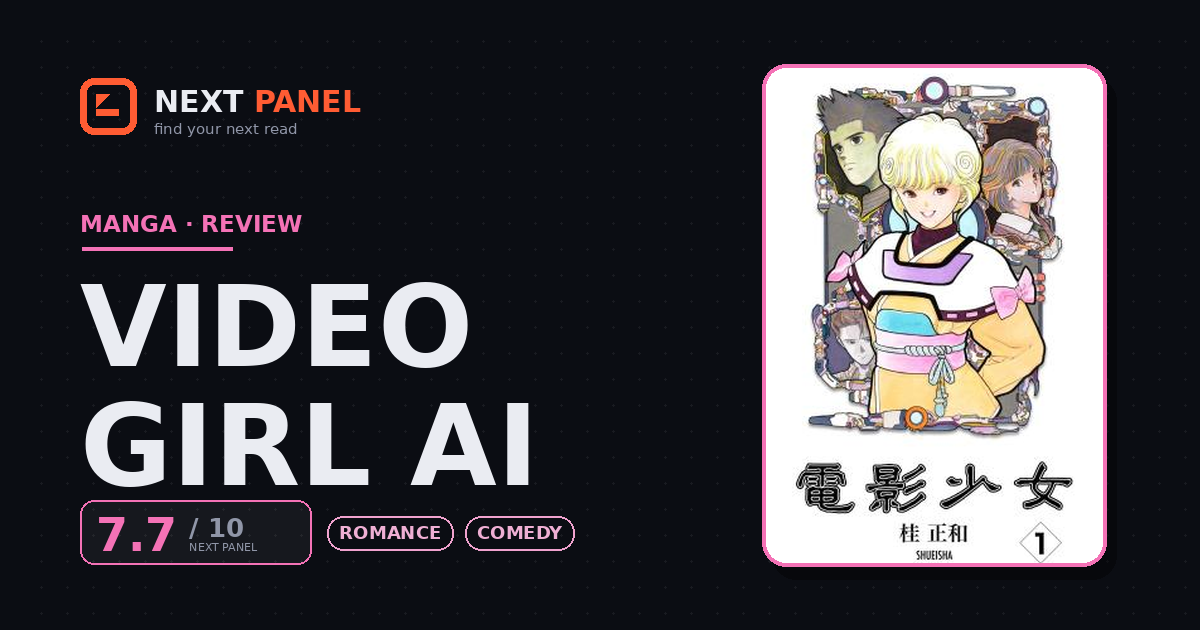
Youta Moteuchi is nursing a bad breakup when he rents what he thinks is an ordinary cheer-up video from a mysterious rental shop. Instead, the tape malfunctions and a girl named Ai climbs directly out of his TV — a "video girl" whose job was supposed to be delivering a scripted pep talk, not sticking around. Because of the malfunction, Ai can't go back the way she came, and Video Girl Ai spends its run following what happens when a character built for one specific purpose has to figure out what she actually wants instead.
Masakazu Katsura wrote and drew this between 1989 and 1992, and it's since become one of the clearest ancestors of the modern harem rom-com — a lot of tropes that feel standard now (the love triangle, the supernatural girl who enters the protagonist's ordinary life, the malfunctioning-magic-object hook) either originate here or were popularized by it.
What it does well
Ai is the reason this still holds up. She could have stayed a gimmick — a video character glitching into the real world — but Katsura gives her real stakes and a clear arc of her own, and the story treats her interiority as seriously as Youta's. That's not a given for the genre even now, let alone in 1989, and it's a big part of why the central romance still lands rather than reading as a wish-fulfillment setup.
The emotional core is more sincere than the premise suggests. Youta's heartbreak isn't played only for laughs, and the story is willing to let its characters actually get hurt by the situation rather than smoothing everything over. Katsura's art is the other major draw — clean, expressive linework that's aged better than a lot of its late-80s contemporaries, and it's easy to see its fingerprints on the shonen rom-com artists who came after him. And crucially, the ending doesn't cop out; it commits to the emotional logic the story built, which retroactively makes the whole build-up feel earned.
Where it falls short
The fan service is a real product of its era and magazine, and it shows up often enough that it'll be a bigger hurdle for some readers than others — it hasn't aged nearly as gracefully as the central relationship has. The supporting cast leans heavily on generating love-triangle friction rather than existing as people with their own goals, which was common for the genre at the time but reads thinner now.
The sci-fi hook — video girls, malfunctioning rental tapes, a whole implied system behind Ai's existence — also gets less attention as the story goes on. It's mostly a launching pad for the romance rather than something the manga keeps building out, so readers hoping for more world-building around the premise will be a little disappointed.
Verdict
Video Girl Ai is a genre foundation stone that's still worth reading on its own terms, not just for the history lesson. The central romance has real teeth, Ai is a genuinely well-drawn character, and the ending pays off what the story sets up — dated fan service and all, it's earned its status as a classic.
Strengths & Weaknesses
Strengths
- Ai herself is a genuinely well-written character — she starts as a malfunctioning gimmick and grows into someone with her own stakes and interiority, not just a prize for the male lead.
- The central romance takes real emotional risks; Youta's heartbreak and Ai's own complicated situation are treated with more sincerity than the premise's goofy hook suggests.
- Katsura's art is a big part of the appeal — clean, expressive character work that holds up well decades later and clearly influenced a generation of shonen romance artists.
- The story commits to an ending that doesn't take the easy way out, which gives the whole build-up real weight in hindsight.
Weaknesses
- The fan service is frequent and very much a product of its late-80s/early-90s shonen magazine origins — it hasn't aged as gracefully as the central relationship has.
- Several side characters exist mainly to generate love-triangle friction rather than to matter in their own right.
- The sci-fi premise (video girls, malfunctioning tapes) gets less attention as the story goes on and mostly fades into the background once the romance takes over.
Similar Titles
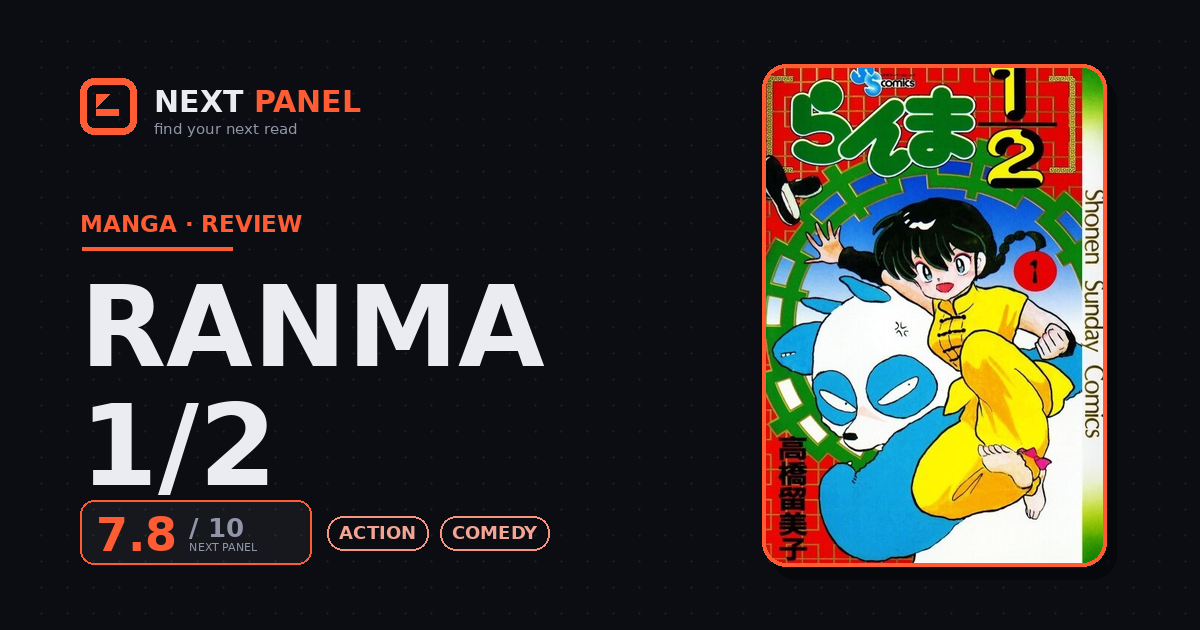
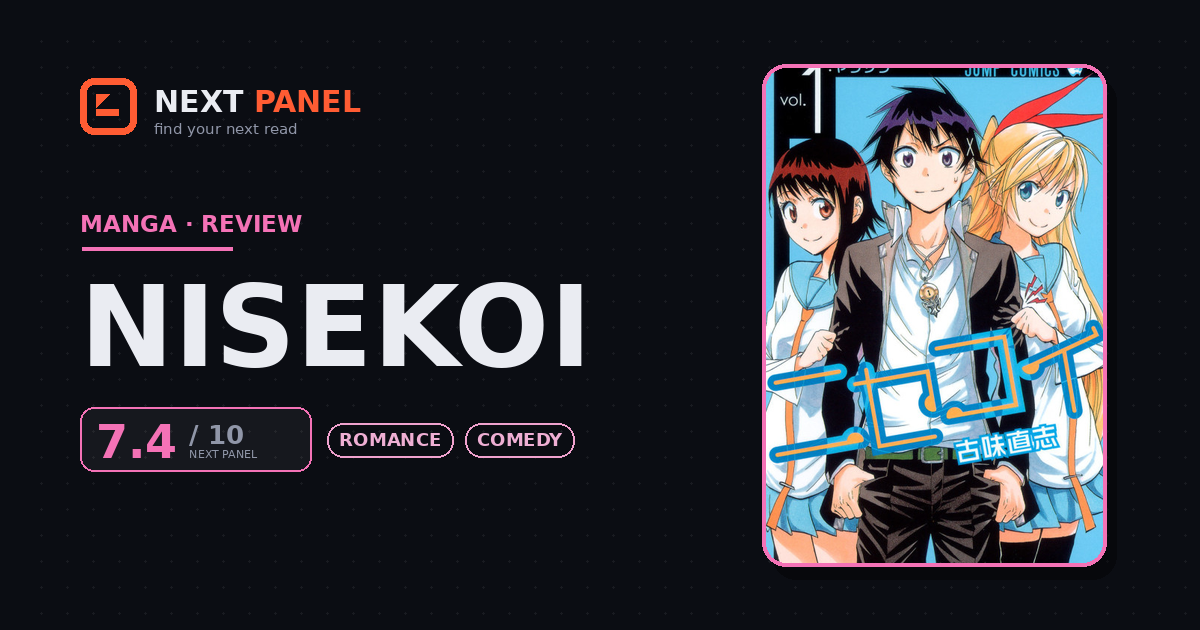
Shares the tangled, comedic love-triangle rom-com structure Video Girl Ai helped popularize.
Same era and tone of gag-heavy romantic comedy with real feeling underneath.
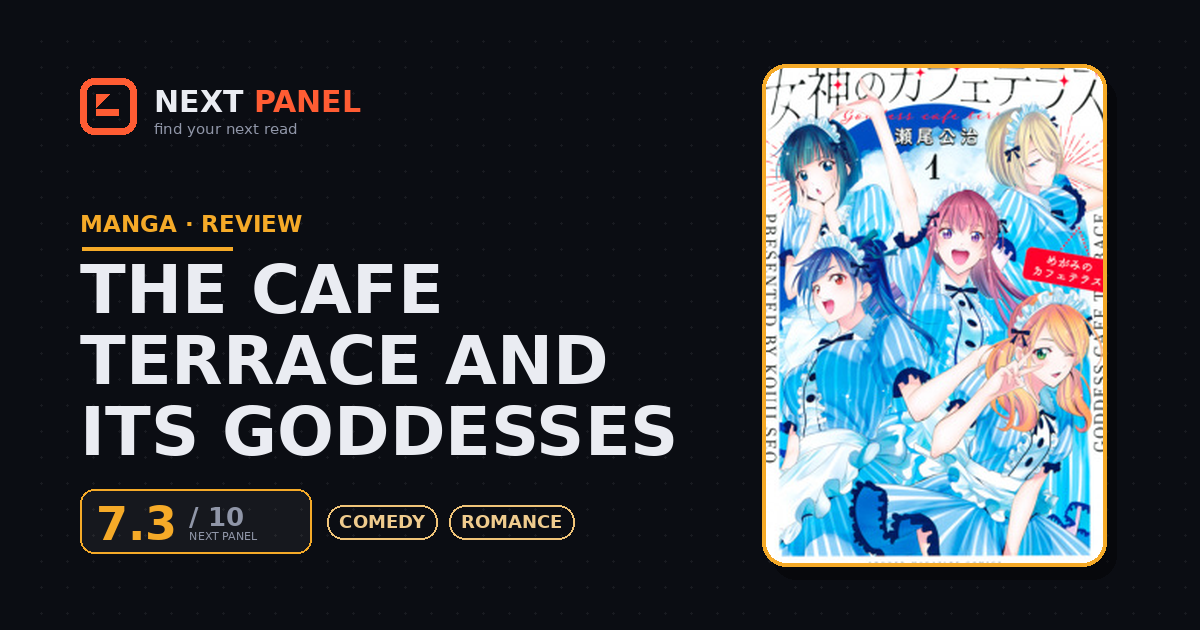
The Cafe Terrace and Its Goddesses
A modern rom-com clearly working in the tradition this series helped establish.
Where to Read Officially
| Platform | Format | Pricing | Region notes | Link |
|---|---|---|---|---|
| VIZ Media | Print volumes | Paid | Region availability varies | Open |
Frequently Asked Questions
Is Video Girl Ai finished?
Yes. It ran for 15 volumes from 1989 to 1992 and is complete.
Where can I read Video Girl Ai in English?
VIZ Media published all 15 volumes in English between 2004 and 2006. It's a print-only release with no official digital edition, so secondhand and library copies are the most reliable way to find the full set.
Is Video Girl Ai connected to Katsura's other work?
No, it's a standalone story, though fans of Video Girl Ai's art and rom-com sensibility often go on to Katsura's later series like Zetman.