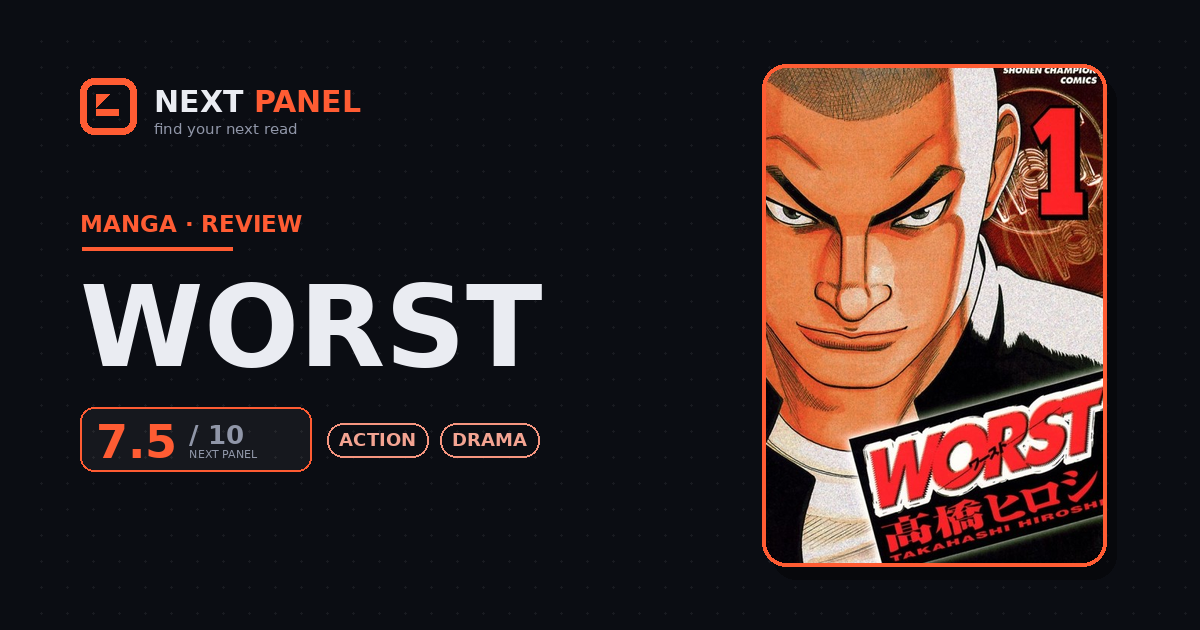
Is Worst Worth Reading? Review & Where to Read
Quick Answer
Yes, if you want a straightforward, no-frills delinquent saga with real scale. Don't expect character growth or a wide emotional range — this is about gang politics and fights, and it commits to that fully.
Quick Verdict
“Thirty-three volumes of the same basic fight, told with just enough escalating stakes to keep it from feeling repetitive — a genre exercise done about as well as the genre allows.”
Best for: Readers who want an all-in delinquent power struggle without any romance subplot diluting it.
Not for: Readers who want character development, a female cast, or fights that get more technical as the story goes.
- Type
- Manga
- Genres
- Drama, Action
- Status
- Completed
- This review
- Minor Spoilers
- Author
- Hiroshi Takahashi
- Publisher
- Akita Shoten
| Quick facts | |
|---|---|
| Format | Manga (shōnen), 131 chapters, 33 volumes |
| Run | 2001–2013 · completed |
| Community score | AniList 7.9 · MangaUpdates 8.1 |
| Content | Frequent graphic violence, gang conflict |
Overview
Worst picks up the Crows lineage and runs it further: at the all-boys Suzuran High, Hana Tsukishima works his way up through a strict, honor-bound hierarchy of delinquents, fighting rival gangs and neighboring schools on his way to the top. There's no supernatural twist, no tournament arc structure, and almost no world outside the fighting — this is a manga entirely about who can take a beating and keep coming back, and it never pretends to be anything else.
Over 33 volumes, the scope widens from school-level turf disputes into a genuinely sprawling gang-war epic, with new factions, alliances, and rivals entering as Hana's reputation grows. It's dense with characters, but Takahashi keeps the politics readable even as the cast balloons.
What it does well
The core appeal is straightforward and well executed: this is a story about earning respect through persistence, and Hana works as a lead because he's not built as a prodigy. He gets hurt, he loses fights, and he keeps going anyway, which gives the eventual payoffs a workmanlike satisfaction rather than a flashy one.
The scale is genuinely impressive by the later volumes. What starts as one delinquent trying to move up a school ranking expands into multi-school alliances and gang wars with real stakes, and Takahashi manages that growing cast without losing clarity — you always know who's fighting, why, and what it means for the larger hierarchy.
As a direct continuation of Crows, it also does right by that legacy: familiar faces and locations return without requiring the earlier series as homework, and the connections reward longtime readers without alienating new ones.
Where it falls short
The tradeoff for that focus is a narrow emotional range. Hana doesn't change much across three-plus decades of volumes — he's defined by loyalty and stubbornness from the start and stays that way, which keeps the story simple but leaves little room for real character development.
The fights themselves also don't evolve much. The same set of punches, kicks, and brawling tactics carry volume 1 and volume 30 alike, and readers looking for the kind of escalating technical complexity you get in more tournament-style action manga won't find it here.
And by design, there's essentially no world outside the gang hierarchy — no female characters of any consequence, no subplots outside the fighting. That's a deliberate choice that keeps the story focused, but it also means Worst has almost nothing to offer readers who want more than one note, however well that note is played.
Verdict
Worst is exactly what it sets out to be: a long, unglamorous delinquent saga about earning respect one fight at a time, with real scale and legible stakes. It doesn't ask for much beyond an appetite for that specific genre, but if you have one, it delivers on it for the full 33 volumes.
Strengths & Weaknesses
Strengths
- The scale of the gang politics grows in a way that feels earned — new schools, new rivals, and new alliances keep raising the stakes without the story ever losing track of who's fighting whom and why.
- Hana Tsukishima works well as a lead specifically because he's not flashy — his climb is built on persistence and loyalty rather than a sudden power-up, which fits the grounded tone.
- As a direct sequel to Crows, it expands the world in a way that rewards long-time readers of the franchise without requiring you to have read the original first.
- The fights stay legible even with a huge cast — Takahashi is good at making sure you always know who's winning and why, even in a mass brawl.
Weaknesses
- Character growth is minimal by design. Hana is essentially the same person on volume 30 that he was on volume 1, which keeps the story simple but limits how much it can do emotionally.
- The fights themselves don't get more technical or inventive as the series progresses — the same handful of moves carry the whole run, and that repetition is more noticeable over a long read.
- There are effectively no female characters and no world outside the gang hierarchy, which narrows the story's scope considerably; it's a strength for the specific thing this manga is trying to be, but it does mean the world feels thin.
Similar Titles
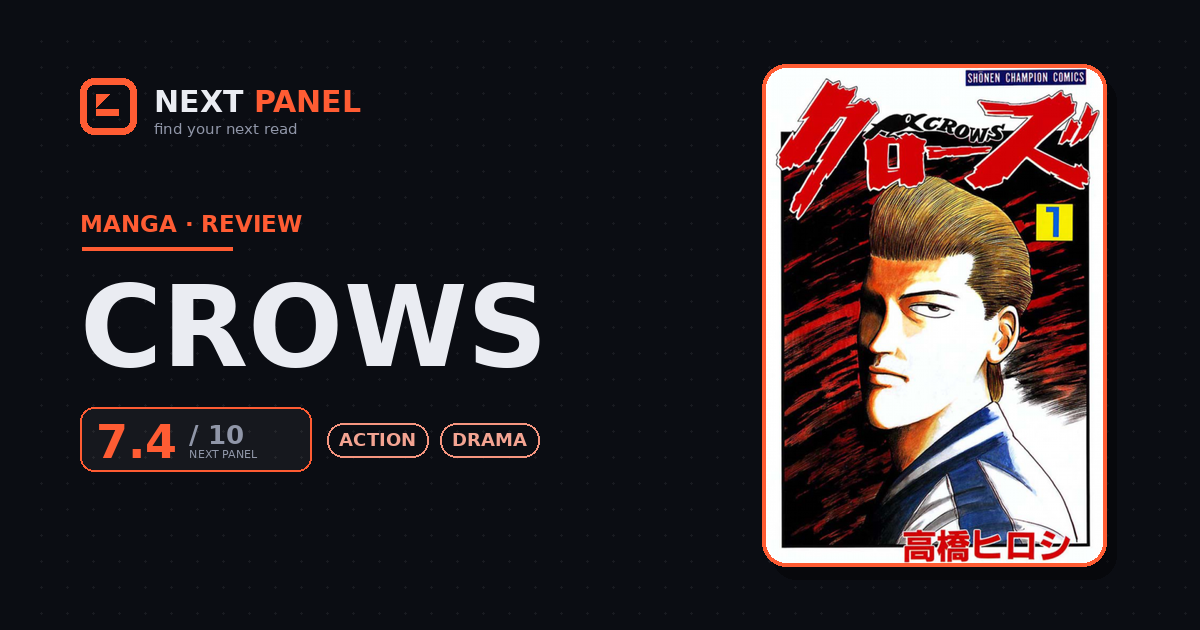
The prequel series this one continues from, set at the same school a generation earlier.
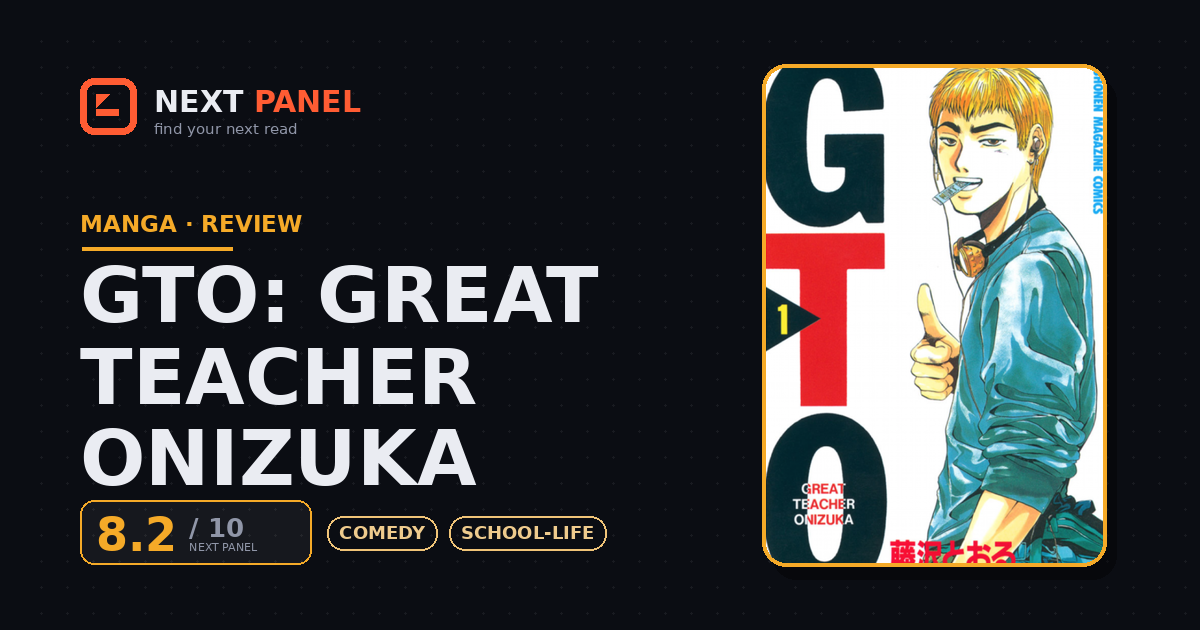
Another Suzuran-adjacent delinquent world, though far more comedic than this one.
Shares the gang-hierarchy structure and street-fighting focus, with more plot mechanics layered on top.
Frequently Asked Questions
Do I need to read Crows before Worst?
No, though it helps. Worst is a direct sequel and stands on its own, but Crows fans will recognize returning locations and references.
Is Worst finished?
Yes, the original run is complete at 33 volumes, and it's since spawned multiple side stories and a direct sequel, Dustland.
Is there an official English translation of Worst?
Not currently. A small English publisher released three volumes in the mid-2000s before dropping the series, so there's no active official release to point to right now.