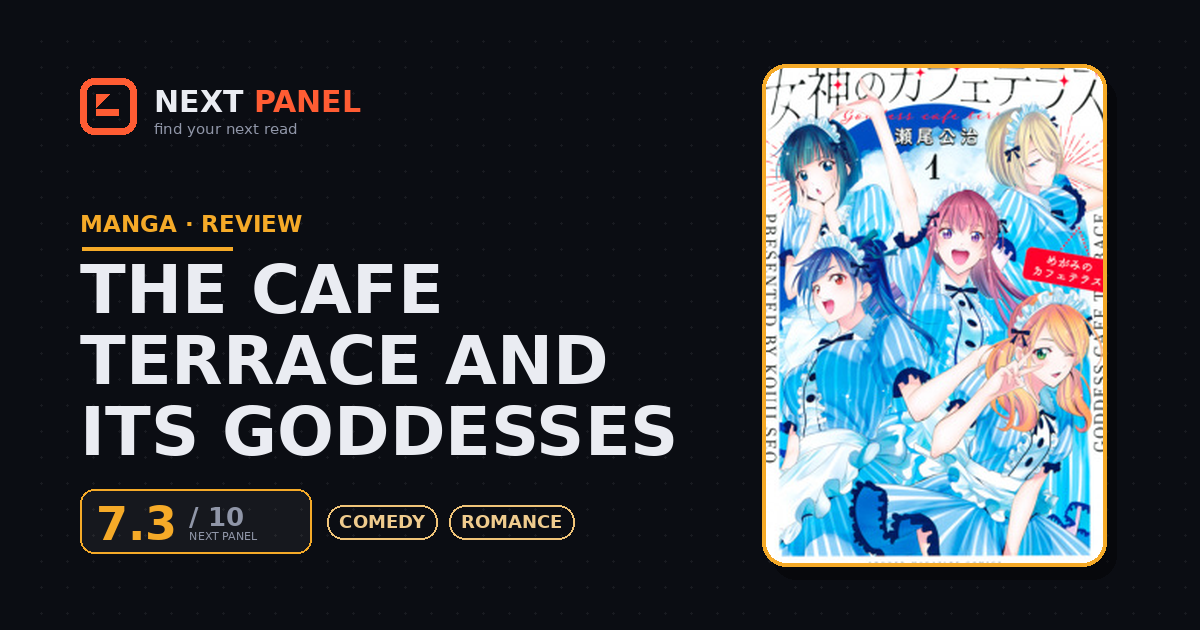
Manga7.3Completed
Is The Cafe Terrace and Its Goddesses Worth Reading?
Solid, formulaic harem rom-com where the character writing outperforms the premise, and one of the rare entries in the genre that actually sticks the landing.
Spoiler-light · Honestly rated
Every review labels its spoiler level, separates art from writing, and ends with an official way to read.
We use the whole 1–10 scale and judge each title against the best version of what it is trying to be — a comedy on how funny it is, a thriller on its tension — not against some other genre. As a rough guide: 9+ is all-time great, 8 excellent, 7 a solid recommendation with caveats, 5–6 mixed or average. A 7 is a genuine yes, not a knock. The “Community score” in each review is the crowd rating from AniList, MAL, and MangaUpdates, shown next to ours for comparison.
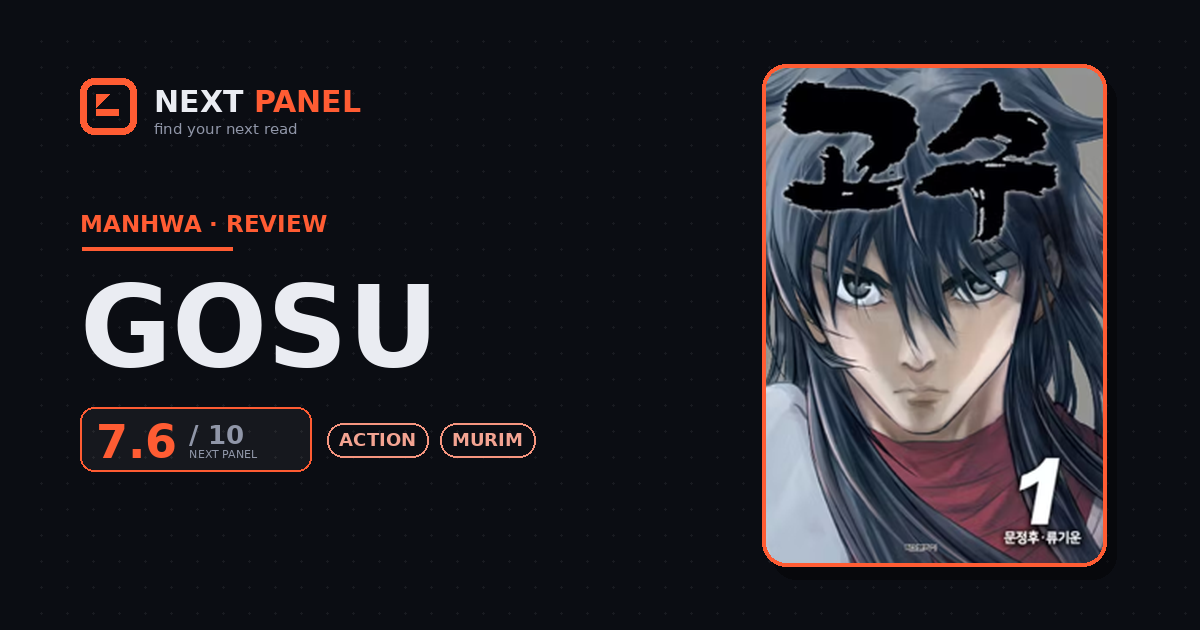
Having Gang Yong discover his targets are already dead turns a standard revenge quest into a mystery worth following for 200-plus chapters.

Splitting survival among four equally strong candidates, then sending back only the one who won a last stand, gives this regression story real scarcity most of its genre skips.

Five real years stuck at level 1 before his ability finally activates gives Kigyu's breakthrough far more weight than the usual overnight power spike.
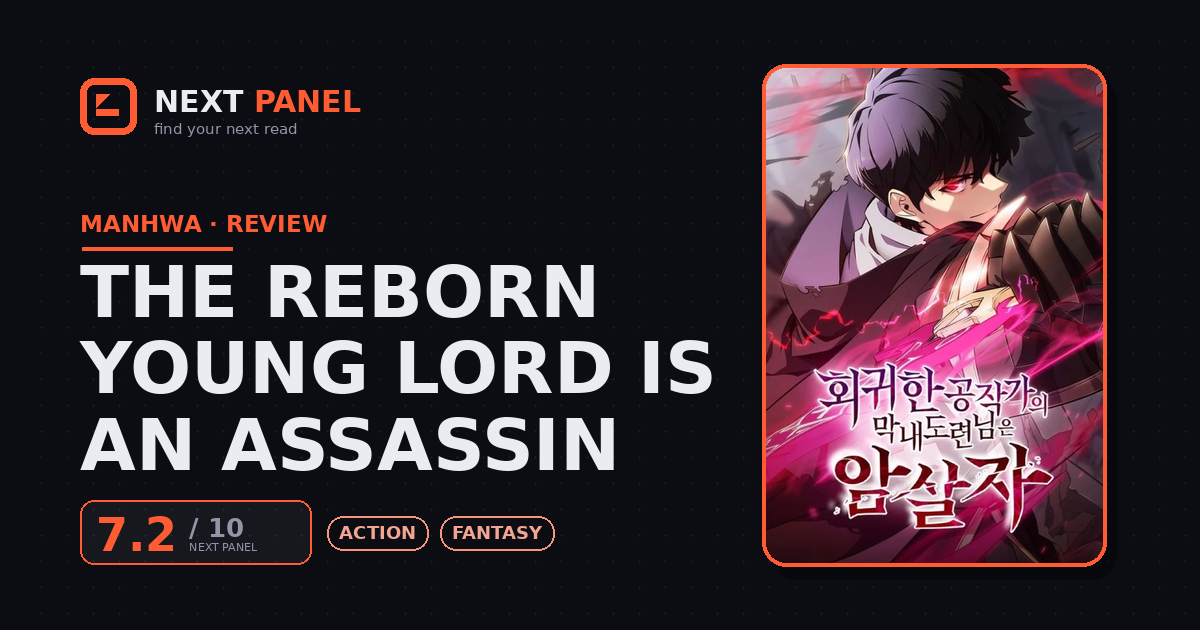
Keeping Cyan's assassin skills fully intact while he's reborn into a vulnerable child's body gives this power fantasy real tension underneath the setup.
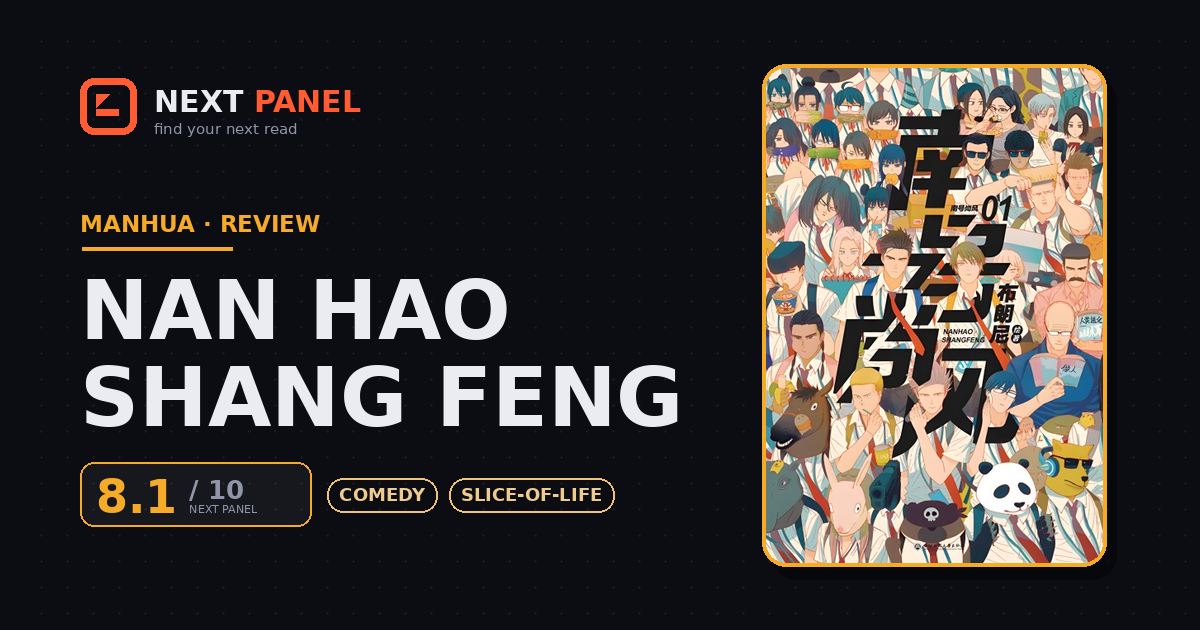
Underneath the running joke about a classmate who's convinced it's secretly romance is a genuinely vitriolic, prank-fueled friendship that carries the comedy.
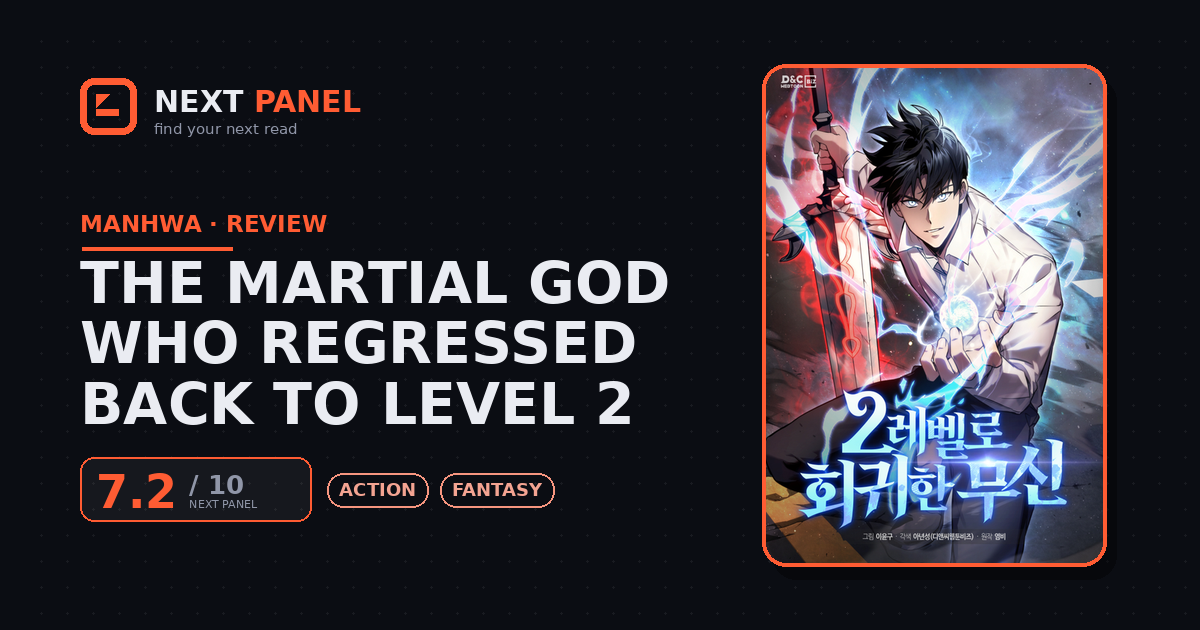
Resetting the sole survivor's level while keeping his memories intact gives this regression story a real rebuilding arc instead of an instant power fantasy.
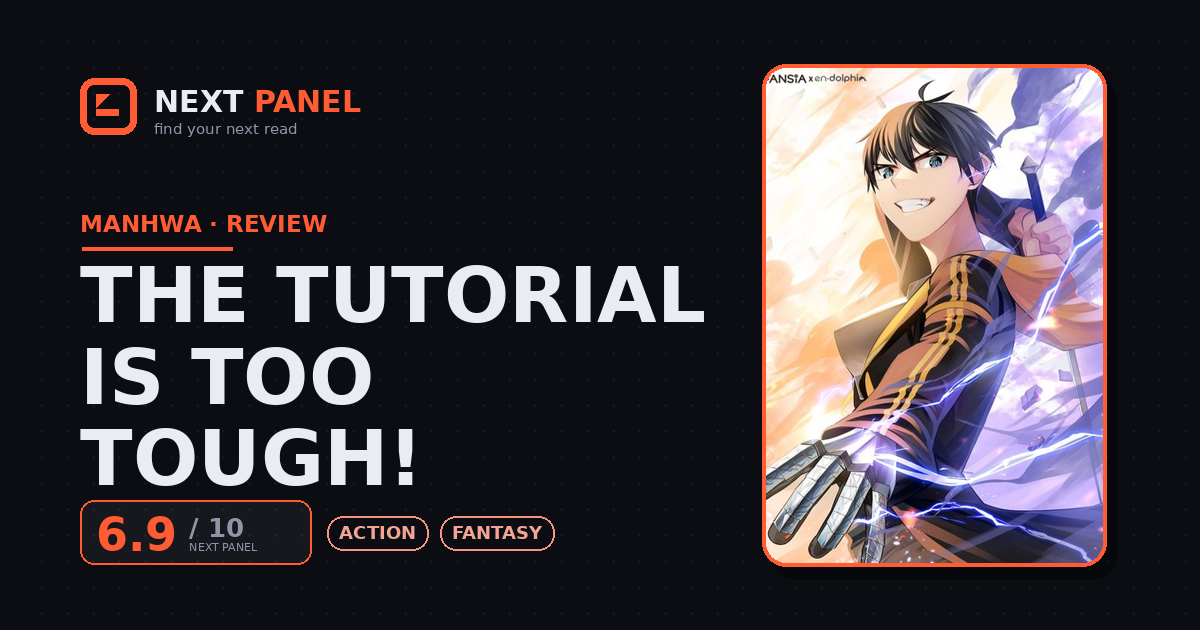
Picking hell difficulty out of overconfidence and then actually getting trapped there gives this survival manhwa a sharper irony than the usual forced-isekai hook.
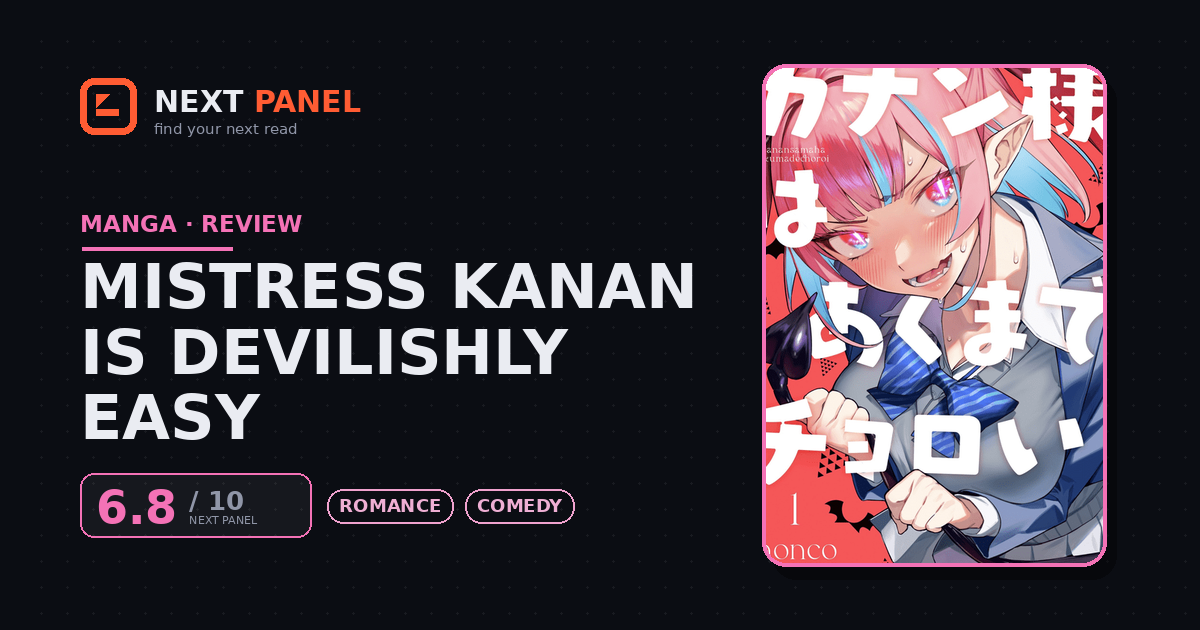
Making the demon the one who's hopeless at romance, not the human she's supposed to be devouring, flips this rom-com's usual power dynamic.
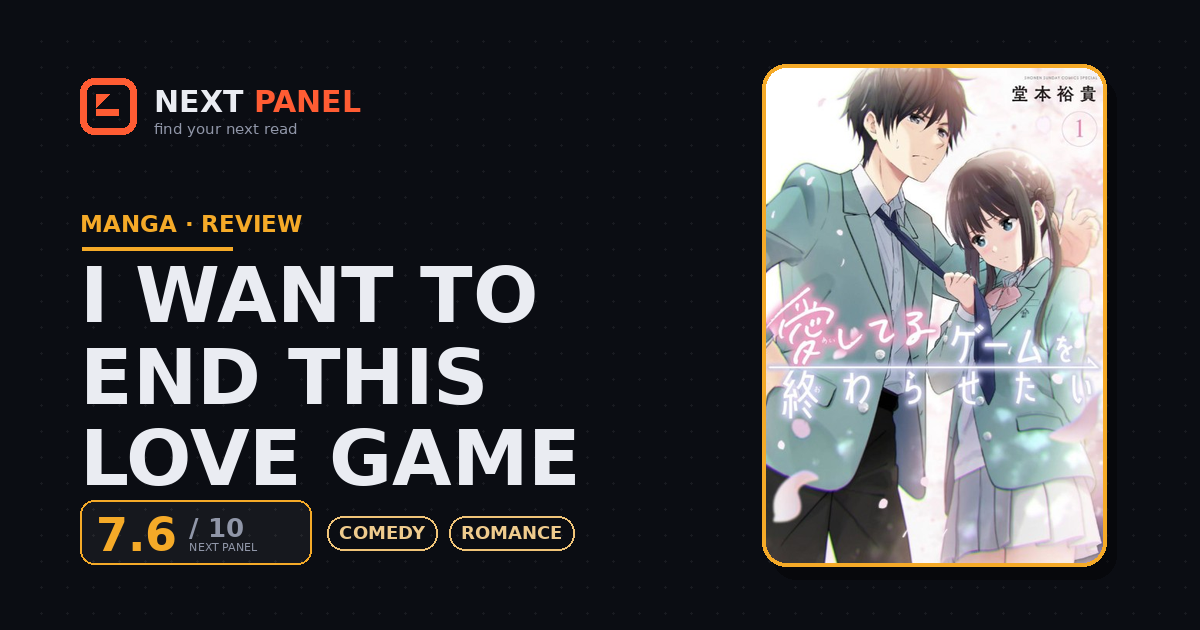
Turning 'I love you' into a game with a real loss condition gives this rom-com's tension a sharper shape than most childhood-friends romances.

Framing the power-up as inherited knowledge from a future that already went extinct gives this manhua's strength system real stakes.