Is Legend of Zelda: Ocarina of Time Worth Reading? Review & Where to Read
Quick Answer
If you love the game and want to see its story get an actual narrative arc instead of item-fetch quests, yes. If you're hoping for a panel-by-panel retelling of the dungeons, you'll be disappointed.
Quick Verdict
“It's not trying to be the game on paper — it's Himekawa's own take on the story, and that's exactly why it works as a manga.”
Best for: Readers who already know the game and want to see its story reshaped into something that reads well as a comic.
Not for: Readers who want a faithful, dungeon-by-dungeon retelling of the game's actual gameplay content.
- Type
- Manga
- Genres
- Fantasy, Action
- Status
- Completed
- This review
- Minor Spoilers
- Author
- Akira Himekawa
- Publisher
- Shogakukan (VIZ Media, English)
- Platform
- VIZ
| Quick facts | |
|---|---|
| Format | Manga, 18 chapters, 2 volumes |
| Run | 2000–2000 · completed |
| Community score | AniList 7.2 |
| Where to read | VIZ — official |
Overview
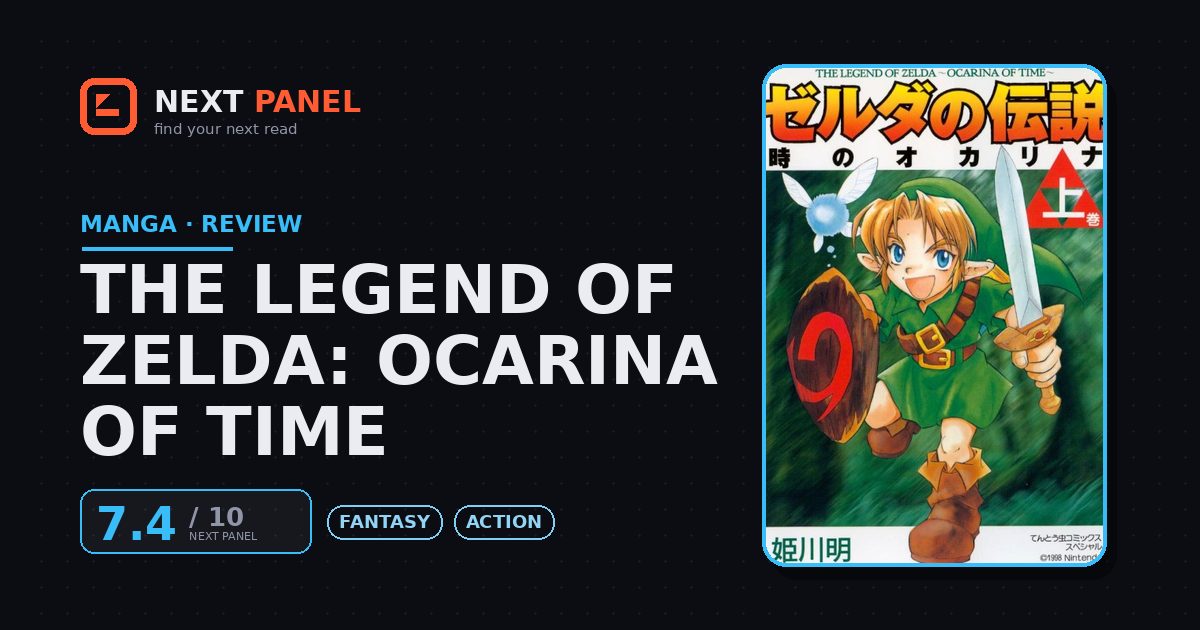
Adapting a video game into a manga is a strange job, since games like Ocarina of Time are built around exploration and puzzle-solving rather than a tightly plotted story. Akira Himekawa (the pen name for a two-person art and writing duo) doesn't try to force a game's structure onto the page. Instead, this manga takes the broad strokes — Link's journey through time, Zelda's role as the hidden princess, Ganondorf's rise — and reshapes them into an actual narrative with cause and effect, character motivation, and a clear arc from beginning to end.
What it does well
The biggest strength here is that Himekawa treats the source material as a starting point rather than a script to transcribe. Ganondorf gets more interiority than the game ever gave him, and the relationship between Link and Zelda develops with actual beats instead of cutscene exposition. The action is where the manga earns its keep visually — boss fights and the climactic confrontations are drawn with real momentum and get more room to breathe than seven years of in-game dungeon crawling would allow on the page. For a story that covers an entire generation-spanning game, it moves at a brisk pace without feeling like it's skipping the important parts.
The manga also isn't afraid to add its own material — new minor characters, extra scenes, and small worldbuilding touches that reward readers who already know the game inside and out, since none of it contradicts what they remember, it just fills in gaps the game left open.
Where it falls short
The tradeoff for that narrative focus is that almost all of the actual gameplay — the dungeon puzzles, the item progression, the sprawling overworld exploration — gets compressed into a handful of pages or cut outright. If what you loved about Ocarina of Time was solving the Water Temple or finding every Piece of Heart, none of that survives the adaptation in any meaningful way. A few fan-favorite side characters and moments get trimmed for pacing too, and the character designs are different enough from Nintendo's official art that it took some longtime fans a minute to get used to.
Verdict
This isn't a page-by-page walkthrough of the game, and it shouldn't be judged as one. Judged as its own story — a fantasy adventure that happens to share its cast and world with one of the most beloved games ever made — it's a solid, fast-moving read that gives Ganondorf and Zelda more depth than the source material had room for.
Strengths & Weaknesses
Strengths
- Himekawa reshapes the game's loose overworld structure into a real narrative arc, with Link, Zelda, and Ganondorf all getting clearer motivations than the game had room for.
- The action scenes are drawn with a good sense of momentum, especially the fights against Ganondorf and the boss battles that get expanded well past their in-game versions.
- It moves fast — this covers the whole game's story in a fraction of the time it takes to play it, without feeling rushed.
- Small additions like new side characters and expanded backstory give long-time fans something new even if they've played the game a dozen times.
Weaknesses
- Most of the dungeon puzzle-solving that defines the actual game is compressed or skipped, so it's a very different experience if that's what you loved about Ocarina of Time.
- Some fan-favorite side characters and moments get cut entirely to keep the pace moving.
- The character designs deviate noticeably from the game's iconic look, which took some longtime fans time to adjust to.
Similar Titles
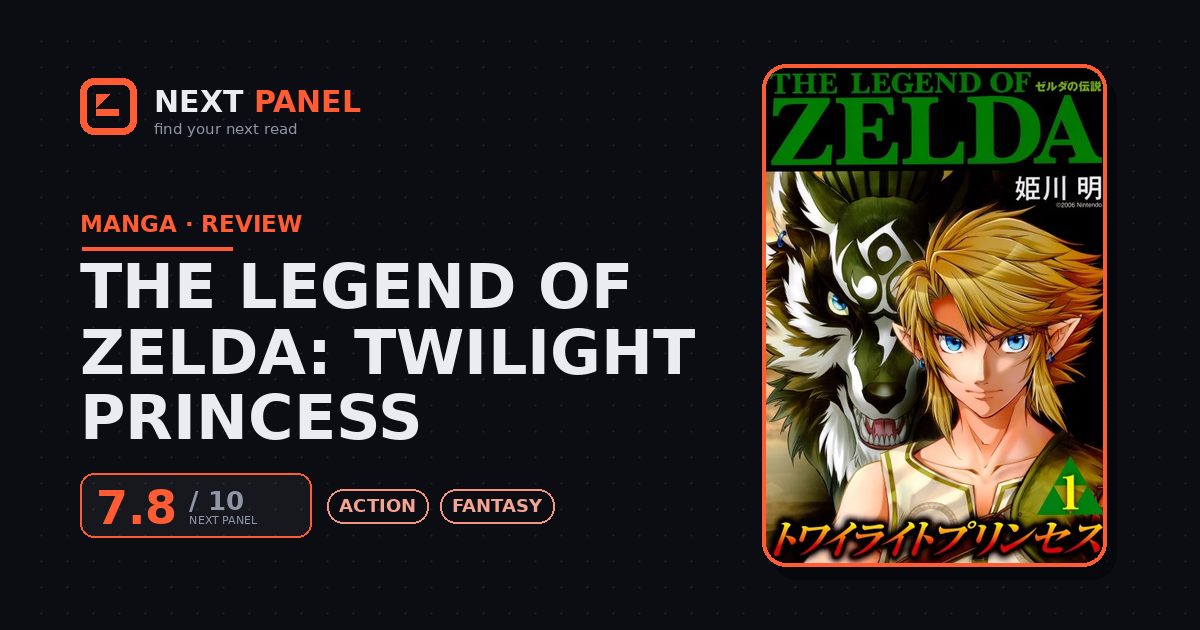
The Legend of Zelda: Twilight Princess
same manga team, same approach of adapting a Zelda game into its own story
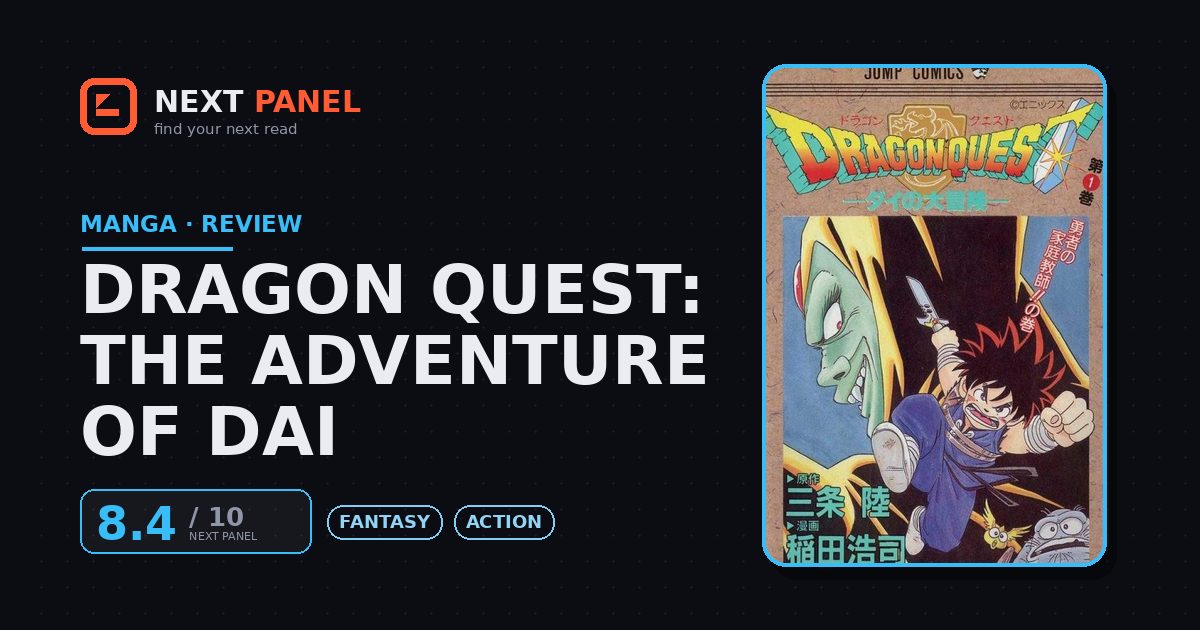
Dragon Quest: The Adventure of Dai
another manga built around a beloved game-adjacent fantasy world, if you want more of that energy
Frieren: Beyond Journey's End
for readers who want more epic fantasy with a similar adventuring-party structure
Where to Read Officially
| Platform | Format | Pricing | Region notes | Link |
|---|---|---|---|---|
| VIZ | Print volumes | Paid | Region availability varies | Open |
Frequently Asked Questions
Do I need to have played the game first?
It helps, since the manga assumes some familiarity with the world, but it's readable on its own as a fantasy adventure story.
Is this a direct retelling of the game?
No — Himekawa restructures the plot and adds original material rather than adapting every dungeon and sidequest beat for beat.
Is the Ocarina of Time manga finished?
Yes, it's a complete two-volume story, also available in a combined Legendary Edition with bonus material.